What an Old Burmese Still Wants to Play
It's a common misconception that once a cat hits their senior years, their days of playful antics are behind them. Many a cat owner has resigned themselves to a quiet existence, only to be surprised when their beloved feline still demands attention and engagement. If you're a Burmese owner, you're likely even more familiar with this pleasant, albeit sometimes exhausting, reality. Your old Burmese still has a spark, a playful glint in their eye, and a definite need for mental and physical stimulation. This guide will delve into why your senior Burmese still wants to play and how you can best support their enduring kitten-like spirit, ensuring their golden years are as enriched as their youthful ones.
Understanding the Burmese's Lifelong Play Drive
The Burmese isn't just any cat; they're often affectionately called the "dogs of the cat world" for a reason. Their personalities are larger than life, full of exuberance, intelligence, and an almost insatiable desire for interaction. This isn't a trait that magically disappears with age, and if you've ever thought your Burmese was finally going to slow down, you've probably been delightfully proven wrong.
The Enduring Kitten-Like Spirit
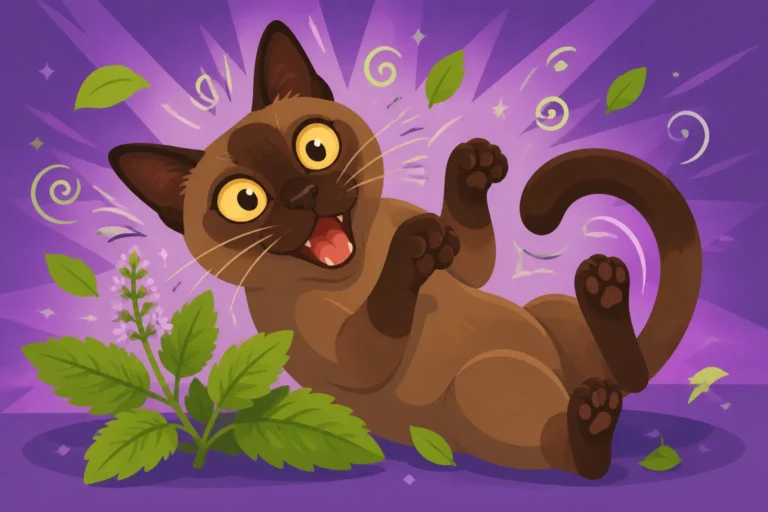
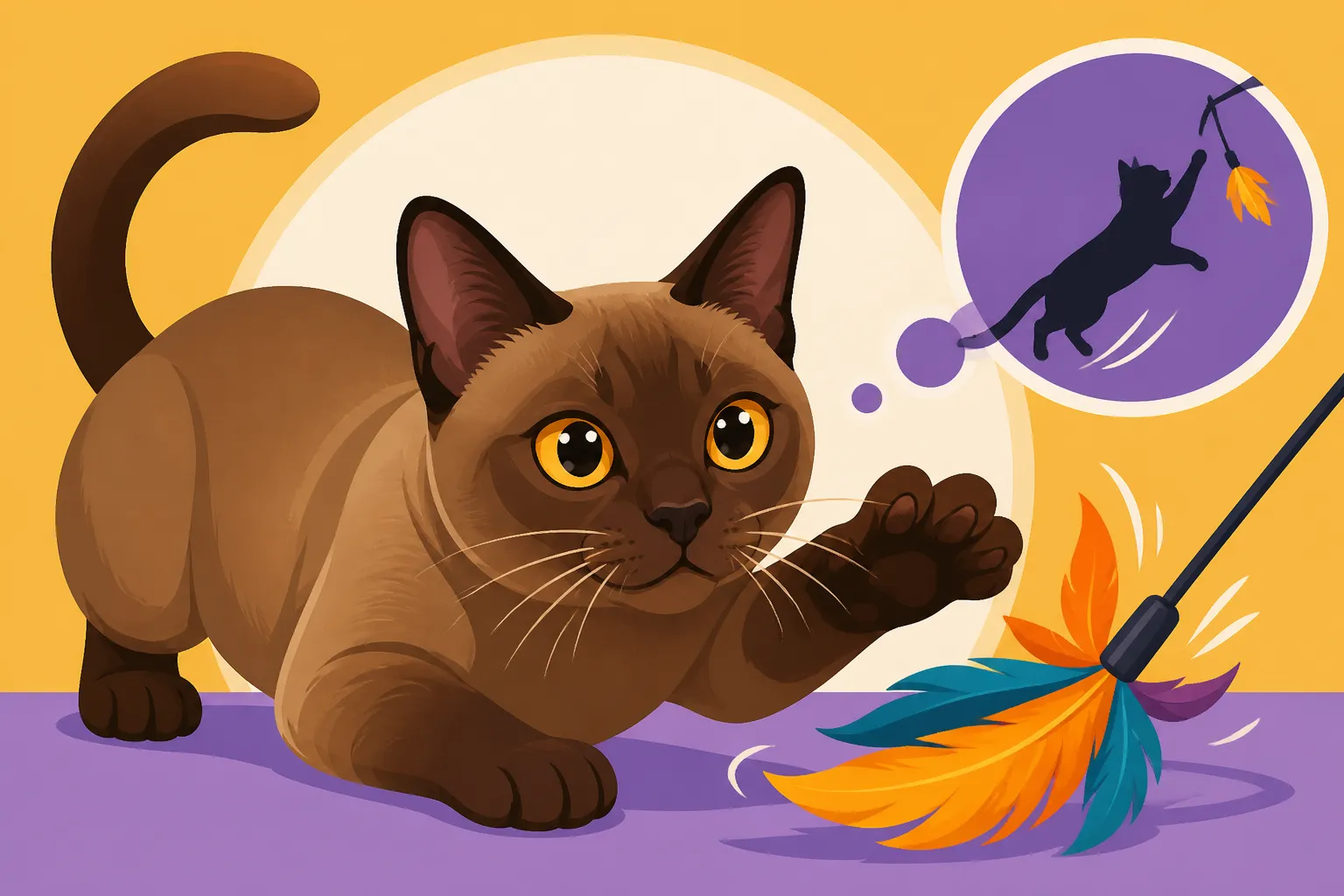
One of the most charming, and sometimes bewildering, aspects of the Burmese breed is their uncanny ability to retain a kitten-like spirit well into their senior years. While other breeds might become more sedentary and prefer quiet naps, a Burmese often remains an active participant in household life, curious and ready for action. This isn't just anecdotal; it's deeply ingrained in their breed characteristics. They are highly intelligent, incredibly social creatures who thrive on engagement. Even a Burmese past the age of ten, or even fifteen, will often still chase a thrown toy, pounce on a dangling feather, or initiate a game of tag with you. It’s part of what makes them such unique companions, but it can certainly take you by surprise if you’re expecting a quiet, dignified elder. We're talking about a cat that, even with a few grey whiskers, might still try to ride on your shoulder or bat at your hair as you walk by. It’s a testament to their vibrant nature, and it's why you'll often hear owners say A Burmese Is Still Playing at Fifteen. This isn’t a passive kind of play either; it's interactive, often vocal, and always seeking your involvement.
Why Mental Stimulation Remains Crucial
For a Burmese, play isn't merely physical exertion; it's a vital form of mental exercise. Their sharp minds need challenges and puzzles to stay stimulated, regardless of their age. Just like humans, senior cats can experience cognitive decline, but keeping their brains active through engaging play can help mitigate this. When your older Burmese nudges a toy under the sofa and then looks at you expectantly, they're not just being mischievous; they're inviting you into a problem-solving game. They love the thrill of the chase, the cunning involved in "hunting" a hidden treat, and the satisfaction of mastering a new game. Depriving them of this mental stimulation can lead to boredom, frustration, and even behavioral issues, even in an otherwise contented senior. Think of it as intellectual enrichment for your feline friend – it keeps their neurons firing and their natural instincts sharp, which is essential for their overall well-being. They need to feel engaged and challenged, and if you've ever seen a senior Burmese figure out a complex treat puzzle, you know exactly what I mean.
The Social Aspect of Senior Burmese Play
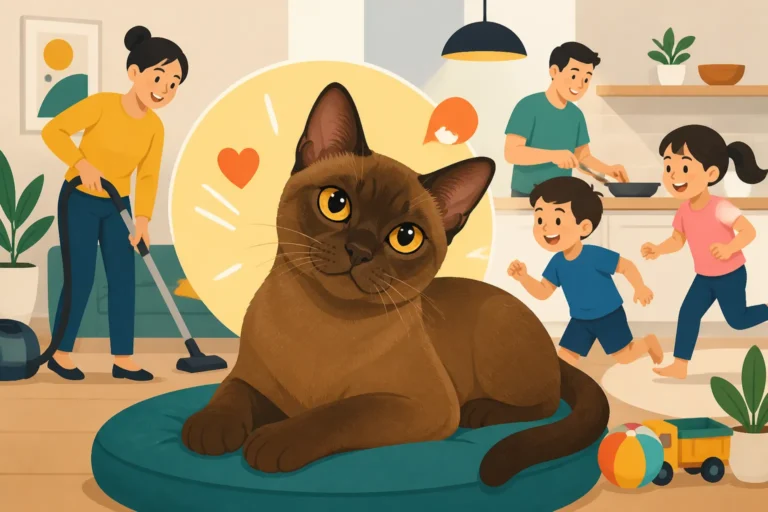
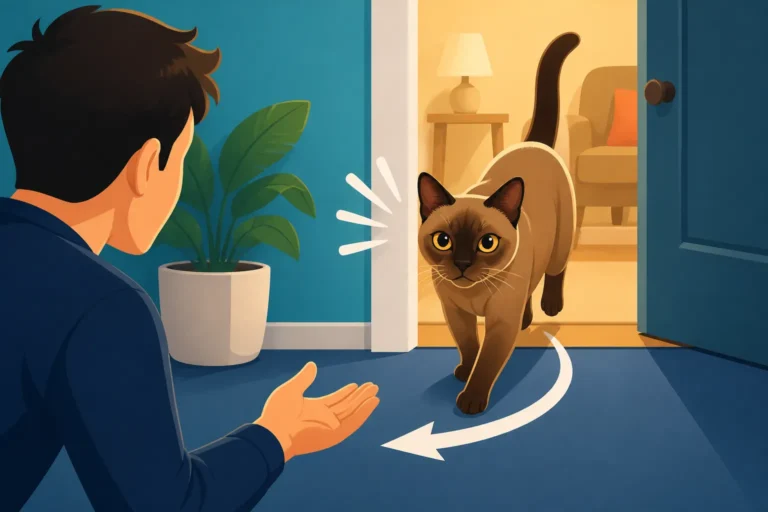
More than many other breeds, the Burmese views play as a fundamental bonding activity. It’s how they connect with their humans and often, with their animal companions. For an older Burmese, a play session isn't just about catching a toy; it's about spending quality time with you. They want your attention, your praise, and the shared experience. This is why a simple wand toy session or a game of fetch can mean the world to them. They're seeking that social interaction, that affirmation of their place within the family unit. Even if they're not as agile as they once were, they'll often adapt their play style to ensure they're still involved. You might find your senior Burmese preferring to "hunt" from a cozy bed, batting at a dangling toy rather than leaping across the room. This desire for connection through play is a continuous thread throughout their lives, and it doesn’t diminish with the arrival of their golden years. In fact, for many, it becomes even more important. It's truly a marvel to see What a Burmese Is Still Doing at Twelve and how much that interaction still means to them.
Adapting Play for the Aging Burmese
While your senior Burmese may still have the heart of a kitten, their body might not always keep up. It's important to recognize that an older cat's physical capabilities can change, and adapting their play environment and activities is key to keeping them safe, comfortable, and happily engaged. This isn't about stopping play; it's about modifying it to suit their evolving needs.
Gentle, Shorter Play Sessions
The days of hour-long, high-intensity sprint sessions might be behind your older Burmese, and that's perfectly okay. Instead of prolonged play, think "quality over quantity." Shorter, more frequent play sessions are often ideal for senior cats. A few five-minute bursts of activity throughout the day can be far more beneficial, and less taxing, than one twenty-minute marathon. Pay close attention to your cat's cues during play. Are they panting heavily? Are they slowing down noticeably? Are they losing interest or starting to limp? These are all signs that it's time to take a break. The goal is to keep them active and engaged without pushing them to the point of exhaustion or discomfort. It's about maintaining their joy in play, not about making them feel like they're in a feline athletic competition. Even for a cat that still demands How Much Play a Burmese Still Demands at Ten, you'll find that breaking it up makes all the difference. Which Games Suit a Burmese Past Fourteen will also tell you that these shorter, more considered playtimes are vital.
Prioritizing Comfort and Safety
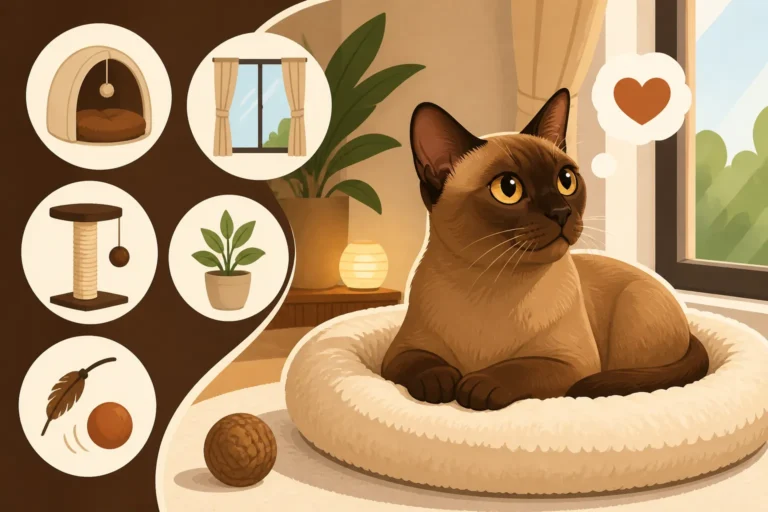
As a Burmese ages, their joints might become stiffer, their eyesight a little less keen, and their overall agility may decrease. This means their play environment needs a few adjustments to keep them safe and comfortable. Avoid games that require high, sudden jumps or quick, sharp turns on slippery floors. Introduce soft landing spots if they do enjoy a moderate leap, perhaps by placing thick rugs or pet steps near their favorite perching spots.
Consider toys that are easier to handle and less likely to cause injury. Softer toys, lighter wand toys, or even just chasing a crinkly ball on the floor can be wonderfully engaging without putting undue strain on their body. Puzzle feeders, which we'll discuss more, are fantastic for mental stimulation without requiring much physical movement. Always ensure their play space is clutter-free to prevent trips and falls, and make sure any ramps or steps they use are stable. Their enthusiasm might still be boundless, but their physical frame has earned some consideration.
The Role of Familiarity and Routine
Burmese cats, especially as they get older, often find immense comfort in routine and predictability. This applies to their play activities just as much as their meal times. Establishing a consistent schedule for play can provide a sense of security and allow them to anticipate these joyful interactions. They know that after their morning meal, a quick wand toy session is coming, or that before bedtime, there will be a few minutes of gentle petting and play on the sofa.
Familiar toys can also be particularly comforting. While a new toy might be exciting for a younger cat, an older Burmese might prefer the well-loved feather wand or the soft mouse they've "killed" a thousand times. There's a certain comfort in the known, and these familiar objects can evoke a sense of playfulness without the added stress of novelty. Building play into their daily rhythm not only keeps them engaged but also reinforces their bond with you through shared, predictable happy moments.
Types of Play and Enrichment for Senior Burmese
Just because your Burmese is older doesn't mean their world needs to shrink. In fact, providing varied and stimulating play options can significantly enhance their quality of life. The key is to choose activities that cater to their enduring intelligence and affectionate nature, while being mindful of any physical limitations.
Interactive Play with Their Humans
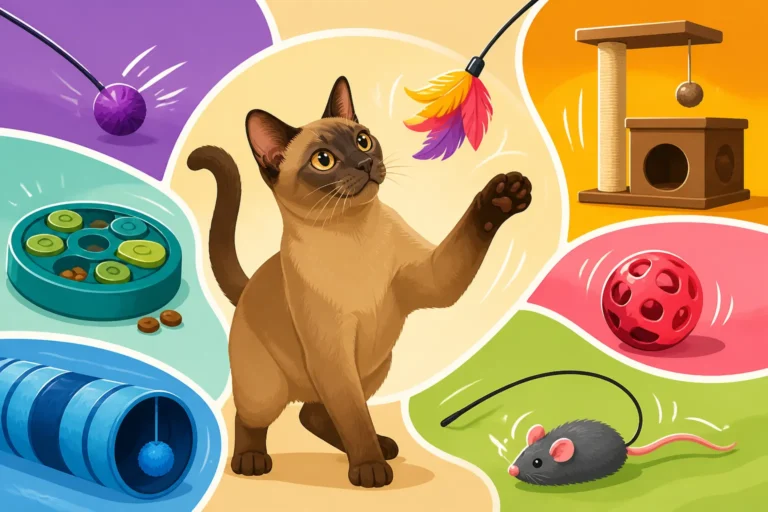
This is where the Burmese truly shines, at any age. Their deep connection with their people means that any game involving you will be a hit. Wand toys are absolutely golden for senior Burmese. They allow you to control the movement, creating a "hunt" that's exciting but doesn't require excessive jumping or running. You can dangle it slowly, sweep it across the floor, or hide it behind furniture, letting your cat stalk and pounce at their own pace. Laser pointers, used with caution and always ending with a tangible toy catch, can also be stimulating. The thrill of the chase, even if it's just a few steps, is still powerful.
Don't underestimate the simple joy of retrieving games. Many Burmese love to fetch small, crinkly balls or soft mice, bringing them back to you for another toss. This taps into their intelligent, dog-like traits and offers both physical and mental engagement. You can find a huge variety of interactive toys, like feather wands or crinkly balls, on platforms like Amazon that are perfect for keeping your senior Burmese entertained. These items are often designed to mimic prey, triggering their natural instincts in a safe, controlled way. A good feather wand, for instance, can provide endless entertainment. For more ideas on what engages them, check out Which Wand Toys Hold a Burmese's Attention.
Puzzle Toys and Food-Based Challenges
For the intellectually sharp Burmese, puzzle toys and food-based challenges are a fantastic way to keep their minds active, especially if their mobility is limited. These toys require your cat to figure out how to access treats or kibble, engaging their problem-solving skills. Whether it’s a ball that dispenses food as they bat it around or a multi-layered contraption they have to manipulate, these toys prevent boredom and provide a satisfying mental workout.
Puzzle feeders are particularly beneficial for Burmese cats, who are often highly food-motivated and prone to putting on weight. By making them work for their food, you slow down their eating, which can aid in weight management and digestion, and also prevent them from gulping down meals too quickly. You can find many options, from simple treat balls to more complex labyrinth feeders, on Amazon. Always ensure the treats or food used are appropriate for their diet. For a Burmese that tends to be a bit greedy, these can be a game-changer; you'll find more insights in Which Puzzle Feeder Slows a Greedy Burmese Down. These activities satisfy their hunting instincts and their intelligence, making mealtime a challenging and rewarding experience rather than just a quick eat.
Comfort and Companionship through Play
Ultimately, for an old Burmese, play is often an extension of their desire for comfort and companionship. They are deeply affectionate cats who crave close physical contact. Sometimes, the "play" they desire is simply gentle interaction while curled up next to you. A light bat at your hand while you're reading, a soft wrestle with a blanket on your lap, or even just the act of you stroking them while they purr contentedly can be their form of play.
These moments reinforce the powerful bond you share. If you've ever had a Burmese, you know they are champion lap cats, and even as they age, Why an Old Burmese Still Wants a Lap is a sentiment that rings true. These quiet, intimate forms of interaction are just as important as the more active games. If you have multiple cats, especially a younger, calmer companion, your senior Burmese might still engage in gentle play with them, perhaps a bit of mutual grooming or a soft chase. The key is to respond to their invitations for connection, in whatever form they take.
Recognizing Changes and When to Seek Vet Advice
Even with the most playful senior Burmese, it’s crucial to be vigilant about changes in their behavior or play habits. Their enduring spirit can sometimes mask underlying physical issues, and as their primary caregiver, you are their first line of defense against discomfort or illness.
Subtle Signs of Discomfort During Play
Your Burmese might still want to play with all their heart, but their body may not always cooperate. It's important to watch for subtle signs of discomfort that might indicate they're pushing themselves too hard or experiencing pain. This could include a slight limp after a short play session, reluctance to jump onto their favorite perch, stiffness when getting up, or a decrease in their usual agility. They might also show unusual fatigue or excessive panting after minimal activity.
Sometimes, the signs are more behavioral: a sudden disinterest in a beloved toy, or a preference for lying down rather than engaging, even when you initiate play. Don't dismiss these changes as "just old age." While age is a factor, it doesn't automatically mean discomfort is inevitable or untreatable. For example, How Arthritis Shows in a Burmese That Still Plays can manifest subtly, making these observations even more critical. Keep a close eye on their mobility, enthusiasm, and recovery time after play.
The Link Between Play and Overall Health
A sustained interest in play is often a fantastic indicator of a Burmese's general health and well-being. A playful cat is usually a happy and healthy cat. Conversely, a noticeable and persistent decrease in their desire to play, or a significant change in their play style, can be a red flag for an underlying medical condition. This could range from arthritis, which makes movement painful, to more serious issues like diabetes, hyperthyroidism, or even dental problems that make eating or playing with toys uncomfortable.
Burmese cats are incredibly adept at hiding illness, a survival instinct that makes them stoic creatures. They might continue to cuddle and seek attention, all while privately enduring discomfort. This is why a change in play can be one of the earliest and most telling signs that something isn't quite right. As the article Why a Burmese Hides Illness Behind Its Affection explains, you need to be observant of any shifts in their routine or demeanor. Any uncharacteristic withdrawal or persistent lack of energy should prompt a call to your veterinarian.
Regular Vet Check-ups for the Senior Burmese
Given their propensity for hiding illness and their continued zest for life, regular veterinary check-ups become even more crucial as your Burmese enters their senior years. These routine visits allow your vet to thoroughly assess their overall health, including joint health, dental status, and metabolic functions. Early detection of conditions like arthritis, diabetes, or kidney disease can make a significant difference in managing the condition and maintaining your cat's quality of life.
Your vet might recommend specific dietary changes, joint supplements, or even pain management strategies to keep your senior Burmese comfortable and able to enjoy their beloved play. They can also offer advice on adapting their environment to support any physical limitations. Don't wait for obvious signs of pain or illness; proactive care is the best way to ensure your old Burmese can continue to enjoy chasing that feather wand or batting at a crinkly ball for many more happy years. These check-ups are an investment in their continued happiness and comfort.
Playtime Adaptations for Senior Burmese
Here's a quick look at how to adjust playtime for your cherished senior Burmese, keeping them engaged and comfortable.
| Aspect of Play | Younger Burmese (Kitten to Adult) | Senior Burmese (7+ Years) |
|---|---|---|
| Duration | Long, energetic sessions (10-20 minutes, several times a day) | Shorter, more frequent bursts (3-5 minutes, many times a day) |
| Intensity | High-energy chases, acrobatic leaps, wrestling | Gentle stalking, controlled pounces, batting from a comfortable spot |
| Types of Toys | Anything that moves fast, teaser wands, laser pointers, noisy toys | Lighter wand toys, soft plush toys, puzzle feeders, crinkly balls, treat dispensers |
| Environment | Open spaces for running, climbing structures, cat trees | Ground-level play, soft surfaces, non-slip flooring, pet steps for higher access |
| Focus of Play | Physical exertion, honing hunting skills | Mental stimulation, bonding, gentle physical activity, comfort, problem-solving |
| Monitoring Cues | Fatigue, disinterest | Stiffness, limping, heavy panting, reluctance to engage, changes in enthusiasm |
Disclaimer
This article is for general informational purposes only and does not constitute professional advice. Laws, prices and regulations vary by location and change over time. Consult a qualified professional for guidance on your specific situation.