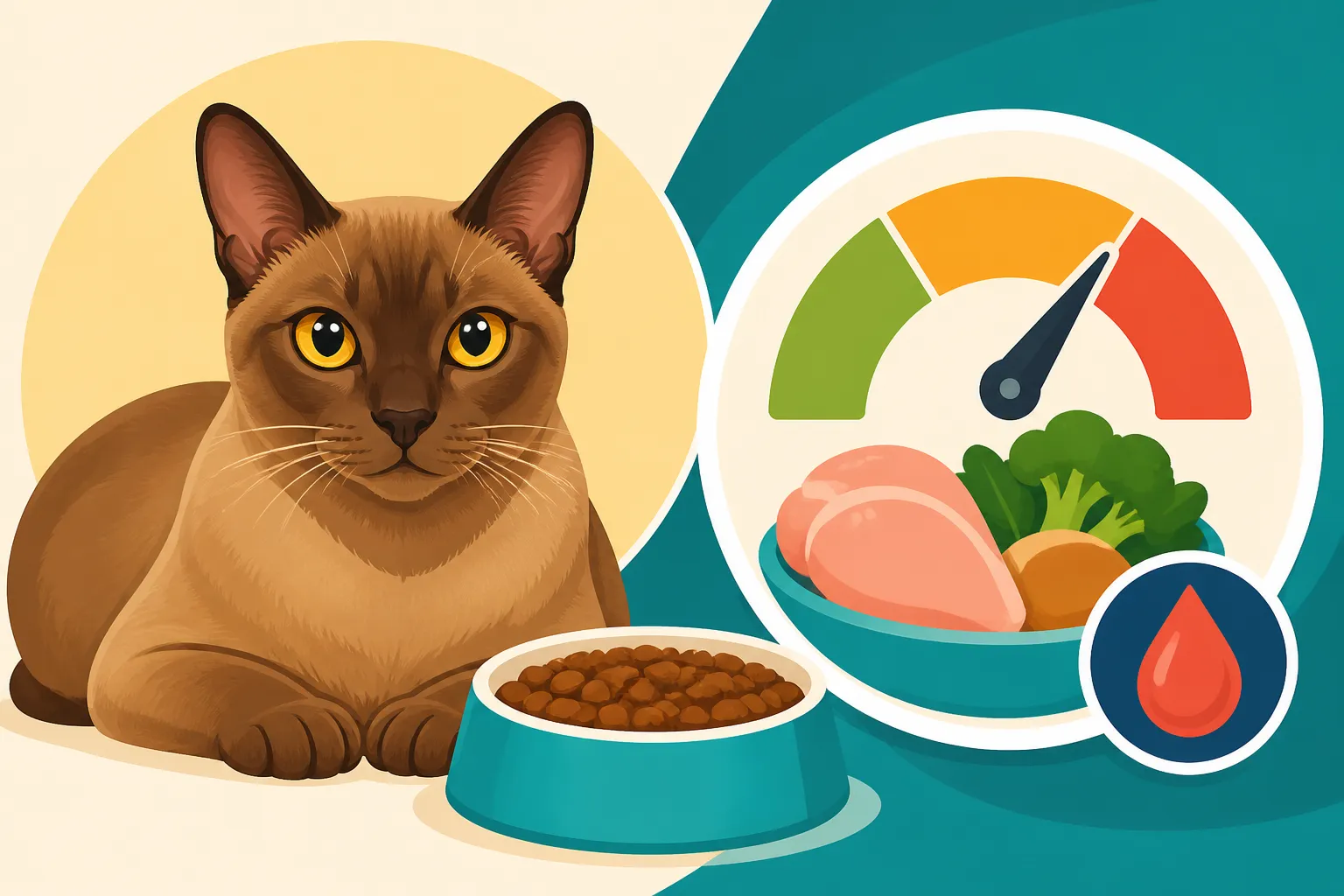
How Many Calories a Diabetes Prone Burmese Should Get
It’s a heartbreaking reality that our beloved Burmese cats are uniquely susceptible to developing diabetes. Many owners find themselves navigating a confusing maze of dietary advice, often feeling overwhelmed by the sheer responsibility of managing their cat's health through food. This guide aims to demystify the complex topic of caloric intake for diabetes-prone Burmese, helping you understand precisely how many calories your furry companion needs to thrive and stay healthy, preventing or managing this all-too-common condition.
Understanding the Burmese's Unique Metabolism and Diabetes Risk
The Burmese cat, with its stunning looks and captivating personality, unfortunately comes with a genetic predisposition that makes it far more likely to develop diabetes than many other breeds. This isn't just about feeding them too much; it's about understanding their specific metabolic quirks and how diet plays a critical role in their long-term health. Knowing this foundation is the first step in setting your Burmese up for a long, healthy life, free from the complications of preventable disease.
The Genetic Predisposition to Diabetes
It's truly unfair, isn't it? You get a gorgeous, affectionate Burmese, and then learn they're statistically Why a Burmese Is Four Times More Likely to Become Diabetic. This isn't just anecdotal evidence; genetic studies have shown that Burmese cats, particularly those from certain Australian and European lines, carry genes that influence insulin sensitivity and glucose metabolism. This means their bodies are simply less efficient at handling carbohydrates and regulating blood sugar, making them particularly vulnerable to developing Type 2 diabetes. It's like they're born with a "fast pass" to a condition we all try so hard to avoid. This genetic lottery means that while diet and lifestyle are crucial for all cats, for a Burmese, they become absolutely paramount. Every meal, every snack, every calorie choice becomes a critical health decision, not just a matter of convenience or preference.
Because of this inherent vulnerability, a "normal" diet for another cat breed might actually be detrimental to a Burmese. Their systems are simply less forgiving. Imagine having a car that's known to struggle with a certain type of fuel; you'd be extra careful about what you put in the tank, right? The same principle applies here. We need to be proactive and understand that what works for a domestic shorthair might not work for our special Burmese, whose physiology demands a more tailored approach to nutrition from day one, not just when problems arise.
Why Weight Management is Paramount
Given their genetic blueprint, maintaining an ideal weight is perhaps the single most powerful lever you have as a Burmese owner to prevent or manage diabetes. Many Burmese are naturally quite muscular, giving them that "brick wrapped in silk" feel, but this muscularity can sometimes mask excess fat. A few extra pounds on a small frame might not look like much, but for a Burmese, it significantly increases their insulin resistance and the workload on their pancreas. It's a cruel irony that their adorable, food-motivated personalities can lead them down a path to illness if not carefully managed.
Every extra ounce of weight contributes to the body's cells becoming less responsive to insulin, forcing the pancreas to produce more and more of it. Eventually, the pancreas simply can't keep up, and blood sugar levels rise, leading to diabetes. This is Why Weight Is the Only Lever a Burmese Owner Has in terms of preventative care. It’s not about vanity; it’s about metabolic health. A trim, fit Burmese is a healthier Burmese, plain and simple. We need to be vigilant, because even a slightly overweight Burmese is playing a much riskier game with their health than a cat of another breed might be.
Calculating Your Burmese's Ideal Caloric Intake
Determining the right number of calories for your Burmese isn't a one-size-fits-all equation. It requires a bit of detective work and an understanding of their individual needs. Think of it like tailoring a suit: you need precise measurements to ensure a perfect fit. Guessing can lead to overfeeding or underfeeding, both of which can have negative health consequences, especially for a breed so prone to diabetes.
Basal Metabolic Rate and Activity Levels
At its core, a cat's caloric needs are based on its Basal Metabolic Rate (BMR) – the energy it expends just to exist – and its activity level. A sleeping cat still burns calories to breathe, maintain body temperature, and keep its heart beating. Then, you add in the calories for playing, walking, exploring, and even just shifting positions on your lap. For a highly active, playful Burmese, who can still be a whirl of energy well into their senior years, their activity factor will be higher than that of a sedentary cat.
However, even within the Burmese breed, individual activity levels vary. One Burmese might be a veritable circus performer, constantly on the go, climbing, and engaging in energetic play sessions. Another, while still affectionate, might be more of a couch potato, preferring to snuggle under the duvet for hours. It's crucial to observe your own cat's daily routine and energy output. A cat that zips around the house needs more fuel than one that spends most of its day napping. This observational data, combined with a veterinary assessment, forms the foundation for setting their caloric target.
Factors Influencing Calorie Needs (Age, Neutering, Activity)
Several key factors significantly impact how many calories your Burmese truly needs. Age is a major one: growing kittens require a higher calorie density to fuel their rapid development, while senior cats, though often still playful, might have a slower metabolism and need slightly fewer calories to maintain their weight. A young, rambunctious Burmese kitten might burn through calories like wildfire, while an elderly Burmese, even one still keen to play, may need a gentler approach to their daily intake.
Neutering or spaying also plays a huge role. After being altered, a cat's metabolism can slow down, and their hormonal balance changes, often leading to a tendency to gain weight more easily. This is particularly critical for Burmese males, who are at a higher risk of diabetes post-neutering. Therefore, a neutered adult Burmese will typically require fewer calories than an intact one to maintain a healthy weight. Finally, as mentioned, activity level is paramount. A Burmese that engages in multiple energetic play sessions a day will naturally burn more calories than one that prefers a quiet lap. Knowing How Many Calories a Neutered Adult Burmese Burns compared to an active, intact cat is crucial for accurate feeding. This intricate dance of age, status, and activity means that a generic feeding guideline simply won't cut it for our special Burmese friends.
The Role of Diet Composition in Calorie Control
When it comes to feeding a diabetes-prone Burmese, it's not just about the total number of calories, but also where those calories come from. Think of it like building a house: you need the right materials, not just a lot of them. The composition of their diet can significantly impact their blood sugar regulation and overall metabolic health, even if the calorie count is technically "correct."
Low Carbohydrate, High Protein Focus
For a Burmese, especially one with a predisposition to diabetes, a diet that is low in carbohydrates and high in animal-based protein is absolutely foundational. Cats are obligate carnivores; their bodies are designed to process protein and fat from meat, not grains or starches. When a Burmese consumes a diet high in carbohydrates, their already sensitive pancreatic system is forced to work overtime to produce insulin to manage the rapid rise in blood sugar. Over time, this constant strain can lead to insulin resistance and eventually, full-blown diabetes.
Aiming for a diet with a carbohydrate percentage well Which Carbohydrate Percentage a Burmese Should Stay Under (ideally below 10%, or even lower) is a critical preventative measure. High-quality protein helps maintain lean muscle mass, which is metabolically active and helps with calorie burning, and also provides satiety, meaning your Burmese feels fuller for longer. When you prioritize protein and minimize carbohydrates, you're not just feeding your cat; you're supporting their delicate metabolic balance and giving their pancreas a much-needed break. It's truly a medical decision, and one of the most important ones you'll make for your Burmese's long-term health.
The Importance of Wet Food Over Dry Kibble
This really can't be stressed enough: wet food almost always trumps dry kibble for a diabetes-prone Burmese. Kibble, by its very nature, needs carbohydrates to bind it into those little crunchy pellets. Even "grain-free" kibbles often contain high levels of other starchy ingredients like peas, potatoes, or lentils, which are just as problematic for a Burmese's blood sugar as corn or wheat. Furthermore, dry food typically has a much lower moisture content, which can contribute to chronic mild dehydration in cats, impacting kidney health over time.
Wet food, on the other hand, allows for much better control over carbohydrate levels and provides essential moisture. Feeding a wet food diet, particularly pate-style options with meat as the primary ingredient, helps to keep carbohydrate intake low and protein intake high. This helps to stabilize blood sugar levels throughout the day, reducing the spikes and crashes that stress a Burmese's pancreas. While some cats might be addicted to the crunch of kibble, making the transition to wet food is one of the most impactful changes you can make. Why Wet Food Beats Kibble for a Burmese isn't just a preference; it's a medical recommendation for this breed.
Practical Strategies for Feeding a Diabetes-Prone Burmese
Once you understand the 'what' and 'why' behind caloric and dietary needs, the next step is the 'how'. Implementing these guidelines consistently and accurately is key to success. This means developing a routine that supports their metabolic health, ensuring every meal contributes positively to their well-being.
Measuring and Portioning Food Accurately
Gone are the days of simply scooping food from a bag. For a diabetes-prone Burmese, precise measurement of every meal is non-negotiable. This isn't about being obsessive; it's about being medically responsible. Even small variations in portion size can significantly alter their daily calorie intake, leading to unintended weight gain or insufficient nutrition. A half-ounce difference in wet food might seem trivial, but over weeks and months, it adds up.
Using a digital kitchen scale to weigh out portions in grams is by far the most accurate method. Volume measurements (like cups or scoops) can be notoriously inaccurate due to differences in food density and how tightly packed the food is. For example, a "quarter cup" of one type of wet food might weigh completely differently than a "quarter cup" of another. Invest in a reliable kitchen scale (you can find many affordable options on Amazon) and use it for every meal. This habit is fundamental to Why Portion Control Is Medical Care in a Burmese and helps ensure your cat receives exactly the right number of calories.
Avoiding Free Feeding and Scheduled Meals
Free feeding – leaving a bowl of food out all day for your cat to graze on – is one of the biggest no-nos for a diabetes-prone Burmese. It's a recipe for disaster, as it makes accurate calorie control impossible and encourages overconsumption. Cats, especially food-motivated breeds like the Burmese, are notorious for self-regulating poorly when food is constantly available. This leads to continuous snacking, constant insulin spikes, and an almost guaranteed path to weight gain and diabetes.
Instead, your Burmese should be fed scheduled meals, typically two or three times a day. This allows you to control the exact amount of food consumed within a specific timeframe, mimicking the natural feeding patterns of their wild ancestors (who would eat a meal and then fast until the next hunt). Scheduled meals also allow for better monitoring of appetite, which can be an early indicator of illness. If your Burmese suddenly turns its nose up at a meal, it's a red flag you'll notice immediately with scheduled feeding, whereas it might go unnoticed for hours with free feeding. This disciplined approach is critical for managing blood sugar and maintaining a healthy weight. Why a Burmese Should Never Be Free Fed is a foundational principle of their care.
Monitoring Weight and Adjusting Calories
Caring for a diabetes-prone Burmese is an ongoing journey, not a destination. Their metabolic needs can change over time, influenced by age, activity, and overall health. Therefore, consistent monitoring and thoughtful adjustments to their caloric intake are essential for lifelong well-being.
Regular Weight Checks and Body Condition Scoring
You wouldn't drive a car without a speedometer, and you shouldn't manage your Burmese's health without regular weight checks. Weekly or bi-weekly weighing at home is a simple yet powerful tool. Invest in a reliable digital pet scale, or even use your own bathroom scale by weighing yourself, then weighing yourself holding your cat, and subtracting the difference. Keeping a log of these weights will show trends and allow you to catch any upward creep before it becomes a significant problem. For tips on how to do this smoothly, you might want to look into How to Weigh a Burmese Accurately at Home.
Beyond just the number on the scale, it's crucial to learn how to body condition score your Burmese. This involves feeling their ribs, spine, and waist. You should be able to easily feel their ribs with a thin layer of fat over them, their waist should be evident when viewed from above, and their belly should not sag. The gorgeous, close-lying satin coat of a Burmese can hide a multitude of sins, making it hard to eyeball their condition. Learning How to Score a Burmese's Body Condition by touch is an invaluable skill, allowing you to assess their fat reserves independently of their scale weight, which can fluctuate slightly. Your vet can also guide you on this during their regular check-ups.
When and How to Adjust Caloric Intake
Life changes, and so do caloric needs. If your Burmese starts to gain weight, even a small amount, it’s a clear signal to slightly reduce their daily calorie intake. Conversely, if they start to lose weight without an intentional diet, or if they're particularly active, a small increase might be warranted. These adjustments should always be gradual. Dramatic cuts or increases can upset their system and lead to other health issues. For example, rapid weight loss in an overweight cat can sometimes trigger hepatic lipidosis, a serious liver condition.
A good rule of thumb is to adjust their daily calories by about 5-10% at a time, then monitor their weight and body condition for a few weeks before making further changes. Always consult with your veterinarian before making significant or sustained dietary changes, especially if your cat has other health conditions. They can help you fine-tune the numbers and ensure your Burmese is getting all the nutrients they need while staying within a healthy weight range. Your vet might also recommend specific therapeutic diets if they are already showing signs of insulin resistance or pre-diabetes.
Addressing Common Feeding Challenges and Pitfalls
Even with the best intentions, feeding a diabetes-prone Burmese can come with its own set of unique challenges. These affectionate, intelligent cats know how to wrap us around their paws, and their strong personalities can sometimes make dietary adherence a little tricky!
Dealing with a Greedy Burmese
Let's face it: many Burmese cats are incredibly food-motivated. They will follow you around the kitchen, try to sneak bites off your plate, and generally act like they're perpetually starving, even after a full meal. This natural greed can be a major pitfall for a diabetes-prone cat. It's easy to give in to those pleading eyes, but every extra treat or stolen morsel counts against their carefully calculated calorie intake and can destabilize their blood sugar. Why a Burmese Never Stops Asking for Food is just part of their charm, but it requires firm boundaries from us.
To combat this, consistency is key. Stick to the scheduled meals and pre-measured portions without fail. Avoid leaving human food unattended. If your Burmese is truly ravenous between meals, consider using food puzzle toys for a portion of their regular meal, making them "work" for their food and slowing down consumption. High-protein, low-carb treats can be given sparingly, but remember to factor them into their daily caloric allowance. Sometimes, a vigorous play session can distract them from their food obsession. Remember, you're not depriving them; you're loving them responsibly by prioritizing their health above their immediate demands.
Multi-Cat Households and Diet Management
A common dilemma for Burmese owners is how to manage their diet in a multi-cat household, especially if other cats don't have the same strict dietary requirements. You don't want your diabetes-prone Burmese raiding another cat's bowl, or vice versa! This scenario can feel like trying to run a five-star restaurant with different menus for every diner. However, it's a hurdle that absolutely must be overcome.
One of the most effective solutions is to feed cats in separate rooms, or at the very least, at a distance from each other, while you supervise. Each cat should have its own designated feeding station. Once the meal is finished (and remember, with scheduled feeding, meals have a clear end time), all food bowls should be picked up immediately. For more advanced solutions, microchip feeders can be a godsend. These feeders only open for the specific cat whose microchip (or RFID tag on their collar) is programmed into the device, ensuring that only your Burmese has access to their special diet, and preventing others from eating it. While they're an investment, they can save a lot of stress and prevent significant health issues down the line. If you're struggling, consult your vet for tailored advice on How to Keep Two Burmese on Different Diets effectively and peacefully.
Here's a quick overview of estimated daily calorie ranges for an adult Burmese, for general informational purposes. Please note these are estimates and individual needs vary greatly based on the factors discussed above. Always consult your vet for personalized recommendations.
| Weight (lbs) | Ideal Body Condition | Activity Level | Estimated Daily Calories (kcal) |
|---|---|---|---|
| 6-8 | Lean | Low | 150-180 |
| 8-10 | Ideal | Moderate | 180-220 |
| 10-12 | Ideal | High | 220-250 |
| 10-12 | Slightly Overweight | Low/Moderate | 180-200 (for weight loss) |
Please remember that these are just starting points. Your veterinarian is the best resource for precise caloric recommendations based on your individual Burmese's health, age, and lifestyle. Products and tools to help manage these dietary needs, such as high-quality low-carb wet food or digital kitchen scales, are readily available from retailers like Chewy and Amazon. Some specialized fresh food services are increasingly catering to cats and might offer suitable options if you are looking for specific nutritional profiles and convenience, but always double-check the carbohydrate content.
Disclaimer
This article is for general informational purposes only and does not constitute professional advice. Laws, prices and regulations vary by location and change over time. Consult a qualified professional for guidance on your specific situation.