Whether a Burmese Gets Cherry Eye
Burmese cats rarely develop cherry eye, a condition usually signaling underlying health issues rather than a primary gland prolapse.
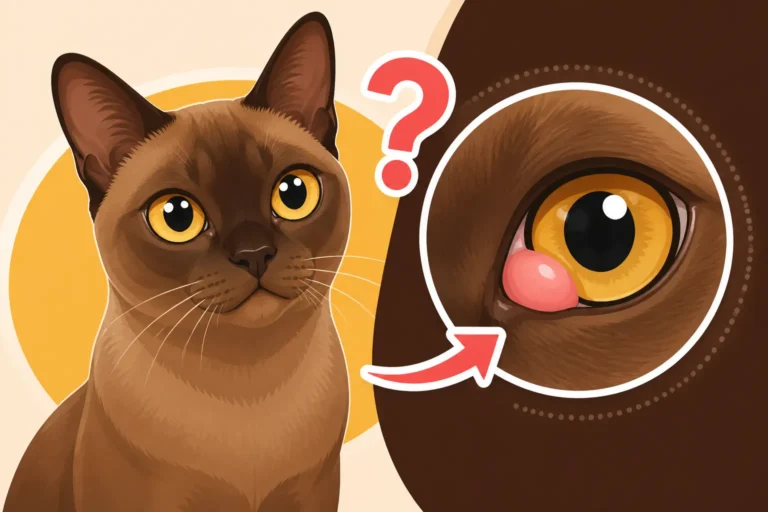
Burmese cats rarely develop cherry eye, a condition usually signaling underlying health issues rather than a primary gland prolapse.
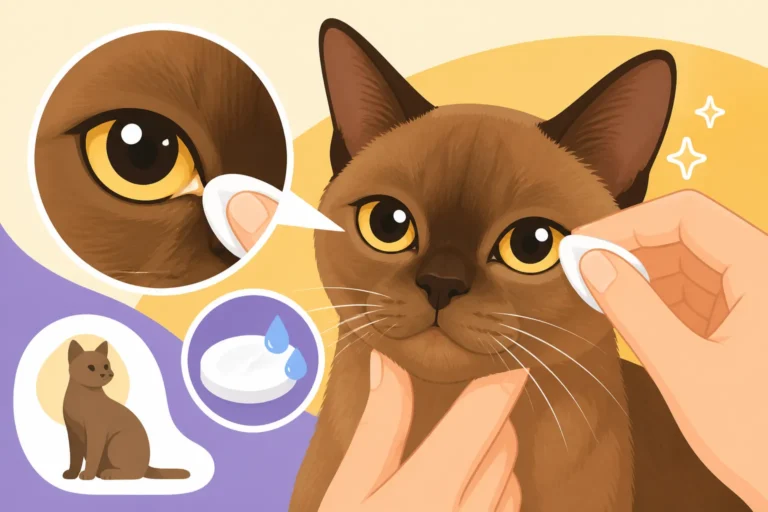
Burmese cat eye discharge causes, including tear duct anatomy and allergens, plus safe home cleaning methods for watery corner crusting.
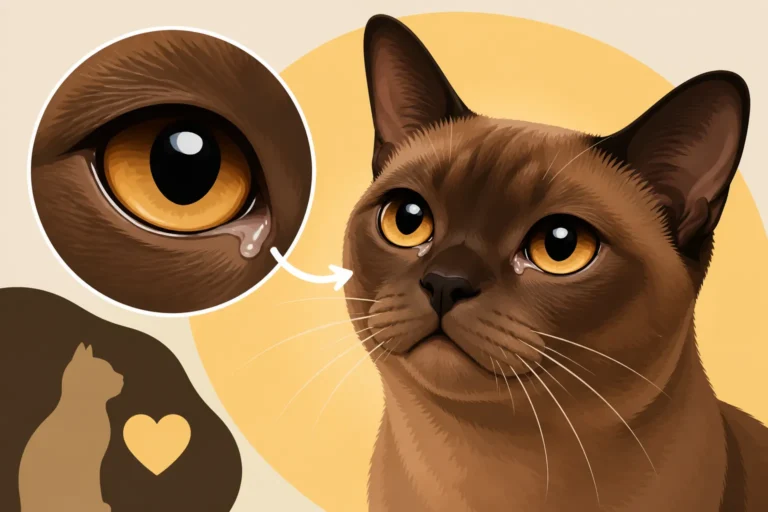
Burmese cats experience weeping eyes and tear staining due to their unique brachycephalic facial structure and prominent eye shape.
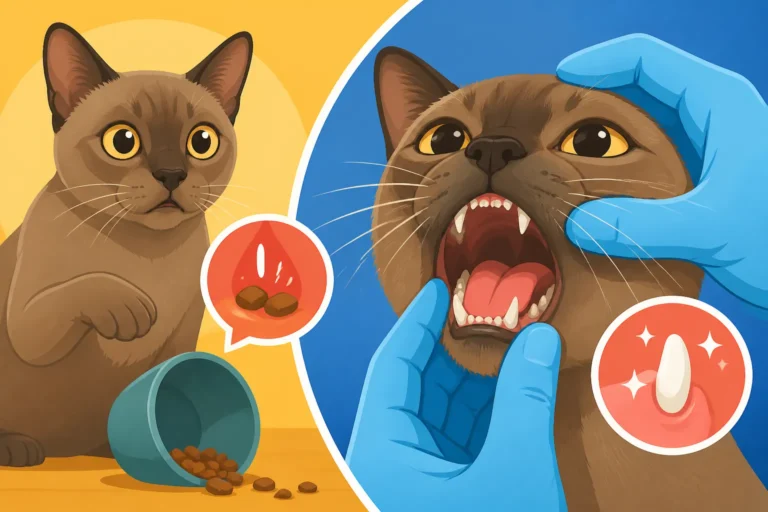
Burmese cats dropping food from their mouths during meals signal painful gingivitis or periodontal disease requiring an oral check.
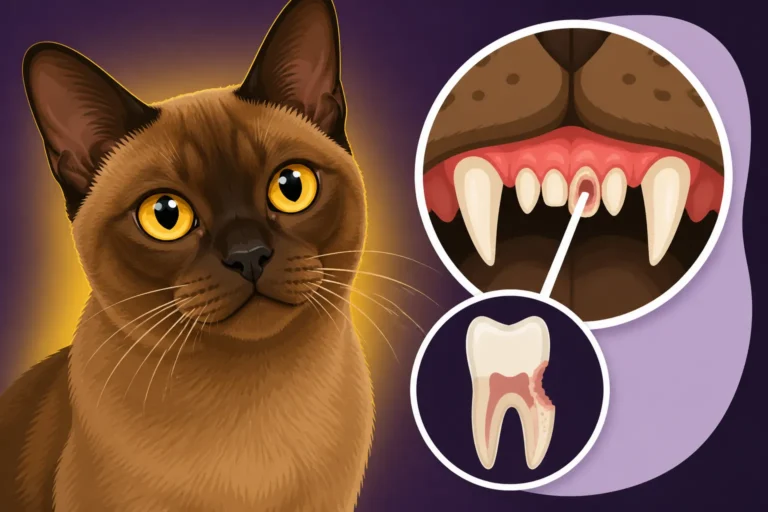
Tooth resorption in Burmese cats is a painful dental disease causing destructive lesions, requiring early signs recognition for treatment.
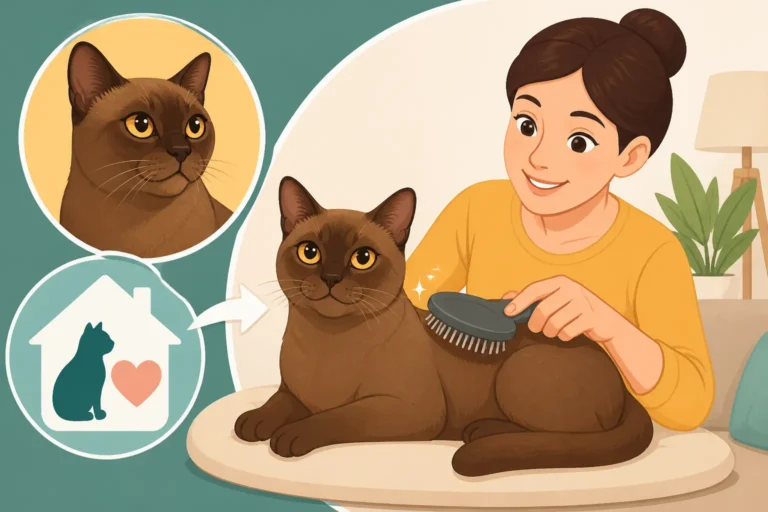
Burmese cat grooming at home involves understanding their unique satin-like coat, short hair, and minimal shedding to maintain proper health.
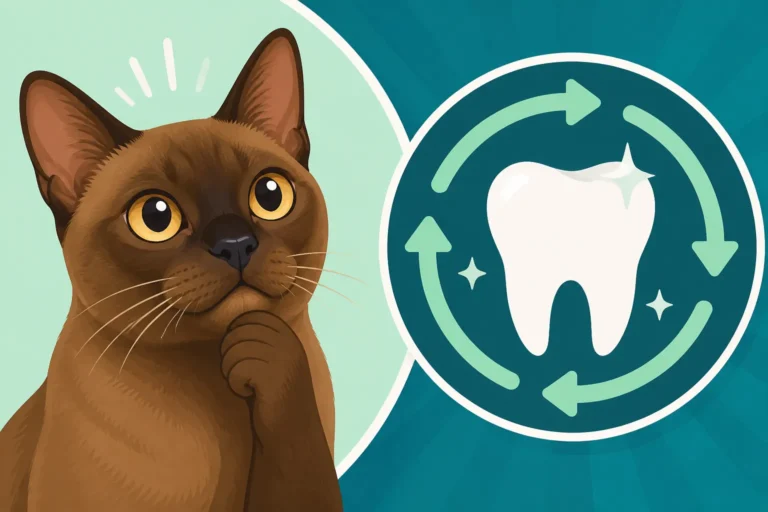
Burmese cats require specific dental care timelines and professional cleanings throughout their lives to prevent severe gum disease.
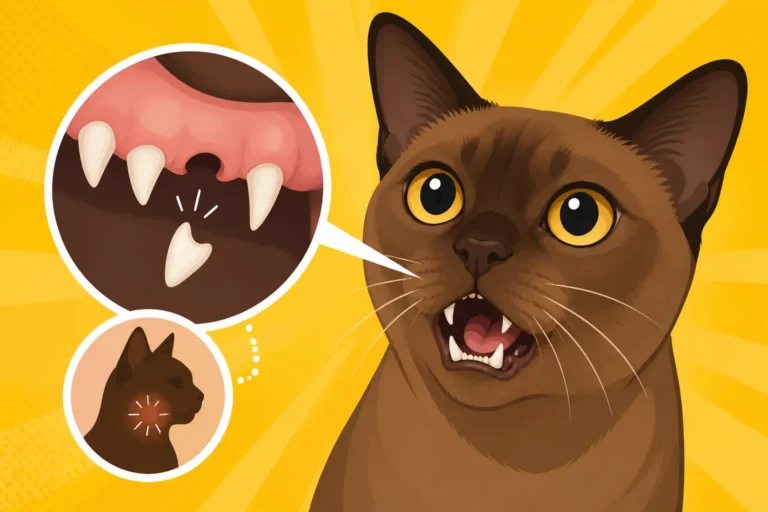
Senior Burmese cats lose teeth in their teens because of fifteen years of wear, weakened immunity, plaque, and periodontal disease.
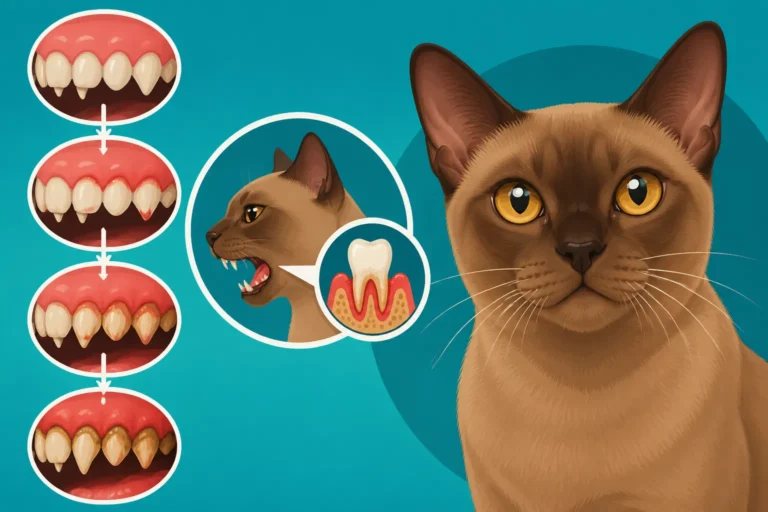
Burmese cat gum disease progression involves early gingivitis, plaque accumulation from crowded teeth, and diet impacts.
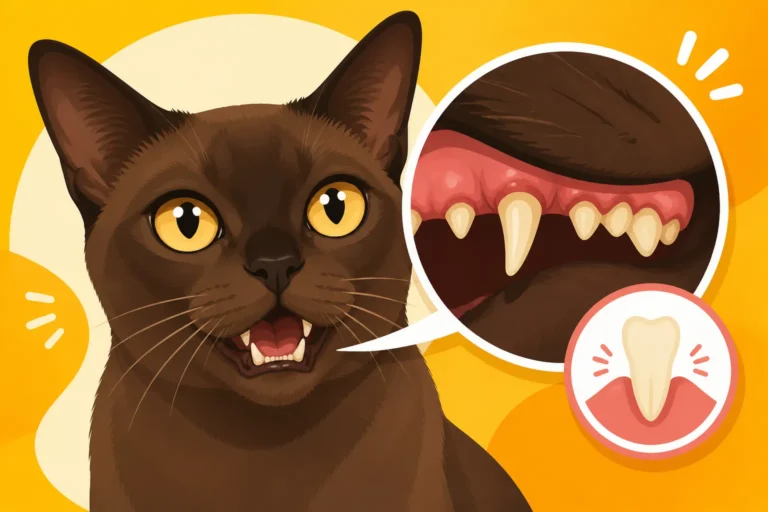
Burmese cat oral anatomy, brachycephalic tooth crowding, and genetic inflammation responses explain why their gums recede early.