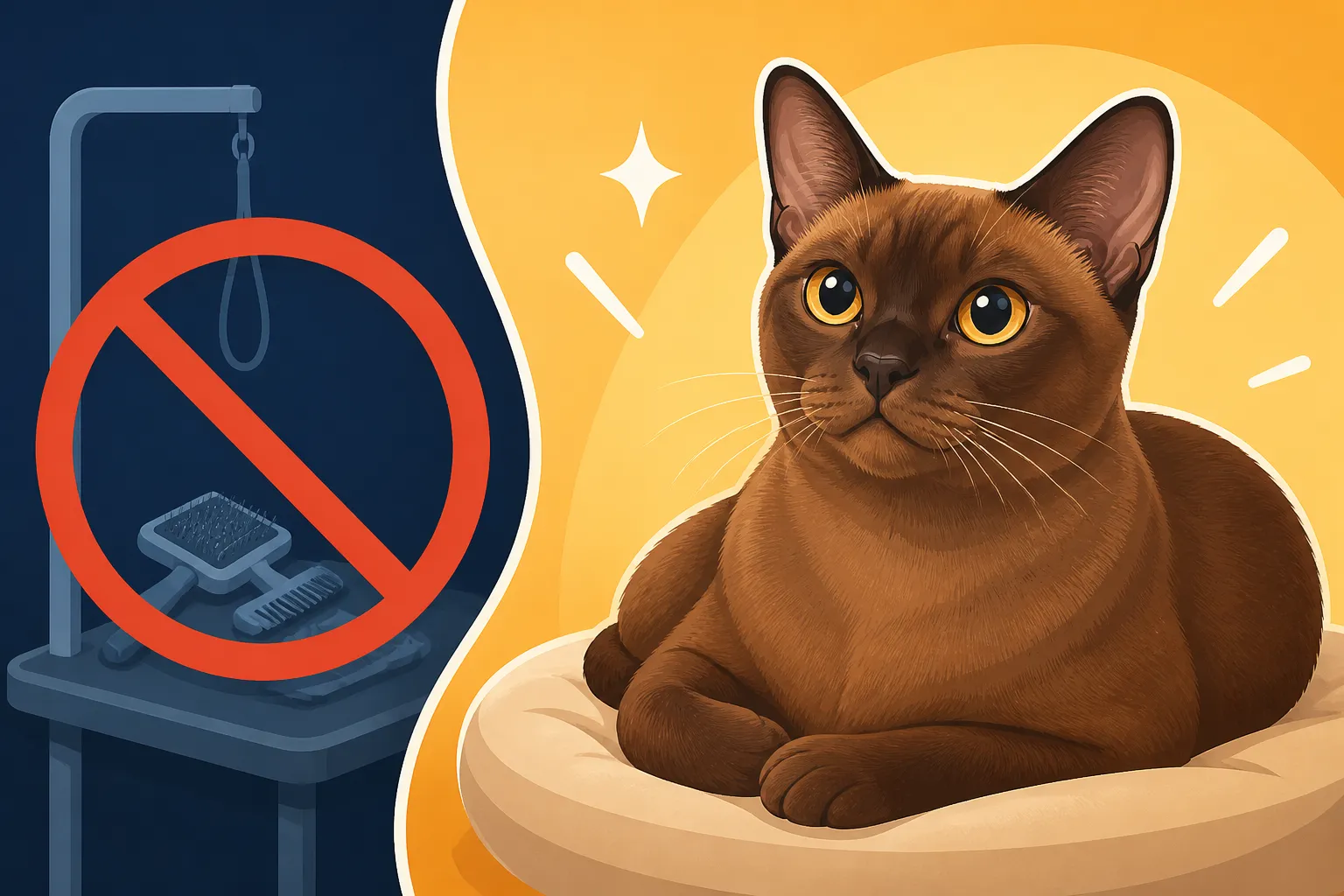
Why a Burmese’s Coat Never Sees a Grooming Table
It’s a common sight: a beautifully coiffed poodle, perhaps a regal Persian, perched calmly (or not so calmly!) on a grooming table, being clipped, brushed, and pampered by a professional. And if you've ever owned a long-haired cat, you know the struggle of mats, tangles, and the desperate need for a skilled hand. But if you've ever welcomed a Burmese into your home, you'll quickly discover that these wonderful felines exist in a completely different grooming universe. This guide is here to explain why your beloved Burmese cat will likely never need—or want—to see the inside of a professional grooming salon, saving you both stress and money.
The Unique Nature of the Burmese Coat
The Burmese coat isn't just short; it's satin. It’s one of the defining characteristics of the breed, and it’s precisely what makes professional grooming tables entirely superfluous for these cats. Understanding this unique texture and structure is key to appreciating why their grooming needs are so wonderfully minimal.
What Makes a Burmese Coat "Satin"?
When you first pet a Burmese, you'll immediately notice the difference. Their coat isn't fluffy or dense; it feels incredibly soft, fine, and sleek, like brushed silk or, indeed, satin. This isn't just a pleasant texture; it's a structural difference. The Burmese has virtually no undercoat, which is the dense, woolly layer that many other cat breeds possess to provide insulation. Without this thick undercoat, the outer guard hairs lie flat and close to the body, creating that signature smooth, short pile.
Imagine running your hand over a piece of high-quality silk – that’s the tactile experience of a Burmese coat. This lack of bulk means the hairs don't tangle or mat in the way a Persian's or even a domestic longhair's coat would. The natural oils from their skin distribute effortlessly across these short, flat-lying hairs, keeping the coat healthy and gleaming. It’s a marvel of natural design, built for sleekness rather than volume. If you want to delve deeper into this particular trait, you might find The Burmese Satin Coat Is the Shortest in the Cat Fancy interesting.
Minimal Shedding and Maintenance Needs
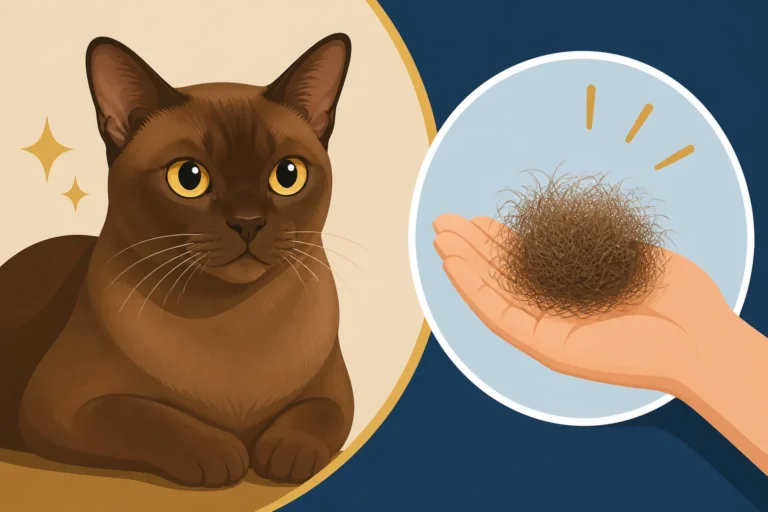
Because the Burmese lacks a substantial undercoat, their shedding is remarkably minimal compared to many other breeds. While no cat is truly non-shedding, a Burmese releases far fewer loose hairs into your environment. This is a huge bonus for owners, as it means less fur on furniture, clothes, and in the air. More importantly for grooming, it means there’s rarely a buildup of dead hair that needs to be brushed out to prevent matting.
Think about a German Shepherd or a Maine Coon during shedding season – the sheer volume of fur that comes off them requires significant brushing, often on a grooming table, to manage. Your Burmese, however, simply doesn't accumulate that kind of shedding burden. Their natural self-grooming is highly efficient for their coat type, and very little additional human intervention is needed. This minimal shedding contributes directly to why a dedicated grooming regimen, the kind you might see at a professional salon, is entirely unnecessary. If you're curious about just how little they shed, consider reading How Little a Satin Coated Burmese Sheds.
How the Coat Lies Flat
The way a Burmese's coat lies flat and close to their muscular body is a huge advantage in terms of low maintenance. Each hair is relatively short and straight, following the contours of their physique. This physical characteristic inherently resists tangling and knotting. There are no long wisps to catch on things, no dense sections to form felted mats, and no areas where the fur can become easily matted due to friction.
This close-lying coat also highlights their powerful, compact build, often described as a "brick wrapped in silk." The sleekness isn't just aesthetic; it's functional. When a Burmese rolls around, rubs against furniture, or grooms itself, its coat naturally sheds any loose hairs and stays smooth. This natural resilience against matting means there’s no need for the intense brushing, dematting tools, or even shaving that long-haired cats often require from professional groomers.
Why Traditional Grooming is Unnecessary (and Potentially Stressful)
Sending a cat to a grooming table implies a need for services like extensive brushing, dematting, clipping, or even lion cuts. For a Burmese, not only are these services completely redundant, but the experience itself could be quite distressing for such a companion-oriented breed.
The Absence of Matting and Tangles
This is the biggest reason why a grooming table is a no-go for a Burmese: they simply don't get mats or tangles. The primary purpose of professional grooming for many long-haired cats is to prevent or remove painful mats that can pull on their skin, cause discomfort, and even lead to skin infections. With their incredibly short, fine, and close-lying coat, a Burmese is practically immune to these issues.
Imagine trying to find a mat in a coat that feels like velvet – it's just not there. The hairs are too short and too smooth to weave together into the tight, painful knots that plague other breeds. So, any service designed to combat matting would be entirely superfluous. Paying for a professional to "demat" your Burmese would be like paying someone to untangle wires that were never tangled in the first place – a waste of money and a pointless exercise for the cat.
Skin Health and Natural Oil Distribution
A healthy coat is intrinsically linked to healthy skin. For a Burmese, their efficient self-grooming, combined with their short coat, ensures excellent skin health. Their tongues can easily reach every part of their body, distributing natural skin oils evenly. These oils are vital for keeping the coat lustrous and the skin moisturized, preventing dryness or irritation.
For long-haired breeds, sometimes mats can prevent air circulation to the skin or make it difficult for the cat to self-groom, leading to skin issues. The Burmese doesn’t face these challenges. Their coat allows for perfect air circulation, and their diligent self-grooming is more than sufficient to keep their skin and coat in top condition. Introducing harsh shampoos or tools from a professional groomer could actually strip these natural oils or irritate their delicate skin, doing more harm than good.
Stress of a Grooming Environment
Burmese cats are renowned for being incredibly social, affectionate, and people-oriented. They thrive on interaction and can be very sensitive to changes in routine or unfamiliar environments. Placing a Burmese on a cold, elevated grooming table, surrounded by unfamiliar people, strange noises (like clippers or dryers), and the smell of other animals, would likely be a highly stressful experience for them.
This isn't a breed that enjoys being "handled" by strangers for extended periods, especially when the handling is for a purpose they don't understand and doesn't involve the usual affectionate cuddles they crave. Their "Velcro cat" nature means they prefer to be close to their trusted humans. The foreign smells, the confinement, and the absence of their familiar family could cause significant anxiety. For a Burmese, an ideal grooming session is a gentle rub-down at home by their owner, which they perceive as a form of affection and attention. Why a Burmese Treats Grooming as Attention elaborates on their preference for human interaction over formal grooming.
What Your Burmese Does Need for Coat Care
While a grooming table is out, that doesn't mean your Burmese requires no coat care. It just means the care they need is simple, easily done at home, and often perceived by them as another form of loving attention.
The Simple Chamois or Grooming Glove
Forget fancy brushes, dematting combs, or electric clippers. The ultimate grooming tool for a Burmese is a soft chamois cloth or a grooming glove. A chamois, the kind you might use to polish your car, works wonders. When gently rubbed over their coat, it removes any loose hairs, distributes their natural oils, and brings out that incredible satin shine. It's a quick, easy process that takes mere minutes and often feels like a massage to your cat, making it a pleasant bonding experience.
A grooming glove, which fits over your hand and has soft rubber nubs, offers a similar experience. It mimics the feel of a petting hand while collecting loose fur. These tools are inexpensive and readily available on platforms like Chewy or Amazon. Make it a regular habit, perhaps once a week, and your Burmese will likely purr with delight, seeing it as extra fuss rather than a chore. This simple ritual is usually all that’s needed to keep their coat immaculate. If you're wondering about the best tools, you might find Why a Chamois Beats a Comb on a Burmese helpful.
Bathing: Only When Absolutely Necessary
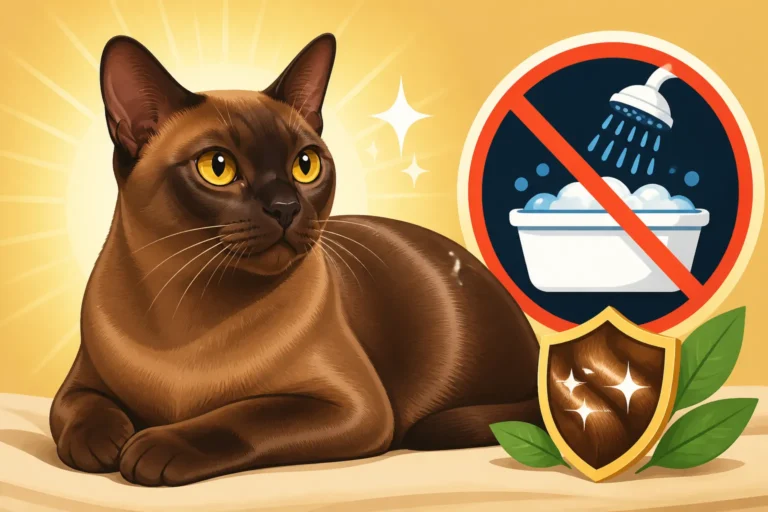
Most cats, including Burmese, are fastidious self-groomers and rarely need a bath. Their short, sleek coats are particularly good at staying clean. Baths should only be considered if your Burmese has genuinely gotten into something truly messy or toxic that they can't clean themselves, or if a vet advises it for a specific skin condition. Even then, it should be a quick, gentle process using a cat-safe shampoo designed not to strip their natural oils.
The idea of regular baths, as might be offered at a grooming salon, is completely unnecessary for a Burmese. Their coat dries quickly and doesn't trap dirt or odors easily. Over-bathing can actually dry out their skin and coat, leading to more problems than it solves. Stick to spot cleaning with a damp cloth if they get a little dirty, and reserve full baths for true emergencies. For further reading on this, check out The Only Times a Burmese Actually Needs a Bath.
Regular Health Checks, Not Grooming Sessions
The real "grooming" your Burmese needs is a vigilant eye on their overall health, as their coat often reflects their internal well-being. A dull, greasy, or flaky coat can be an indicator of underlying health issues, rather than a sign they need a professional groomer. If you notice changes in their coat, or excessive shedding, it’s a cue to check with your vet, not book a grooming appointment.
During your regular at-home petting sessions, which happen constantly with a Burmese, take the opportunity to quickly check their skin for any lumps, bumps, or parasites. Run your fingers over their body to feel for any changes in weight or condition. This proactive approach to health is far more valuable than any professional grooming service for a Burmese. It's also a good idea to keep an eye on their dental health; while not directly coat-related, issues like receding gums can impact their overall comfort and willingness to groom themselves. Why a Burmese's Gums Need Checking Monthly is a good resource for this.
Common Misconceptions and Burmese Breed Wisdom
The perception that all cats need similar grooming can lead to confusion. Understanding the Burmese's specific needs, and how they differ from other breeds, is important for providing them with the best care.
Comparing to Other Breeds
It's easy to assume that if one cat breed needs a certain type of care, all cats do. However, the Burmese is a prime example of why this isn't true. Think of a fluffy Persian, with its dense, long hair prone to matting, or a Ragdoll with its semi-long, silky coat. These breeds genuinely benefit from regular, thorough grooming, often on a table, to prevent painful knots and maintain their coat health.
The Burmese, with its sleek, short coat, sits at the opposite end of the spectrum. Their coat is designed for minimal upkeep, making them a fantastic choice for owners who appreciate a low-maintenance grooming routine. There's no need to compare their needs to a breed that requires daily brushing and professional intervention. Their unique physiology means their grooming requirements are simply different, not neglected.
Recognizing a Healthy Coat
A healthy Burmese coat should be incredibly shiny, smooth, and lie flat against their body. It should feel like satin to the touch and reflect light, giving them a lustrous appearance. This sheen is a hallmark of the breed and a sign of good health. A healthy Burmese will also naturally keep themselves impeccably clean; you'll rarely find them looking disheveled or dirty.
If you start to notice their coat becoming dull, greasy, or patchy, or if they seem to be losing hair excessively, it's not a grooming problem – it's a health concern. This could indicate dietary deficiencies, stress, parasites, or an underlying medical condition like diabetes. A change in coat condition should prompt a visit to the vet, not a groomer. Their diet, for example, plays a huge role in coat quality, and good nutrition can support overall health, including skin and coat. Observing your cat's water intake is also crucial, as changes can signal issues like diabetes, which might show up in coat quality. Why a Burmese's Water Intake Is a Diabetes Warning touches on this.
Understanding the "Velcro Cat" Persona
The Burmese is famously known as the "Velcro cat" because of their intense desire to be close to their human companions. They are incredibly affectionate, social, and demanding of attention. For a Burmese, "grooming" is often just another excuse for cuddles, petting, and interaction with their favorite people. They thrive on physical contact and will happily sit on your lap, shoulder, or even under the covers with you.
This social nature means they view the gentle strokes of a chamois or grooming glove not as a necessity for their coat, but as an extension of the affection they constantly seek. The idea of being separated from you and placed on a grooming table for a purely utilitarian purpose goes against their very nature. For a Burmese, the greatest form of care and enrichment is simply being with you, involved in your daily life, and receiving constant reassurance and interaction. They're still playing and interacting well into their senior years, so focusing on engaging them rather than intensive grooming is always the better approach. You can learn more about their playful nature by reading Why a Burmese Is Still Playing at Fifteen.
In conclusion, when it comes to your Burmese, you can happily put away thoughts of expensive grooming tables, intricate clipping, or stressful salon visits. Their unique, satin-like coat is a testament to natural efficiency, requiring minimal fuss and thriving on the simple joy of your affectionate touch.
Disclaimer
This article is for general informational purposes only and does not constitute professional advice. Laws, prices and regulations vary by location and change over time. Consult a qualified professional for guidance on your specific situation.