How Many Months a Burmese’s Weight Plan Runs
It’s a common scenario: you look at your beloved Burmese, that gorgeous "brick wrapped in silk," and realize they're perhaps a little too brick-like. Managing a Burmese cat's weight can feel like an uphill battle, especially when they're so incredibly charming and food-motivated, making it hard to say no. This guide will walk you through setting up a realistic and healthy weight loss plan for your Burmese, focusing on the duration you can expect, the steps involved, and how to maintain that svelte figure for a long, happy life.
Understanding the Burmese Predisposition to Weight Gain
Before we even talk about shedding pounds, it’s crucial to understand why Burmese cats seem to look at a treat and gain weight. It’s not just your imagination; this breed genuinely has a unique metabolism and body type that makes them particularly susceptible to packing on the kilos.
Why Burmese Are Prone to Being Overweight
Burmese cats are known for their incredibly muscular build. They might appear lean, but underneath that short, glossy satin coat is a surprisingly dense and heavy cat. This compact, muscular body can often mask early signs of weight gain, making it harder to spot when they're starting to get a little chunky. Many owners mistake a well-muscled Burmese for a slightly chubby one, or, conversely, don't realize their cat is overweight until it's quite advanced because the muscle mass disguises the fat.
What exacerbates this is their insatiable appetite and intelligence. A Burmese is often intensely food-motivated, learning quickly where food is stored, how to beg effectively, and even how to open cabinets or bags. This combination of a naturally dense body type and a keen drive for food means that without strict portion control, they can very easily become overweight. It's not just about vanity; it's about health, as weight gain dramatically impacts their long-term well-being.
The Link Between Weight and Diabetes in Burmese
This is where understanding your Burmese's unique health profile becomes absolutely critical. The Burmese breed, particularly certain lines, has a significantly higher genetic predisposition to developing Type 2 Diabetes Mellitus compared to other cat breeds. It's not just a slight increase; it's a pronounced risk. Being overweight or obese is one of the most significant environmental factors that can trigger this genetic predisposition into full-blown diabetes.
When your Burmese carries excess weight, their body's cells can become less responsive to insulin, a hormone vital for regulating blood sugar. This state, known as insulin resistance, forces the pancreas to work harder, eventually leading to its exhaustion and the onset of diabetes. For a Burmese, maintaining a healthy weight isn't just a recommendation; it's a primary medical intervention to prevent or manage this serious condition. Neglecting their weight is essentially rolling the dice with their diabetic future. You might find it helpful to read How Many Burmese Become Diabetic in a Lifetime to grasp the scale of this issue.
The Unique Body Type: "Brick Wrapped in Silk"
The affectionate moniker "brick wrapped in silk" perfectly describes the Burmese cat. They possess a solid, compact, and heavy body, surprising many who pick them up for the first time. Their bone structure is substantial, and their musculature is well-developed, contributing to their impressive weight relative to their size. However, this dense build means that a mere pound or two of excess fat can have a much more significant impact on their overall body condition and health than it might on a lankier breed.
It's not always obvious when a Burmese is gaining weight. Their short, sleek coat tends to lie flat, making subtle changes in body shape harder to detect. Instead of seeing rolls of fat, you might just notice a slightly rounder belly or a less defined waist. Learning to feel their ribs and spine is far more crucial than relying on visual cues. The goal is to feel the ribs easily beneath a thin layer of fat, not see them, but certainly not have to press hard to locate them. This is why tools like a body condition score chart are indispensable for Burmese owners.
Crafting a Sustainable Weight Loss Plan
Embarking on a weight loss journey for your Burmese needs to be a thoughtful, steady process. Crash diets or sudden drastic changes can be dangerous for cats, potentially leading to serious health issues like hepatic lipidosis. Sustainability is key, both for your cat’s health and your sanity as an owner.
Setting Realistic Goals and Consulting Your Vet
Before you change a single thing, schedule a visit with your veterinarian. They are your best partner in this endeavor. Your vet can accurately assess your cat’s current Body Condition Score (BCS), help determine their ideal weight, and rule out any underlying medical conditions that might be contributing to weight gain or could be exacerbated by a new diet. This initial consultation is vital for setting realistic and safe weight loss targets.
A healthy weight loss rate for a cat is typically 0.5% to 2% of their body weight per week. For a 10-pound Burmese, this means losing about 0.8 to 3.2 ounces per week. This might sound slow, but it's crucial for their metabolic health and to prevent conditions like fatty liver disease. Your vet can provide a precise calorie target based on your cat's ideal weight and activity level, giving you a concrete number to work with. Remember, this isn't a race; it's a marathon for your cat's long-term health.
Dietary Adjustments: Low Carb and Portion Control
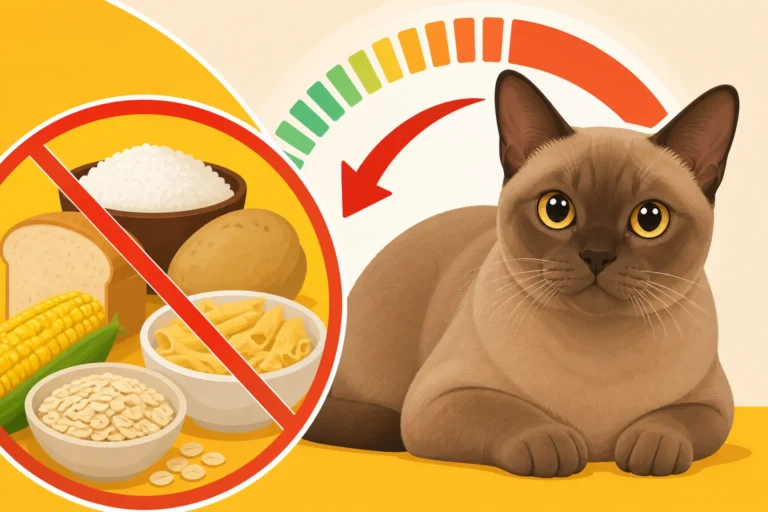
The cornerstone of any effective Burmese weight loss plan is diet. Given their diabetes predisposition, a low-carbohydrate, high-protein wet food diet is often the most recommended approach. Cats are obligate carnivores, meaning their bodies are designed to process protein and fat, not a lot of carbohydrates. Many commercial dry kibbles are surprisingly high in carbs, which can contribute to weight gain and insulin resistance.
Transitioning to a high-quality wet food with a carbohydrate content below 10% on a dry matter basis is ideal. Brands like Weruva, Tiki Cat, and even specific veterinary prescription diets found at places like Chewy, offer excellent low-carb options. Once you have your cat's calorie target from the vet, you MUST weigh their food precisely. Forget scoops! Invest in a small digital kitchen scale. Measure every gram of food, dividing the daily total into two to three meals. Why Portion Control Is Medical Care in a Burmese emphasizes just how important this is. Leaving food down for free-feeding is an absolute no-go for an overweight Burmese; it’s a recipe for continued weight gain and potential diabetes.
Increasing Activity and Enrichment
Diet alone isn't always enough, especially for a playful Burmese. While they might be content to snuggle, they also have a surprising amount of energy and a strong prey drive that can be harnessed for exercise. Incorporate at least two to three dedicated play sessions per day, each lasting 10-15 minutes. Interactive wand toys are fantastic for getting them to jump, chase, and burn calories. Laser pointers can work, but always end with a tangible toy or treat to prevent frustration.
Puzzle feeders are another excellent tool. Instead of just putting food in a bowl, make your cat "work" for a portion of their meal. This not only slows down their eating but also provides mental stimulation, which is crucial for such an intelligent breed. You can find a variety of puzzle feeders on Amazon that range in difficulty. Beyond structured play, simply engaging with your cat throughout the day, whether it’s a brief fetch session (yes, many Burmese will fetch!) or encouraging them to follow you from room to room, adds up. Remember, a Burmese loves company, and playing with them doubles as quality bonding time.
The Timeline: How Many Months to Expect
So, the big question: how long will this take? The answer isn't a simple number of months, as it depends on several factors. However, we can outline a realistic expectation for a safe and effective weight loss journey.
Factors Influencing Duration
The duration of your Burmese’s weight loss plan will largely hinge on these key elements:
- Starting Weight vs. Target Weight: Naturally, a cat that needs to lose 30% of its body weight will take longer than one needing to shed 10%. The greater the weight discrepancy, the longer the journey.
- Rate of Loss: As mentioned, a safe rate is 0.5% to 2% of body weight per week. This slow and steady approach is paramount for feline health. Faster loss can lead to serious health complications like hepatic lipidosis, where the liver becomes overwhelmed by fat. This is why How Slowly an Overweight Burmese Should Lose Weight is so important to understand.
- Owner Compliance: This is huge. Consistency in feeding measured portions, sticking to the low-carb diet, and engaging in regular play makes all the difference. Every cheat treat or extra scoop prolongs the process.
- Individual Metabolism: Just like people, some cats simply have a more efficient metabolism and might lose weight a little faster or slower than others, even with the same caloric intake. Your vet will monitor this and adjust if needed.
- Activity Level: A highly active Burmese will burn more calories than a sedentary one, potentially shortening the timeline, assuming diet is consistent.
Average Timelines for Safe Weight Loss
Given the safe rate of 0.5% to 2% weight loss per week, we can project some average timelines. For example:
- A Burmese needing to lose 1-2 pounds (approx. 10-15% of body weight): This could take anywhere from 3 to 6 months. It's a noticeable but manageable amount of weight for this sturdy breed.
- A Burmese needing to lose 3-5 pounds (approx. 20-35% of body weight): This is a more significant undertaking and could span 6 to 12 months, or even longer. This requires dedicated effort and consistent monitoring.
- A severely obese Burmese needing to lose 6+ pounds: This could easily be a year-long or even 18-month journey. Such a substantial weight loss needs very close veterinary supervision to ensure it's done safely.
It’s easy to get discouraged when the scale barely budges week after week, but patience is your greatest ally here. Celebrate the small victories and remember that every ounce lost is a step towards a healthier, longer life for your cherished companion.
Monitoring Progress and Long-Term Maintenance
The weight loss journey doesn't end when your Burmese reaches their target weight. In fact, that's just the beginning of the crucial maintenance phase. This stage is just as important, if not more so, than the weight loss itself.
Weekly Weigh-Ins and Body Condition Scoring
Consistent monitoring is non-negotiable. You should weigh your Burmese at home weekly, ideally at the same time of day, using a reliable digital pet scale or even a baby scale. How to Weigh a Burmese Accurately at Home provides excellent tips for this. Keep a log of their weight. This allows you to track progress, identify plateaus, and make adjustments as needed. If your cat isn't losing weight, it might mean a slight reduction in calories is necessary (always consult your vet first). If they're losing too fast, a small increase might be appropriate.
Beyond the scale, regularly assess their Body Condition Score (BCS). This involves feeling their ribs, spine, and waist. You should be able to feel their ribs without pressing hard, their waist should be visible from above, and their abdomen should tuck up slightly when viewed from the side. This tactile assessment provides a more holistic view than just the number on the scale, especially with a muscular breed like the Burmese.
Adjusting to Maintenance and Preventing Relapse
Once your Burmese reaches their ideal weight, the caloric intake will typically increase slightly to maintain that weight, rather than continuing to lose. Your vet will help you calculate this new maintenance calorie level. The dietary principles, however, remain the same: continue with a low-carbohydrate, high-protein wet food diet. This is critical for preventing weight regain and managing their diabetes risk.
Preventing relapse requires ongoing vigilance. Burmese cats remain intensely food-motivated, so the temptation to overfeed or offer extra treats will always be there. Stick to the measured portions. If you use treats for training or enrichment, ensure they are low-calorie and accounted for within their daily caloric budget. Consider healthy alternatives like small pieces of cooked chicken or tuna (in water, no salt). Regularly reassess their BCS and continue weekly or bi-weekly weigh-ins to catch any creeping weight gain early. Remember, for a Burmese, Why Weight Is the Only Lever a Burmese Owner Has when it comes to managing their health.
Potential Challenges and Overcoming Them
Even with the best intentions, you might encounter bumps in the road during your Burmese’s weight loss journey. Knowing what to expect can help you navigate these challenges effectively.
Plateaus and the Stubborn Burmese Appetite
It's common for cats to hit a weight loss plateau where the scale seems stuck for a few weeks, even if you're doing everything right. This can be incredibly frustrating. When this happens, it's not a sign to give up, but rather a cue to revisit your strategy with your vet. They might suggest a slight further reduction in calories, a different type of play, or ensuring there are no hidden calorie sources (like stealing food from other pets or finding forgotten crumbs).
The Burmese's relentless appetite is a known trait. They will beg, they will follow you, and they will try to convince you they are starving. This requires a strong will on your part. Ignore the plaintive meows (or rather, rasps!) and the adorable pleading eyes. Consistency is key. Make sure all family members are on board with the plan, so no one is secretly slipping extra food. Consider using timed feeders for their measured meals, which can help regulate expectations for your cat and enforce your feeding schedule.
Multi-Cat Households and Sneaky Eaters
If you have multiple cats, especially if only one needs to lose weight, managing food can be a significant challenge. A food-motivated Burmese will happily eat everyone else's portion given the chance. The solution often involves supervised feeding or microchip feeders.
With supervised feeding, you feed each cat in a separate room or location, and then pick up all bowls as soon as they're done eating. This ensures everyone eats only their own food. Microchip feeders, like those available on Chewy or Amazon, are a fantastic investment for multi-cat homes. These feeders only open for the specific cat whose microchip is programmed into them, allowing you to feed different diets to different cats safely and preventing your Burmese from raiding other bowls. This technology removes a lot of the stress and vigilance required in a multi-cat household. For more on keeping your Burmese healthy, explore Why a Burmese's Food Bill Is a Health Decision.
Disclaimer
This article is for general informational purposes only and does not constitute professional advice. Laws, prices and regulations vary by location and change over time. Consult a qualified professional for guidance on your specific situation.