What Sixteen Years of Burmese Care Involves
Bringing a beautiful Burmese cat into your home is an incredible joy, but it's also a commitment that often spans well over a decade. Many first-time Burmese owners are surprised by the sheer depth and consistency of care these wonderful cats require, especially as they age, fearing they might miss crucial signs or fall short of providing the best life. This comprehensive guide will walk you through the journey of caring for your Burmese over their remarkable sixteen-year lifespan, covering everything from kittenhood to their golden senior years.
The Foundation Years: Kitten to Young Adult (0-2 Years)
Those first couple of years with a Burmese kitten are a whirlwind of affection, play, and foundational care that sets the stage for a long, healthy life. This isn't just about cute antics; it's about establishing habits and routines that will literally add years to their life and significantly improve its quality.
Establishing Lifelong Nutritional Habits
From the moment your little Burmese bundle arrives, diet is not just about keeping them fed; it's a medical decision, and honestly, it's one of the most impactful choices you'll make for their long-term health. Burmese cats have a unique predisposition to certain health challenges, most notably diabetes, which makes what and how they eat critically important. Forget the casual scoop-and-fill approach; this breed thrives on precision.
We're talking about controlled portions of high-quality, low-carbohydrate wet food, measured meticulously on a kitchen scale. This isn't just for weight management, although that's huge, but also for blood sugar regulation. Why Portion Control Is Medical Care in a Burmese really dives into the science behind this. Free feeding, where a bowl of kibble is left out all day, is a huge no-no for a Burmese. It can lead to overeating, weight gain, and spike their risk of developing diabetes dramatically. Think of it as preventing rather than treating. You can find excellent quality low-carb wet food options on platforms like Chewy, making it easier to stick to this regimen.
Grooming and Early Health Checks
Despite their stunning satin coats, Burmese cats are surprisingly low-maintenance in the grooming department. You won't be spending hours with brushes and combs. Their short, sleek fur has very little undercoat, which means shedding is minimal, and matting is almost unheard of.
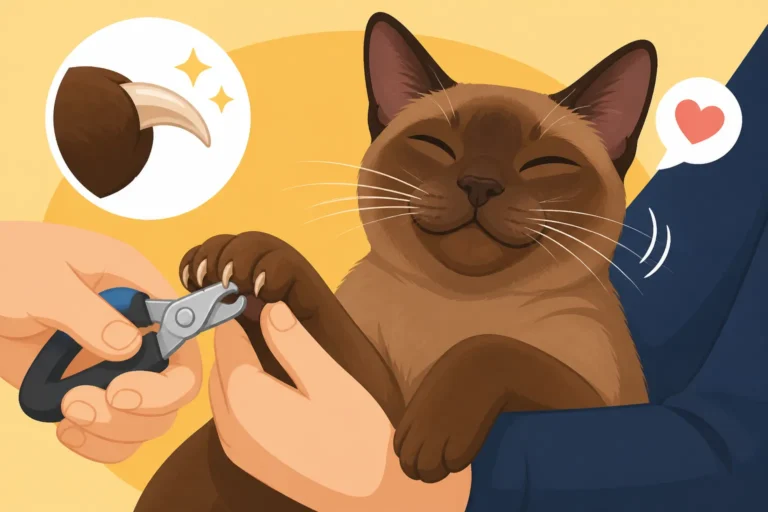
However, "low-maintenance" doesn't mean "no maintenance." Regular, gentle wiping with a chamois cloth or a soft grooming glove isn't just about making their coat shine; it's a bonding opportunity and a chance to check their skin for any lumps, bumps, or irritations. More importantly, those early years are the perfect time to get them accustomed to vital health routines like teeth brushing. Brushing a Burmese's Teeth From Twelve Weeks discusses how to make this a positive experience from day one. Burmese are prone to gum disease as they age, so establishing this habit early can save you a lot of heartache and vet bills down the line. Regular nail trims and ear checks also become part of this routine, which a well-socialized Burmese will happily tolerate, often purring through the whole process.
The Prime Years: Adult Life (2-10 Years)
Once your Burmese cat hits their stride as a young adult and matures into their prime years, the focus shifts to maintaining that vibrant health and joyful personality. These are often their most active and robust years, but it's also when underlying predispositions can start to show if not managed proactively.
Sustaining Optimal Weight and Diet
The caloric needs of an adult Burmese change, but the core principle of controlled, low-carbohydrate feeding remains paramount. As they age, their metabolism might slow slightly, making consistent weight monitoring essential. This means weighing them regularly at home – once a month is ideal – and adjusting their food portions as needed. How to Weigh a Burmese Accurately at Home provides practical tips for this. A Burmese can pack on weight deceptively easily because of their dense, muscular build, making them appear "stocky" rather than truly overweight, but even a few extra pounds significantly increase their health risks.
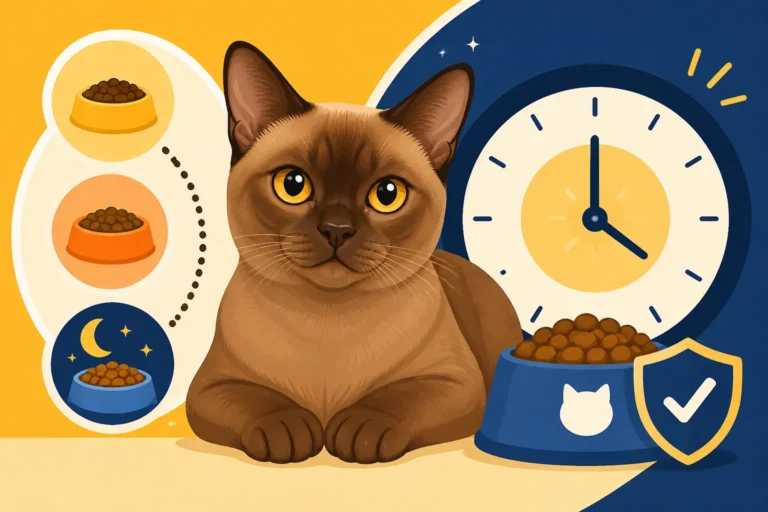
Many owners opt for high-quality cat foods with carefully balanced nutrient profiles that are naturally lower in carbohydrates. This can be a game-changer for managing their long-term health. Remember, Why a Burmese Should Never Be Free Fed is a principle that applies throughout their life, not just in kittenhood. Sticking to scheduled meals, twice a day, also helps regulate their digestive system and gives you predictable times to observe their appetite, which is an important indicator of overall well-being.
Routine Health Monitoring and Dental Care
Even if your Burmese seems perfectly healthy, consistent veterinary check-ups during their prime years are non-negotiable. These aren't just for vaccinations; they're an opportunity for your vet to perform a thorough physical exam, listen to their heart, check their joints, and perhaps recommend routine blood work as they approach middle age. Which Diseases the Burmese Actually Carries highlights why these checks are so important.
Dental care, too, moves from prevention to ongoing maintenance. Even with home brushing, many Burmese will eventually need professional dental cleanings under anesthesia due to their genetic predisposition to gum disease. Your vet will advise on the frequency, but factoring this into your annual budget is wise. Catching dental issues early can prevent painful extractions and more serious systemic infections. Keep an eye out for bad breath, reluctance to eat hard foods, or pawing at their mouth – these are all signs to get their teeth checked immediately.
The Golden Years: Senior Care (10+ Years)
As your Burmese crosses the decade mark, they enter their senior years, a phase characterized by graceful aging and a deepening of their famously affectionate nature. While they might still be incredibly playful – A Burmese Is Still Playing at Fifteen isn't an exaggeration – their bodies will begin to experience changes that require more attentive and specialized care.
Adapting Diet and Supporting Mobility
An older Burmese might experience changes in appetite or a slowing metabolism. While some senior cats might need fewer calories, others might need a diet that's easier to digest or higher in specific nutrients to support aging organs. Your vet is your best partner in navigating these dietary adjustments. Continuing with high-quality wet food is often even more crucial now, especially if they start to lose teeth or have receding gums, a common issue in the breed.
Joint supplements can be incredibly beneficial, even if you don't see overt signs of arthritis yet. Proactive support can help maintain their comfort and mobility for longer. Think about their environment too; ramps to their favorite sleeping spots or a heated bed (easily found on Amazon) can make a huge difference in their comfort, especially since Why a Burmese Seeks Out the Warmest Spot is a known trait. They still love to climb and explore, so supporting their ability to do so safely is key.
Vigilant Health Monitoring and Comfort
The senior years demand heightened vigilance. Regular vet visits, at least annually, and often every six months, become essential for early detection of age-related conditions like kidney disease, hyperthyroidism, and diabetes. Caring for a Burmese Past Twelve delves deeper into these specific challenges. Subtle changes in behavior, litter box habits, or water intake can be early indicators of a health issue. Remember, Burmese are masters at hiding illness behind their charming, affectionate demeanor, so Why a Burmese Hides Illness Behind Its Affection means you need to be extra observant.
Providing comfort and emotional support is paramount. A senior Burmese still craves companionship and will want to be near you. Ensure they have soft, warm places to rest, and continue to engage them in gentle play sessions. Keep an eye on their weight and muscle mass, as unexplained weight loss can be a red flag. Open communication with your vet and a proactive approach to their changing needs will ensure their golden years are as comfortable and joyful as possible. This long-term commitment is truly rewarding, allowing you to cherish every moment with your beloved feline companion.
Long-Term Financial Planning and Unexpected Costs
Caring for a Burmese for sixteen years isn't just a time commitment; it's a financial one, and being realistic about the costs involved is crucial. Many owners are blindsided by the cumulative expenses of a long-lived pedigree cat. What a Burmese Costs Over Sixteen Years is a sobering but necessary read, illustrating just how much a lifetime of premium care can add up.
Budgeting for Routine and Preventative Care
From their first vaccinations and spay/neuter surgery in kittenhood to their increasingly frequent senior check-ups, routine veterinary care forms the backbone of your budget. This includes annual exams, parasite prevention, and dental cleanings. Because of their diabetes predisposition, a yearly glucose check becomes standard practice as they age. High-quality, low-carbohydrate food, which is often more expensive than generic kibble, will be a constant line item. Grooming supplies like chamois cloths or specific nail clippers (often purchased on Amazon) are minor but ongoing. Don't forget toys and enrichment items to keep their active minds engaged, which can also be a recurring expense.
Beyond the basics, many Burmese owners wisely budget for pet insurance, especially considering the breed's genetic predispositions. While insurance may not cover pre-existing conditions if taken out later, a policy started when they are young and healthy can provide immense peace of mind should a chronic condition like diabetes or hypokalemia arise.
Preparing for Age-Related and Emergency Expenses
It's almost inevitable that over sixteen years, your Burmese will encounter health challenges that require more than routine care. Age-related conditions such as kidney disease, hyperthyroidism, or arthritis often require ongoing medication, specialized diets, or frequent monitoring. If your Burmese does develop diabetes, the cost of insulin, syringes, and potentially a home glucose monitor can add up quickly.
Emergency care, too, can happen at any age, whether it's an accidental injury, a sudden illness, or an acute episode of a genetic condition like hypokalemia. Having an emergency fund or a robust pet insurance plan can make these stressful situations much more manageable. The emotional toll of a sick pet is heavy enough without the added burden of financial worry. Investing in preventative care and planning for potential future costs allows you to make decisions based on what's best for your beloved companion, ensuring they receive the best possible care throughout their long and cherished life.
| Life Stage | Key Care Focus | Dietary Needs (General) | Grooming & Hygiene | Health Monitoring (General) |
|---|---|---|---|---|
| Kitten (0-1 yr) | Socialization, training, foundational habits | High protein, controlled portions, low carb | Nail trims, teeth brushing intro, coat wipes | First vaccines, spay/neuter, baseline check-ups |
| Young Adult (1-6 yrs) | Maintain activity, prevent weight gain | Continued low carb, precise portions, consistent schedule | Regular teeth brushing, coat wipes, nail trims | Annual vet visits, dental check-ups, weight monitoring |
| Mature Adult (7-10 yrs) | Early detection, dental health, joint support | Stable low carb, slight calorie adjustment if metabolism slows | Consistent dental care, coat wipes, nail trims | Annual/biannual vet visits, blood work (glucose, thyroid), dental cleanings |
| Senior (10+ yrs) | Comfort, mobility, tailored health management | Easily digestible, supportive of aging organs, low carb | Increased dental focus, gentle coat care, ear checks | Biannual vet visits, extensive blood panels, joint checks, kidney/thyroid monitoring |
Disclaimer
This article is for general informational purposes only and does not constitute professional advice. Laws, prices and regulations vary by location and change over time. Consult a qualified professional for guidance on your specific situation.