CFA Suspended the Burmese in 1947 and Took It Back
It’s often a shock to learn that one of the most beloved and oldest cat breeds in America, the Burmese, faced a period of official rejection from the Cat Fanciers’ Association (CFA) not long after its initial recognition. The period between 1947 and 1956 was a tumultuous time for Burmese enthusiasts and breeders, who had to navigate strict new rules to prove the purity and integrity of their cherished cats. This guide will walk you through the fascinating and sometimes challenging journey of the Burmese breed, explaining why the CFA decided to suspend its registration, what monumental efforts were made to bring it back, and the lasting legacy of those pivotal years on the breed we know and love today.
The Genesis of a Breed: Wong Mau and Dr. Thompson’s Vision
Every breed has a beginning, a foundational story that lays the groundwork for its future. For the Burmese, this story begins with a remarkable cat named Wong Mau and the discerning eye of a naval doctor, Joseph C. Thompson, who recognized something truly unique in her. Understanding this origin is crucial to grasping why the breed later faced such a significant challenge from the Cat Fanciers’ Association.
The Arrival of Wong Mau and Her Unique Appearance
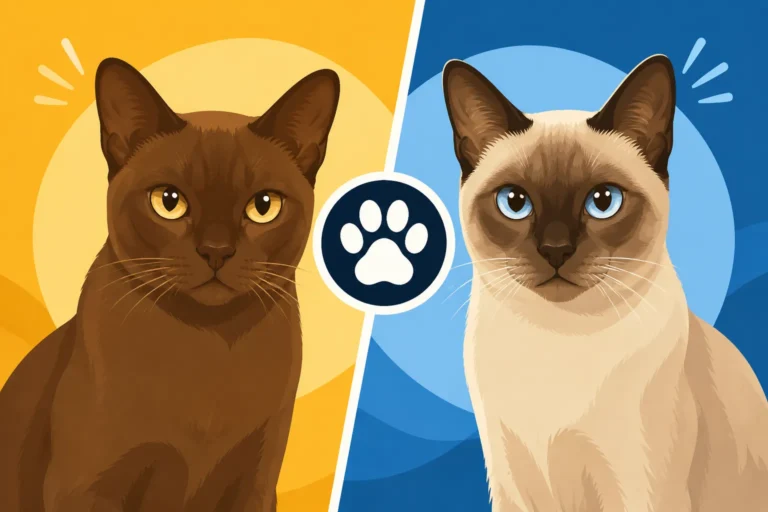
In 1930, Dr. Thompson brought a small, dark brown cat from Burma to San Francisco. This cat, Wong Mau, was distinct from the Siamese cats that were already popular. She was a beautiful, compact feline with a rich, warm brown coat and captivating golden eyes. While she shared some traits with the Siamese, like a short coat and an affectionate nature, her overall appearance and deeper, less pointed coloration suggested a novel genetic makeup. Dr. Thompson, a keen cat enthusiast and a geneticist by inclination, immediately recognized that Wong Mau wasn't just another Siamese variant. He saw the potential for an entirely new breed. Her presence sparked a fascination that would lead to decades of dedicated breeding efforts. She was not just a pet; she was the living blueprint for what would become the Burmese cat. It's truly incredible to think that all Burmese cats today trace their lineage back to this single, trailblazing feline.
The Early Breeding Program and the Siamese Connection
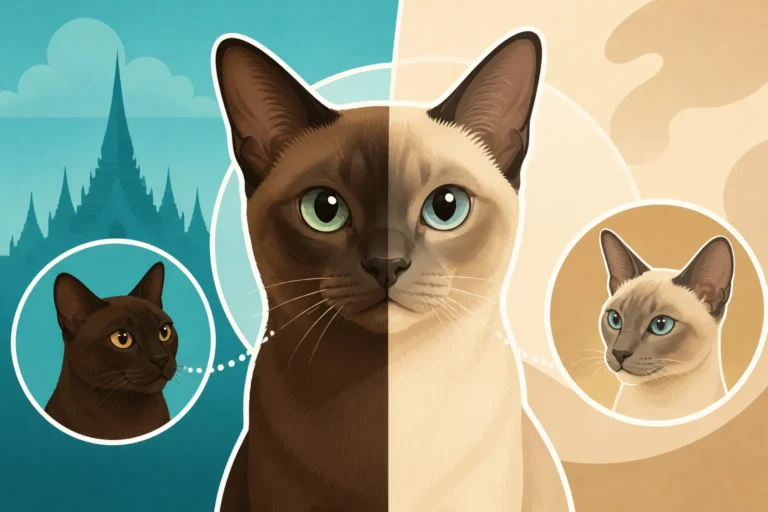
To understand Wong Mau’s unique genetic contribution, Dr. Thompson, with the help of fellow geneticists and breeders, embarked on a careful breeding program. The most logical first step was to breed Wong Mau to a Siamese cat. Why a Siamese? Because at the time, Siamese were the closest genetic relatives with similar body types and short coats. This mating was a scientific experiment to uncover the hidden genes within Wong Mau. The first litter born from this pairing was incredibly telling: it produced three distinct types of kittens. Some looked like traditional Siamese with clear points, some looked exactly like Wong Mau with her solid brown body, and critically, some were an intermediate color, a lighter brown with slightly darker points, which would later be known as the Tonkinese type. Why the First Burmese Was Bred to a Siamese This immediate genetic diversity confirmed Dr. Thompson’s hypothesis: Wong Mau was not a pure Siamese, nor was she a simple variant. She carried a unique gene that, when combined with the Siamese gene, produced the distinctive Burmese color pattern and laid the foundation for not just the Burmese, but also the Tonkinese.
This early breeding work, meticulously documented, was groundbreaking in the fledgling world of cat genetics. Dr. Thompson’s observations detailed how the combination of Wong Mau's 'Burmese' gene (cb) and the Siamese gene (cs) created the spectrum of colors seen in these initial litters. This careful, almost scientific approach to establishing the breed was paramount. It demonstrated a clear understanding of inheritance patterns, a rarity in the early 20th-century cat fancy. The aim was always to isolate and propagate the unique characteristics of Wong Mau, leading to a consistent and recognizable breed. The fact that the Burmese was one of the first breeds to be systematically studied by geneticists speaks volumes about its significance.
The Looming Problem: Siamese Influence and Breed Dilution
While Dr. Thompson's early experiments were crucial for understanding the Burmese genetic makeup, they also sowed the seeds for a future crisis. The very method used to establish the breed – outcrossing to Siamese – became the root cause of its temporary downfall with the CFA. The initial recognition of the Burmese breed, and the enthusiasm surrounding it, quickly led to challenges that tested the integrity of its bloodlines.
The "Sable Siamese" Confusion and Breeder Practices
Once CFA recognized the Burmese in 1936, the breed gained popularity, but a significant problem emerged. Many breeders, perhaps driven by commercial interest or a misunderstanding of genetics, began breeding Burmese back to Siamese cats, or worse, breeding cats that were merely "sable Siamese" and passing them off as purebred Burmese. The distinctive deep brown coat of the Burmese, often called "sable," was sometimes seen as just a darker version of a Siamese, especially to an untrained eye. This led to a dilution of the Burmese gene pool. Instead of carefully selecting for the unique Burmese traits that Dr. Thompson had identified, some breeders inadvertently (or intentionally) re-introduced strong Siamese characteristics, such as much lighter body color, more pronounced points, and the longer, more angular head shape that was typical of the Siamese.
This practice created a generation of cats that blurred the lines between the two breeds. A potential buyer might acquire a cat labeled "Burmese" but exhibiting clear Siamese traits, leading to confusion and inconsistency within the recognized breed standard. It was a classic case of rapid expansion outstripping careful breeding practices. Breeders were facing intense demand for these new, exotic-looking cats, and perhaps not all adhered to the rigorous standards necessary to maintain the distinctiveness of the Burmese. This lack of clear differentiation was a major concern for a registry focused on breed purity.
Inconsistent Type and the Loss of Distinctiveness
The result of these unchecked breeding practices was a noticeable inconsistency in the appearance of cats registered as Burmese. If you looked at a show hall full of "Burmese" cats during this period, you might see a wide range of types: some truly embodied Wong Mau's sturdy, compact body and short, rounded head, while others were noticeably more slender, with longer muzzles and larger ears, leaning heavily towards the Siamese type. This wasn't just an aesthetic issue; it was a fundamental challenge to the very definition of the Burmese breed. The whole point of establishing a new breed is to create a consistent, predictable set of characteristics that distinguish it from others. When those characteristics become muddled, the breed itself is at risk.
The CFA's role is to maintain breed standards and ensure the purity of pedigrees. When they observed this widespread inconsistency, it signaled a serious breach of breeding ethics and the potential for the Burmese breed to lose its unique identity entirely, essentially becoming a "muddy" or hybrid version of the Siamese. This situation created immense frustration for dedicated breeders who were meticulously working to uphold the original vision for the Burmese. It simply became impossible to guarantee that a cat registered as Burmese truly represented the distinct breed.
CFA's Drastic Action: The Suspension of 1947
The Cat Fanciers’ Association, the largest registry of pedigreed cats in the world, had a responsibility to uphold the integrity of the breeds it recognized. Faced with the growing inconsistencies in the Burmese breed, and the pervasive issue of "Sable Siamese" being registered, the organization took a severe but necessary step: the suspension of Burmese registration in 1947. This was not a decision made lightly, but one born out of a genuine concern for the future of the breed.
The Official Announcement and Its Immediate Impact
The CFA's announcement in 1947 was a bombshell for Burmese breeders. It effectively halted the registration of any new Burmese cats, preventing them from being shown or having their offspring registered as purebred. Imagine investing years, resources, and passion into developing a breed, only to have its official recognition stripped away. This move immediately devalued existing Burmese pedigrees that might have questionable ancestry and put immense pressure on breeders to re-evaluate their stock and practices. For new enthusiasts, it created uncertainty and made it difficult to enter the world of Burmese ownership, as the official sanction was gone.
Breeders who had been meticulously working to maintain the Burmese standard were caught in the crossfire, their legitimate efforts overshadowed by the broader problem. The suspension sent a clear message: the CFA would not compromise on breed purity. It was a stark wake-up call, emphasizing that the cat fancy operates on trust and verifiable lineage. Without this action, the Burmese breed risked dissolving into a generic brown Siamese type, losing the very traits that made Wong Mau so special in the first place.
Why CFA Objected to Burmese Pedigrees
The core of CFA's objection was the lack of verifiable, "pure" Burmese lineage. The rampant outcrossing to Siamese meant that many cats registered as Burmese did not meet the genetic and phenotypic criteria established for the breed. The pedigrees often showed recent Siamese ancestors, making it impossible to guarantee that a registered Burmese was truly distinct. What CFA Objected To in Burmese Pedigrees in 1947 This wasn't about punishing breeders; it was about protecting the breed itself from genetic dilution and ensuring that when someone acquired a cat labeled "Burmese," they were indeed getting a true Burmese.
The concern was that the breed was becoming a "hybrid in perpetuity," where the distinctive Burmese characteristics were continually being diluted by the more dominant Siamese traits. The CFA essentially told breeders: "You need to prove to us that your Burmese cats are consistently breeding true to type, without the constant reintroduction of Siamese blood." This meant a rigorous re-evaluation of all breeding stock and a commitment to strict breeding practices that would stabilize the breed's genetic identity. The suspension was a radical intervention, but one deemed necessary to preserve the unique genetic heritage of the Burmese cat.
The Path to Reinstatement: The "Three Generations Pure" Rule
The suspension of Burmese registration by the CFA was a pivotal moment, forcing breeders to confront the integrity of their lines. Rather than abandoning the breed, dedicated Burmese fanciers rallied, determined to prove the purity and distinctiveness of their beloved cats. Their commitment led to the establishment of a rigorous new standard for re-recognition: the "three generations pure" rule.
Establishing the "Three Generations Pure" Standard
For the Burmese to be reinstated, the CFA introduced a demanding requirement: any cat presented for registration had to show three consecutive generations of pure Burmese ancestry on both sides of its pedigree. This meant that not only the cat itself, but its parents, grandparents, and great-grandparents, all had to be verifiable Burmese, with no Siamese or other outcrosses in those three generations. This was a monumental task for breeders. It meant meticulously tracing back lineages, verifying historical records, and, in some cases, waiting for new generations to be born and mature before they could even consider applying for registration. The goal was unambiguous: eliminate any lingering Siamese influence and demonstrate that the Burmese could consistently reproduce its unique characteristics without external intervention.
This rule essentially put the burden of proof squarely on the breeders. It was a rigorous genetic audit that demanded precision and patience. For many, it involved culling lines that didn't meet the stringent new criteria, even if the cats were otherwise lovely companions. It was a tough, but ultimately necessary, measure to safeguard the long-term genetic health and phenotypic consistency of the breed. Breeders worked tirelessly, focusing on careful selection and breeding strategies that prioritized genetic purity above all else. What CFA Required Before Reinstating the Burmese
The Dedicated Breeders Who Saved the Burmese
The period following the suspension was characterized by the unwavering dedication of a core group of breeders. They didn't just meet the "three generations pure" standard; they championed it, understanding its importance for the breed's future. These individuals became true guardians of the Burmese, meticulously documenting every mating, every birth, and every pedigree. They prioritized type and consistency, choosing breeding pairs that exemplified the ideal Burmese — compact body, rounded head, large expressive eyes, and that distinctive sable brown coat. Imagine the challenge of this work in an era before widespread DNA testing, relying solely on visual inspection and careful record-keeping. It was a true labor of love and scientific discipline.
These breeders formed a tight-knit community, sharing knowledge and bloodlines to strengthen the breed. They understood that their individual efforts contributed to a collective goal. They patiently nurtured their lines, sometimes breeding multiple generations before a single kitten qualified for registration under the new rules. Their commitment during this challenging time ensured that the Burmese didn't fade into obscurity but emerged stronger and with a clearer identity. Without their steadfast work, the Burmese as we know it today might not exist, a testament to the power of dedicated fanciers. They were truly the unsung heroes of the breed's survival.
Reinstatement and Recovery: The Burmese Returns to CFA
After nearly a decade of dedicated work by breeders, the Burmese breed finally met the stringent criteria set forth by the Cat Fanciers’ Association. The "three generations pure" rule had proven its worth, demonstrating that the Burmese could consistently reproduce true to type, free from the pervasive Siamese influence that had led to its suspension. This hard-won achievement marked a triumphant return for the breed.
The Official Reinstatement in 1956
The year 1956 was a landmark for the Burmese. The CFA, satisfied with the consistent quality and verifiable pure pedigrees of the cats being produced, officially reinstated the breed for championship status. This was not just a bureaucratic formality; it was a profound vindication for the breeders who had poured their hearts and souls into preserving the Burmese. It meant that registered Burmese cats could once again compete in CFA shows, earning titles and showcasing the breed’s unique beauty and temperament. More importantly, it reaffirmed the breed's distinct genetic identity and secured its place within the pantheon of recognized pedigreed cats.
This reinstatement meant stability and legitimacy for the breed. Suddenly, a new generation of Burmese enthusiasts could confidently enter the world of breeding and showing, knowing that their efforts were supported by the leading cat registry. The period of uncertainty was over, replaced by a renewed sense of purpose and a clear path forward. When the Burmese Was Registered Again The reinstatement was a cause for celebration, marking the culmination of years of tireless effort and a testament to the resilience of both the breed and its dedicated fanciers.
Rebuilding the Gene Pool and Focusing on Type
With reinstatement came the critical task of carefully rebuilding and expanding the Burmese gene pool, ensuring genetic diversity while maintaining strict adherence to the breed standard. The "three generations pure" period had, by necessity, narrowed the gene pool somewhat, as only the purest lines were selected. Now, breeders had to expand that base responsibly. The focus shifted to not just purity, but also health, temperament, and adherence to the refined Burmese standard. This meant careful selection of breeding pairs, emphasizing the compact, muscular body, the round head, expressive golden eyes, and the short, satin-like coat that is so characteristic of the Burmese.
Breeders continued to collaborate, sharing lines to prevent inbreeding and foster genetic strength. They rigorously documented health records and temperament traits, ensuring that the reintroduced Burmese was not only beautiful but also robust and well-adjusted. The lessons learned from the suspension were deeply ingrained: breed integrity and careful, ethical breeding practices were paramount. This post-reinstatement era solidified the foundation of the modern American Burmese, a cat that consistently meets its standard and boasts a rich, well-documented lineage. This careful management continues to be a cornerstone of responsible Burmese breeding today.
The Lasting Impact of the Suspension on the Breed
The CFA suspension of the Burmese was more than just a historical footnote; it fundamentally shaped the breed, influencing its genetic make-up, its development, and even its global trajectory. The hard-won reinstatement left an indelible mark, leading to distinct differences between the American and European Burmese types and instilling a deep-seated commitment to breed integrity among fanciers.
The Divergence of American and European Burmese
Perhaps the most significant long-term consequence of the suspension was its role in the divergence of the Burmese into two distinct types: the American Burmese and the European Burmese (often called the British Burmese). While the initial development of the breed began in America, Burmese cats were also imported to the UK in the late 1940s and early 1950s, shortly before or during the CFA suspension. These early British breeders, working independently and with a slightly different vision, continued to develop their lines without the direct imposition of CFA's "three generations pure" rule in the same way.
The American standard, refined after the suspension, emphasized a more compact, cobby body, a distinctly rounded head, and full, round eyes. This "brick wrapped in silk" physique became the hallmark of the American type. In contrast, British breeders favored a slightly more elegant, moderate body type, with a head that was still rounded but less extreme, and eyes that were more almond-shaped. This led to what became the European standard. So, while both trace back to Wong Mau, the American suspension acted as a natural selection event, solidifying a particular look in the US, while the European lines evolved along a slightly different path. How the American and European Burmese Split Today, these two types are recognized as separate by many international registries, a direct legacy of those challenging years.
Emphasis on Genetic Health and Pedigree Transparency
Another lasting impact was the heightened awareness and commitment to genetic health and transparent pedigrees among Burmese breeders. The experience of the suspension underscored the importance of knowing your cat's lineage inside and out. It taught breeders the crucial lesson that cutting corners or taking shortcuts in breeding practices could jeopardize the entire breed's future. This led to a culture of meticulous record-keeping and a strong emphasis on understanding genetic inheritance.
Today, reputable Burmese breeders are incredibly vigilant about genetic screening for known breed-specific conditions like hypokalemia and diabetes. They are transparent about their breeding lines and provide comprehensive pedigrees, often going back many generations. When you seek out a Burmese kitten today, you'll find breeders who are deeply knowledgeable about the health histories of their cats' ancestors, and they'll readily share this information. This meticulous approach ensures that the health and integrity of the Burmese breed are continuously protected, reflecting the hard-won lessons of the post-suspension era. You might even find comprehensive health data on sites like Chewy that offer pet health resources. What a Burmese Breeder Must Test Before Any Mating This commitment to transparency and health is a direct descendant of the challenges faced in the mid-20th century.
Breeding Ethics and the Future of the Burmese
The historical journey of the Burmese, particularly the CFA suspension and subsequent reinstatement, offers invaluable lessons about responsible breeding and the critical importance of maintaining breed integrity. These lessons continue to inform the practices of ethical breeders today, ensuring the long-term health and well-being of the Burmese cat.
The Importance of Ethical Breeding Practices
The story of the Burmese suspension serves as a powerful reminder of why ethical breeding practices are non-negotiable. It illustrates what can happen when commercial pressures or a lack of genetic understanding lead to practices that compromise a breed's distinctiveness. Ethical breeding goes far beyond simply pairing two cats; it involves a deep commitment to the health, temperament, and genetic purity of the entire breed. This means selecting breeding animals based on strict adherence to the breed standard, ensuring they are free from hereditary diseases, and prioritizing the long-term welfare of the kittens. It also means thorough record-keeping and transparency with prospective owners about a cat’s lineage and health history.
For Burmese breeders, this often means conducting extensive DNA tests for known conditions like hypokalemia and congenital head defects, even if it means fewer litters or higher costs. It means carefully researching pedigrees to avoid accidental inbreeding and to introduce new, healthy bloodlines when necessary. It's a continuous balancing act of preserving type while maximizing genetic diversity. This responsible approach ensures that the Burmese remains a healthy, vibrant breed, capable of bringing joy to families for generations. Without such dedication, any breed can face similar challenges to those the Burmese overcame in the mid-20th century.
Safeguarding the Burmese Legacy for Future Generations
The legacy of Wong Mau and Dr. Thompson, and the subsequent efforts of dedicated breeders, is a powerful narrative of preservation. The Burmese cat today stands as a testament to what can be achieved when a community is united in its commitment to a breed. Moving forward, safeguarding this legacy means continued vigilance against practices that could dilute the breed or compromise its health. This includes educating new breeders on the importance of the standards and ethical responsibilities, and ensuring that potential owners understand what they are looking for in a well-bred Burmese.
It also involves recognizing that the Burmese is a unique and cherished companion, known for its "dog-like" personality and intense affection. Whether a Burmese Is the Right Cat for You Responsible ownership starts with understanding the breed's needs, including its social nature and potential health predispositions, such as its higher rate of diabetes. Providing a high-quality diet, perhaps from trusted retailers like Chewy, and regular veterinary care are crucial. The journey of the Burmese from suspension to reinstatement is a powerful reminder that the future of any breed rests on the shoulders of those who care for it most – the dedicated breeders and owners who act as its custodians. Their ongoing commitment ensures that the velvet-pawed, expressive Burmese will continue to charm and delight for many years to come.
Understanding Burmese Type: A Closer Look at the Standards
The CFA suspension and subsequent reinstatement of the Burmese weren't just about genetic purity; they were also profoundly about solidifying the physical characteristics that define the breed. The process forced a sharper focus on the breed standard, leading to a clearer, more consistent vision for what a Burmese cat should look like. This attention to "type" is what makes a Burmese distinctly a Burmese, setting it apart from other breeds.
What Defines the American Burmese Standard
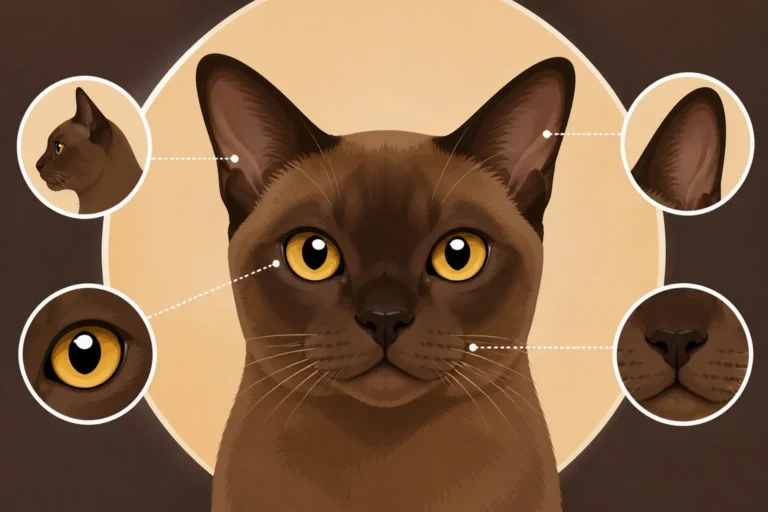
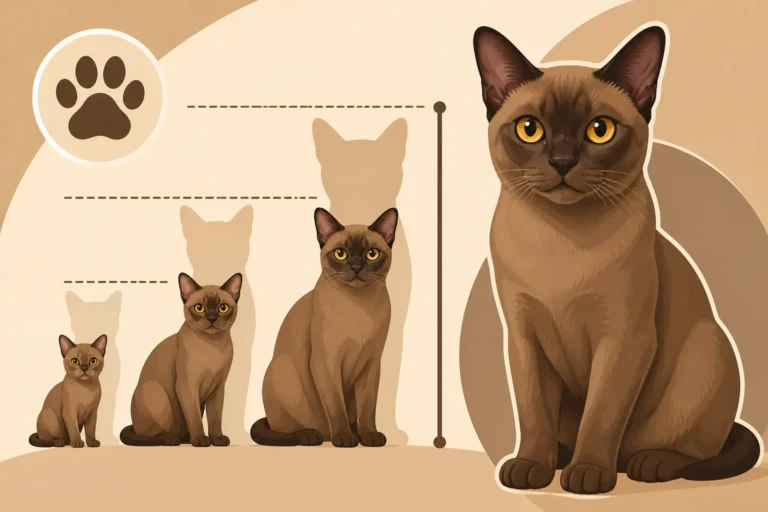
The American Burmese standard, which solidified after the reinstatement, describes a cat of considerable substance and compact build. Breeders aimed for a cat that felt surprisingly heavy for its size, often referred to as a "brick wrapped in silk." The head is distinctly rounded, with full, round eyes that are typically golden or yellow-green, and a short, broad muzzle. The ears are medium-sized, set wide apart, and slightly rounded at the tips, contributing to the overall roundness of the head. The body is muscular and well-balanced, with a deep chest and slender legs that are proportionate to the body. The tail is medium in length, tapering to a rounded tip.
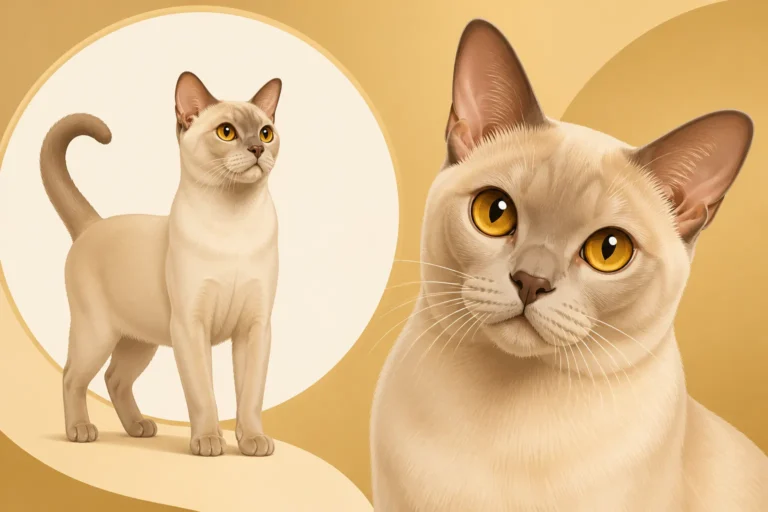
The coat is perhaps its most famous feature: incredibly short, fine, and lying close to the body, with a distinctive satin-like sheen. Unlike many other short-haired breeds, the Burmese has very little undercoat, which contributes to its sleek appearance. The coloration is what truly sets it apart from the Siamese: a solid, rich color that is slightly darker at the points (ears, mask, paws, tail) but with a much gentler contrast than a Siamese. The classic color is sable (a dark, warm brown), but other recognized colors include champagne (a warm beige), blue (a medium grey), and platinum (a pale, silvery grey). What a Burmese Looks Like Against the Standard Every aspect of the American Burmese is designed to emphasize roundness, compactness, and a powerful, yet elegant, presence.
Contrasting With the European Burmese Standard
While sharing a common ancestor in Wong Mau, the European Burmese developed a distinct appearance, reflecting different breeding preferences and uninterrupted evolution during the American suspension. The European standard favors a cat with a slightly more oriental look, though still substantial and muscular. Their head is also rounded, but often described as a "modified wedge," meaning it's less extreme in its roundness than the American type, with a more visible muzzle length. Their eyes are typically gold or amber, but are often more almond-shaped or slightly slanted, rather than the perfectly round eyes preferred in America. The ears tend to be slightly larger and more pointed, set further apart.
The body of a European Burmese is still muscular but can be a bit more lithe and less cobby than its American counterpart, giving it a slightly longer, more athletic appearance. The coat remains short and satin-like, but the range of accepted colors is broader, including red, cream, and various tortie patterns, in addition to the four classic American colors. These differences in head shape, eye shape, and body proportion, while subtle to the untrained eye, are significant to breeders and judges. It highlights how geographical separation and differing breed ideals can lead to unique expressions of the same genetic heritage. Understanding these distinctions is key to appreciating the full spectrum of the Burmese breed.
Burmese Health and Lifestyle: Post-Suspension Considerations
The period following the CFA suspension and subsequent reinstatement also brought a heightened awareness of health and welfare within the Burmese breed. While the initial focus was on genetic purity of type, breeders and owners quickly learned that a truly robust breed also needs a focus on health and appropriate care. This shift in perspective ensures that Burmese cats live long, healthy, and happy lives as beloved companions.
Common Health Concerns in the Burmese
Even after the breed's genetic purity was re-established, certain health predispositions became apparent within the Burmese population. One of the most significant concerns is diabetes mellitus, with the Burmese having a notably higher rate of this condition than many other breeds. This is a complex issue, influenced by both genetics and lifestyle factors like diet and weight. Ethical breeders are now acutely aware of this predisposition and take steps to screen their breeding lines and educate owners on preventative care. How Much Higher the Burmese Diabetes Rate Really Is
Another historically recognized condition is Burmese hypokalemia, a genetic disorder characterized by muscle weakness that can cause episodes where the cat cannot lift its head or walk normally. Thankfully, a DNA test exists for hypokalemia, allowing breeders to screen their cats and avoid breeding carriers together. This kind of proactive health screening is a direct outcome of the breed's history, demonstrating a commitment to responsible breeding that goes beyond mere appearance. Other concerns include dental disease, which Burmese are prone to, and sometimes flat-chested kitten syndrome in young litters. Regular veterinary check-ups and open communication with a knowledgeable vet are crucial for a Burmese owner.
Ensuring a Long and Happy Life for Your Burmese
Beyond addressing specific health predispositions, responsible care for a Burmese involves understanding its unique personality and needs. Burmese cats are renowned for their incredibly affectionate, "velcro-cat" personalities. They thrive on companionship and suffer from separation anxiety if left alone for long periods. This means a Burmese is rarely suited to being an only cat in a household where everyone is out all day. Many breeders recommend acquiring Burmese in pairs, as they provide essential company for each other. Why Burmese Breeders Sell Them in Pairs
Diet is another critical aspect, especially given the diabetes risk. A high-quality, low-carbohydrate wet food diet is often recommended to manage their weight and blood sugar levels. Regular play and mental stimulation are also vital, as Burmese are intelligent and playful cats, remaining kittenish well into old age. Providing a warm environment is also important due to their very short, single coat. The overall well-being of a Burmese relies on a holistic approach that considers its genetic background, specific health risks, and profound need for human interaction. It’s about more than just keeping them fed; it’s about nurturing their emotional and physical health, ensuring they live out their The Sixteen to Eighteen Years a Well Bred Burmese Gets in comfort and joy.
| Characteristic | American Burmese | European Burmese |
|---|---|---|
| Head Shape | Distinctly rounded, broad | Modified wedge, less extreme |
| Eye Shape | Full, round | Almond to slightly slanted |
| Body Type | Compact, cobby, muscular ("brick in silk") | More lithe, moderate, muscular |
| Muzzle | Short, broad | More visible length |
| Ear Set | Medium, wide-set, rounded tips | Slightly larger, more pointed |
| Accepted Colors | Sable, Champagne, Blue, Platinum | Sable, Blue, Chocolate, Lilac, Red, Cream, Tortie |
| Registries | CFA, TICA (as American type) | GCCF, FIFe, TICA (as European type) |
Disclaimer
This article is for general informational purposes only and does not constitute professional advice. Laws, prices and regulations vary by location and change over time. Consult a qualified professional for guidance on your specific situation.