Why the Burmese Diabetes Risk Is Inherited
It's incredibly disheartening to learn that a beloved cat breed, known for its incredible affection and personality, comes with a built-in predisposition to a serious health issue like diabetes. Many Burmese cat owners find themselves grappling with this reality, wondering if their cherished companion is destined for a life of insulin injections and special diets. It's a valid concern, and one that often feels overwhelming. This guide is here to unravel the complex truth behind why the Burmese diabetes risk is inherited, offering clear insights into the genetic factors at play and, most importantly, empowering you with the knowledge to proactively manage and mitigate this risk for your furry family member.
Understanding the Burmese Genetic Predisposition to Diabetes
When you bring a Burmese cat into your home, you're not just getting a wonderfully affectionate companion; you're also inheriting a unique genetic blueprint. Unfortunately, part of that blueprint, through no fault of their own or their early breeders, includes a significantly higher risk of developing diabetes mellitus compared to other cat breeds. This isn't just anecdotal evidence; it's a well-documented genetic reality, one that places a heavier burden on Burmese owners to be vigilant and proactive.
The Role of Specific Genes and Breed History
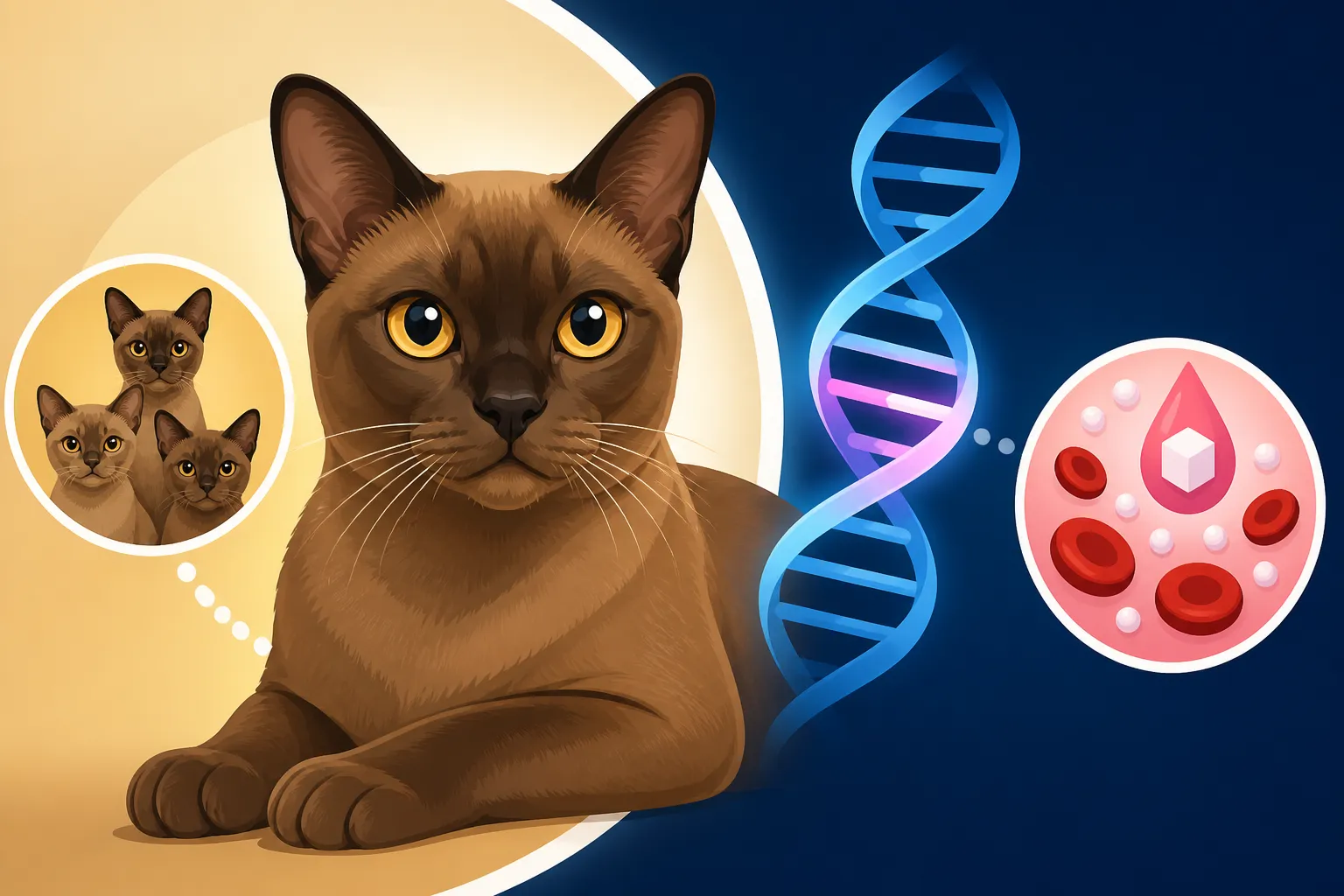
The Burmese breed originated from a single cat named Wong Mau, brought to the United States in the 1930s. While her striking brown coat and affectionate nature quickly made her a desirable foundation for a new breed, the intense selective breeding that followed to establish and refine the Burmese look inadvertently concentrated certain genetic traits. Over generations, what likely started as a small genetic quirk became more pronounced within the breed's gene pool. Research has pointed to specific genetic markers that are more prevalent in Burmese cats, particularly those related to insulin sensitivity and glucose metabolism. These genes, when inherited from both parents, can make a cat's pancreas less efficient at producing or utilizing insulin, leading to type 2 diabetes, which is the most common form seen in felines. This inherited predisposition is why the Burmese has the highest diabetes rate of any cat breed, a fact that can be startling for new owners to discover.
How Genome Studies Highlight the Risk
In recent years, advancements in genetic science have allowed researchers to delve deep into the feline genome, specifically looking at breeds known for certain health conditions. For the Burmese, these genome studies have been incredibly illuminating. Researchers have identified specific regions on the Burmese cat's chromosomes that are strongly associated with an increased risk of diabetes. These studies have shown that the genetic mutations responsible for this heightened risk are widespread within the breed, particularly in certain lines. For instance, what genome studies found in Australian Burmese cats has been particularly significant, showing a strong link between their genetic makeup and a predisposition to diabetes. This means that even a well-bred Burmese from a reputable breeder can carry these genes, making it a critical point for any owner to understand. It's not about blaming a particular cat or breeder, but acknowledging the inherent genetic lottery within the breed itself.
What Inherited Diabetes Risk Means for Your Burmese
Knowing that your Burmese carries an inherited risk for diabetes can feel daunting, but it’s crucial to understand that it doesn’t mean your cat will become diabetic. It simply means the stakes are higher, and environmental factors play an even more critical role in whether that genetic predisposition is triggered. This reality requires owners to be exceptionally diligent in managing their cat's lifestyle, particularly as they age.
Identifying High-Risk Factors Beyond Genetics
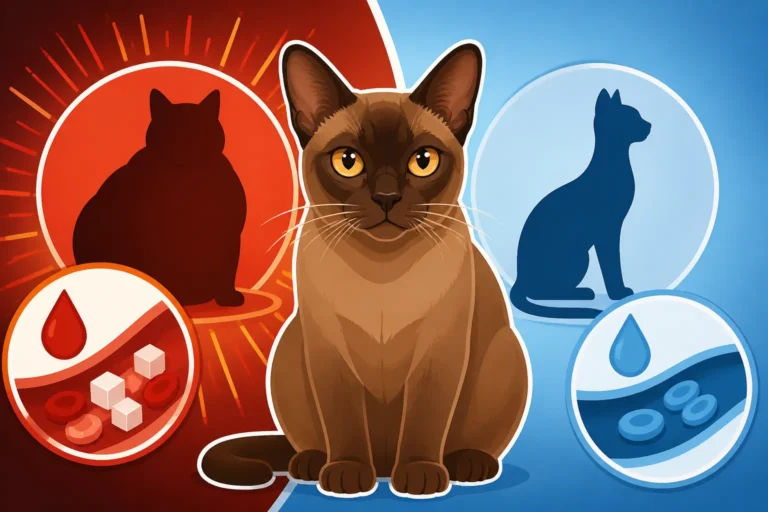
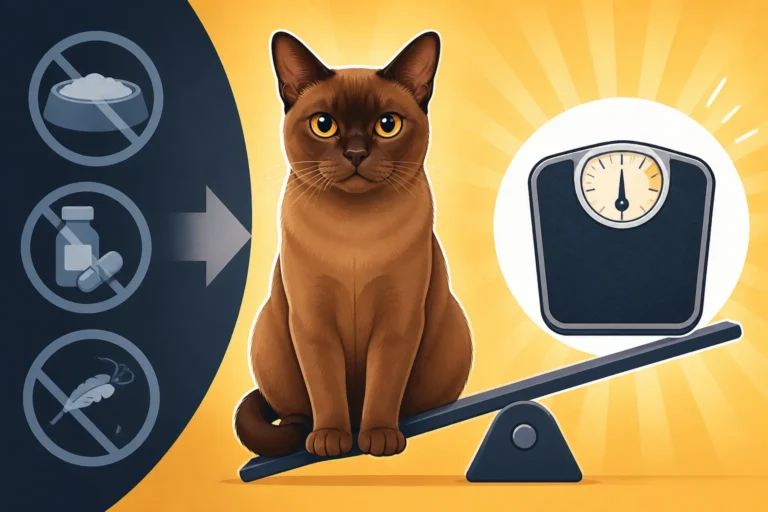
While genetics lays the groundwork, other factors act as crucial accelerators for diabetes in Burmese cats. The most significant of these is diet and weight. A Burmese that is overweight or obese is significantly more likely to develop diabetes, even with a genetic predisposition. Think of it like a loaded gun: the genetics are the gun, but obesity is the finger on the trigger. Male cats, especially neutered males, are also statistically at a higher risk. This is a crucial point for owners to grasp, as simply understanding "why a neutered male Burmese is highest risk" can inform preventative strategies. Furthermore, a diet high in carbohydrates puts additional strain on the pancreas, an organ that is already working against a genetic disadvantage in many Burmese cats. Therefore, even if your cat comes from impeccable lines, a casual approach to feeding can quickly undo any genetic advantage it might have. This emphasizes why understanding how much weight raises a Burmese's diabetes risk is paramount.
Early Signs and Proactive Monitoring
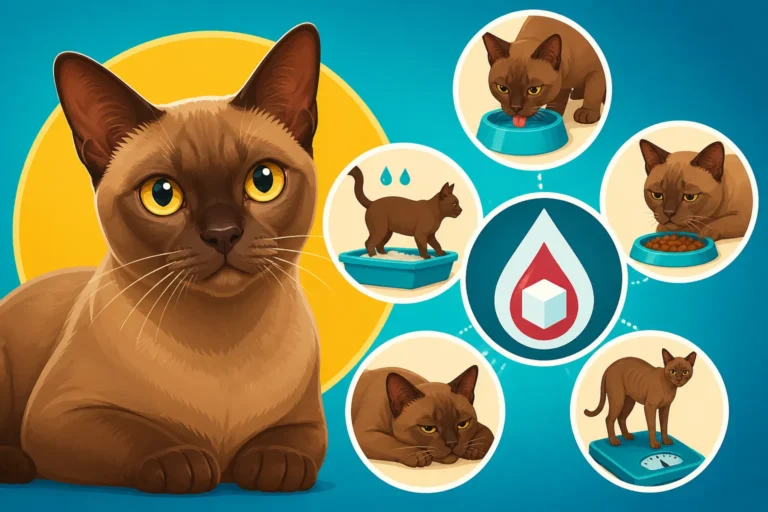
One of the most frustrating aspects of feline diabetes is that its early signs can be subtle or easily mistaken for other issues. However, for a breed with an inherited risk like the Burmese, vigilance is key. The earliest and most common sign is often an increase in thirst and urination. Your cat might start visiting the water bowl more frequently or spending more time in the litter box, or you might notice the litter clumps are larger than usual. If you find yourself asking why a Burmese drinking more needs testing that week, it's a sign that your instincts are correct. Other signs can include increased appetite accompanied by weight loss, lethargy, or a dull coat. These are often the first outward indicators, though by this point, the disease may have progressed. Regular vet check-ups become less about routine and more about proactive screening. When your veterinarian suggests a blood panel for your cat, especially a senior Burmese, it’s an opportunity to catch changes early. Knowing which signs come first in a diabetic Burmese can help you act swiftly, potentially preventing more severe complications.
| Risk Factor | Description | Impact on Diabetes Development | Owner Action/Mitigation |
|---|---|---|---|
| Inherited Genetics | Specific genes within the Burmese breed increase insulin resistance/deficiency. | Fundamental predisposition, acts as a baseline risk. | Choose breeders who screen for lineage diabetes history; ongoing vigilance. |
| Obesity/Overweight | Excess body fat leads to insulin resistance. | Significantly increases the likelihood of diabetes, often the "trigger." | Strict portion control, low-carb diet, regular weighing. |
| High Carbohydrate Diet | Processed dry kibble strains the pancreas with constant glucose spikes. | Exacerbates genetic predisposition, can lead to insulin overload and pancreatic burnout. | Prioritize high-protein, low-carbohydrate wet food. |
| Neutered Male Status | Hormonal changes associated with neutering increase risk in males. | Contributes to higher statistical risk, particularly when combined with other factors. | Strict weight management and dietary control are even more crucial for neutered males. |
| Age | Pancreatic function naturally declines with age. | Older Burmese cats are more susceptible due to combined genetic and age-related factors. | Begin proactive glucose monitoring from age seven, as part of yearly vet checks. |
Strategies for Mitigating Inherited Diabetes Risk
The good news is that even with an inherited risk, there's a lot you can do to keep your Burmese healthy and potentially prevent the onset of diabetes. It requires commitment and consistency, but the effort is profoundly worth it for the health and longevity of your cherished pet. Think of yourself as your cat's primary health advocate, carefully managing their environment and diet to support their genetic needs.
The Critical Role of Diet and Weight Management
For a Burmese, food isn't just fuel; it's medicine. Given their inherent predisposition to diabetes, a carefully controlled diet is the single most powerful tool you have. Free-feeding, where food is left out all day, is a definite no-go. Instead, aim for two measured meals a day, ensuring each portion is precisely weighed. This helps manage calorie intake and prevents overeating, which is crucial because why weight is the only lever a Burmese owner has to prevent diabetes. The focus should be on a high-protein, low-carbohydrate diet, mimicking what a cat would naturally eat in the wild. This means prioritizing wet food over dry kibble, as dry food often contains much higher levels of carbohydrates. Many veterinarians recommend commercial diets with carbohydrate percentages under 10%. This dietary approach is so vital that why low carbohydrate food matters for a Burmese cannot be overstated; it directly supports pancreatic health and insulin sensitivity. Remember, portion control is medical care in a Burmese, not just a suggestion.
Regular Veterinary Care and Genetic Screening
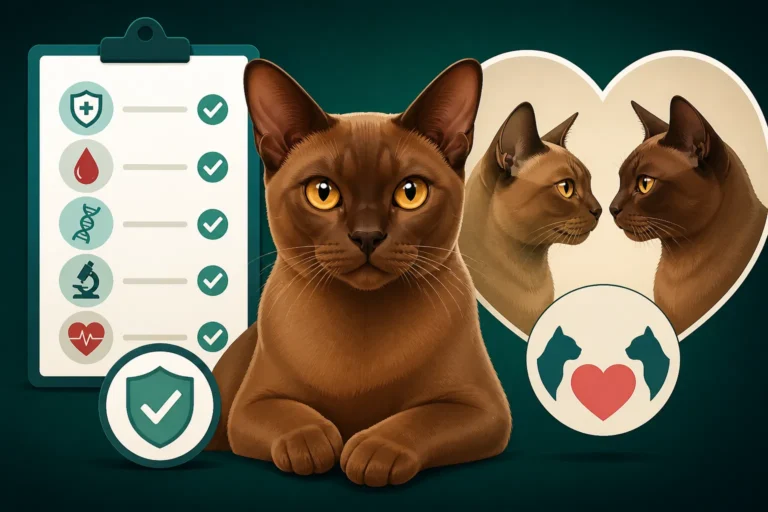
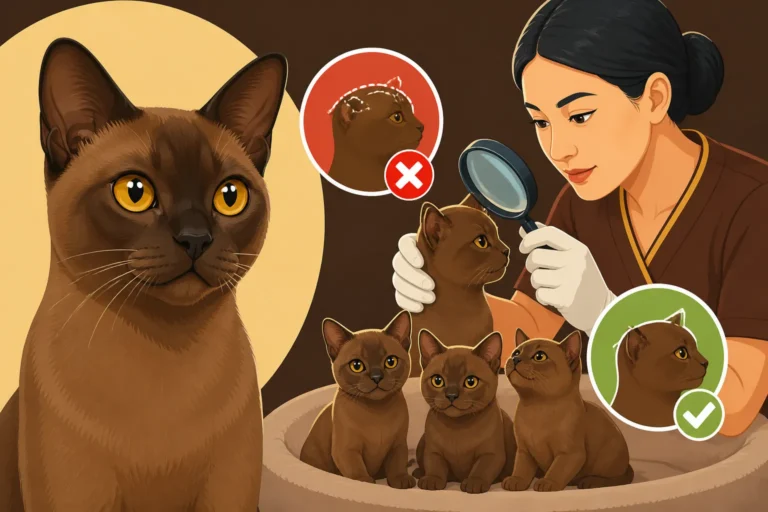
Beyond diet, consistent and informed veterinary care is absolutely non-negotiable for a diabetes-prone breed like the Burmese. This isn't just about annual vaccinations; it's about comprehensive health monitoring. From the moment you bring a kitten home, ensure you're getting a clear picture of their lineage. Ask your breeder for documentation of genetic tests and a clear history of diabetes in the cat's family tree. While there isn't a direct genetic test for diabetes itself in Burmese cats, understanding the prevalence in the lines can be very informative. You should also ensure your breeder provides details on what a Burmese breeder must test before any mating, which may include screening for other inherited conditions. As your Burmese ages, regular blood work, particularly checking glucose levels, becomes increasingly important. Many vets recommend that why a Burmese's glucose should be checked from seven years of age is because this is typically when the risk factor starts to significantly increase. A good pet insurance plan, like one from Healthy Paws, can be incredibly helpful here, offering peace of mind that routine check-ups and potential diagnostic tests won't break the bank.
Living with a Diabetes-Prone Burmese: A Long-Term Commitment
Embracing a Burmese means committing to a lifestyle that prioritizes their unique health needs. It's not always easy, but the profound bond you share with these intelligent and affectionate cats makes every effort worthwhile. Managing an inherited diabetes risk is a long-term journey, one that requires patience, consistency, and a deep well of love for your feline companion.
Financial and Emotional Considerations
The reality is that managing a chronic condition like diabetes, should it develop, comes with both financial and emotional costs. The cost of regular vet visits, insulin, syringes, and potentially prescription diets can add up quickly. What diabetes costs a Burmese owner a year can be substantial, and it's a factor that responsible owners need to consider. This is where comprehensive pet insurance, such as a policy from Healthy Paws, becomes an invaluable asset. While some policies might have waiting periods or exclusions for pre-existing conditions if diabetes is diagnosed before coverage, having a plan in place for a predisposed breed can mitigate significant financial stress down the line. Beyond the monetary aspect, there's the emotional toll. Giving daily injections, monitoring food intake, and constantly observing for signs of illness can be stressful. However, connecting with other Burmese owners or joining online support groups can provide invaluable emotional support and practical advice, reminding you that you're not alone in this journey.
The Joy of a Well-Managed Life
Despite the challenges, a Burmese cat with a well-managed diabetes risk (or even one that develops diabetes) can still lead a wonderfully full and happy life. With dedicated care, many diabetic Burmese cats can go into remission or live for many years with controlled glucose levels. The bond you forge through this extra layer of care can be incredibly strong, as your cat comes to rely on your routine and attention. Watching your Burmese play, cuddle, and engage with you, knowing you’re doing everything possible to keep them healthy, is immensely rewarding. The goal is to maximize their quality of life, focusing on prevention and early intervention. While "how long a diabetic Burmese lives" can vary, with consistent monitoring and a proper regimen, many thrive. Your commitment to their specific needs is a testament to the special place they hold in your heart, ensuring your Velcro cat remains a vibrant, purring presence in your home for as many years as possible.
Disclaimer
Please remember that this article is intended for informational purposes only and is not a substitute for professional veterinary advice. Always consult with your veterinarian regarding your Burmese cat's specific health concerns and before making any decisions about their diet, care, or treatment plans.