Whether a Burmese Head Defect Test Exists
The heartbreak of discovering a genetic defect in a beloved kitten is a fear every potential Burmese owner carries. When a health issue like Head Defect, known to be lethal, surfaces in such a cherished breed, it’s natural to wonder what protections are available. This guide delves deep into the specific challenges of Burmese Head Defect, addressing the burning question of whether a genetic test exists to prevent such tragedies and what steps you can take.
Understanding Burmese Head Defect
Burmese Head Defect, sometimes referred to as Congenital Myasthenic Syndrome or just "Head Defect," is one of the most devastating genetic conditions that can affect this wonderful breed. It’s not just a minor cosmetic issue; it's a severe, lethal neurological disorder that impacts kittens from birth or shortly thereafter. For anyone who has ever fallen in love with the playful, affectionate nature of a Burmese, the thought of a kitten suffering from this condition is truly gut-wrenching. The emotional toll on breeders and new owners is immense, as there is no cure, and affected kittens sadly do not survive.
What Burmese Head Defect Does to a Kitten
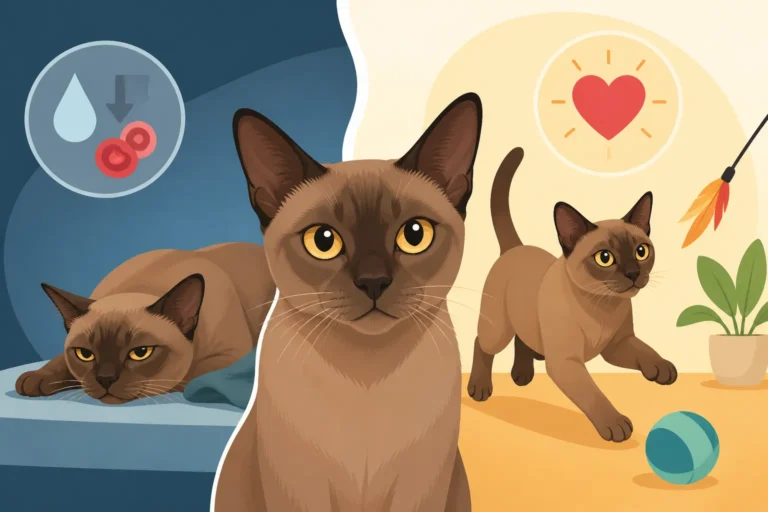
When a kitten is born with Burmese Head Defect, the signs are often tragically clear within the first few days or weeks of life. These kittens appear normal at birth, full of the same vibrant energy as their littermates, which makes the onset of symptoms all the more distressing. However, as they try to nurse and develop, the neurological issues begin to manifest. You might notice an inability to suckle effectively, leading to rapid weight loss and failure to thrive. The muscles controlling the head and neck can become weak, making it impossible for the kitten to hold its head up or coordinate movements. Imagine a tiny, helpless creature struggling to lift its head even to eat, unable to orient itself, and slowly weakening despite all efforts. It's a truly heartbreaking scenario that highlights the severity of this condition.
The defect is rooted in a problem with the development of the skull and brain, often leading to hydrocephalus (water on the brain) or other severe neurological abnormalities. These issues compromise vital functions, affecting not just motor control but also brain development. A kitten might show tremors, incoordination, or seizures. Their cry might be weak, or they might seem unusually lethargic. Breeders often report that these kittens simply "fade" despite intensive supportive care, unable to grow, nurse, or develop normally. They may exhibit unusual head postures or tremors, and their overall vigor is markedly less than their healthy siblings. This profound impact on their neurological system is why Burmese Head Defect Kittens Do Not Survive.
Why Two Copies Are Needed for Burmese Head Defect
The unfortunate reality of Burmese Head Defect is that it’s an autosomal recessive genetic disorder. If you're not a geneticist, what does "autosomal recessive" actually mean for your cat? It means a kitten must inherit two copies of the faulty gene – one from its mother and one from its father – to develop the condition. If a cat inherits only one copy, it becomes a "carrier." Carriers are completely healthy themselves; they don't show any signs of the defect, and you would never know they carried the gene just by looking at them. This makes the condition particularly insidious, as apparently healthy cats can pass on the problematic gene without anyone realizing it until a tragic litter is born.
The mathematics of recessive genes can be cruel. If you breed two carriers together, there's a 25% chance that each kitten in the litter will inherit two copies of the faulty gene and be affected by Head Defect. There's a 50% chance each kitten will be a carrier like its parents, and a 25% chance it will be completely clear of the gene. This genetic lottery is why understanding the lineage of both parents is paramount. Without proper screening and careful breeding practices, even the most well-meaning breeder can inadvertently produce affected kittens, leading to immense suffering and loss. It’s a stark reminder that sometimes, the biggest dangers are the ones you can't see with the naked eye.
The Genetic Reality: Is There a Test?
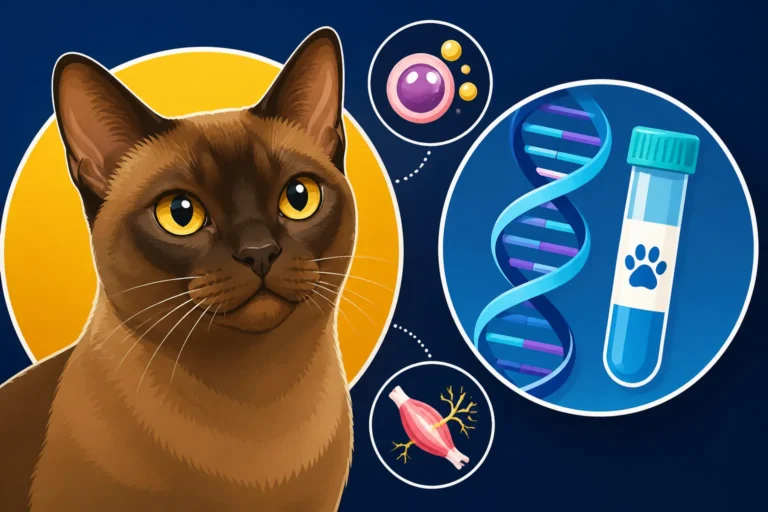
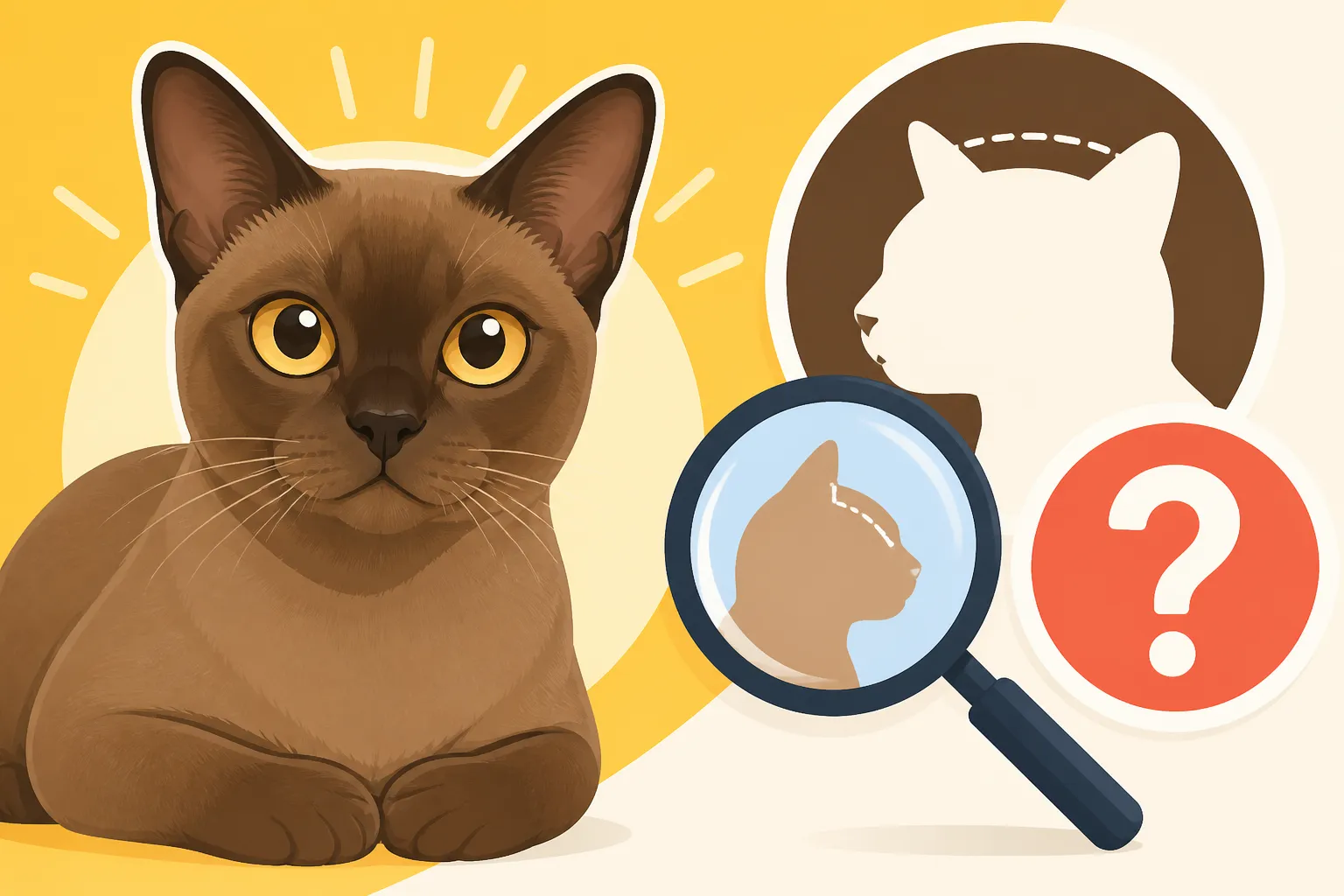
This is where the frustration often boils over for responsible owners and breeders. When faced with a devastating genetic condition like Burmese Head Defect, the logical first question is always, "Can we test for it?" Sadly, for Burmese Head Defect, the answer is not as straightforward as we wish it could be. While advancements in veterinary genetics are happening all the time, a readily available, commercial DNA test specifically for Burmese Head Defect is not a standard, universally offered test. This lack of a direct genetic marker means breeders can't simply send off a cheek swab and get a clear "carrier" or "clear" result for this specific condition in the same way they can for other well-known genetic diseases.
How Burmese Head Defect Was Traced to a Recessive
The understanding that Burmese Head Defect is a recessive genetic condition didn't come easily. It was through careful observation by dedicated breeders and veterinary geneticists, documenting multiple instances of affected kittens appearing in certain lines. Researchers like Dr. Leslie Lyons at the Feline Genome Project, based at the University of Missouri, have been instrumental in identifying the genetic basis of many inherited conditions across various cat breeds. For complex neurological defects like Head Defect, the process often involves extensive pedigree analysis, looking for common ancestors in affected litters, and then painstakingly comparing the DNA of affected kittens to their healthy relatives.
This work involves powerful genomic sequencing technologies to pinpoint the exact mutation responsible. It's a scientific endeavor that requires significant funding, time, and cooperation from breeders providing samples. While the recessive nature of the disease has been established through such studies, translating that research into a simple, affordable, and accessible commercial test can be a lengthy process. Often, initial findings are published in scientific journals, but the development of a diagnostic tool for widespread use might still be years away, if it ever becomes a priority over other more prevalent conditions. This gap between scientific discovery and practical application is a huge source of anxiety for the Burmese community.
Why a Direct Commercial Test is Not Widely Available
So, why isn't there a test available at every veterinary lab? Several factors contribute to this. Firstly, while devastating, Burmese Head Defect is considered a relatively rare condition compared to other genetic diseases that affect a broader range of breeds or have a higher prevalence within the Burmese population, such as diabetes or hypokalemia. Genetic testing companies prioritize developing tests for conditions that affect a large number of animals, ensuring a return on their significant investment in research and development. The market for a highly specific, rare breed test might simply be too small.
Secondly, the precise genetic mutation causing every manifestation of Burmese Head Defect might be complex, or there might even be multiple mutations that lead to similar clinical signs, making a single, simple test difficult to design. Some conditions are polygenic, meaning multiple genes are involved, or have incomplete penetrance, where even with the gene, the defect doesn't always show up. However, research points to it being a single recessive gene in the Burmese. The fact that the condition is lethal means affected kittens often don't live long enough to provide ample research samples, further complicating studies. For now, responsible breeders must rely on meticulously maintained pedigrees and ethical breeding practices, which we'll discuss next.
Responsible Breeding and Prevention
Given the lack of a direct, readily available DNA test for Burmese Head Defect, the burden of preventing this tragic condition falls squarely on the shoulders of responsible breeders. This means going above and beyond standard practices, leveraging all available information to make informed decisions that prioritize the health and well-being of their kittens above all else. For potential kitten buyers, this also means knowing what questions to ask and what to look for when choosing a reputable breeder. It’s about being an educated consumer, because your choices directly impact the future of the breed.
How a Burmese Breeder Avoids the Head Defect
Since a direct genetic test isn't widely available, prevention hinges on diligent pedigree analysis and avoiding at-risk pairings. A responsible breeder will have an intimate knowledge of their cats' family trees, going back many generations. They will meticulously track any instances of Head Defect in their lines or in any cats they plan to breed with. The golden rule for avoiding recessive disorders is simple: never breed two known carriers together. In the case of Head Defect, this extends to never breeding a cat that has produced an affected kitten with another cat that has either produced an affected kitten or comes from a line where the defect is known to appear.
This proactive approach means that if a breeder has a cat that, despite all precautions, produces a kitten with Head Defect, that parent cat should immediately be retired from breeding or at the very least, only bred to mates with absolutely no history of the defect in their lines and ideally, only to mates who have produced litters with no incidence of the defect themselves. It's a tough decision, as a carrier cat might be otherwise magnificent and contribute many positive traits to the breed, but the ethical imperative to prevent suffering must always come first. This commitment to transparency and ethical breeding practices is what sets truly responsible breeders apart. They understand that a healthy kitten is the best guarantee they can offer.
What a Burmese Breeder Must Test Before Any Mating
While a specific Head Defect test might be elusive, a truly responsible Burmese breeder will still conduct a comprehensive panel of genetic tests for other known inherited conditions in the breed. This includes tests for Hypokalemia, also known as "Burmese Head Tilt," which is a completely different neurological condition from Head Defect, but one for which a DNA test does exist. It’s crucial not to confuse the two! They should also test for conditions like GM2 Gangliosidosis and potentially others that might be prevalent in their specific lines. Asking Which Tests Belong on a Burmese DNA Panel is a critical question for any prospective owner.
Beyond genetic screening, breeders should also ensure their breeding cats are thoroughly vetted for overall health, including cardiac screenings (though HCM is less prevalent in Burmese than some other breeds, it's still wise), and regular general health checks. They should be transparent about their cats' health histories, show you health certificates, and be willing to discuss any known issues in their lines. A breeder who dismisses your concerns about genetic health or is secretive about their testing protocols is a red flag. Always choose a breeder who prioritizes health and transparency, as their diligence in What a Burmese Breeder Must Test Before Any Mating will make all the difference.
What to Ask a Breeder About Head Defect
When you’re looking for a Burmese kitten, don't be shy about asking direct, pointed questions about Head Defect. A reputable breeder will appreciate your thoroughness and be ready to discuss it openly. Ask if they have ever had an affected kitten in their cattery or in their lines. Inquire about the health history of both parents, not just for Head Defect, but for all inherited conditions. A good breeder will volunteer this information without prompting. They should be able to tell you about the health of the parents' siblings and previous litters.
If a breeder seems evasive or claims ignorance, it's a significant warning sign. While no breeder can guarantee a kitten will never develop any issue, they should be able to demonstrate a clear strategy for minimizing known genetic risks. Ask to see pedigrees and discuss how they've managed any known carrier status for other conditions. Understand that even with the best intentions, recessive genes can sometimes surprise, but the breeder's response to such an event is paramount. A responsible breeder will be proactive in preventing future occurrences, even if it means retiring valuable breeding cats.
Living with the Risk and Supporting Affected Lines
The absence of a direct test for Burmese Head Defect means that breeders and owners must navigate a world with an inherent, albeit hopefully low, risk. This can be a heavy burden, but it also underscores the importance of community, shared knowledge, and support. While we hope to prevent this condition, understanding how to manage the emotional and practical aspects of such a risk is crucial for anyone involved with Burmese cats.
The Emotional and Financial Toll on Breeders
For breeders, discovering a kitten with Head Defect is devastating. It's not just the loss of a precious life; it's a blow to their reputation, their breeding program, and their emotional well-being. Breeders pour their hearts and souls into their cats, and such an event can cause immense grief and guilt. They face the difficult decision of how to proceed with the parents and their lineage, knowing that seemingly healthy cats are carrying a lethal gene. The financial cost of veterinary care for affected kittens, often including euthanasia, adds another layer of stress.
The breeding community relies on honesty and shared information to identify and manage these recessive genes. Breeders need to be brave enough to share their experiences, even the painful ones, to help others avoid similar tragedies. This openness helps trace carrier lines and ultimately reduces the prevalence of the defect within the entire breed. It’s a testament to the dedication of many Burmese breeders that they face these challenges with integrity, always striving for healthier generations.
The Role of Pet Insurance and Health Guarantees
When considering a kitten, it's vital to discuss health guarantees with your breeder. While a guarantee won't bring back an affected kitten, it can offer some financial and emotional support. A reputable breeder will have a health guarantee that outlines their policy regarding congenital defects. This might include a replacement kitten or a refund if a severe inherited condition manifests early in life. This is not about the money, but about the breeder standing behind the health of their lines.
For ongoing peace of mind, pet insurance can be an invaluable tool. While specific congenital defects present at birth might have exclusions depending on the policy, a comprehensive plan from providers like Healthy Paws can cover unexpected illnesses and accidents throughout your cat's life. It's important to understand the terms and conditions, particularly around pre-existing conditions and congenital issues. Many owners find that having a robust pet insurance policy, like those offered by Healthy Paws, provides crucial financial safety nets, allowing them to make healthcare decisions based on what’s best for their beloved pet, rather than solely on cost. It’s always best to get insurance early, ideally before any symptoms appear, to ensure the broadest coverage.
Supporting Research and the Future of the Breed
Even without an immediate commercial test, continuous research is the long-term solution. Organizations dedicated to feline health and specific breed clubs often fund genetic research. Supporting these efforts, whether through donations, participating in studies if asked, or advocating for more research into Burmese genetic conditions, is crucial. The collective effort of owners, breeders, veterinarians, and researchers is what will ultimately lead to a comprehensive understanding and effective elimination of such devastating defects.
The more breeders are transparent about their lines and contribute to scientific databases, the faster researchers can identify the specific genetic markers for conditions like Head Defect. This collaborative spirit ensures that the beautiful, affectionate Burmese breed continues to thrive, free from the shadow of preventable genetic diseases. It’s a long road, but with dedication, a direct test for Burmese Head Defect may one day become a reality, offering much-needed reassurance to everyone who loves these cats.
Conclusion: Diligence and Transparency Remain Key
While the dream of a simple, direct test for Burmese Head Defect remains just that for now, the path forward for responsible breeders and owners is clear: relentless diligence, profound transparency, and a commitment to ethical practices. Understanding the recessive nature of this lethal condition, knowing what to ask your breeder, and supporting broader genetic health initiatives are your best defenses. Always seek out breeders who are open about their lines, who perform all available health screens, and who prioritize the health and longevity of their beloved Burmese above all else. Your careful choice can help ensure a future where this devastating defect becomes a tragic rarity, rather than a looming concern.
Disclaimer
This article is intended for informational purposes only and does not constitute veterinary advice. Always consult with a qualified veterinarian for any health concerns or before making any decisions about your pet's medical care or breeding program. Genetic testing protocols and available tests can change, so always refer to the most current information from reputable veterinary genetic laboratories and breed clubs.