How a Flat Chested Burmese Kitten Is Managed
Finding your sweet, affectionate Burmese kitten suddenly struggling to breathe, or noticing that their tiny chest isn't quite right, can be one of the most frightening experiences a new owner faces. It’s a moment that fills you with dread, wondering what you've done wrong or if your precious little one will ever be okay. This guide is here to walk you through understanding, identifying, and managing Flat Chested Kitten Syndrome (FCKS), offering practical advice and setting realistic expectations for supporting your kitten through this challenging condition.
Understanding Flat Chested Kitten Syndrome in Burmese Cats
Flat Chested Kitten Syndrome (FCKS) is a distressing condition that can affect kittens, causing their ribcage to flatten, sometimes severely. For a Burmese owner, known for their deep affection for their feline companions, seeing a kitten struggling in this way can be particularly heartbreaking. It’s not just a cosmetic issue; it impacts their internal organs and ability to breathe properly.
What is Flat Chested Kitten Syndrome?
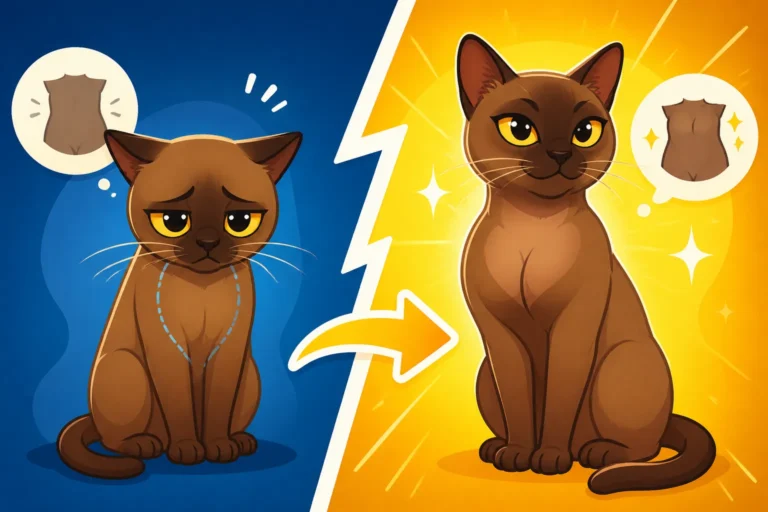
FCKS manifests as a flattening of the ribcage, where the sides of the chest appear compressed, often leading to a broad, paddle-like appearance when viewed from above, rather than a round or oval shape. In severe cases, the sternum (breastbone) can even be pushed inward, creating a concave chest. Imagine a kitten's normally round, plump little body becoming oddly deflated in the chest area. This compression restricts the space available for the lungs and heart to expand, which in turn leads to breathing difficulties.
The exact cause of FCKS remains a bit of a mystery, making it even more frustrating for breeders and owners. It's often considered a multifactorial condition, meaning several elements might contribute. These can include genetic predispositions, nutritional deficiencies, environmental factors, or even physical compression during birth or in a crowded litter box. While it can occur in any breed, some anecdotal evidence suggests certain breeds might be more commonly affected, though research is ongoing. The worry that comes with this uncertainty is profound, leaving many feeling helpless and searching for answers.
Why Burmese Kittens Are Particularly Susceptible
While not exclusively a Burmese issue, these wonderful cats, unfortunately, can be among those affected by FCKS. Given the Burmese's compact, muscular build and typically broad chest, any deviation from this robust structure can be particularly noticeable and concerning. Some theories suggest a genetic component, though a definitive gene marker hasn't been identified specifically for FCKS in Burmese cats.
It's possible that factors related to rapid growth or specific nutritional needs unique to the breed might play a role. A breeder might notice a kitten that appears robust at birth suddenly start to flatten in the chest over the first few days or weeks. This vulnerability can add another layer of anxiety for Burmese breeders and owners, who are already so committed to the health and well-being of their cats. It highlights the importance of choosing a reputable breeder who monitors their kittens closely and is transparent about any health issues in their lines.
Recognizing the Signs of FCKS in Your Kitten
Early detection is absolutely paramount when it comes to managing Flat Chested Kitten Syndrome. The sooner you identify the problem, the sooner you can intervene and give your kitten the best chance at recovery. As devoted as Burmese cats are to their humans, their kittens rely entirely on you to notice when something is amiss.
Early Detection and Physical Examination
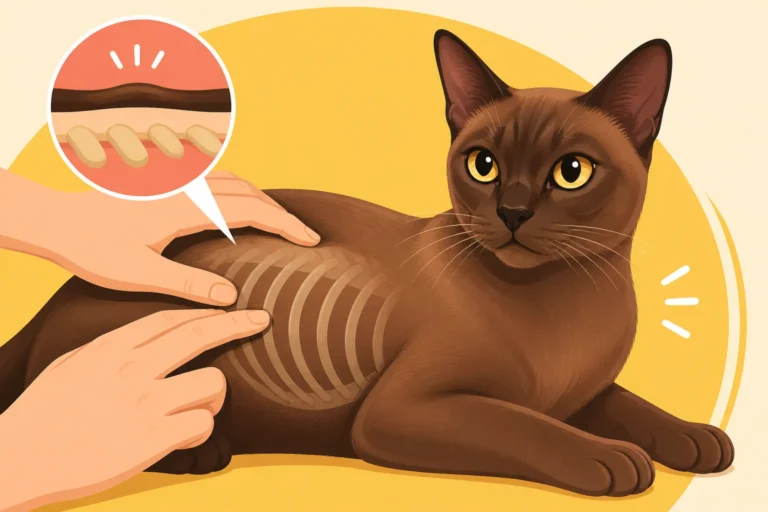
The most obvious sign of FCKS is the physical flatness of the chest. Instead of a gently rounded ribcage, you'll notice it's pushed inwards or appears flattened from side to side. When you pick up a kitten, you might feel a lack of resistance where the ribs should be, or even a noticeable depression. Sometimes, kittens with FCKS are also referred to as "swimmer kittens" because the chest flattening can cause their legs to splay out to the sides, making it difficult for them to walk or stand properly. They literally look like they're trying to "swim" on the floor rather than walk.
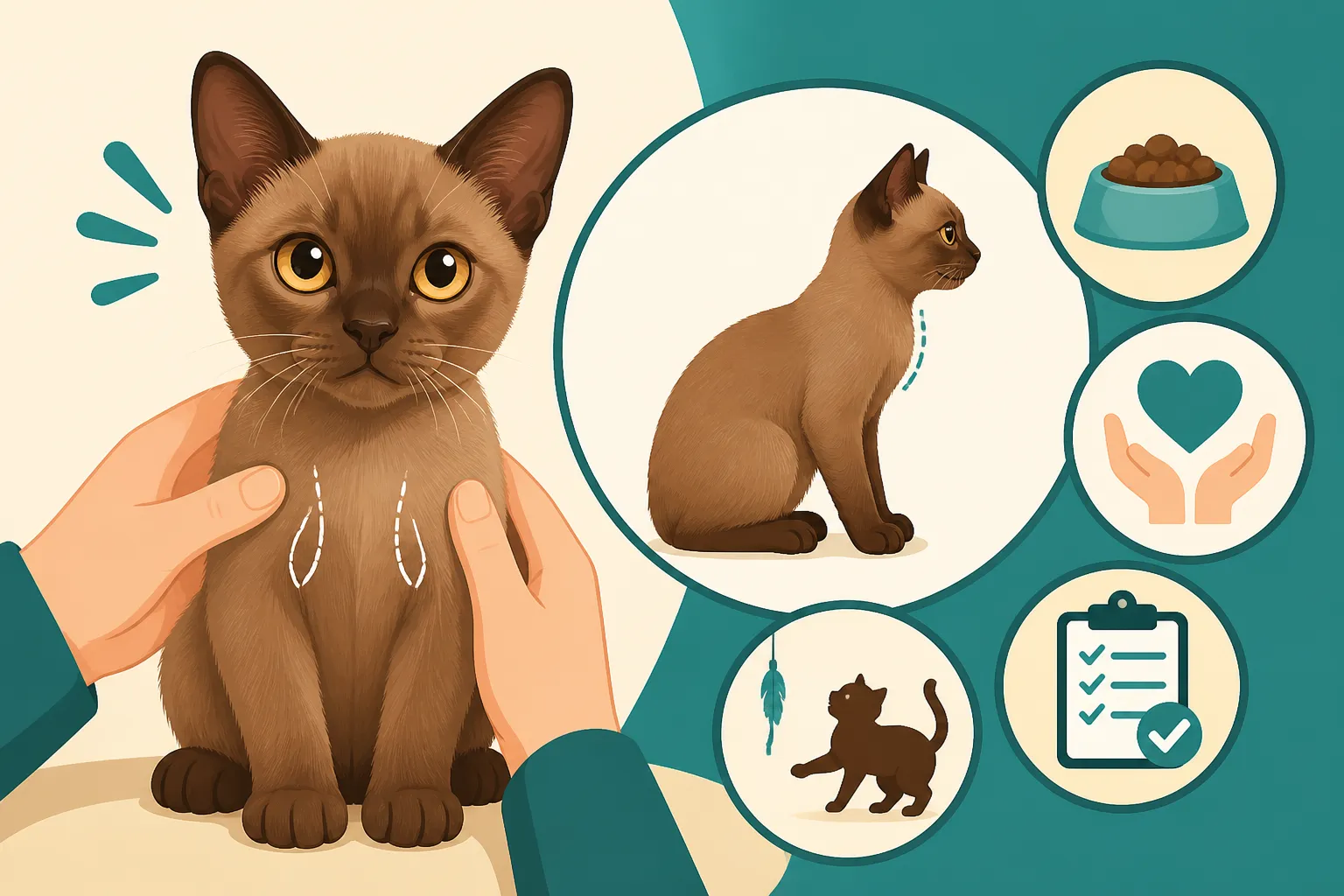
Beyond the visible flatness, observe your kitten’s general demeanor and movements. Are they as active and playful as their littermates? Do they struggle to keep up? Gently running your hand over their chest from the sternum to the sides can help you feel for any unusual flattening. Do this carefully, as excessive handling can stress an already compromised kitten. Early detection often means the difference between a successful recovery and a kitten succumbing to the condition. Many breeders meticulously check their kittens daily for any anomalies, especially during the crucial first few weeks. If you’re ever unsure, trust your instincts and seek veterinary advice.
Respiratory Distress and Other Symptoms
Beyond the physical appearance, respiratory distress is the most critical symptom to watch for. Because their lungs are compressed, affected kittens often struggle to breathe. This can manifest as:
- Rapid, shallow breathing: Their little sides might be heaving noticeably.
- Open-mouthed breathing: This is a serious red flag in cats and requires immediate attention.
- Abdominal breathing: Instead of their chest expanding, you'll see their belly doing most of the work.
- Blue-tinged gums or tongue: This indicates a lack of oxygen and is an emergency.
- Wheezing or crackling sounds: Listen closely for any abnormal noises when they breathe.
Other symptoms might include lethargy, a reluctance to feed, and poor weight gain. A kitten with FCKS might be noticeably smaller or weaker than its littermates, struggling to compete for milk. They might cry more often due to discomfort or seem unusually quiet. They may also exhibit a lack of coordination, stumbling or struggling to right themselves. Given how resilient and adept at hiding illness cats can be, even subtle changes in your kitten’s behavior or breathing should prompt a closer look. If you notice your Burmese kitten drinking more, this can also be a sign of underlying issues, although usually not directly related to FCKS.
Immediate Steps and Veterinary Diagnosis
Discovering your kitten has FCKS can be overwhelming, but knowing what to do immediately can significantly improve their chances. Acting quickly and calmly is key.
First Aid and Urgent Care at Home
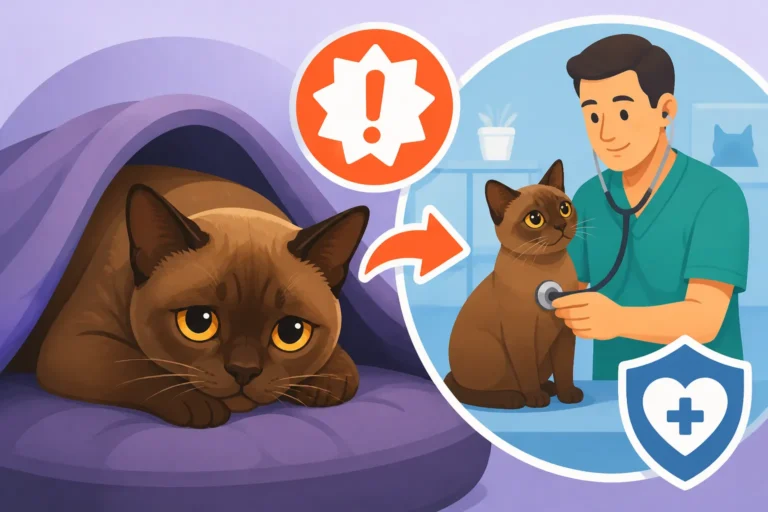
If you suspect FCKS, the very first thing you need to do is contact your veterinarian. Don't wait. While you're preparing for the vet visit, there are a few things you can do at home to support your kitten:
- Provide warmth: Kittens, especially those struggling, can quickly become hypothermic. Ensure they are in a warm, draft-free environment. A heating pad set on low (with a blanket over it) or a warm water bottle wrapped in a towel can provide gentle warmth. Make sure they can move away from the heat if they get too warm.
- Minimize stress: Keep the kitten calm and in a quiet space. Avoid excessive handling, especially by children or other pets, as this can increase their respiratory rate and stress levels.
- Ensure hydration: If the kitten is not suckling well, you might need to gently offer a few drops of kitten milk replacer or electrolyte solution with a syringe (without the needle, of course). Be extremely careful not to get liquid into their lungs.
- Separate from rowdy littermates: Sometimes, a kitten with FCKS might benefit from being temporarily separated from more boisterous siblings to reduce competition for food and rest.
- Observe carefully: Note down any specific symptoms, when they started, and how frequently they occur. This information will be invaluable to your vet.
Remember, these are temporary measures. FCKS requires professional veterinary assessment and care.
What to Expect at the Vet's Office
Once you arrive at the vet, they will perform a thorough physical examination. This will involve palpating the kitten's chest to confirm the flatness and assess its severity. They'll listen to the kitten’s heart and lungs for any abnormalities. Don't be surprised if they also check for Whether a Flat Chested Burmese Kitten Recovers.
The vet will likely recommend radiographs (X-rays) of the chest. This is crucial for:
- Confirming the diagnosis: X-rays visually demonstrate the flattened ribcage and sternal deformities.
- Assessing severity: They can show how much the lungs and heart are compressed.
- Ruling out other conditions: X-rays can help identify other potential issues like pneumonia or diaphragmatic hernia, which can present with similar symptoms.
The vet might also take blood samples to check for any underlying infections or nutritional deficiencies, though this is less common for very young kittens presenting solely with FCKS. They will discuss the prognosis and various management options with you, tailored to your kitten's specific condition. This conversation will be honest and can be difficult, but it's essential for understanding the path ahead. The cost of these diagnostic tests can add up, so having an idea of What Emergency Care for a Hypokalemic Burmese Costs can be helpful, even if the specific condition differs.
Management Strategies for Flat Chested Burmese Kittens
Managing a flat-chested Burmese kitten requires dedication, patience, and a multi-faceted approach. The goal is to provide supportive care that encourages proper chest development and minimizes respiratory distress.
Supportive Care and Environmental Adjustments
The foundation of FCKS management lies in consistent, gentle supportive care. Think of it as creating the optimal environment for your kitten to heal and grow.
- Maintain optimal warmth: As mentioned before, kittens are very susceptible to chilling. A consistent ambient temperature is crucial. A small, draft-free nesting area with a safe heat source (like a SnuggleSafe disc or a heating pad on low, with a barrier) is ideal. Make sure the kitten can move away from the heat source if it gets too warm.
- Soft bedding: Provide soft, comfortable bedding that supports the kitten's body without putting undue pressure on its chest.
- Low-stress environment: Keep the kitten in a quiet area away from loud noises, boisterous pets, or excessive activity. Stress can increase respiratory rate and negatively impact recovery.
- Hydration: Ensure the kitten is well-hydrated. If they aren't suckling adequately, your vet might recommend subcutaneous fluids or careful syringe feeding of electrolyte solution.
- Monitoring: Keep a close eye on their breathing, appetite, and activity levels. Any worsening symptoms warrant immediate veterinary consultation. A simple scale to track How to Weigh a Burmese Accurately at Home can also be very useful to ensure they are gaining weight appropriately.
Physical Therapy and Gentle Massage
One of the most commonly recommended interventions for FCKS is gentle physical therapy. The idea is to manually help reshape the ribcage and encourage proper lung expansion. This needs to be done very gently and consistently.
- Positioning: Place the kitten on its side or back for short periods, several times a day. This can help alleviate pressure on the flattened areas. Some owners use rolled towels or small 'doughnut' shaped beds to help maintain a rounded posture.
- Gentle massage: With clean hands, gently massage the sides of the kitten's chest. Use light, circular motions, encouraging the ribs to expand outwards rather than inwards. Imagine gently cupping their chest and applying very light pressure to encourage outward growth.
- Breathing exercises: While you can't force a kitten to do push-ups, you can encourage deeper breaths by gently stroking their side or offering small, enticing smells that cause them to inhale more deeply.
- Frequency: These sessions should be brief – perhaps 5-10 minutes – but frequent throughout the day, every few hours. Consistency is more important than intensity.
- Caution: Always be extremely gentle. Never apply excessive force, as a kitten's bones are fragile. If the kitten shows any signs of discomfort, stop immediately. The goal is to encourage, not to inflict pain.
A good breeder will often demonstrate these techniques, or your vet can show you the safest way to perform them.
Nutritional Support and Feeding Techniques
Kittens with FCKS often struggle to feed due to their breathing difficulties, weakness, or inability to position themselves properly. Ensuring they receive adequate nutrition is vital for their growth and recovery.
- Assisted feeding: If the kitten is too weak to suckle from its mother, you may need to bottle-feed it with a high-quality kitten milk replacer. Special care must be taken to ensure the kitten is positioned upright to prevent aspiration (inhaling milk into the lungs). Feed slowly and patiently.
- Small, frequent meals: Rather than large meals, offer smaller amounts more frequently. This reduces the energy expenditure during feeding and minimizes the risk of overfilling the stomach, which can further impede breathing.
- Stimulate urination/defecation: Young kittens need their perineal area stimulated after feeding to encourage elimination. This is usually done by the mother, but you'll need to do it with a warm, damp cotton ball if bottle-feeding.
- Nutrient-dense diet for the mother: If the kitten is still nursing, ensure the queen is on an excellent, nutrient-rich diet to produce the best quality milk.
- Monitor weight: Daily weight checks using a sensitive kitchen scale are crucial to ensure the kitten is gaining weight, even slowly. Poor weight gain is a major indicator that the kitten is not thriving. Remember that Why a Burmese's Food Bill Is a Health Decision extends to ensuring proper nutrition for growing kittens, especially those with health challenges.
| Symptom Category | Signs to Watch For | Immediate Action |
|---|---|---|
| Physical Appearance | Flattened chest, "swimmer" legs, lack of normal rounding | Gentle palpation, observe posture, compare to littermates |
| Respiratory Distress | Rapid/shallow breathing, open-mouth breathing, abdominal breathing, blue gums, wheezing | Contact vet immediately, keep warm, minimize stress |
| Behavioral Changes | Lethargy, poor suckling, reduced activity, excessive crying, weakness | Keep warm, offer quiet space, gentle syringe hydration |
| Feeding/Growth | Poor weight gain, reluctance to feed, smaller than littermates | Assisted feeding, small frequent meals, daily weight checks |
Prognosis and Long-Term Outlook
The journey with a flat-chested Burmese kitten is often fraught with anxiety, and owners understandably want to know what the future holds. While it can be a challenging condition, the outlook isn't always grim.
Factors Influencing Recovery
The prognosis for FCKS is highly variable and depends on several key factors:
- Severity of the flattening: Mild cases have a much better chance of full recovery than severe ones where the sternum is deeply concave.
- Age of onset and intervention: Kittens whose flattening is noticed and managed early, usually within the first few days or weeks of life, tend to fare better. Their bones are still pliable and more responsive to therapy.
- Consistency of care: Diligent and consistent supportive care, including warmth, nutrition, and gentle physical therapy, significantly improves outcomes.
- Absence of secondary complications: Kittens who avoid developing severe respiratory infections, pneumonia, or heart issues have a better chance of thriving.
- Breed predisposition (if any): While not definitively proven for Burmese, any genetic component could influence individual kitten's resilience.
Many kittens with mild to moderate FCKS can make a full or near-full recovery, developing a normal or only slightly flattened chest as they grow. The first few weeks are the most critical period for intervention and observation.
Potential Complications and What to Watch For
Even with the best care, FCKS can sometimes lead to long-term complications or sadly, a kitten may not survive.
- Persistent respiratory issues: Some kittens may develop chronic breathing difficulties, especially during strenuous activity or illness, due to permanent lung compression or malformation.
- Heart problems: The compressed chest can sometimes affect heart development or function, leading to murmurs or other cardiac issues. Regular vet check-ups, even if the kitten seems to recover, are essential to monitor for this. Whether the Burmese Gets HCM is a separate concern, but any heart issue warrants close attention.
- Spinal deformities: In severe cases, the ribcage deformity can impact the spine, leading to kyphosis (hunchback) or scoliosis (lateral curvature).
- Poor growth and development: Kittens who struggle to breathe and feed adequately may remain smaller and less robust than their littermates.
- Early mortality: Tragically, severe cases of FCKS can be fatal, especially if respiratory compromise is profound and persistent.
It's vital to maintain a close relationship with your veterinarian throughout this process. They can help you identify any developing complications and adjust the management plan as needed. Even if your kitten makes a full recovery, regular check-ups are important to ensure no underlying issues manifest later. If you're concerned about unexpected veterinary costs, options like Healthy Paws pet insurance might be worth exploring, as unexpected conditions like FCKS can incur significant medical bills. Planning for a lifetime of care, including potential health challenges, is a key part of responsible pet ownership.
When to Make Difficult Decisions
This is perhaps the hardest part of dealing with Flat Chested Kitten Syndrome. Despite all efforts, some kittens simply do not improve, or their quality of life is severely compromised. It’s a gut-wrenching decision that no owner ever wants to make, but sometimes, euthanasia is the most humane option to prevent prolonged suffering.
Signs that a kitten may not be recovering or has a poor prognosis include:
- No improvement in breathing: Despite aggressive supportive care, the kitten continues to struggle significantly to breathe.
- Failure to thrive: The kitten shows no weight gain or is consistently losing weight, indicating insufficient nutrition.
- Persistent pain or distress: The kitten is constantly crying, restless, or showing other signs of discomfort.
- Blue mucous membranes: Persistent cyanosis is a sign of severe lack of oxygen.
- Development of severe secondary complications: Such as untreatable pneumonia or severe heart failure.
Your veterinarian will guide you through this process, providing honest assessments of the kitten's prognosis and quality of life. They will help you understand if the kitten is suffering and if continued treatment is futile. It’s a decision made out of love and compassion, always prioritizing the kitten's well-being above our own emotional attachment. Remember, your vet is there to support you, both medically and emotionally, through these incredibly tough times.
Disclaimer
This article is intended for informational purposes only and does not constitute veterinary advice. If you suspect your Burmese kitten has Flat Chested Kitten Syndrome or any other medical condition, please consult a qualified veterinarian immediately. Early diagnosis and intervention are crucial for the best possible outcome.