How Many European Burmese Breeders Work in America
It's a question many passionate cat lovers find themselves asking when they fall for the captivating charm of the European Burmese: just how many breeders are there right here in America? The truth is, if you're picturing a bustling network of catteries in every state, you might be in for a surprise. Finding a dedicated breeder of the European type here can feel like searching for a hidden gem, leading to understandable frustration and often a long, patient wait. This guide aims to shed light on why the European Burmese remains a rare find in the US, what that means for prospective owners, and how to navigate the journey of bringing one of these exquisite cats into your home.
The Elusive European Burmese in America: Why They're Hard to Find
The quest for a European Burmese in the United States often begins with a sense of excitement that quickly turns into a bewildered realization of their scarcity. Unlike their American Burmese cousins, which have a well-established presence and a more robust breeding community, the European lines are far less common. This isn't due to a lack of interest, but rather a confluence of historical breeding divergences and the complex logistics involved in maintaining distinct lines across continents.
Historical Divergence: A Tale of Two Standards
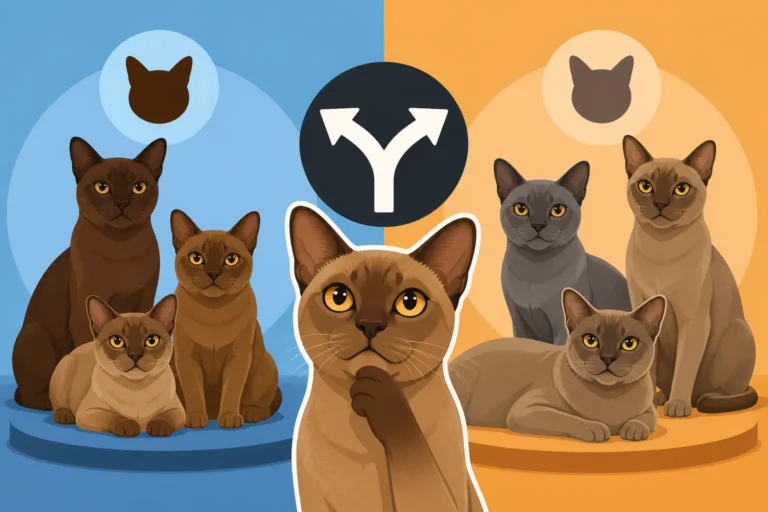
To truly understand why European Burmese breeders are so few in America, we have to rewind to the mid-20th century. While both the American and European Burmese descended from the same foundational cat, Wong Mau, their breeding programs took distinct paths after World War II. In America, the breed developed towards a more compact, cobby body type with a rounder head and shorter muzzle, often referred to as the "American Burmese." Across the Atlantic, particularly in the UK, breeders favored a slightly more oriental, elegant cat with a wedge-shaped head, longer muzzle, and almond-shaped eyes – what we now call the "European Burmese."
These two distinct aesthetic preferences led to separate breeding standards and, eventually, a significant divergence in their gene pools. American registries, like the Cat Fanciers' Association (CFA), primarily recognize the American type, while associations such as The International Cat Association (TICA) and those in Europe recognize both, often under different classifications. This historical split means that the breeding stock, and thus the breeders themselves, largely concentrated on their respective continents. For a deeper dive into this fascinating split, you might want to read How the American and European Burmese Split.
Breeder Challenges: Importing and Maintaining Lines
For a breeder in America to establish a European Burmese line, it typically requires importing cats from Europe. This is no small feat. Importing involves considerable expense, including airfare for the cat, veterinary checks, quarantine periods, and extensive paperwork to comply with international regulations. Beyond the initial cost, these imported cats need to be healthy, genetically sound, and conform strictly to the European standard to be valuable breeding animals. Finding breeders willing to part with their best breeding stock for export adds another layer of complexity.
Moreover, maintaining these lines once established in the US presents ongoing challenges. The gene pool for the European Burmese in America is inherently much smaller than in Europe, and certainly smaller than that of the American Burmese here. This means breeders must be incredibly diligent about genetic diversity, often requiring further imports to prevent inbreeding and maintain breed health. This dedication requires significant financial investment, a deep understanding of genetics, and a passionate commitment to the European type, making it a niche endeavor for only the most devoted breeders. You can learn more about the costs involved in What Importing European Burmese Lines Costs.
The Impact on Availability and Demand
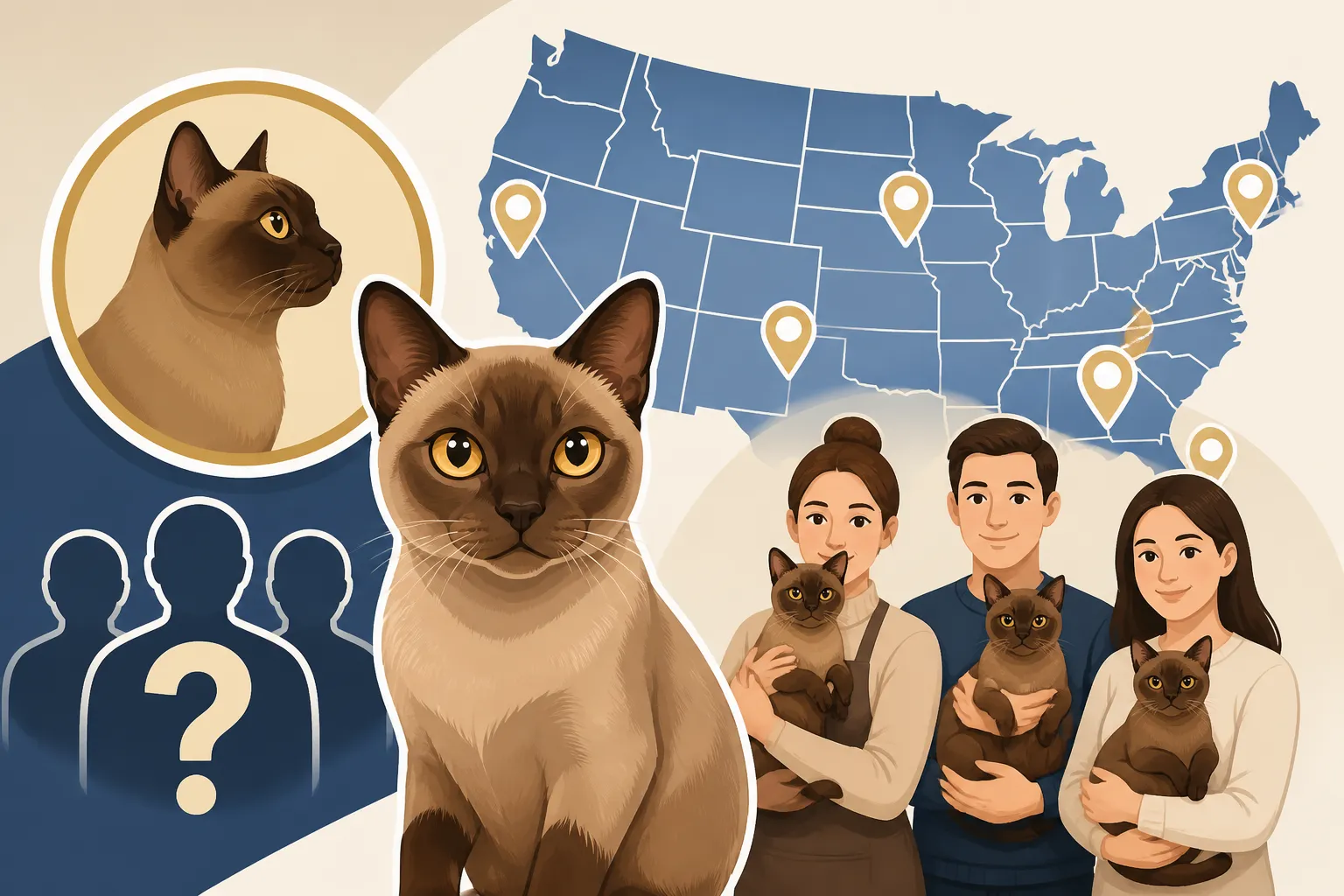
The net result of these historical and logistical factors is a very limited number of European Burmese breeders in the US. This scarcity directly impacts availability, meaning prospective owners will face longer waitlists and potentially travel significant distances to find a kitten. While demand for these beautiful, engaging cats is certainly present, the supply simply cannot match it.
This situation can be incredibly frustrating for someone who has fallen in love with the specific look and temperament of the European Burmese and is ready to welcome one into their home. It often requires a shift in expectation from "finding a kitten" to "being selected by a breeder" and embracing a journey that might take months, or even a year or more. The patience required is part of the territory when seeking such a specialized and carefully bred animal.
Identifying a True European Burmese Breeder in the US
Given the rarity, it's crucial to be incredibly discerning when searching for a European Burmese breeder in America. Unfortunately, where there's scarcity, there can sometimes be opportunism. Knowing what to look for, what questions to ask, and how to verify information is paramount to ensuring you're getting a genuine, healthy European Burmese kitten from an ethical and reputable source.
Registry Differences and Pedigree Verification
One of the most important first steps is to understand the different cat registries. In the US, the Cat Fanciers' Association (CFA) is largely focused on the American Burmese standard. While TICA (The International Cat Association) recognizes both types, a breeder specifically working with European lines will often be registered with TICA, or even with a European registry like the Governing Council of the Cat Fancy (GCCF) in the UK, if their lines are directly imported. You'll want to ask about their registrations and verify that the kitten's pedigree genuinely traces back through recognized European Burmese lines.
A reputable breeder will be transparent and eager to share this information. They will provide you with a pedigree that clearly shows the lineage, often with ancestors carrying titles from shows adhering to the European standard. Don't be shy about asking to see registration papers for both parents and the kitten. This isn't just about proving "purebred" status; it's about confirming the distinct genetic heritage of the European type. Understanding Which Registries Separate the Two Burmese Types is key here.
What to Expect from a European Burmese Breeder
A dedicated European Burmese breeder, even a small one, will operate with the highest standards of care and ethics. Expect a breeder to be incredibly knowledgeable about the breed's specific health concerns, temperament traits, and the nuances that differentiate the European type from the American. They should be able to articulate why they choose to breed the European standard and what their breeding goals are.
You should also anticipate a thorough screening process for yourself. Reputable breeders care deeply about where their kittens go and will ask detailed questions about your home environment, lifestyle, experience with cats, and even your working hours. They want to ensure their kittens are going to loving, stable homes where their unique needs, such as the Burmese's need for constant companionship, will be met. This might sound intrusive, but it's a mark of a responsible breeder committed to the welfare of their animals. Why a Burmese Breeder Asks How Long You Work is directly tied to this level of care.
| Feature | Reputable European Burmese Breeder | Questionable Breeder |
|---|---|---|
| Registries | TICA or European registries, clear pedigree | Vague on registration, no verifiable pedigree |
| Health Testing | DNA tests for common Burmese genetic conditions (Hypokalemia, GM2, etc.), clear health guarantees | No proof of testing, vague health claims |
| Kitten Age | Kittens stay until 12-16 weeks for socialization and vaccinations | Offers kittens at 8-10 weeks (too young) |
| Transparency | Openly shares information, answers all questions, provides references | Evasive, pushes for quick sale, no references |
| Environment | Kittens raised in a clean, stimulating home environment, well-socialized | Kittens kept in cages, poor living conditions, shy or fearful cats |
| Support | Offers lifetime support and takes back cats if needed | Disappears after sale, no ongoing support |
| Price | Reflects significant investment in breeding, health, and care | Unusually low price, often a red flag for cut corners |
Navigating the Waitlist and Screening Process
Because of their rarity, nearly all genuine European Burmese breeders in the US will have a waitlist. This isn't a tactic to drive up demand; it's a reflection of the small number of litters produced and the high interest in these cats. Be prepared for a wait that could easily span several months, or even over a year, depending on the breeder's schedule and the availability of kittens.
When you contact a breeder, present yourself as a serious, informed, and patient prospective owner. Share details about why you're specifically interested in the European Burmese and what kind of home you can offer. The initial conversation is often less about an immediate sale and more about building a relationship and demonstrating your suitability. Many breeders prioritize placing their kittens in homes that align with their own values and understanding of the breed's needs. Don't be surprised if they recommend getting two kittens, as Why Burmese Breeders Sell Them in Pairs is a common and often beneficial practice for these highly social cats.
The Realities of European Burmese Ownership in America
Choosing a European Burmese, especially in America where they are less common, is a commitment that extends beyond finding a breeder. It involves understanding the breed's unique needs, financial implications, and the dedication required to ensure a long, healthy, and happy life for your new companion.
Understanding the Price Premium
It’s no secret that the upfront cost of a well-bred European Burmese kitten in America is significantly higher than that of many other breeds, and often higher than an American Burmese. This premium reflects the immense effort, expense, and care that goes into maintaining these rare lines in the US. Factors like the cost of importing breeding stock, extensive health testing, high-quality nutrition for the queen and kittens, vet care, and the sheer time investment of a dedicated breeder all contribute to the price. For more detail, consider Why a European Burmese Costs Twice an American One.
When budgeting, think beyond the initial purchase price. This is a highly social and active breed that thrives on companionship and interaction. While they aren't typically high-maintenance in terms of grooming (their short, satin coat is a dream!), their need for attention and mental stimulation is paramount. Consider the lifetime costs outlined in What a Burmese Costs Over Sixteen Years, which includes everything from food and litter to veterinary care and potential emergency situations. A healthy financial plan, possibly including pet insurance from providers like Healthy Paws, is a wise move to cover unexpected medical needs.
Accessing Specialized Vet Care and Nutrition
While a European Burmese will receive the same standard veterinary care as any other cat, their breed-specific predispositions mean you'll want a vet who is knowledgeable about Burmese health. The Burmese breed, both American and European types, is known for certain genetic health concerns, most notably a significantly higher predisposition to diabetes. This means routine vet visits often include specific monitoring, and diet becomes a critical medical decision.
Finding high-quality, low-carbohydrate wet food is essential for managing a Burmese's weight and helping to prevent or manage diabetes. Your vet may also recommend specific diagnostic tests or preventative measures. It’s important to communicate openly with your veterinarian about your cat's breed history and any concerns you might have. For more on this, check out Feeding a Burmese Is a Medical Decision, Not a Preference and Why Portion Control Is Medical Care in a Burmese.
Long-term Commitment for a Unique Companion
Bringing a European Burmese into your American home is a long-term commitment, typically spanning 16 years or more with proper care. These cats are renowned for their incredibly affectionate, dog-like personalities. They thrive on human interaction and become deeply bonded with their families. They are not cats that do well left alone for extended periods; they crave companionship and will follow you from room to room, often perching on your shoulder or snuggling under the covers.
This profound need for company means that a European Burmese is best suited for homes where someone is usually present, or where there's another cat companion to keep them company. They integrate wonderfully into bustling households with children and cat-friendly dogs, often treating them as additional playmates. Their playful nature can last well into their senior years, so be prepared for a cat that truly remains a kitten at heart. This deep bond is one of the most rewarding aspects of owning a Burmese, but it requires a conscious commitment to meet their emotional needs.
Disclaimer
This article is for general informational purposes only and does not constitute professional advice. Laws, prices and regulations vary by location and change over time. Consult a qualified professional for guidance on your specific situation.