How Much a Blue Burmese Kitten Costs
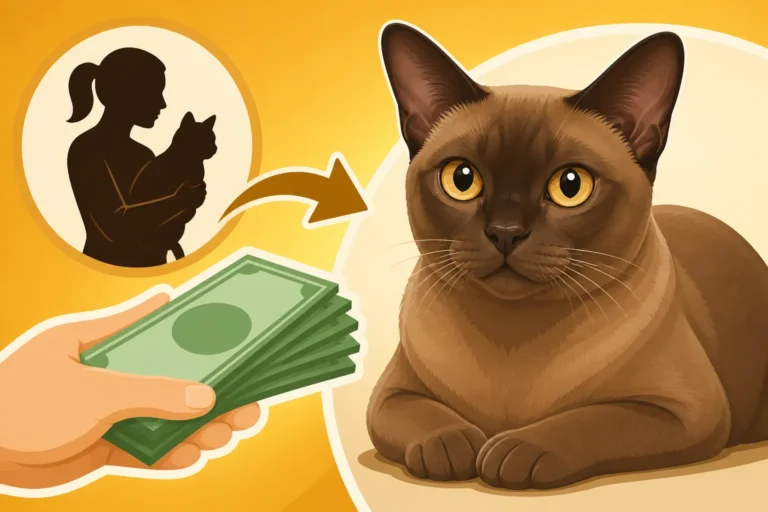
Bringing home a new kitten is such a joyous, exciting time, full of anticipation for years of purrs and shoulder rides. But for many prospective Burmese owners, the initial flurry of searching for that perfect sapphire-eyed companion quickly gives way to a practical question: how much is this going to cost me? This guide will dive deep into the factors that influence the price tag of a blue Burmese kitten, going beyond the initial adoption fee to help you understand the true financial commitment involved.
The Price Tag of a Blue Burmese Kitten: More Than Just Color
When you start looking for a Burmese kitten, you’ll quickly notice that colors play a role in pricing. While blue is absolutely stunning with its cool, silvery-grey coat and captivating gold eyes, its cost isn't just a simple matter of aesthetic preference. The price reflects not only the specific genetic make-up for that beautiful blue dilution but also the extensive care, health screening, and ethical breeding practices behind that little ball of fluff.
A blue Burmese is a dilution of the Sable (which is called Brown in the UK and Europe) color, meaning it carries genes that essentially "soften" the intensity of the base brown pigment. This isn't as rare as, say, a Platinum Burmese (a dilution of Champagne, which is often considered the dearest due to its genetic complexity and comparative rarity), nor is it as common as the traditional Sable. Because it requires specific genetics to produce, breeders dedicate careful planning to their breeding programs to achieve these colors. You might find a blue kitten priced somewhat higher than a Sable, but potentially lower than a Platinum, placing it in a mid-to-upper tier of cost within the Burmese color spectrum. The value isn't arbitrary; it's tied to the breeder's expertise in genetics and careful selection over generations. How Much a Blue Burmese Kitten Costs will naturally fall within a certain range depending on these factors.
It's also worth noting that the "type" of Burmese – American versus European – can significantly impact the price. The two types, while sharing a common ancestor, have diverged in appearance and consequently in breeding focus and cost. European Burmese, for instance, often carry a higher price tag due to their more limited gene pool in certain regions and specific breeding standards.
Why Color Affects Price in a Burmese Litter
You might wonder why a color difference within the same litter can lead to varying prices. It comes down to genetics, demand, and breeding goals. While all Burmese kittens from a reputable breeder are precious, some colors are simply harder to produce consistently or are in higher demand among buyers or other breeders.
Consider the genetic journey required to produce specific dilutions like blue. A breeder might be aiming for a diverse litter to meet different demands, or they might be focusing on perfecting certain lines known for their blue coats. This meticulous planning, which involves understanding complex genetics and potentially bringing in new lines, translates into the kitten's price. It's not just about a pretty coat; it's about the science and artistry of careful breeding. When you're looking at How Much a Champagne Burmese Kitten Costs compared to a blue, you're seeing these subtle differences in genetic rarity and demand reflected.
Another factor is the overall health and vigor of the color line. Ethical breeders prioritize health above all else. If a particular color line tends to be robust and healthy, that stability can also play a subtle role in its perceived value and pricing.
Here's a simplified look at how different recognized Burmese colors might typically be positioned in terms of cost and availability:
| Burmese Color | Base Color | Dilution | Typical Price Tier (Relative) | General Availability |
|---|---|---|---|---|
| Sable | Brown | None | Standard/Lower | High |
| Blue | Brown | Yes | Mid/Upper | Moderate |
| Champagne | Chocolate | None | Mid/Upper | Moderate |
| Platinum | Chocolate | Yes | Highest | Lower |
This table provides a general idea; actual prices will fluctuate based on breeder, location, pedigree, and individual kitten quality (pet vs. show).
Beyond the Blue Coat: Factors Influencing the Initial Purchase Price
When you're bringing home a blue Burmese kitten, the initial cost is influenced by a range of critical factors that speak volumes about the breeder's commitment to health, temperament, and the preservation of the breed. It’s never just about the color or the cute factor; it’s about the foundation you’re getting for your new family member.
Health Screening and Genetic Testing
This is arguably the most important factor in the initial price. Reputable Burmese breeders invest heavily in health screening for their breeding cats. This isn't a luxury; it's a necessity to prevent devastating genetic diseases from being passed down to kittens. Key tests for Burmese include screening for Hypokalemia and GM2 Gangliosidosis.
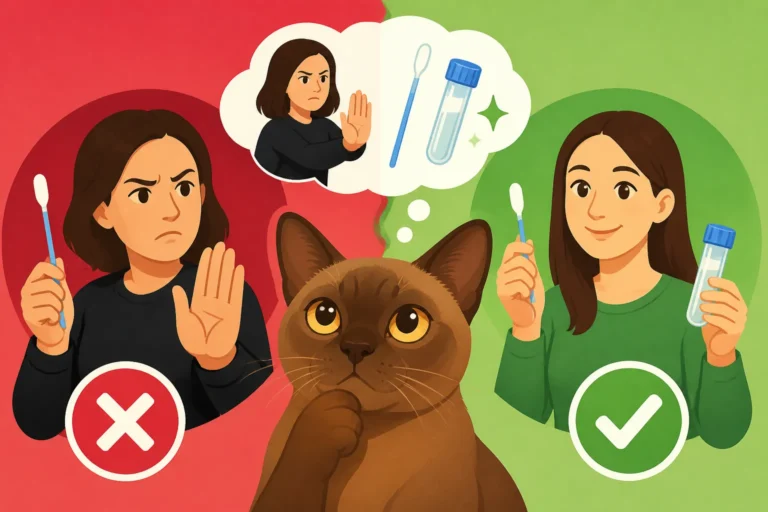
- Hypokalemia: This is a genetic condition that affects the Burmese breed, causing episodes of muscle weakness. There's a DNA test for it, and ethical breeders will test both parents to ensure they aren't breeding two carriers together, which would produce affected kittens. Knowing How the Burmese Hypokalemia Test Is Read is crucial for both breeders and prospective owners.
- GM2 Gangliosidosis: Another serious genetic disorder with a DNA test available. Affected kittens typically show neurological symptoms early in life and have a very poor prognosis.
- Burmese Head Defect: This is a lethal recessive gene that can cause severe facial deformities. Responsible breeders screen for this to avoid the heartbreaking outcome of affected kittens. What a Burmese Head Defect Kitten Looks Like is something no breeder wants to see, making testing paramount.
The cost of these DNA tests, along with regular vet check-ups, vaccinations, deworming, and microchipping for the queen and her kittens, adds up significantly. A breeder who doesn't perform these tests and simply sells kittens cheaply is cutting corners, and that choice can lead to heartbreaking and expensive health issues for you down the line. You are paying for peace of mind and a kitten with the best possible start in life. What a Burmese Breeder Must Test Before Any Mating should be a non-negotiable question you ask.
Breeder Reputation and Pedigree
A breeder's reputation is built on years of ethical practices, healthy cats, and satisfied owners. A well-established breeder with a strong reputation will often charge more, and rightfully so. This isn't just about "brand name"; it's about the verifiable quality of their breeding program. They often participate in cat shows, where their cats are judged against the breed standard, further validating their efforts.
Pedigree also plays a role. If a kitten comes from a long line of champions or has parents with exceptional show records and temperaments, the price will reflect that. This is particularly true if you are looking for a show-quality kitten, which will be priced higher than a pet-quality kitten. Even if you only want a pet, a strong pedigree indicates a breeder dedicated to maintaining breed standards and health.
Kitten Care and Socialization
The first 12-16 weeks of a kitten's life are crucial for its development. A reputable breeder provides exceptional care, which includes:
- Nutrition: High-quality food for the mother and kittens.
- Veterinary Care: Multiple vet checks, initial vaccinations, and deworming.
- Socialization: Kittens are handled daily, exposed to household noises, children, and other pets, and taught good litter box habits. This extensive socialization is vital for a Burmese, as they are incredibly social creatures. Why a Burmese Kitten Stays Until It Is Socialized is a testament to the importance of this early interaction.
All of these aspects of early care contribute to a well-adjusted, healthy, and happy kitten, which is reflected in the purchase price. A breeder who rushes kittens out the door at 8-10 weeks to save money is doing both the kitten and the new owner a disservice.
The Lifetime Investment: Beyond the Purchase Price
The initial cost of your blue Burmese kitten, while a significant consideration, is truly just the tip of the iceberg when it comes to lifetime expenses. A responsible owner understands that committing to a Burmese means budgeting for their care over their impressive lifespan, which can easily be The Sixteen to Eighteen Years a Well Bred Burmese Gets. Many of these ongoing costs are directly related to the breed's specific health predispositions and their unique care needs.
Nutrition and Diet: A Medical Decision
For a Burmese, food isn't just fuel; it's preventative medicine. The breed has a notoriously high predisposition to diabetes. In fact, Why a Burmese Is Four Times More Likely to Become Diabetic isn't an exaggeration – it's a serious reality. This means a lifelong commitment to a low-carbohydrate, high-protein diet is crucial for managing their weight and mitigating this risk.
- High-Quality Wet Food: Dry kibble, even premium brands, often contains too many carbohydrates for a Burmese. This is where investing in high-quality wet food comes in. Brands found on platforms like Chewy that offer transparent nutritional information, allowing you to select options specifically formulated for low-carb intake, become invaluable. You might find yourself spending more on food than you anticipate, but this is a direct investment in your cat's health.
- Portion Control: Free-feeding a Burmese is an absolute no-go. They are intelligent and food-motivated, and will often overeat. Each meal needs to be weighed and portioned carefully. Why Portion Control Is Medical Care in a Burmese cannot be stressed enough; it directly impacts their risk of diabetes and overall health.
- Treats: Even treats need to be factored into their daily caloric and carbohydrate intake. Choosing meat-based, low-carb treats over sugary or grain-filled options is essential.
This dietary vigilance can mean a higher monthly grocery bill for your feline friend, but it is a small price to pay to potentially prevent or manage a chronic condition.
Veterinary Care and Health Monitoring
Given the Burmese's genetic predispositions, their veterinary care goes beyond annual check-ups. Regular health monitoring, especially as they get older, is crucial.
- Annual Exams with Glucose Checks: From around seven years old, if not sooner, your vet will likely recommend annual glucose checks as part of routine bloodwork. This proactive screening helps catch early signs of diabetes. Why a Burmese's Glucose Should Be Checked From Seven years old is a common recommendation, underscoring the breed's specific vulnerability.
- Dental Care: Burmese cats are prone to gum disease and tooth resorption, often requiring more frequent dental cleanings under anesthesia than other breeds. This can become a significant recurring expense. You'll want to budget for How Often a Burmese Needs a Dental throughout its lifetime, as well as daily home brushing.
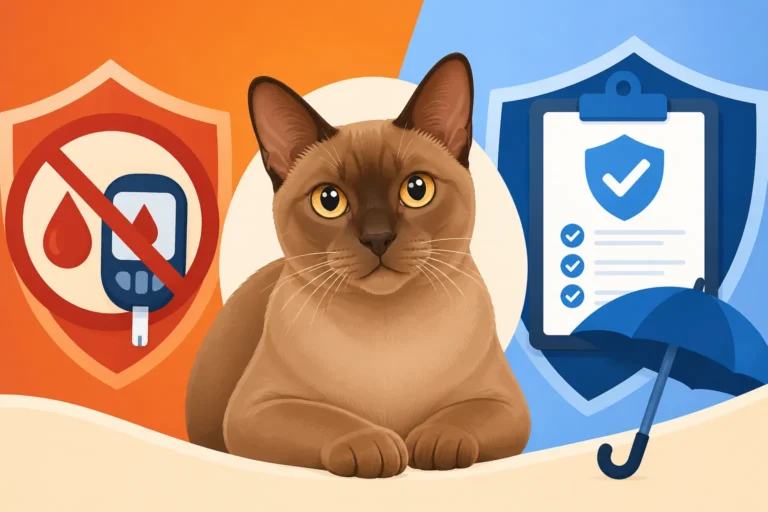
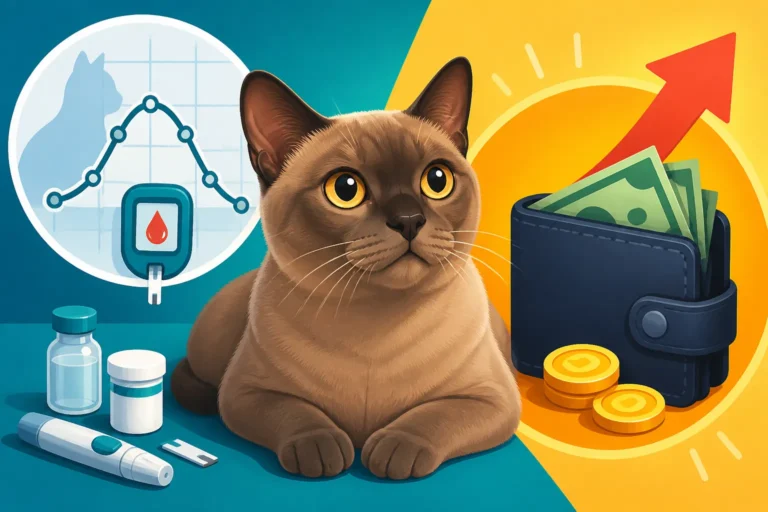
- Diabetes Management: If your Burmese does become diabetic, the costs skyrocket. This includes insulin, syringes, regular vet visits for glucose curves, and potentially a home glucose monitor. What Diabetes Costs a Burmese Owner a Year can be substantial, making preventative care even more critical.
- Pet Insurance: Given these potential health challenges, pet insurance can be a lifesaver. Companies like Healthy Paws offer policies that can help offset the costs of unexpected illnesses or chronic conditions. It's a wise investment, particularly if started when your kitten is young and healthy, before any pre-existing conditions are noted. Whether a Burmese Policy Is Worth It Once Diabetes Is Excluded is a question many owners face, highlighting the importance of understanding policy terms.
Grooming and Environmental Needs
While the Burmese's short, satin coat is famously low-maintenance and rarely needs a bath, there are still some costs associated with their specific needs:
- Grooming Tools: A soft chamois cloth for that signature sheen is a small investment, and nail clippers are essential.
- Warmth: With their short coats and minimal undercoat, Burmese feel the cold more keenly. They will gravitate towards warm spots, and you might find yourself investing in heated beds or ensuring your home heating is sufficient to keep them comfortable, especially in colder climates. Why a Burmese Needs Somewhere Warm to Sleep is more than just a preference; it's a comfort and health consideration.
- Company: This isn't a direct financial cost, but a critical behavioral one that can lead to financial stress if not met. Burmese cats are incredibly social and can suffer from separation anxiety if left alone for long periods. Many breeders recommend adopting two Burmese together, or ensuring another pet or person is frequently home. Why a Burmese Owner Should Budget for Two Cats is often said with a chuckle, but it addresses a real need for companionship to prevent behavioral issues that could result in vet bills for stress-related problems. If you're single and work long hours, considering a second cat can be a wise "investment" in your Burmese's emotional well-being.
- Enrichment: Because they are so intelligent and playful, Burmese need plenty of mental and physical stimulation. Investing in interactive toys, puzzle feeders (like those you might find on Chewy that slow down mealtime and provide mental engagement), and cat trees can keep them happy and prevent destructive behaviors that stem from boredom. High-quality, engaging pet products can also contribute to a happy, healthy environment.
Bringing a blue Burmese kitten into your life is a significant commitment, both emotionally and financially. Understanding the full scope of costs, from the initial purchase price influenced by responsible breeding to the ongoing expenses of specialized diet, veterinary care, and companionship, will help you prepare for a long and joyful life with this incredible breed.
Disclaimer
This article is for general informational purposes only and does not constitute professional advice. Laws, prices and regulations vary by location and change over time. Consult a qualified professional for guidance on your specific situation.