Whether a Tortie Burmese Is Priced Apart
It’s a common moment of fascination when you first encounter a Burmese cat, often described as a "brick wrapped in silk" due to their surprisingly solid build and incredibly soft, short coat. Their signature colors are deep, lustrous, and typically fall into a distinct range. But what happens when you hear talk of a "Tortie Burmese"? It sparks curiosity, often followed by confusion, because a tortoiseshell pattern isn't part of the standard Burmese palette. This guide will delve into why a true Tortie Burmese is incredibly rare, if not genetically improbable in a purebred sense, and what that means for its price and recognition.
Understanding Burmese Coat Colors and Genetics
Before we dive into the rarity of a Tortie Burmese, it’s essential to understand the established coat colors that breeders and cat fancy associations recognize for the breed. The Burmese is known for its distinctive, genetically determined color range, which is much more limited than many other cat breeds.
The Core Four Burmese Colors
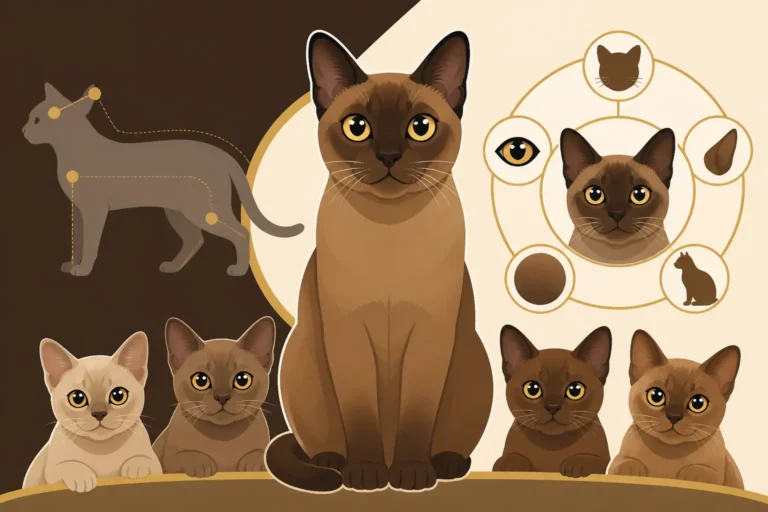
The Burmese breed, in both its American and European types, is primarily recognized in a specific set of solid-like colors, which are all variations of the "Burmese Restriction" gene. This gene, known as cb, essentially "restricts" the pigment to the warmer parts of the body, giving the cat a darker appearance on its extremities (face, ears, paws, tail) and a slightly lighter body. It's not a true pointed pattern like a Siamese, but a subtle shading.
The foundational color for a Burmese is Sable (often called Brown in Europe), which is a rich, dark sepia brown. From this base, we get the diluted colors:
- Champagne (often called Chocolate in Europe) is a warm, lighter milk-chocolate brown.
- Blue is a medium grey with a hint of warmth, often described as slate.
- Platinum (often called Lilac in Europe) is a pale, silvery grey with a pinkish or mushroom undertone.
These four colors form the cornerstone of the Burmese breed's appearance, and each has its own nuances in depth and tone. You'll find a fantastic overview in The Four Colors a Burmese Comes In if you'd like to explore them further.
How Color Genes Work in Burmese Cats
The magic behind the Burmese coat lies in the cb allele, part of the albino series of genes, which is responsible for the temperature-sensitive partial albinism. This means the cat's enzymes produce less pigment in warmer areas of the body, creating that characteristic subtle shading. It's a key genetic marker for the breed. Both parents must carry at least one copy of this cb gene, and a purebred Burmese will have two copies (cb/cb).
The primary color-determining gene in cats is the "B/b" gene for black pigment and its dilute "D/d" gene for dilution. So, a Sable Burmese is genetically black, but the cb gene modifies how that black is expressed. A Champagne Burmese is genetically chocolate, again modified by cb. Blue and Platinum are diluted versions of these. The gene responsible for red or cream colors, known as the "Orange" gene (O/o), is located on the X chromosome. This is crucial for understanding why torties are typically female.
The Genetic Basis of Tortoiseshell (Tortie) in Cats
Now, let's talk about torties. A tortoiseshell cat is characterized by patches of two distinct colors, typically black or its dilute forms (blue, chocolate, lilac) and red or its dilute forms (cream, apricot). This pattern, often described as a "calico" if white patches are also present, almost exclusively occurs in female cats. The reason for this is entirely genetic: the "Orange" gene, which determines whether a cat is red/cream or not, is located on the X chromosome.
Female cats have two X chromosomes (XX), while males have one X and one Y (XY). For a cat to express both red/cream and black/non-red colors in patches, it needs two different alleles of the "Orange" gene, one on each X chromosome. This is only possible in females (XX). If a male cat is tortie, it's a rare genetic anomaly, usually due to an extra X chromosome (XXY), which often leads to sterility. This fundamental genetic principle is what makes a true Burmese tortie such a puzzling concept.
Why Tortie Burmese Cats Are a Rarity (and Often Unrecognized)
Given the specific genetic makeup of the Burmese and the distinct mechanism for tortie patterns, combining the two naturally within the purebred standard presents a significant challenge.
The Burmese Color Palette vs. Tortie Genetics
The Burmese breed standard focuses on solid-like colors, modified by the cb gene. These colors (sable, champagne, blue, platinum) are all derived from either black or chocolate pigment. A true tortie pattern requires the presence of the "Orange" gene, which introduces red or cream alongside black or chocolate. While a Burmese could carry the "Orange" gene, its expression would typically result in a single, modified color, not the patched effect. For instance, a female Burmese carrying the Orange gene and the cb gene would likely express a modified red or cream color across its body, not distinct patches of red and a non-red color. The cb gene modifies the intensity and distribution of color, but it doesn't create the patchwork effect that defines a tortie.
Therefore, a truly "purebred" Burmese, adhering strictly to the genetic makeup of the recognized breed, is not expected to be tortoiseshell. If you see a cat advertised as a "Tortie Burmese," it raises immediate questions about its lineage and genetic purity. It's a bit like seeing a naturally green-furred dog; it's simply outside the known genetic possibilities for that species.
The Role of Outcrossing in Tortie Burmese Appearance
If a cat truly presents with a tortoiseshell pattern and is identified as "Burmese-like," it's highly probable that it is the result of outcrossing. Outcrossing occurs when a cat of one breed is deliberately or accidentally bred with a cat of another breed, or a domestic shorthair, to introduce new traits or diversify the gene pool. For a tortie pattern to emerge in a cat resembling a Burmese, it would likely involve breeding a Burmese (or a cat carrying Burmese genes) with another breed that carries the "Orange" gene and expresses it in a tortie pattern.
Historically, the Burmese breed itself was developed by breeding the founding cat, Wong Mau, with a Siamese. This initial outcrossing helped establish the unique Burmese coloration. However, after the breed was established, strict standards were put in place to maintain its distinct characteristics. Any modern outcrossing would mean the cat isn't considered a "purebred" Burmese by most registries and breeders. This distinction is vital when considering the price and value of such a cat, as its genetic heritage would deviate from the standard.
Recognition by Cat Registries
Cat registries like the Cat Fanciers' Association (CFA) or The International Cat Association (TICA) have very specific breed standards, which include acceptable coat colors and patterns. For the Burmese, these standards consistently list the four core colors: sable/brown, champagne/chocolate, blue, and platinum/lilac. You can explore how these colors fit into the breed standard in What a Burmese Looks Like Against the Standard.
A tortoiseshell pattern is simply not recognized as a legitimate color for a purebred Burmese. This means that if a cat displaying a tortie pattern were presented as a Burmese, it would not be eligible for championship showing and likely wouldn't be registered as a purebred Burmese. This lack of official recognition significantly impacts how such a cat is valued, particularly by those involved in showing or breeding. While an individual owner might adore a uniquely colored cat, its "purebred" status and the associated pricing would be compromised.
Pricing Factors for Burmese Cats (and Potential Torties)
When considering the cost of any purebred cat, including the Burmese, a multitude of factors come into play. These factors largely dictate the price, far more so than a non-standard color.
Standard Pricing for Recognized Burmese Colors
For a truly purebred Burmese kitten, born of parents rigorously health-tested and adhering to breed standards, the price will reflect the breeder's investment in genetic screening, quality care, and pedigree. Generally, prices can vary based on the specific color, with rarer or more desirable shades sometimes fetching a higher price. For instance, How Much a Sable Burmese Kitten Costs might differ slightly from a platinum or blue kitten. However, the core price drivers remain the same: health, temperament, and adherence to the breed standard.
A reputable breeder will invest in extensive health testing for conditions common to the breed, such as diabetes and hypokalemia. They'll also ensure proper socialization and provide a health guarantee. This all contributes to the overall price. When you see a high price for a purebred Burmese, you are often paying for the peace of mind that comes with a well-bred, healthy kitten from a responsible lineage, not just its looks.
Breeder Reputability and Health Guarantees
The most significant factor influencing a Burmese kitten's price is the breeder's reputation and the health guarantees they provide. A truly responsible breeder will readily offer documentation of parental DNA tests for known Burmese conditions. For example, knowing the lineage and health history is paramount, especially considering conditions like inherited diabetes. You should always ask Which Tests Belong on a Burmese DNA Panel to ensure your kitten has the best start.
A good breeder provides a detailed contract, including guarantees against genetic defects and a clear understanding of the kitten's pedigree. This level of transparency and commitment to the breed's health and well-being is what truly commands a higher price, irrespective of a specific coat color. They aren't just selling a kitten; they're selling a commitment to responsible breeding and ongoing support.
The "Uniqueness" Factor for Unusual Colors
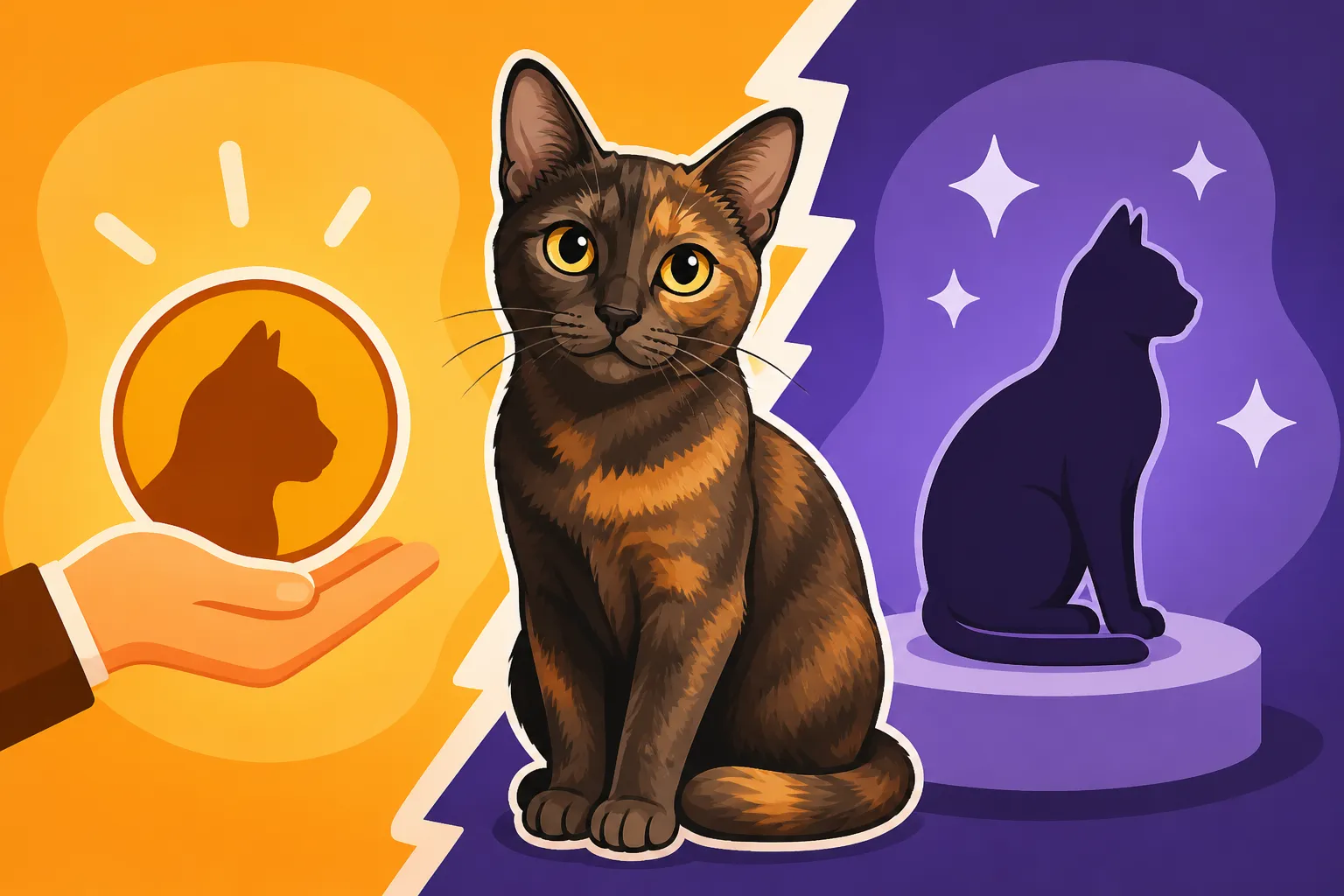
Now, back to the "Tortie Burmese." Because a true tortie pattern is not a recognized color for the breed, its pricing becomes a bit of a gray area. There are two main ways this might play out:
- Lower Price Due to Non-Standard Status: If a cat with Burmese-like features exhibits a tortie pattern due to accidental outcrossing or an unrecognized genetic anomaly, a responsible breeder (if they were even involved) might price it lower than a standard Burmese. This is because it wouldn't meet the breed standard for showing or breeding, limiting its "value" in the traditional cat fancy sense.
- Higher Price Due to Perceived Rarity/Novelty: Conversely, some individuals might find the "Tortie Burmese" immensely appealing precisely because it's unusual. In a niche market of pet buyers seeking something unique, a breeder (potentially less scrupulous) might try to capitalize on its rarity, marketing it as an "exotic" or "designer" color. This approach often comes with inflated prices that don't reflect breed purity or health guarantees. It's important to be wary of breeders who emphasize "rare colors" over health and temperament.
Ultimately, the pricing of a non-standard colored Burmese is subjective and highly dependent on the breeder's ethics and the buyer's motivations. If the goal is a healthy, temperamentally sound pet, the color itself should be secondary to the breeder's practices.
What to Consider When Encountering a "Tortie Burmese"
If you find yourself captivated by the idea of a "Tortie Burmese," it's vital to approach the situation with diligence and a critical eye. Your primary focus should be on the cat's health, temperament, and genuine lineage, rather than just its unique appearance.
Verifying Pedigree and Type
The first and most important step is to request and thoroughly examine the cat's pedigree papers. A legitimate purebred Burmese will have a verifiable pedigree showing several generations of purebred Burmese cats. Look for documentation from recognized registries like CFA, TICA, or GCCF (for European lines). If a cat is listed as "Burmese" but has a tortie pattern, the pedigree is where any outcrossing or mixed lineage would become apparent. Without a clear, multi-generational Burmese pedigree that adheres to recognized standards, you cannot assume the cat is a purebred Burmese, regardless of how much it might physically resemble one.
It's also important to understand How to Tell Which Burmese Type You Are Buying, as there are distinct American and European Burmese types, each with slightly different standards and appearances. A breeder should be able to clearly articulate which type their cats are and provide corresponding documentation.
Health Screening and Genetic Testing
Regardless of color, any prospective Burmese owner must prioritize health. The breed is predisposed to certain genetic conditions, notably hypokalemia and diabetes. You should insist on seeing evidence of genetic testing for both parents. A responsible breeder will have performed these tests and be transparent with the results. If a breeder is offering a "Tortie Burmese," and especially if they cannot provide a clear, purebred pedigree, it's even more crucial to ensure that thorough health screenings have been conducted. Any cat you bring into your home should have a clean bill of health and a known genetic background, particularly for a breed with such specific health predispositions. Many reputable pet supply retailers like Chewy offer a wide range of specialized diets that can support a cat's health, particularly if they have a predisposition to conditions like diabetes.
Responsible Breeding Practices
A responsible breeder's priority is the health and welfare of their cats and the preservation of the breed standard. They will be knowledgeable about breed genetics, including color genetics, and will be transparent about their breeding practices. If a breeder is actively producing or marketing "Tortie Burmese" kittens, you should question their understanding of Burmese genetics and breed standards.
A good breeder will also ask you many questions, ensuring that their kittens go to suitable homes. They'll be open about their cattery environment, allow visits (when appropriate), and provide ongoing support. Be wary of breeders who:
- Emphasize "rare" colors over health and temperament.
- Cannot provide comprehensive health records or pedigree papers.
- Are evasive about their breeding practices or the lineage of their cats.
When considering a kitten, think about the long-term commitment. Pet insurance providers like Healthy Paws can offer peace of mind, but they'll also look at a cat's pedigree and pre-existing conditions. Always prioritize ethical breeding over superficial uniqueness.
| Feature | Purebred, Standard Color Burmese | "Tortie Burmese" (Potential Outcross) |
|---|---|---|
| Coat Colors | Sable, Champagne, Blue, Platinum | Patches of Black/Blue/Chocolate and Red/Cream |
| Genetic Origin | cb gene (Burmese Restriction) | Requires 'Orange' gene on X chromosome, usually implying outcross |
| Registry Recognition | Fully recognized and registerable | Not recognized as purebred Burmese color |
| Show Eligibility | Eligible for championship shows | Ineligible for championship shows |
| Breeding Potential | Can be bred to produce purebred Burmese kittens | Cannot produce purebred Burmese kittens (by standard) |
| Health Guarantees | Expected from reputable breeders | Varies greatly; extreme caution needed |
| Pricing | Based on pedigree, health, quality, type | Highly variable; could be lower (non-standard) or higher (novelty) |
| Owner Due Diligence | Pedigree, health tests, breeder reputation are key | Pedigree, health tests, breeder reputation are paramount |
Disclaimer
This article is for general informational purposes only and does not constitute professional advice. Laws, prices and regulations vary by location and change over time. Consult a qualified professional for guidance on your specific situation.