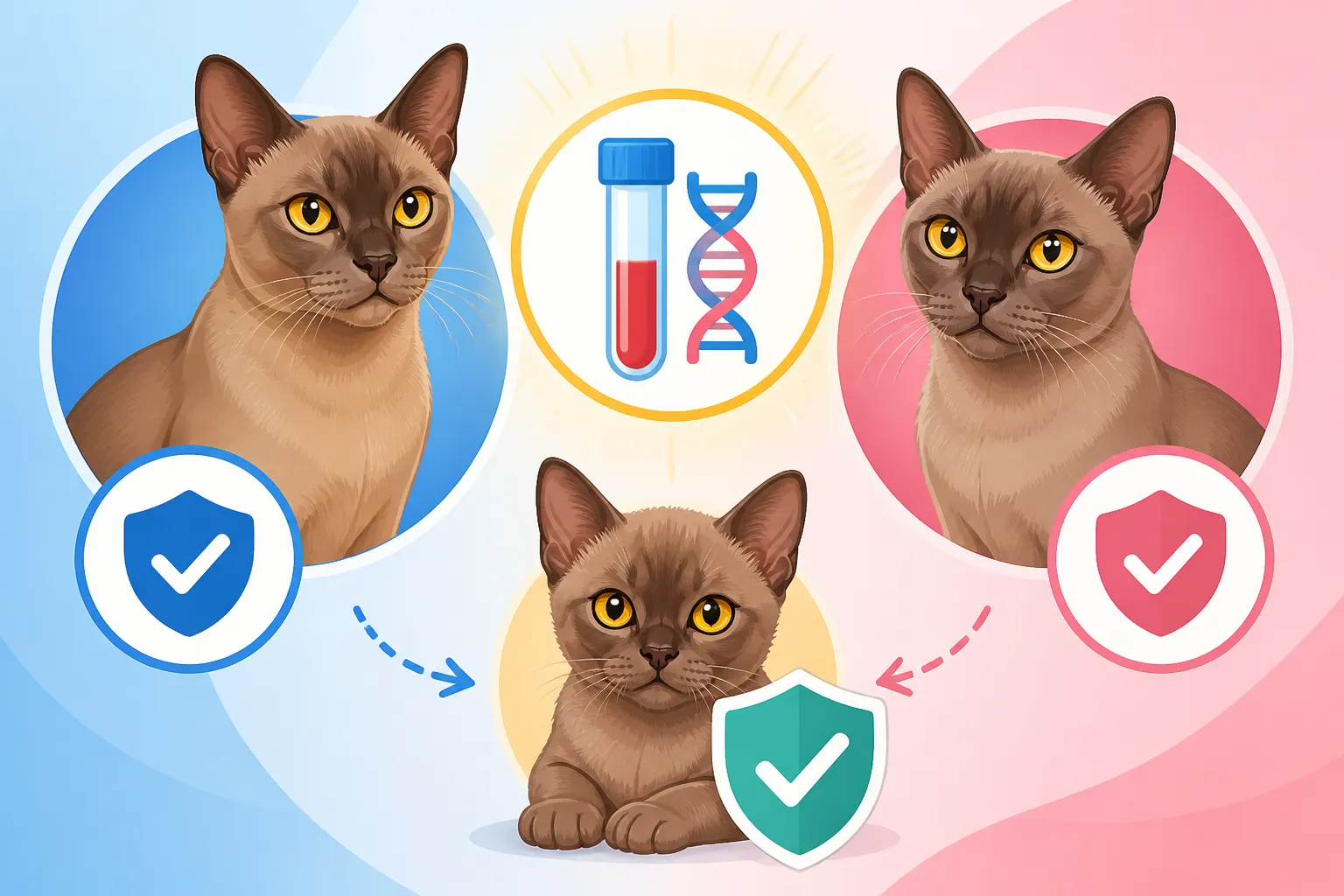
Why Both Burmese Parents Should Be Tested
Bringing a Burmese cat into your life is an incredibly joyful experience, but it can also come with a unique set of heartaches and financial burdens if you're not careful about their origins. Many prospective owners, swept up in the charm of these affectionate felines, overlook the critical importance of ensuring both parents have undergone thorough health testing. This guide will walk you through why genetic screening for both Burmese parents isn't just a recommendation, but an absolute necessity for the health and happiness of your future companion and your peace of mind.
Understanding the Genetic Landscape of the Burmese Breed
The Burmese breed, both American and European types, is known for its incredible personality and stunning appearance, but like many purebred cats, it carries predispositions to certain inherited health conditions. These aren't just minor inconveniences; they can be serious, life-limiting, and incredibly costly, transforming a dream pet into a source of constant worry and expense. Understanding these risks is the first step in making informed decisions.
Common Inherited Conditions in Burmese Cats
Several genetic conditions have a higher prevalence in Burmese cats, making parental testing crucial. These include diabetes mellitus, hypokalemia, and head defect. Each of these conditions has a distinct genetic basis and can manifest with varying degrees of severity, but all require significant intervention and care.
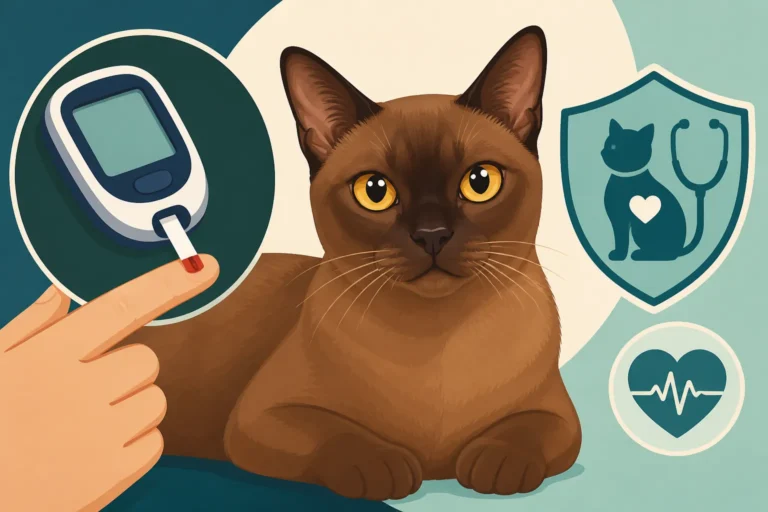
Consider a kitten born to untested parents. You might find yourself months or a few years down the line with a diagnosis of a chronic illness, such as diabetes. This isn't just about managing a condition; it's about altering your life to accommodate daily injections, specialized diets from places like Chewy, and frequent vet visits. The thought of this can be overwhelming for any owner, especially when it could have been largely preventable through responsible breeding practices. It really underscores why understanding the genetic background of your kitten is so important. Which Diseases the Burmese Actually Carries delves deeper into these specific health concerns.
The Role of Recessive Genes and Carrier Status
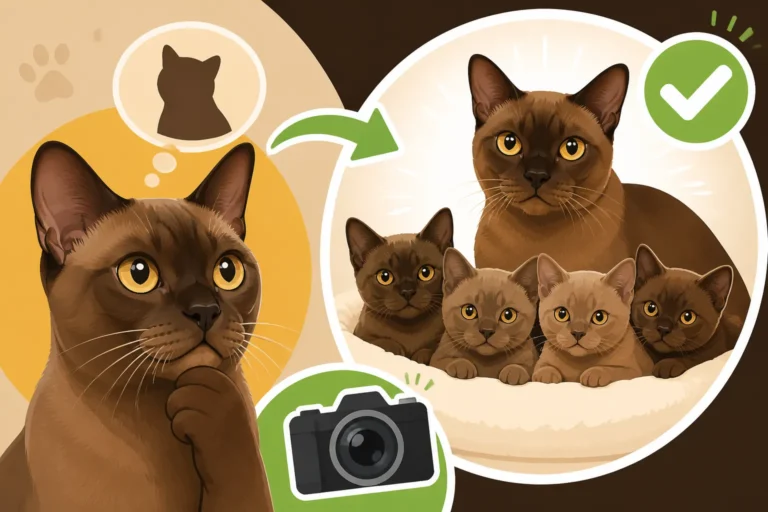
Many of these inherited conditions are passed down through recessive genes. This means a cat can carry the gene for a disease without showing any symptoms itself. It's a silent threat. If two carriers are bred together, each kitten in the litter has a 25% chance of inheriting two copies of the recessive gene and thus developing the disease. They also have a 50% chance of being a carrier themselves, perpetuating the cycle.
Imagine the scenario: you fall in love with a charming Burmese kitten, only to find out later that one of its parents was a carrier for a serious condition like hypokalemia. If the other parent was also a carrier, even if asymptomatic, your kitten could be suffering from painful muscle weakness and episodes of collapse. A responsible breeder will test both parents to prevent such pairings, ensuring that even if one parent is a carrier, they are only bred with a cat that is genetically clear. This drastically reduces the risk of affected offspring and protects the breed's future. How Many Burmese Carry the Hypokalemia Mutation offers a detailed look at this specific condition.
The Importance of DNA Testing for Both Parents
It's not enough to simply test one parent or rely on a general health check-up. Comprehensive DNA testing on both the queen (mother) and the stud (father) provides a clear picture of the genetic risks involved in any mating. This proactive approach is the cornerstone of ethical and responsible breeding.
Identifying Carriers and Preventing Disease Transmission
DNA testing allows breeders to identify cats that are carriers for specific genetic diseases. Once identified, a breeder can make informed decisions about breeding pairs, avoiding combinations that would produce affected kittens. This means a carrier cat isn't necessarily removed from a breeding program, but rather carefully paired with a non-carrier to ensure all offspring are either clear or carriers themselves (who can then be tested before breeding).
For example, with Burmese head defect, a lethal recessive condition, it's absolutely paramount to know the carrier status of both parents. If both parents carry the gene, the outcome for some kittens can be devastating. A breeder who has tested both parents can confidently say that such a tragic outcome is highly unlikely. It’s about more than just avoiding illness; it’s about preventing profound suffering and heartbreak for both the kittens and their future families. This level of transparency and diligence is what separates a reputable breeder from a less scrupulous one. What a Burmese Breeder Must Test Before Any Mating covers this in extensive detail.
Ensuring Comprehensive Health Guarantees
When a breeder provides verifiable DNA test results for both parents, it demonstrates a commitment to the health of their kittens. This often goes hand-in-hand with robust health guarantees in the kitten contract. While no guarantee can ever promise a life free of all illness, one backed by parental genetic testing offers significant reassurance regarding inherited conditions.
Without parental testing, any health guarantee regarding genetic conditions might be vague or non-existent, leaving new owners vulnerable. Imagine purchasing a kitten only to discover a year later it has developed an inherited disease. Without prior testing and a clear guarantee, you could be facing substantial veterinary bills and emotional distress with little recourse. Knowing that a breeder has done their due diligence, testing both parents, provides a foundation of trust. It means they're invested in the long-term well-being of their cats and the families who adopt them. Whether a Burmese Guarantee Covers Hypokalemia explores how guarantees relate to specific inherited conditions.
The Financial and Emotional Cost of Untested Parents
The decision to skip parental genetic testing might seem like a cost-saving measure for a breeder, but the real cost is often borne by the unsuspecting owners and, most importantly, by the affected cats themselves. These costs are not just financial; they are deeply emotional.
Long-Term Veterinary Expenses
Caring for a Burmese with a chronic or severe inherited condition can be incredibly expensive over its lifetime. Conditions like diabetes, for instance, require ongoing medication, specialized diets, regular vet check-ups, and potentially emergency care. These expenses can easily run into thousands of dollars annually, far exceeding the initial cost savings of a kitten from untested parents.
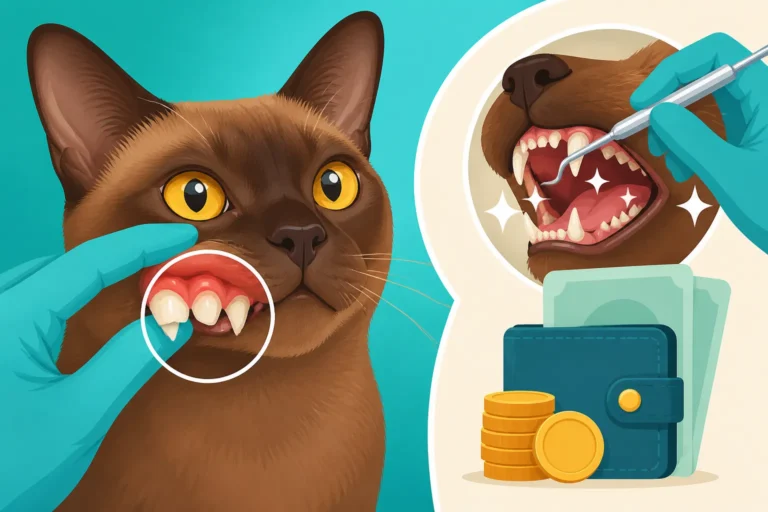
Consider the ongoing needs: insulin, syringes, blood glucose monitoring equipment, and prescription food. Even with pet insurance from providers like Healthy Paws, pre-existing conditions or conditions known to be inherited in the breed might be excluded or impact premium rates. This means that an owner could be left paying out-of-pocket for potentially preventable conditions. A comprehensive genetic panel on both parents, though an upfront cost for the breeder, is an investment that safeguards against these potential future financial drains for kitten buyers. How Much a Full Burmese Genetic Panel Costs can give you an idea of the expense involved in thorough testing.
Emotional Toll and Quality of Life for the Cat
Beyond the financial aspect, there's the profound emotional toll on owners who watch their beloved pet suffer from an inherited disease. Witnessing a cat struggle with discomfort, pain, or the daily routine of managing a chronic illness is heartbreaking. It changes the dynamic of the relationship, often turning what should be a joyous bond into one overshadowed by constant worry and medical care.
More importantly, it impacts the cat's quality of life. A cat suffering from a severe inherited condition might not enjoy the active, playful existence typical of a healthy Burmese. Their days could be filled with lethargy, discomfort, or the stress of medical procedures. No loving owner wants this for their pet. By ensuring both parents are tested, breeders are taking a vital step in ensuring a healthy start for their kittens, allowing them to live full, happy lives. This responsible approach prevents immense suffering and preserves the joyful spirit of the breed.
Finding a Reputable Breeder Who Tests
So, how do you navigate the world of Burmese breeders to ensure you're choosing one who prioritizes health through parental testing? It requires diligence, asking the right questions, and understanding what transparent breeding practices look like.
Questions to Ask a Breeder About Testing
When you're speaking with a potential breeder, don't be shy about asking direct questions regarding their health testing protocols. A reputable breeder will welcome these questions and be eager to provide verifiable answers.
Here's what you should inquire about:
- Which genetic tests do they perform on their breeding cats? They should be able to name specific tests relevant to Burmese health, such as those for hypokalemia, diabetes predisposition, and head defect.
- Can they provide copies of the parental DNA test results? Don't just take their word for it. Reputable labs issue certificates. These documents should clearly state the names of the parent cats, the tests performed, and the results (e.g., "clear," "carrier," "affected").
- What is their breeding philosophy regarding carriers? A responsible breeder will explain how they manage carrier cats in their program, confirming they only breed carriers to clear mates to avoid producing affected offspring.
- What is the health history of their breeding lines? They should be transparent about any known issues, even if rare, and how they work to minimize risk.
A breeder who is evasive, deflects your questions, or claims testing is "unnecessary" or "too expensive" is a red flag. Remember, a cheap kitten upfront can often lead to significantly higher costs and heartache down the road. Why a Cheap Burmese Skipped the Hypokalemia Swab highlights this exact point.
Verifying Test Results and Breeder Transparency
It’s crucial to not only ask for test results but to understand how to verify them. Many genetic testing laboratories offer services where you can input a certificate number or contact them directly to confirm results. A breeder should be happy to provide you with the necessary information to do this.
Look for consistency: The names on the test certificates should match the parents of the litter you are interested in. The date of the testing should be current, typically within the last year or two for certain conditions, or a lifetime test for specific genetic mutations. Transparency extends beyond just showing papers; it involves inviting you to their cattery, answering all your questions openly, and demonstrating a genuine passion for the health and welfare of their animals. For instance, if you're planning to feed your Burmese specialized food due to health predispositions, checking ingredient lists and availability is an important part of your research. This comprehensive approach ensures you're getting a kitten from a foundation of health and care. The DNA Panel a Burmese Breeder Owes You further clarifies what documentation you should expect.
Table of Key Burmese Genetic Tests
To help you in your discussions with breeders, here's a quick overview of some essential genetic tests for Burmese cats:
| Condition | Type of Test | Why it's Important | Inheritance Pattern | Potential Impact on Cat |
|---|---|---|---|---|
| Hypokalemia | DNA Swab | Prevents debilitating muscle weakness and paralysis episodes. | Autosomal Recessive | Intermittent muscle weakness, inability to lift head, pain. |
| GM2 Gangliosidosis | DNA Swab | Screens for a fatal neurological disorder. | Autosomal Recessive | Progressive neurological dysfunction, tremors, loss of coordination. |
| Diabetes Mellitus | DNA Marker Studies (where available); Pedigree analysis | Helps identify predisposition to a common and costly disease. | Complex/Polygenic | Requires daily insulin injections, specialized diet, careful monitoring. |
| Head Defect (CHD) | Pedigree Analysis; potentially DNA Markers | Prevents severe, often lethal, craniofacial deformities. | Autosomal Recessive | Kittens born with severe skull and facial abnormalities, often fatal. |
| Flat Chested Kitten Syndrome | Observation; Genetic Links being studied | Reduces incidence of respiratory distress in kittens. | Complex | Breathing difficulties, stunted growth, variable prognosis. |
This table is a starting point. Always discuss the most current and relevant tests with your chosen breeder and veterinarian.
Disclaimer
This article is for general informational purposes only and does not constitute professional advice. Laws, prices and regulations vary by location and change over time. Consult a qualified professional for guidance on your specific situation.