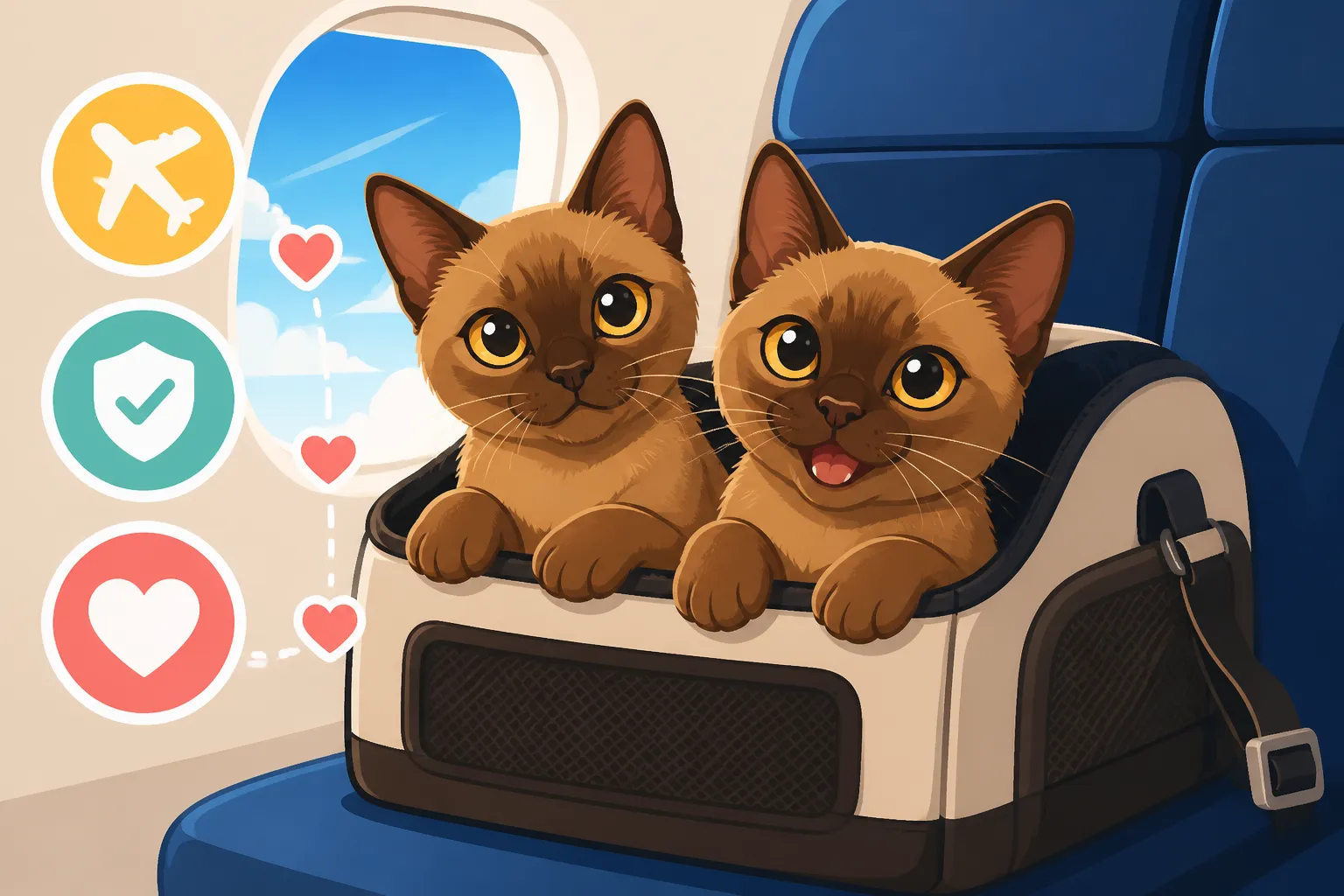
Why Two Burmese Kittens Travel Better Than One
Traveling with any pet can be a challenge, but when you have a young Burmese kitten, the separation anxiety and stress can be intense for both of you. Many new owners dread the idea of a long car ride or flight with a distressed tiny feline, but what if I told you that bringing two Burmese kittens along could actually make the journey smoother? This guide will dive deep into why traveling with a pair of these social, affectionate furballs often turns out to be a surprisingly calmer experience, benefiting everyone involved.
The Inherent Social Needs of the Burmese Breed
The Burmese isn't just any cat; they're known for their incredibly strong bond with their human companions and their almost dog-like need for constant interaction. This isn't a breed that tolerates solitude well, which becomes especially apparent during stressful events like travel. Understanding this fundamental aspect of their personality is key to a successful journey.
Why a Burmese Hates Being Alone
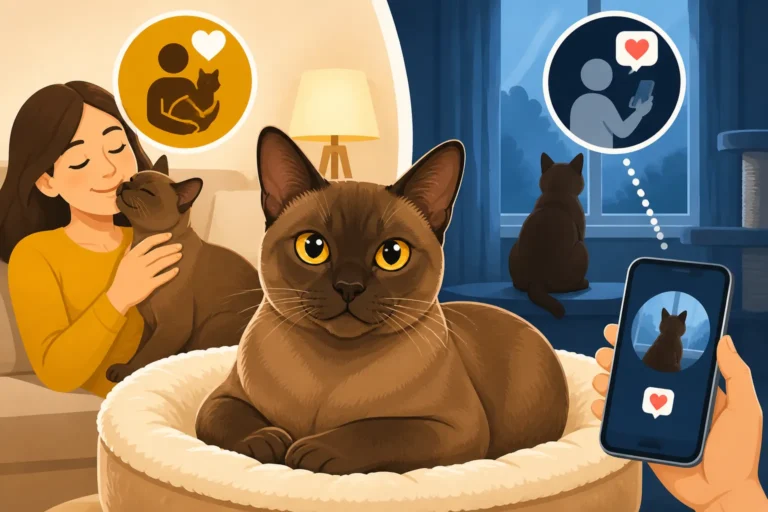
If you've spent any time around a Burmese, you know they are the quintessential "Velcro cat." They want to be where you are, always. Whether it's draped over your shoulder, nestled in your lap, or following you from room to room, their entire world revolves around company. This intense need for companionship means that being alone, even for short periods, can trigger significant distress. When traveling, this means a single Burmese kitten in a carrier can quickly become anxious, vocalizing loudly, pacing, or attempting to escape. The unfamiliar sights, sounds, and smells of travel, combined with the feeling of isolation, are often overwhelming. Think of it as a small child left alone in a strange place – they're looking for comfort, and if it's not you, they'll desperately seek something familiar. For more on their affectionate nature, check out The Burmese Is the Velcro Cat of the Cat Fancy.
This deep-seated desire for connection isn't just a quirk; it's a defining characteristic of the breed. When a Burmese is feeling isolated or uncertain, that anxiety can manifest in various ways, from excessive meowing and scratching at the carrier to withdrawal or even refusing food. I've heard countless stories from owners who describe their single Burmese kitten howling for hours in the car, only calming down when removed from the carrier and held. This isn't just inconvenient; it’s genuinely distressing for the kitten, and something we, as responsible owners, want to avoid if at all possible. This is where the magic of a second kitten often comes into play.
The Power of Sibling Comfort
Imagine being a tiny kitten, suddenly in a moving box, with strange noises and no familiar faces. Now imagine having your littermate, your lifelong companion, right there beside you. The difference in stress levels is often night and day. Sibling comfort provides an immediate, tangible source of security. They share a familiar scent, body warmth, and a reassuring presence that no human can fully replicate inside a carrier. This physical closeness mimics the safety and warmth of their litter pile, reducing feelings of vulnerability and loneliness. It allows them to lean on each other, literally and figuratively, through a potentially scary experience.
When I talk to breeders, they often emphasize that Burmese kittens thrive in pairs. This isn't just about general socialization; it's about deep-seated emotional support. Many reputable Burmese breeders will even encourage you to adopt two kittens together, or ensure a single kitten goes to a home with another pet. The logic extends perfectly to travel. Two kittens can huddle together, grooming each other, purring, and simply existing in shared space. This mutual reassurance can transform a terrifying journey into a manageable adventure, often with far less vocalization or anxious behavior than a solitary kitten. For understanding their need for company, you might want to read Why Burmese Breeders Sell Them in Pairs or Why Two Burmese Cost Less Than One Anxious One.
Practical Benefits of Dual Kitten Travel
Beyond the emotional comfort, there are very real, practical advantages to traveling with two Burmese kittens that can make your life as their chauffeur (or co-pilot) significantly easier.
Shared Carrier, Shared Security
It might seem counterintuitive to put two kittens in one carrier, assuming it would be more crowded or stressful. However, for Burmese kittens, sharing a carrier often leads to greater security and less anxiety. They curl up together, creating a warm, soft, purring pile of comfort. This physical contact can be incredibly soothing, and the shared familiar scent acts as a natural tranquilizer. The trick is to choose a carrier that is appropriately sized for two growing kittens, allowing them to stand, turn around, and lie down comfortably together, but not so large that they slide around uncontroll to the point of injury. A good carrier for a pair will have enough space for both to stretch out when sleeping, yet be snug enough that they don't feel lost or exposed.
While a single kitten might feel vulnerable and exposed in a large carrier, two can create their own little den within it. I've often seen two kittens, even initially a bit wary, settle down much faster when they can huddle up. This shared experience solidifies their bond and provides a sense of normalcy in an otherwise chaotic environment. It also means you only have one carrier to manage, rather than two separate ones, which can simplify logistics significantly. Finding the right size is important; you don't want them cramped, but they shouldn't be bouncing off the walls either. For specific carrier recommendations, consider Which Carrier Two Burmese Will Share.
Distraction and Entertainment on the Go
A lonely, bored kitten can quickly become a destructive force, even within the confines of a carrier. They might persistently try to chew the mesh, claw at the sides, or simply vocalize their displeasure non-stop. Two kittens, on the other hand, often provide their own entertainment. They might bat at each other's tails, engage in a bit of gentle wrestling, or simply observe the world outside the carrier together. This self-generated distraction means less reliance on you to constantly soothe or entertain them, allowing you to focus on the journey itself.
Imagine a long car trip: a single kitten might pace and cry, demanding your attention. Two kittens might spend the first hour exploring their shared space, the next hour napping in a pile, and then wake up for a playful batting session. This keeps their minds engaged and redirects their energy in a positive way. While they will still need breaks and interaction from you, the constant need for intervention is greatly reduced. This can make the journey feel shorter and significantly less stressful for the human driver or traveler.
Reduced Stress on the Human Traveler
Let's be honest, traveling with a distressed pet is incredibly stressful for us. The constant crying, the worry about their well-being, and the distraction from driving can make a journey feel endless and draining. When your kittens are calmly nestled together, perhaps even purring contentedly, the entire experience changes. You can drive with greater peace of mind, knowing they are comfortable and secure. This isn't just about avoiding annoying sounds; it's about minimizing genuine distress in your pets and, by extension, in yourself.
A calm environment for your kittens translates directly into a calmer environment for you. Fewer interruptions, less urgent pleas for attention, and the visual reassurance of them snuggled together means you can arrive at your destination feeling less frazzled. This is particularly important if you're undertaking a long-distance move or a trip where your focus needs to be on navigation and safety. The emotional toll of a constantly crying animal can be immense, and preventing that from the outset by providing a companion is an act of kindness to both your cats and yourself. Interestingly, a content Burmese may even offer a unique vocalization during travel, as detailed in Why a Burmese Rumbles Rather Than Cries in a Car.
Preparing for Travel with a Pair
While traveling with two Burmese kittens offers many advantages, it's not a "throw them in a box and go" situation. Proper preparation is crucial to ensure a smooth journey for everyone.
Acclimating to the Carrier Together
The carrier should be a safe, familiar space, not something that only appears when a stressful event is imminent. Begin acclimating your kittens to their travel carrier weeks, or even months, before your planned trip. Place the carrier in a common area of your home, leave the door open, and make it inviting with soft blankets, treats, and toys. Encourage them to explore it, nap in it, and generally associate it with positive experiences. Feed them their meals inside the carrier, or give them special treats only when they are in it.
The key here is consistency and positive reinforcement. Let them snuggle together in it often, even when you're just moving it from one room to another. This desensitization process will help them see the carrier as a mobile den, rather than a prison. When they are used to being in it together in a calm, home environment, they'll be much more likely to remain calm when the carrier is used for actual travel. For more on making the carrier a haven, read Making the Carrier Somewhere a Burmese Sleeps. Regular positive interactions, even just for five to ten minutes a day, can make a monumental difference when travel day arrives.
Essential Travel Kit for Two
Packing for two kittens means thinking double for some items, but smartly for others. Here's a checklist of essentials to consider:
- Carrier: As discussed, one appropriately sized carrier for both.
- Soft bedding: Familiar blankets or towels from home, imbued with their scent, to line the carrier. These can provide a great sense of comfort.
- Water: Plenty of fresh water. Consider a spill-proof bowl that can attach to the carrier door or a small container that can be offered during stops. Hydration is crucial, especially on longer journeys.
- Food: Their regular food, ideally wet food, portioned for the trip. Don't introduce new foods right before or during travel, as this can cause digestive upset.
- Portable litter box and litter: A small, disposable litter tray or a dedicated travel litter box is essential. Bring enough litter for multiple changes.
- Waste bags and cleaning supplies: Accidents happen, especially when stressed. Paper towels, disinfectant wipes, and plastic bags for waste are must-haves.
- Toys: A couple of their favorite small toys can provide distraction, especially during breaks.
- Health records: Copies of vaccination records and any pertinent health information, just in case of an emergency vet visit.
- First-aid kit: Basic pet first-aid items like gauze, antiseptic wipes, and a pet-safe pain reliever (as advised by your vet).
- Harnesses and leashes: If you plan on taking them out of the carrier during stops, ensure they are securely harnessed. A Burmese is trusting and can easily get lost.
Thinking ahead about what you'll need will prevent frantic searches mid-trip. Stocking up on food and supplies from retailers like Chewy beforehand ensures you have everything on hand.
Feeding and Hydration Strategies
Feeding your Burmese kittens during travel requires a bit of strategy. Generally, it's best to offer a small, easily digestible meal a few hours before departure, rather than right before. This helps prevent car sickness. During the journey, plan for regular stops where you can offer water and a small amount of food if necessary. Some cats, particularly stressed ones, might refuse food altogether. Don't force it, but always offer fresh water.
When stopping, always ensure the kittens are securely contained within their carrier or on a harness and leash if removed. Never let them free-roam in an unfamiliar environment. For longer trips, wet food is often preferred as it provides hydration and is generally easier to digest than dry kibble, which is also higher in carbohydrates – a concern for this breed. Be mindful of their water intake; a sudden increase or decrease can be a sign of stress or an underlying health issue. Burmese can be quite particular about their food, and an upset stomach is the last thing you want on a trip. Remember, stress can suppress appetite, and a Burmese that stops eating is often an unwell one, as noted in Why a Burmese's Appetite Goes When It Is Unhappy.
Potential Challenges and Solutions
Even with two well-adjusted kittens, travel can present its own set of hurdles. Anticipating these and having solutions ready can save a lot of grief.
Managing Potty Breaks
This is often the trickiest part of traveling with cats. For shorter trips (a few hours), many kittens can hold it. For longer journeys, you'll need to provide access to a litter box. The safest way to do this is to place a small, portable litter box inside a secure, enclosed space (like a bathroom in a camper, or a large dog crate in your car if space allows) during stops. Then, carefully transfer one kitten at a time, ensuring all windows and doors are securely closed before opening the carrier. Some people manage to put a small, shallow litter tray directly into a very large carrier, allowing them access throughout the journey. This method, however, can get messy.
Always supervise potty breaks closely. Never let your kittens out of the car or an enclosed space, even for a moment, as they can bolt in unfamiliar surroundings. Dispose of waste immediately and hygienically using waste bags. Keeping the litter area clean will encourage them to use it and reduce odors. For overnight stays in hotels, set up their carrier and litter box in the bathroom or a designated safe area, again ensuring doors and windows are secure.
Vet Checks Before Departure
Before any significant travel, it's always a good idea to schedule a vet visit for both kittens. Your vet can confirm they are healthy enough for the journey, up-to-date on vaccinations, and discuss any concerns you might have about travel sickness or anxiety. Sometimes, for particularly anxious cats, a vet might prescribe a mild sedative or anti-nausea medication. This needs to be carefully considered and discussed, as sedatives can sometimes have adverse effects. Your vet can also microchip your kittens if they aren't already, which is crucial for identification should they accidentally get lost.
This pre-travel check is a vital step in responsible pet ownership. It provides peace of mind and addresses potential health issues proactively. Think of it as their pre-flight clearance! They'll get a thorough examination, including checking their heart, lungs, and overall body condition. This is especially important for young kittens, who can hide illness remarkably well. For insights into initial kitten care, see Why a Burmese Kitten Needs an Early Vet Check and What a Burmese Kitten's First Exam Should Cover. Investing in pet insurance like Healthy Paws before travel or any health concerns arise is also a smart move, as policies generally don't cover pre-existing conditions.
Post-Travel Adjustment
Arriving at your destination doesn't mean the stress is over. Kittens, especially highly sensitive Burmese, need time to adjust to a new environment. When you first arrive, place their carrier in a quiet, secure room with their litter box, food, and water. Open the carrier door and let them emerge at their own pace. Don't force them out. Let them explore the room slowly, together, while having a safe retreat (the carrier) available.
Maintain as much of their regular routine as possible – feeding times, playtimes, and quiet periods. Providing familiar items like their bedding and toys will help them feel more at home. Introduce them to other areas of the house gradually, always ensuring they have access to their "safe room." It can take a few days to a few weeks for kittens to fully settle into a new place, and having a companion throughout this process significantly eases the transition. They can explore together, reassure each other, and generally navigate the new smells and sounds with less apprehension than a single, isolated kitten.
Here's a quick comparison of single versus dual kitten travel considerations:
| Feature | Traveling with One Burmese Kitten | Traveling with Two Burmese Kittens |
|---|---|---|
| Emotional Support | Relies heavily on human for comfort; prone to separation anxiety. | Provides mutual comfort and reassurance; reduces isolation stress. |
| Vocalization | Often high, persistent crying or meowing due to loneliness/fear. | Generally calmer, less vocal, or engages in quieter interactions. |
| Carrier Space | One kitten in a small/medium carrier. | Two kittens can share a larger carrier comfortably, creating a "den." |
| Distraction | Needs human interaction/toys for distraction. | Often entertain each other; less human intervention needed. |
| Weight of Carrier | Lighter, easier to carry. | Heavier, requires a sturdy carrier and mindful lifting. |
| Potty Breaks | Managing one kitten for breaks. | Managing two kittens for breaks; need to consider timing for both. |
| Post-Travel Adjustment | Can be slow to adjust; may cling to owner more. | Adjusts faster with familiar companion; explores new space together. |
| Cost Implications | Often requires one-on-one attention; potential for higher stress-related vet bills. | Cost for two kittens (food, vet) is higher, but stress-related issues might be less. |
Ultimately, while the initial decision to get two kittens might seem like double the trouble, when it comes to travel, it's often double the relief. The inherent social nature of the Burmese breed means that companionship isn't just a luxury; it's a necessity, especially during potentially stressful events like moving to a new home.
Disclaimer
This article is for general informational purposes only and does not constitute professional advice. Laws, prices and regulations vary by location and change over time. Consult a qualified professional for guidance on your specific situation.