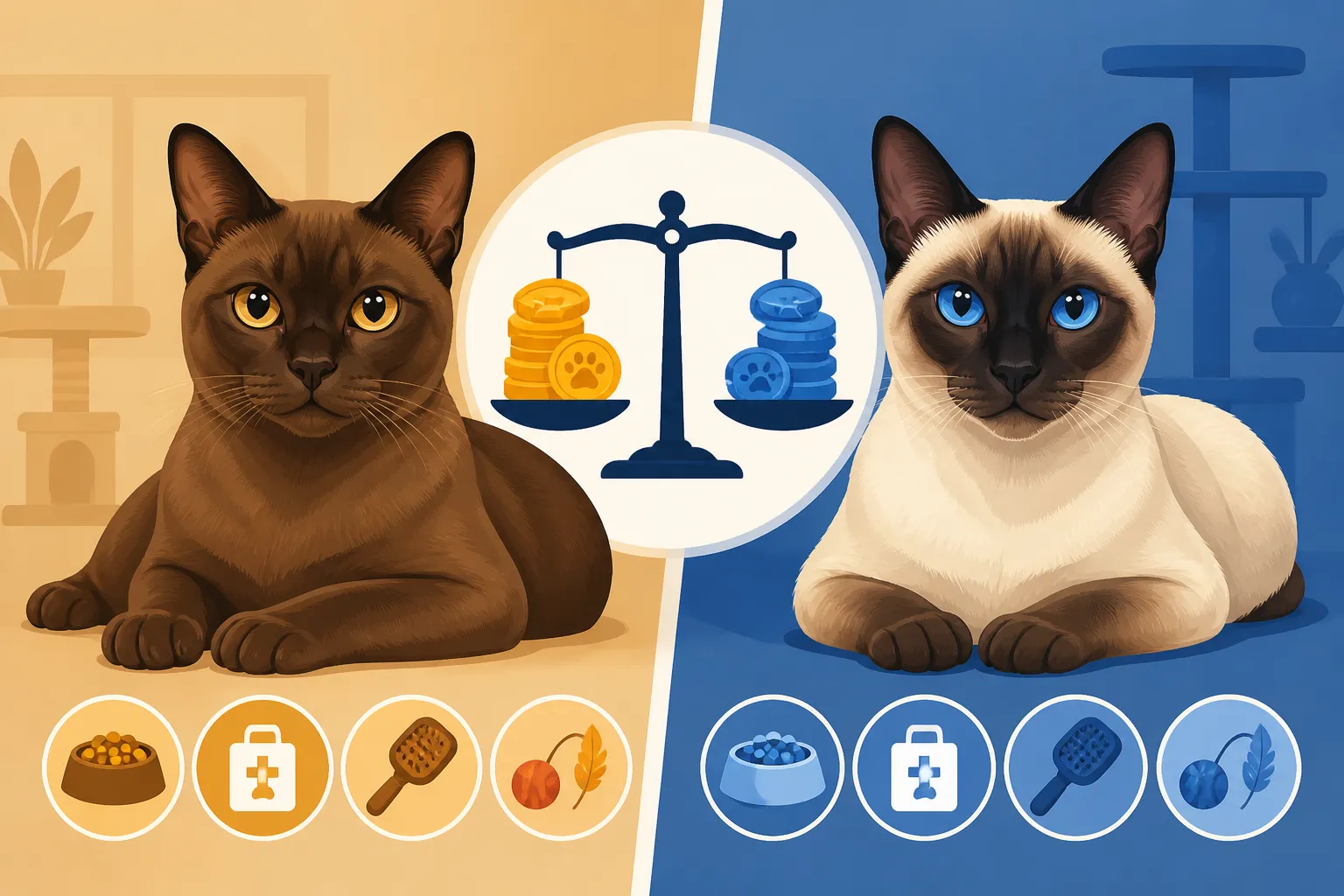
What a Burmese Costs Against a Siamese Over a Lifetime
Bringing a new cat into your home is an exciting time, but it's easy to get swept up in the adorable kitten phase and overlook the significant financial commitment that comes with responsible pet ownership over the long haul. Many prospective owners focus solely on the initial purchase price, completely missing the ongoing expenses that can truly add up, especially for breeds with specific health predispositions or temperamental needs. This guide aims to thoroughly explore and compare the lifetime costs of owning a Burmese versus a Siamese, helping you budget wisely for years of cherished companionship.
Initial Acquisition Costs: Burmese vs. Siamese Kittens
When you first start looking for a kitten, the sticker price can be quite a shock, and it's often the first major financial hurdle. Both Burmese and Siamese cats are pedigree breeds, meaning they come from carefully planned breeding programs, and their prices reflect the breeder's investment in health testing, quality care, and genetic lineage. However, there can be notable differences between the two, and even within the Burmese breed itself.
Understanding Burmese Kitten Pricing
The Burmese breed actually has two distinct types: the American Burmese and the European (or Traditional) Burmese. These types have diverged significantly in appearance and are typically bred to different standards, which can impact their price point. An American Burmese kitten generally ranges differently than its European counterpart. You might find a pet-quality American Burmese from a reputable breeder, and it's wise to expect costs that reflect proper screening and care. For a European Burmese, the price can be considerably higher, sometimes even twice as much, partly due to the smaller gene pool in North America and the costs associated with importing lines to maintain diversity. Breeders invest heavily in DNA testing for conditions like hypokalemia and congenital head defect, which adds to the initial cost but ensures a healthier kitten. How Much a Pet American Burmese Costs From a Breeder and How Much a Pet European Burmese Costs From a Breeder delve deeper into these figures.
Siamese Kitten Pricing and Influencing Factors
Siamese kittens, while also pedigree, often have a more established and widespread breeding network. This can sometimes lead to a slightly lower average initial cost compared to the more niche European Burmese, though prices can still vary widely. Factors like the kitten's pedigree, the breeder's reputation, and even the cat's specific color point (Seal Point, Blue Point, Chocolate Point, Lilac Point, and sometimes Red Point or Tabby Point, though less common or recognized by all associations) can influence the final price. A show-quality Siamese kitten will naturally command a higher price than a pet-quality one, just as with the Burmese. It's not just about the breed; it's about the quality and care behind the breeding.
| Factor | Burmese (American) | Burmese (European) | Siamese (Average) |
|---|---|---|---|
| Initial Kitten Price | Moderate to High | High to Very High | Moderate to High |
| Breeder Health Testing | Extensive (DNA) | Extensive (DNA) | Standard (Genetic) |
| Color/Pattern Impact | Yes | Yes | Yes |
| Show Quality Premium | Significant | Significant | Significant |
This table illustrates that while both breeds represent a significant investment, the European Burmese often sits at the top end of the scale for initial acquisition. How Burmese Prices Compare to a Siamese's explores this comparison in more detail.
Ongoing Nutritional Needs and Costs
Feeding your cat isn't just about filling a bowl; it's about providing the right fuel for a long, healthy life, and this is where breed-specific needs can really impact your budget. Both Burmese and Siamese are active, muscular cats, but their metabolic tendencies and health predispositions often dictate different dietary approaches, which in turn affect monthly food bills.
The Burmese Diet: A Proactive Approach to Health
For Burmese cats, diet is not merely a preference; it's often a medical decision. The breed has a notoriously high predisposition to diabetes, a condition that can be managed, or even sometimes prevented, with careful dietary choices. The Burmese Has the Highest Diabetes Rate of Any Cat Breed is a stark reminder of this reality. This means a low-carbohydrate, high-protein wet food diet is often recommended for Burmese from a young age, well before any signs of diabetes appear. Dry kibble, while convenient, typically contains higher carbohydrate levels and is generally discouraged.
Switching to a premium wet food, or even a raw diet, can increase your monthly grocery bill for your feline friend. You're looking at specific formulations designed to keep their blood sugar stable and their weight in check. Brands like Chewy offer a wide selection of cat foods, but finding those with the right carbohydrate profile requires careful label reading. You'll likely be weighing out precise portions rather than free-feeding, which adds a layer of effort but is crucial for their health. Why Low Carbohydrate Food Matters for a Burmese cannot be overstated in its importance for this breed. This proactive dietary management, while costing more upfront in terms of food, can potentially save you thousands in veterinary bills down the line if it delays or prevents the onset of diabetes.
Siamese Nutritional Requirements
Siamese cats are generally lean and active, with a fast metabolism. They also thrive on a high-quality, protein-rich diet, but they don't carry the same extreme genetic predisposition to diabetes as the Burmese. While a good wet food diet is beneficial for any cat, a Siamese might tolerate a controlled portion of high-quality dry kibble more readily if you're on a tighter budget, provided it's still nutritionally sound and not packed with fillers.
The key for Siamese is to provide sufficient protein to support their muscular build and energy levels without overfeeding. They can be prone to dental issues, so some owners might opt for specific dental-friendly kibble or incorporate dental chews, though routine brushing remains paramount. Generally, their diet might be less specialized in terms of carbohydrate restriction compared to a Burmese, offering a bit more flexibility in food choices and potentially slightly lower costs, assuming you still prioritize quality over cheap fillers.
Veterinary Care: Routine, Preventative, and Breed-Specific
Regular veterinary care is non-negotiable for any pet, but the specific needs of Burmese and Siamese cats can lead to different expenses over their lifetimes. This includes everything from routine check-ups to preventative screenings and managing breed-specific health conditions.
Routine Check-ups and Preventative Care
Both breeds require annual wellness exams, vaccinations, parasite control (fleas, ticks, worms), and regular dental check-ups. These are standard costs for any cat owner. For an adult cat, you're looking at annual vet visits that include a physical exam, and sometimes bloodwork as they age. Microchipping and spaying/neutering are typically one-time costs incurred in the first year.
However, the Burmese's predisposition to certain conditions often means additional preventative measures. For example, yearly glucose checks become particularly important for a Burmese starting around middle age, or even earlier. Your vet might recommend more frequent blood panels to catch early signs of diabetes or other age-related conditions. This proactive monitoring, while adding to annual vet costs, is essential for managing their unique health profile.
Breed-Specific Health Considerations and Costs
This is where the financial comparison between the two breeds can really diverge.
Burmese Health Profile:
Beyond diabetes, Burmese can be prone to other genetic conditions such as Hypokalemia (a potassium deficiency that causes muscle weakness) and congenital head defect. While responsible breeders will screen for these, a rescue Burmese might not have known lineage, making testing even more critical. What a Burmese Breeder Must Test Before Any Mating highlights the importance of genetic screening.
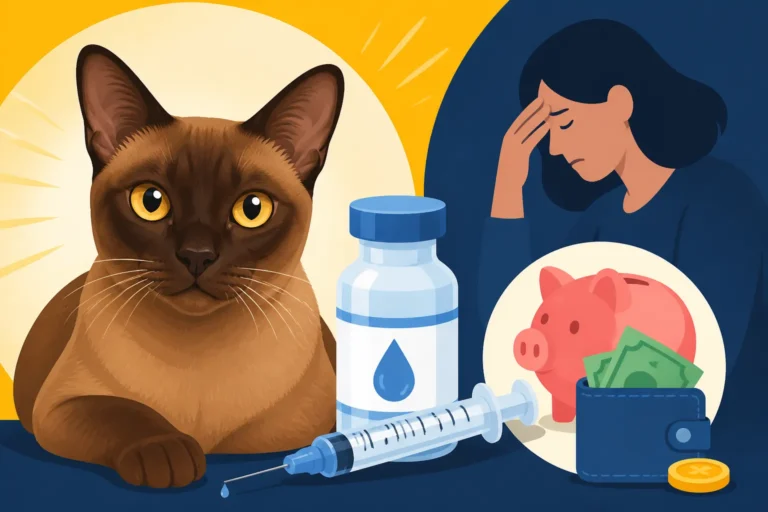
- Diabetes: If a Burmese does develop diabetes, the ongoing costs are substantial. This includes daily insulin injections, special low-carbohydrate prescription diets, regular glucose monitoring (which might involve purchasing a home glucose meter and test strips, or frequent vet visits for glucose curves), and potential emergency care for hypoglycemic episodes. What Diabetes Costs a Burmese Owner a Year can be a significant figure, easily running into the thousands annually for medication, specialized food, and vet checks. Why the Diabetes Risk Belongs in a Burmese Budget emphasizes this point.
- Dental Disease: Like many purebreds, Burmese are susceptible to gum disease and tooth resorption, often requiring professional dental cleanings under anesthesia, potentially even extractions, throughout their lives. Why a Burmese Is Prone to Gum Disease means that How Often a Burmese Needs a Dental might be more frequent than for some other breeds, adding to long-term veterinary expenses.
Siamese Health Profile:
Siamese cats are generally a robust and healthy breed, often living long lives. However, they are not immune to health issues.
- Respiratory Issues: They can be prone to certain respiratory problems, including asthma.
- Cardiac Issues: Hypertrophic cardiomyopathy (HCM), a type of heart disease, can occur in Siamese, as in many cat breeds. Regular cardiac screenings (echocardiograms) might be recommended if there's a family history or a heart murmur is detected.
- Dental Disease: Similar to Burmese, Siamese can also suffer from dental problems requiring professional cleanings.
- Amyloidosis: A less common but serious condition where abnormal proteins are deposited in organs, particularly the liver, is seen in some Siamese lines.
While both breeds have potential health challenges, the sheer prevalence and ongoing management costs associated with Burmese diabetes often make their lifetime veterinary expenses significantly higher.
Pet Insurance: A Critical Budgetary Tool
Pet insurance can be a lifesaver for unexpected vet bills, but the cost and coverage can differ based on breed and their known predispositions. It's a key component of managing lifetime costs, particularly for breeds with specific health risks.
Burmese and Insurance Considerations
Due to their high risk of conditions like diabetes and hypokalemia, Burmese cats often face higher insurance premiums. Furthermore, many insurance policies will have exclusions for pre-existing conditions. This means if your Burmese develops diabetes before you get insurance or during the waiting period, that condition will likely not be covered. Whether Insurers Exclude Diabetes in a Burmese is a crucial question to ask any potential provider. It's strongly recommended to insure a Burmese kitten as early as possible, ideally before any health issues manifest, to ensure maximum coverage. Providers like Healthy Paws are popular, but always read the fine print regarding breed-specific exclusions and waiting periods. Even with insurance, you'll still be responsible for deductibles and co-pays.
Siamese and Insurance Considerations
Siamese cats generally command slightly lower insurance premiums than Burmese, as they don't have such a pronounced, high-cost genetic predisposition like diabetes. However, they are still purebreds, and insurers factor in the general cost of care for purebred animals. Again, getting insurance early is key. If your Siamese develops asthma or HCM, these would be considered pre-existing if diagnosed before coverage. While the risk profile might be better, insurance is still a wise investment for a Siamese owner to cover unexpected accidents or illnesses.
| Insurance Aspect | Burmese | Siamese |
|---|---|---|
| Premium Costs | Generally higher due to breed predispositions | Generally moderate, lower than Burmese |
| Diabetes Coverage | Often excluded if pre-existing; critical to get early | Not a primary concern for exclusions |
| Hypokalemia Coverage | Often excluded if pre-existing; critical to get early | Not applicable |
| HCM Coverage | Generally covered if not pre-existing | Generally covered if not pre-existing |
| Dental Coverage | Varies by policy, usually add-on | Varies by policy, usually add-on |
| Importance of Early Start | Extremely High | High |
This table highlights the greater urgency and potential cost implications for insuring a Burmese, primarily due to diabetes. Why to Insure a Burmese Before It Turns Seven becomes a significant point for this breed.
Grooming and Essential Supplies
While neither Burmese nor Siamese are known for extensive grooming needs, basic supplies and routine care are still part of the lifetime cost.
Minimal Grooming for Satin Coats
Both Burmese and Siamese possess sleek, short coats that are relatively low-maintenance. The Burmese is famous for its "satin" coat, which lies flat and has almost no undercoat. This means shedding is minimal, and grooming typically involves little more than a quick wipe down with a chamois cloth once a week to bring out its shine. You won't be spending money on professional groomers, specialized brushes, or frequent baths. Their claws will need regular trimming, which most owners can do at home with a pair of cat-specific clippers.
Siamese coats are similarly short and low-shedding. A rubber grooming mitt or simply stroking them regularly is usually enough to keep their coats healthy and minimize loose hair. Like the Burmese, their primary grooming needs are nail trims and attention to dental hygiene.
Essential Supplies: Litter, Toys, and More
Regardless of breed, you'll need to factor in recurring costs for:
- Litter: This is a constant expense. A diabetic Burmese might use the litter box more frequently, potentially increasing litter consumption.
- Litter Boxes: Good quality, appropriately sized litter boxes are essential. For a Burmese, a slightly larger box might be appreciated due to their muscular build.
- Food and Water Bowls: Stainless steel or ceramic are recommended for hygiene.
- Scratching Posts/Trees: Crucial for natural claw maintenance and preventing furniture damage. Both breeds are active and benefit from vertical space and engaging scratching surfaces.
- Toys: Both Burmese and Siamese are playful cats well into old age. Regular rotation of toys, including wand toys, puzzle feeders, and small interactive toys, keeps them stimulated. A Burmese Is Still Playing at Fifteen illustrates their enduring energy. Using interactive toys, especially puzzle feeders, can also aid in mental stimulation and controlled feeding for the diabetes-prone Burmese. You can find many affordable options for these supplies on platforms like Chewy.
- Carriers: Essential for vet visits and safe travel. Two Burmese might even share one carrier if they are a bonded pair, making travel less stressful.
These costs are relatively consistent across both breeds, though the higher litter usage for a diabetic Burmese is a small but notable difference.
Lifetime Financial Outlook and Unexpected Costs
Looking at the full picture, the lifetime cost of owning a pet is substantial, and for pedigree cats like the Burmese and Siamese, it's particularly important to have a clear understanding of what you're signing up for.
The Full Financial Commitment
When comparing the lifetime costs, the most significant divergence will almost certainly be found in the veterinary category, primarily due to the Burmese's genetic predisposition to diabetes. While a Siamese might live a long, healthy life with relatively predictable vet bills for routine care and occasional age-related issues, a Burmese owner needs to be prepared for the distinct possibility of managing a chronic condition that requires daily medication and specialized care.
A well-bred Burmese can live How Many Years a Well Bred Burmese Lives, often 16-18 years, meaning a long commitment. Over this extended period, the cumulative costs of special diets, insulin, monitoring equipment, and more frequent vet visits for a diabetic Burmese can easily add tens of thousands of dollars to the total. What a Burmese Costs Over Sixteen Years is a comprehensive look at this long-term investment.
Budgeting for the Unforeseen
Beyond the predictable costs, every pet owner needs an emergency fund. Accidents happen: a fall, an ingestion of something harmful, or a sudden illness can lead to emergency vet visits that cost hundreds or even thousands of dollars. Pet insurance helps mitigate this, but it doesn't cover everything, and there are always deductibles.
Another often overlooked cost for breeds like the Burmese is the "companionship cost." Burmese thrive on interaction and can suffer from separation anxiety if left alone for too long. Many breeders recommend buying Burmese in pairs to ensure they always have company, which effectively doubles many of your costs (food, vet care for a second cat, litter, etc.) but can prevent behavioral issues that might lead to property damage or costly vet visits for anxiety-related issues.
In conclusion, while both the Burmese and Siamese offer loving companionship and have their own charms, the Burmese typically presents a higher lifetime financial commitment, largely due to its breed-specific health challenges, particularly diabetes. Prospective owners of a Burmese must go into ownership with eyes wide open to these potential expenses and budget accordingly, considering a comprehensive diet, robust insurance, and an emergency fund from day one.
Disclaimer
This article is for general informational purposes only and does not constitute professional advice. Laws, prices and regulations vary by location and change over time. Consult a qualified professional for guidance on your specific situation.