Whether a Burmese Brings a Toy Back to Your Lap
One of the most charming—and sometimes utterly baffling—things about owning a Burmese cat is their often-doglike antics. Many people wonder if their beloved Burmese will actually bring a toy back, much like a canine companion, and perhaps even drop it right into their lap. The truth is, while not every Burmese will be a perfectly trained retriever, this breed is uniquely inclined to such playful, interactive behavior, and with a little understanding and encouragement, you absolutely can nurture this delightful trait. This guide will explore why your Burmese might just be your most enthusiastic playmate and how to encourage those adorable, toy-bearing visits to your lap.
The Burmese Play Ethic: More Than Just a Game
Burmese cats aren't just playful; they have a profound, almost philosophical approach to play. For them, it's not merely about batting a toy around in solitude; it's a shared experience, a bonding ritual, and a vibrant expression of their intense connection to their humans. This isn't just a casual pastime; it's a cornerstone of their well-being and a testament to their unique personality.
Why Burmese Are So Playful and Interactive
At their core, Burmese cats are incredibly intelligent and energetic. They possess a strong prey drive, but it's tempered with an equally strong desire for interaction and affection. Unlike some more aloof breeds that might prefer to hunt a toy discreetly under the sofa, a Burmese wants you in on the action. Their play isn't just about the hunt; it's about the chase with you, the pounce for you, and the shared moment of excitement. This makes them highly responsive to interactive games, viewing you as a crucial part of their hunting party rather than just an observer.
Their high energy levels mean they need outlets for physical and mental stimulation. Without engaging play, a Burmese can become bored, which can sometimes manifest as destructive behavior or excessive vocalization. They thrive on challenges and novelty, always eager to learn new games and expand their repertoire of tricks. This inherent drive for engagement is what makes them such willing participants in games that require a bit more effort, like retrieving.
Their 'Dog-Like' Tendencies and Affection
It's no secret that the Burmese is often called "a dog in a cat's body." This isn't just because they might follow you from room to room or enjoy a good leash walk; it's deeply rooted in their personality. They crave attention, form incredibly strong bonds with their primary caregivers, and seem to genuinely enjoy pleasing their humans. This desire to interact and receive positive reinforcement is a key ingredient in their retrieving prowess. When they bring a toy back, they're not just offering it; they're offering an invitation to continue the fun, a plea for your praise, and a tangible expression of their affection.
This intense loyalty means they are constantly tuned into your moods and reactions. If you show enthusiasm for a tossed toy, they're more likely to engage. If you reward them with praise or a tiny treat for bringing it closer, they'll quickly make the connection. Their "dog-like" quality truly shines in these interactive moments, making them exceptional companions for those who love to engage in active play with their pets. You might even notice that The Burmese Is the Velcro Cat of the Cat Fancy, always sticking close, ready for the next adventure you might propose.
The Unique Bond with Their Human
The bond a Burmese forms with its human is exceptionally strong and deeply personal. They don't just coexist in your home; they integrate themselves into every aspect of your life. This profound connection is what makes them so amenable to training and so eager to participate in games like fetch. When they bring a toy back to you, it's not just a physical act; it's a social gesture, a way of reinforcing that bond. They want to share their triumphs with you, to involve you in their world of play, and to bask in your shared joy.
This connection means that play sessions are more than just exercise; they're moments of deep mutual understanding and affection. Your Burmese learns your cues, and you learn theirs. The act of retrieving a toy and presenting it to you becomes a unique language, a silent conversation about trust, love, and the pure delight of being together. For a Burmese, the game might start with the toy, but it always ends with the warmth of your interaction.
Understanding the Retrieve Instinct in Cats
While dogs are famously known for their retrieving abilities, it's often a surprise to many cat owners that some felines also possess this fascinating instinct. It’s not a universal cat trait, but in certain breeds, like the Burmese, it’s a strong indicator of their inherent intelligence and social nature.
Is It Natural for Any Cat to Retrieve?
Most cats are natural predators, and their play often mimics hunting behaviors: stalking, pouncing, batting, and shredding. The "retrieve" component, however, where they actively bring an item back to a specific location or individual, is less common. For many cats, once the "prey" (toy) is caught, the game is over, or they'll bat it around for a solo victory lap. They don't typically see the point in bringing it back to the "hunter" to repeat the process.
However, certain breeds, often those with strong social bonds and higher intelligence, do exhibit retrieving behaviors. These cats seem to understand the concept of a shared game and derive satisfaction not just from the catch, but from the interaction itself. It's often linked to breeds that retain more of a "pack animal" mentality in their domesticated form, seeking to engage their humans in activities rather than just tolerating their presence. The Burmese is definitely at the top of this list, blurring the lines between typical feline and canine behaviors.
The Burmese Advantage: Intelligence and Social Drive
The Burmese cat truly stands out when it comes to interactive play and retrieving. Their exceptional intelligence means they quickly grasp cause and effect, understanding that bringing the toy back often results in another toss. They're problem-solvers, and they apply that cognitive ability to figuring out how to keep the game going. This is paired with their immense social drive; they adore company and actively seek engagement from their humans.
This combination creates a powerful motivation for retrieving. They're not just performing a trick; they're participating in a ritual that strengthens their bond with you. They thrive on the attention and praise they receive, which further reinforces the behavior. This is why a Burmese will often excel at learning tricks and commands that other cats might simply ignore. They genuinely enjoy the shared activity, making them delightful partners in a game of fetch. It's an aspect of their personality that ensures A Burmese Is Still Playing at Fifteen, often with as much vigor as a kitten.
What a "Successful" Retrieve Means to a Cat
For a cat, a "successful" retrieve isn't always about perfect execution. It's about engagement and the continuation of the game. If they bring the toy back close to you, or even just make eye contact with it in their mouth, they're signaling their desire for more play. Don't underestimate the significance of this gesture, even if the toy doesn't land precisely in your lap. It shows they've understood the concept and are actively trying to engage you.
The reward for a cat, especially a Burmese, is often multifaceted. It's the immediate re-toss of the toy, the excited praise from their human, and the sheer joy of the physical activity. Treats can also be a powerful motivator, but the social interaction is paramount. They’re effectively saying, "Look what I did! Let's do it again!" This makes the retrieving game a deeply satisfying experience for both cat and owner, building communication and reinforcing positive behaviors.
How the Burmese "Retrieves" Differently
When we think of a dog retrieving, we usually picture them bringing the item directly to hand. With a Burmese, while they certainly can achieve that level of precision, their "retrieve" often comes with their own unique flair and motivations. It's less about strict obedience and more about inviting you into their world of play.
Bringing It To You Versus Just Bringing It Back
Many cats might chase a thrown toy, catch it, and then proceed to bat it around on their own or carry it to a quiet corner to "kill" it. They've completed the hunt. A Burmese, however, often goes a step further. They're not just interested in the catch; they're interested in the relaunch. They want to keep the game going, and to do that, they need you to throw it again. This is where the concept of bringing it to you comes in.
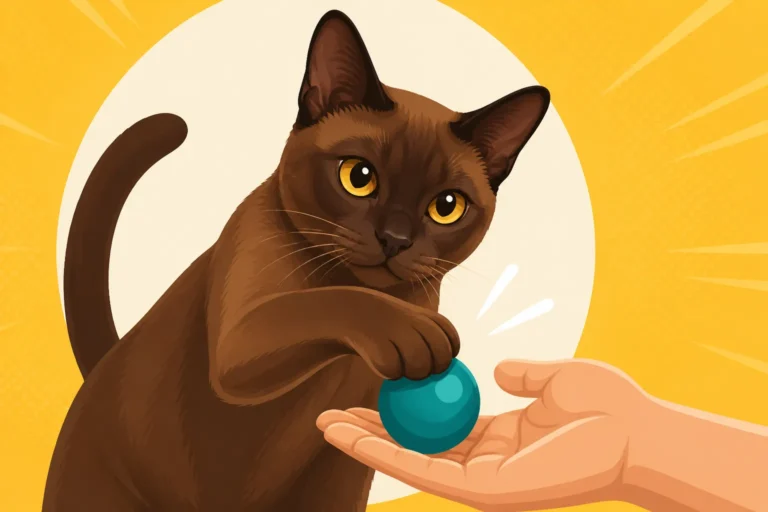
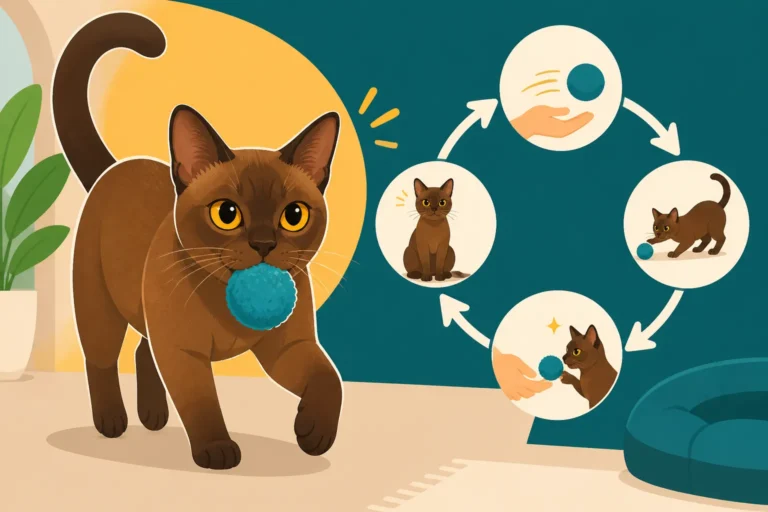
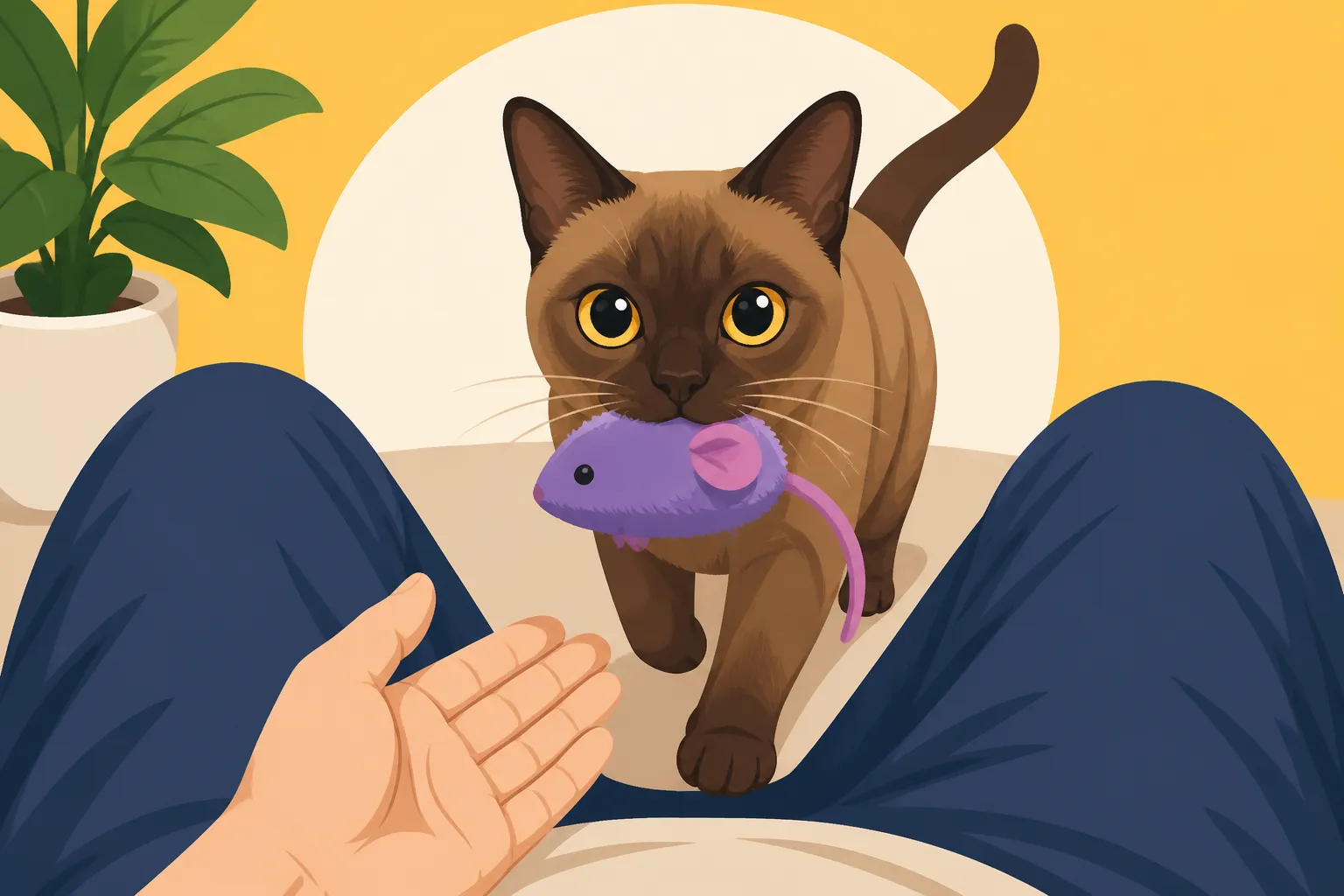
They understand that placing the toy near your hand or, ideally, right in your lap, is the quickest way to reactivate the game. It's a clear communication: "Your turn! Throw it!" This distinguishes their retrieving from simple predatory play. It shows an advanced level of understanding and a strong desire for continued interaction. While they might occasionally get distracted and drop it a few feet away, their intent is usually clear – to put the toy within your reach.
The Motivation Behind the Drop: Attention and Restarting Play
The primary motivation for dropping a toy at your feet or on your lap is almost always a bid for attention and a desire to restart the play cycle. Your Burmese loves the interaction, the chase, and the shared excitement. When they bring the toy back, they're not just giving it to you; they're presenting it as a token, an offering to extend the fun. This is a testament to their incredibly social nature.
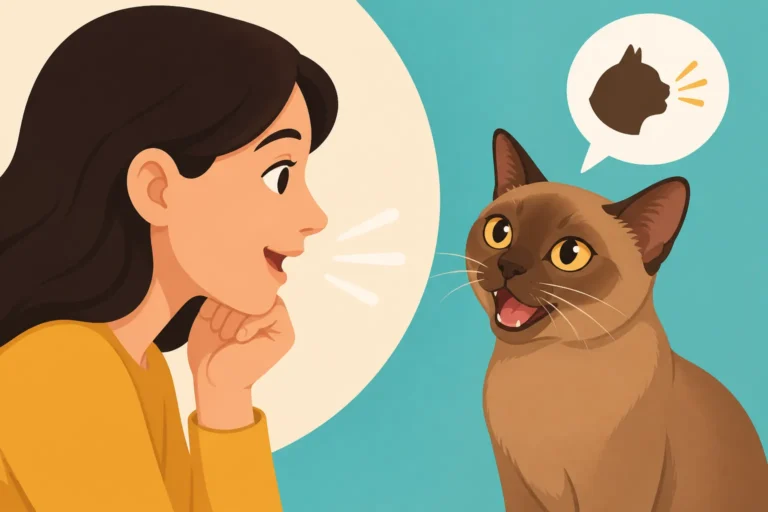
Sometimes, the drop might be accompanied by a soft trill or a nudge with their head, especially if you're not immediately responding. They're experts at communicating their desires, and this gentle insistence is their way of making sure you get the message. It's a beautiful example of how Why a Burmese Cannot Let You Leave the Room for long, always seeking to engage and be part of your activities. They cherish these moments of shared activity, seeing them as peak interactions in their day.
When It Might Not Make It All the Way to Your Lap
Don't be discouraged if your Burmese doesn't always perform a perfect lap-landing of the toy. There are several reasons why they might drop it a foot or two away. Sometimes, a distraction catches their eye – a sudden noise, a speck of dust, or even another family member walking by. Their attention, while focused on play, can also be easily diverted by their curious nature.
Other times, it might be a subtle test of your engagement. "Are you still paying attention?" they might wonder, dropping it just out of reach, waiting for you to lean over and pick it up. This can be their way of drawing you further into the game, making you work for it a little bit. It's also possible that the toy itself is a little awkward to carry right up onto your lap, especially if it's a larger or oddly shaped item. The key is to acknowledge their effort and continue the game, regardless of the precise landing spot.
Encouraging the Lap Delivery: Training and Technique
Turning your Burmese's natural retrieving instinct into a consistent "lap delivery" requires patience, positive reinforcement, and a bit of understanding of their unique personality. It’s a wonderful bonding experience that reinforces their trust and your shared joy.
Starting with the Right Toys
The foundation of successful retrieving lies in choosing toys that your Burmese loves and finds easy to carry. Lightweight items that are easy to grasp in their mouth are ideal. Think small, crinkly balls, soft fabric mice, or even a rolled-up piece of paper. Some cats prefer toys with a tail or ribbon that's easy to snag. You can find a fantastic variety of these types of toys on Amazon, often in multi-packs, so you always have a fresh supply.
Avoid toys that are too heavy, too large, or have sharp edges that could be uncomfortable to hold. The material also matters; some cats prefer the texture of felt or faux fur, while others are drawn to shiny, crinkly plastics. Observe your Burmese’s preferences and stock up on their favorites. Starting with something they genuinely enjoy carrying will make the training process much smoother. You might even want to look for specific "cat fetch toys" on Amazon that are designed with carrying in mind.
Here's a quick comparison of toy types suitable for fetch:
| Toy Type | Pros | Cons | Best For |
|---|---|---|---|
| Crinkle Balls | Lightweight, easy to pick up, noisy | Can get lost easily, some cats ignore noise | Initial fetch training, auditory stimulation |
| Soft Fabric Mice | Resembles prey, easy to carry, soft | Can get slobbery, might fray over time | Gentle retrievers, comfort with carrying |
| Wand Toys (with feather/fabric ends) | Interactive, good for enticing chase | Cannot be retrieved on their own | Initiating play, stimulating prey drive |
| Small Plastic Springs | Bouncy, unpredictable movement | Can be tricky for cats to grip initially | Energetic cats, unpredictable play |
| Laser Pointers | Highly engaging, great exercise | No physical toy to retrieve | Pure chase, not for retrieve training |
Positive Reinforcement: Praise, Treats, and Re-Throw
Positive reinforcement is the cornerstone of teaching any animal new behaviors, and your Burmese is no exception. When your cat brings the toy back, even if it's not perfectly in your lap, react enthusiastically! Praise them lavishly with a happy tone of voice, use their name, and offer a gentle stroke. This immediate positive feedback helps them connect the action of bringing the toy to your positive reaction.
Small, high-value treats can also be incredibly effective, especially in the early stages. Offer a tiny treat the moment the toy is dropped near you. The re-throw itself is a huge reward for a Burmese who loves to play, so make sure to throw the toy again right away. This creates a positive loop: bring toy -> get praise/treat -> game continues. Remember, Why Food Motivates a Burmese Too Well is a powerful tool in training, but always keep treats small to avoid overfeeding.
Consistency is crucial. Everyone in the household should respond similarly to the retrieving behavior to avoid confusing your cat. Regular, short play sessions (5-10 minutes) throughout the day are more effective than one long, infrequent session.
The Importance of Consistency and Patience
Building a reliable retrieving habit takes time and patience. Your Burmese might not get it right every time, especially initially. They might chase, catch, but then get distracted or decide to play with the toy on their own. Don't scold them or show frustration. Simply pick up the toy, entice them with it again, and restart the game. The goal is to make the experience consistently fun and rewarding.
Gradually, you can start to encourage them to bring the toy closer. If they drop it a few feet away, point to your lap and gently coax them closer. You might even hold another small treat on your lap to lure them the final distance. Over time, they will associate the precise "lap drop" with the most enthusiastic response and perhaps the most immediate reward. Remember, your Burmese wants to please you and continue playing, so keep the energy positive and the expectations realistic. It’s these consistent, patient efforts that truly cement their playful habits.
Troubleshooting: When Your Burmese Doesn't Quite Get It
Even with the best intentions and the perfect toys, your Burmese might not always conform to your vision of the perfect retriever. It's okay! Understanding the nuances of their behavior and adjusting your approach can often resolve these little training hiccups.
Why They Might Drop It Nearby But Not On the Lap
This is a common scenario: your Burmese enthusiastically chases the toy, snags it, and brings it back, only to drop it a foot or two away from your outstretched hand or lap. Why the near miss? Sometimes, it's simply a matter of accuracy. They're focused on the return and the drop to signal "more play," and the exact landing spot isn't always their top priority.
Another reason could be a slight hesitation or shyness. Perhaps they're not quite comfortable jumping directly onto your lap with the toy, or they prefer to keep a small buffer zone. It could also be a subtle power play, a way of getting you to lean in and engage their space. In these cases, try gently moving your hand closer to where they drop the toy, or even place a small, high-value treat on your lap and guide their nose towards it as they approach with the toy. Celebrate any effort they make to bring it closer, gradually narrowing the acceptable drop zone. Remember, How to Get a Burmese Used to a Glucose Check by using positive reinforcement for proximity can be applied here too.
Over-Stimulation or Losing Interest
Sometimes, a Burmese might start strong but then lose interest mid-game or become over-stimulated, leading to erratic behavior or abandoning the toy altogether. Over-stimulation can happen if play sessions are too long, too intense, or if there are too many distractions in the environment. A cat, even an energetic Burmese, has a natural play threshold. Signs of over-stimulation can include swatting at the toy without picking it up, becoming overly rough, or simply walking away.
Losing interest can be due to boredom with the toy itself or a feeling that the human isn't engaged enough. If your Burmese is dropping the toy and wandering off, try switching to a different toy or taking a short break. Ensure your energy remains high and enthusiastic during play. You might find that How Many Play Sessions a Burmese Asks For is actually several short bursts rather than one long marathon. Rotating toys and introducing new ones, easily found on Amazon, can help keep their interest piqued.
Dealing with "Keep-Away" Games
Ah, the classic "keep-away" game! Your Burmese brings the toy back, perhaps even close to you, but then, just as you reach for it, they dart away with it, looking back with mischievous eyes. This is a clear sign that your Burmese sees the interaction as a game of chase, not just retrieval. They're enjoying the challenge and the continuation of the playful pursuit.
While it can be frustrating if you're trying to encourage a lap-drop, this behavior is a testament to their intelligence and desire for interactive play. The best way to handle it is to acknowledge their game, but gently redirect. Instead of immediately lunging for the toy, try turning your back briefly or looking away. When they eventually bring it closer again, immediately praise and then gently retrieve the toy and toss it. This teaches them that letting go leads to the desired re-throw, not the end of the game. If you're patient, they'll learn that the most efficient way to keep the fun going is to deliver the toy.
Beyond Retrieval: Other Playful Interactions
While retrieving to your lap is certainly a charming and highly interactive behavior, it's just one facet of the Burmese's incredibly rich and diverse play repertoire. These cats are masters of engagement, finding countless ways to involve their humans in their daily activities.
Shoulder Riding and Following You Around
If your Burmese isn't busy bringing you toys, they're likely finding other ways to be close and involved. One of the most iconic Burmese traits is their penchant for Why a Burmese Rides on Your Shoulder. They love to be at eye level with you, surveying their domain from a perch on your back or shoulder. This isn't just a quirky habit; it's another form of intense bonding and interaction. They want to be where the action is, participating in whatever you're doing, whether it's cooking, reading, or simply walking from one room to another.
This desire for proximity also manifests as them being your constant shadow. They will follow you from room to room, sit in the doorway while you're in the bathroom, or curl up on your desk as you work. This "velcro cat" behavior isn't clinginess; it's their way of staying connected and ensuring they don't miss out on any potential interaction or play opportunity. They are inherently social creatures who thrive on being part of your every moment.
Interactive Play and the Joy of the Chase
Beyond fetching, Burmese cats adore all forms of interactive play that simulate hunting. Feather wands, fishing pole toys, and laser pointers are often huge hits. These toys allow them to stalk, pounce, and chase, satisfying their innate predatory instincts while engaging you in the fun. They thrive on the unpredictable movements of a wand toy, mimicking the erratic flight of a bird or the scuttling of a mouse.
For a Burmese, the game isn't just about the physical exertion; it's about the mental challenge of anticipating the "prey's" next move. They'll launch themselves into the air with incredible agility, demonstrating their muscular physique and coordination. Even as they age, A Burmese Is Still Playing at Fifteen, often with undiminished enthusiasm, albeit perhaps with shorter bursts of energy. Providing a variety of interactive toys, including those you can easily purchase from Amazon, ensures they remain stimulated and happy.
The Role of a Second Cat for Play
Given their incredibly social nature and high energy levels, many Burmese owners find that having a second cat is not just a luxury, but often a necessity for their Burmese's overall happiness and well-being. This is precisely Why Burmese Breeders Sell Them in Pairs. A second cat, especially another playful breed or another Burmese, provides a constant playmate, someone to chase, wrestle, and cuddle with when you're not available.
While you are their primary source of interactive play, another cat can fill the gaps, preventing boredom and potential separation anxiety. They'll engage in vigorous games of chase, mock fights, and shared naps, fulfilling a need for constant companionship that a human, no matter how devoted, cannot always provide. This ensures that even when you're busy, your Burmese still has an outlet for their abundant energy and social needs, leading to a much more contented and well-adjusted feline friend.
Disclaimer
This article is for general informational purposes only and does not constitute professional advice. Laws, prices and regulations vary by location and change over time. Consult a qualified professional for guidance on your specific situation.