Which Dogs Will Let a Burmese Sleep on Them
It's a common picture in many Burmese homes: you look for your little velvet companion, and there they are, nestled right into the side, or even on top of, your unsuspecting canine friend. Our beloved Burmese cats are renowned for their affectionate nature, their insatiable need for companionship, and their surprising ability to forge deep bonds with other animals. But getting a dog to happily serve as a living, breathing hot water bottle for your Burmese isn't always straightforward. This guide will walk you through understanding why your Burmese seeks out canine cuddles, what makes a dog a good candidate for such a unique role, and how to encourage a harmonious, snuggly relationship between your furry family members.
The Burmese Need for Constant Contact and Warmth
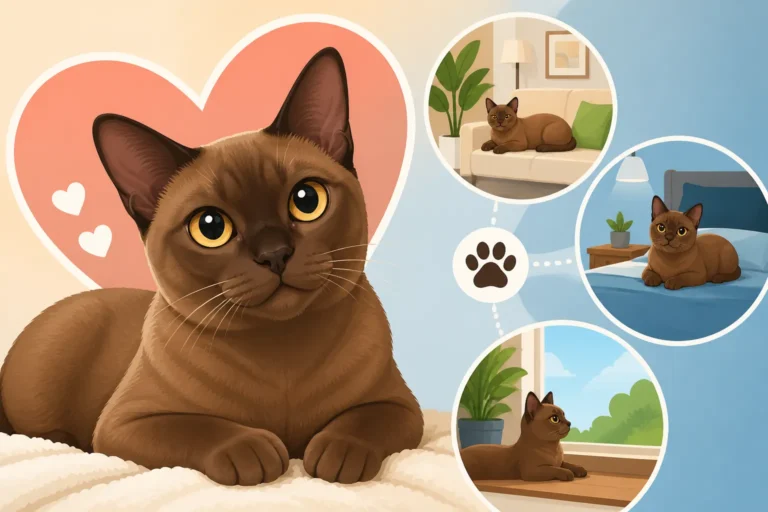
If you've ever owned a Burmese, you know they're not just cats; they're furry, purring shadows that follow you from room to room. They thrive on companionship and physical contact, often earning them the nickname "Velcro cats." This intense need for connection extends beyond their human family members to other pets in the household. A Burmese isn't content to simply coexist; they want to be part of everything, including a cozy nap.
Beyond their loving nature, Burmese cats have an interesting physiological trait that drives their desire for close contact: their coats. Their short, sleek, satin-like fur, while beautiful, doesn't offer the same insulation as a fluffier, double-coated breed. This means they can get chilly more easily, especially in cooler climates or drafty homes. So, when they seek out a warm body, be it yours, another Burmese, or a tolerant dog, it's not just for affection; it's often for warmth and comfort. Imagine being wrapped in silk all the time – luxurious, yes, but not always the warmest. A dog's body heat becomes a natural, inviting radiator, and a dog who allows a Burmese to snuggle up offers the ultimate in feline comfort. Why a Short Coated Burmese Seeks Body Heat touches on this very aspect of their physiology.
This instinct to burrow and seek warmth also comes from their highly social nature. In a multi-cat household, you'll often find Burmese piled together in a "Burmese pyramid," a furry knot of warmth and contentment. If another cat isn't available, or even if one is, a dog can become a preferred cuddle buddy because of its consistent warmth and often larger, more stable presence. They offer a comforting presence that can help alleviate any feelings of loneliness, particularly if you're out of the house for extended periods. Why a Burmese Cannot Be Left Alone All Day explains just how crucial companionship is for this breed.
Identifying the Ideal Canine Cuddle Partner for a Burmese
Not just any dog will welcome a cat, let alone one that wants to sleep on them. The success of this interspecies cuddle dynamic largely depends on the dog's temperament, size, and even their coat type. You’re looking for a canine with a specific set of characteristics that align with the Burmese's bold yet sensitive personality.
Temperament: The Gentle Giants and Patient Pups
The number one trait you need in a dog for a Burmese cuddle buddy is a calm, patient, and generally low-prey-drive temperament. Dogs that are naturally inclined to be gentle and tolerant are the best candidates. Breeds often known for these traits include:
- Golden Retrievers and Labradors: These breeds are typically good-natured, eager to please, and often have a strong desire for companionship themselves. They tend to be patient and will often tolerate a cat's presence, viewing them as another member of the pack. Their larger size also offers ample "cuddle space."
- Greyhounds (retired racers): Surprisingly, many retired racing Greyhounds are incredibly docile and gentle indoors. They are often "45-mph couch potatoes" who love to lounge and are less prone to chasing small animals once they're accustomed to them in a home environment. Their lean bodies and love for soft surfaces make them ideal for a cat seeking warmth.
- Cavalier King Charles Spaniels: While smaller, these dogs are absolute lovers. They thrive on companionship and are usually very gentle and non-aggressive, making them open to sharing their space with a confident Burmese.
- Basset Hounds: Known for their laid-back nature and love of napping, Basset Hounds can make excellent furry pillows. They’re usually unflappable and won't be easily startled by a cat snuggling up.
- Newfoundlands and Saint Bernards: These gentle giants are often incredibly patient and tolerant. Their sheer size and fluffy coats offer an irresistible haven for a chilly Burmese, and their calm demeanor means they're unlikely to react negatively to a cat's advances.
Avoid dogs with a very high prey drive, such as many terrier breeds, sighthounds (unless specifically a retired, socialized Greyhound), or dogs that are naturally very anxious or easily startled. A dog that is too playful or boisterous might inadvertently injure the cat or simply make the Burmese feel unsafe. Remember, a Burmese, while outgoing, still needs to feel secure.
Size and Coat: Comfort and Warmth Factors
While temperament is paramount, size and coat also play a role in making a dog an appealing and practical cuddle spot for a Burmese.
- Size: A larger dog often provides a more stable and expansive surface for a Burmese to sleep on or against. Small dogs can work, but there's less space, and some smaller dogs might be more prone to nervousness or feeling overwhelmed by a cat's forwardness. A medium to large dog provides a substantial, warm area.
- Coat Type: Dogs with thicker, softer coats are inherently more inviting. Breeds like Golden Retrievers, Bernese Mountain Dogs, or even a fluffy Poodle (after a good grooming session) offer a wonderfully soft landing spot. However, even short-coated dogs like Greyhounds provide excellent warmth. The key is that the coat isn't spiky or irritating for the cat. A dog with a dense, smooth coat like a Boxer or a Pit Bull can still be an excellent choice if their temperament is right; the warmth factor is still there, even without the fluff.
When considering a dog, especially if you're looking for a specific breed, research their general tendencies. Websites like the American Kennel Club (AKC) provide detailed breed characteristics that can help you assess their compatibility.
| Dog Temperament Trait | Description | Burmese Compatibility |
|---|---|---|
| Calm / Low Energy | Prefers lounging, not constantly active. | Excellent: Provides a stable, stationary cuddle spot. Less likely to startle or inadvertently harm the cat. Ideal for a Burmese seeking sustained warmth and comfort. |
| Patient / Tolerant | Not easily bothered by being nudged, leaned on, or having a cat near their face. | Essential: Crucial for accepting a Burmese's close physical demands. Prevents stress for both animals and ensures the dog doesn't react defensively. |
| Low Prey Drive | Doesn't instinctively chase or view small animals as targets. | Critical: Reduces the risk of the dog seeing the cat as prey. Many Burmese are bold, but this doesn't mean they can outrun a determined dog if something goes wrong. |
| Affectionate | Enjoys physical contact and being close to their people (and other pets). | Very Good: A dog that enjoys cuddles will often extend this to a cat, making the shared sleeping arrangement more mutually beneficial. |
| Even-Tempered | Predictable reactions, not prone to sudden mood swings or aggression. | Essential: Ensures a safe environment for the Burmese, who will be very trusting once a bond is formed. |
| Large/Medium Size | Offers ample space for a cat to comfortably settle on or beside. | Good: More surface area means more potential cuddle spots, and a larger dog is less likely to feel overwhelmed by a cat's weight. |
Introducing Your Burmese to a Potential Canine Cuddle Buddy
Bringing a new dog into a home with a Burmese, or a new Burmese into a home with a dog, requires careful, slow introductions. The goal is to build trust and positive associations, not to force immediate friendship. What a Burmese Does the First Time It Meets a Dog highlights the importance of this initial encounter.
The Scent Swap
Before they even see each other, let them get used to each other's scent. Swap blankets or toys between the dog and cat's resting areas. You can gently rub a towel on one pet and then leave it for the other to sniff. This helps them learn to associate the new smell with a non-threatening presence. This step can often be facilitated by finding cozy blankets or toys from Amazon that hold scent well.
Controlled Visual Introductions
Use a baby gate or a crate to allow them to see each other without direct physical contact. Feed them on opposite sides of the barrier so they associate the sight of the other animal with positive experiences (food!). Keep these sessions short and positive. If either animal shows signs of stress (hissing, growling, lunging, tail tucked, flattened ears), separate them gently and try again later with more distance. You might consider an Amazon pet camera to monitor these initial interactions discreetly if you need to step away for a moment.
Supervised Together Time
Once they seem comfortable with visual contact, allow them to be in the same room, but always with you present and actively supervising. Keep the dog on a leash at first, even if it's a calm breed. This gives you control if the dog gets too excited or the cat gets spooked. Offer treats and praise when they behave calmly near each other. Make sure the cat has escape routes – high places they can jump to if they feel overwhelmed. A tall cat tree purchased from Amazon can be an excellent safe haven.
Encouraging the Snuggle
If the initial interactions are positive, you might notice your Burmese, true to form, starting to test the boundaries. They might approach the dog cautiously, sniff, or even gently rub against them. This is where the magic begins.
- Positive Reinforcement: When you see them calm together, especially if the Burmese is near the dog, offer gentle praise and perhaps a small, healthy treat to both animals. This reinforces the idea that being together is a good thing.
- Comfortable Spaces: Ensure your dog has a comfortable, inviting bed that the Burmese might also find appealing. Sometimes, the right bed (maybe a super soft orthopedic one from Amazon) makes all the difference in encouraging shared rest.
- Don't Force It: Never force a cat onto a dog, or vice versa. The snuggle has to be initiated by the Burmese and accepted by the dog naturally. If the dog moves away, respect that. Over time, as trust builds, the Burmese's persistence, combined with the dog's patience, will often lead to those desired cuddle sessions.
- Monitor Body Language: Learn to read both your dog's and cat's body language. A relaxed dog might have soft eyes, a loosely wagging tail, and be lying down comfortably. A happy Burmese will often purr, rub, and knead. Any signs of tension should prompt you to intervene and separate them gently.
- Patience is Key: It can take weeks or even months for a truly trusting, snuggly relationship to form. Some dogs and cats may never become cuddle buddies, but may still coexist peacefully. That's okay too! The goal is a safe and harmonious home for everyone.
Watching your Burmese curl up against a dog for a nap is incredibly rewarding, a testament to their adaptable and loving nature. By carefully choosing the right canine companion and facilitating a slow, positive introduction, you can foster a beautiful friendship where your dog literally becomes your cat's best, and warmest, friend. And who knows, you might even find Why a Burmese Sleeps Against a Dog fascinating as you observe their growing bond.
Disclaimer
This article is for general informational purposes only and does not constitute professional advice. Laws, prices and regulations vary by location and change over time. Consult a qualified professional for guidance on your specific situation.