Whether a Burmese Uses a Cat Tree or Just You
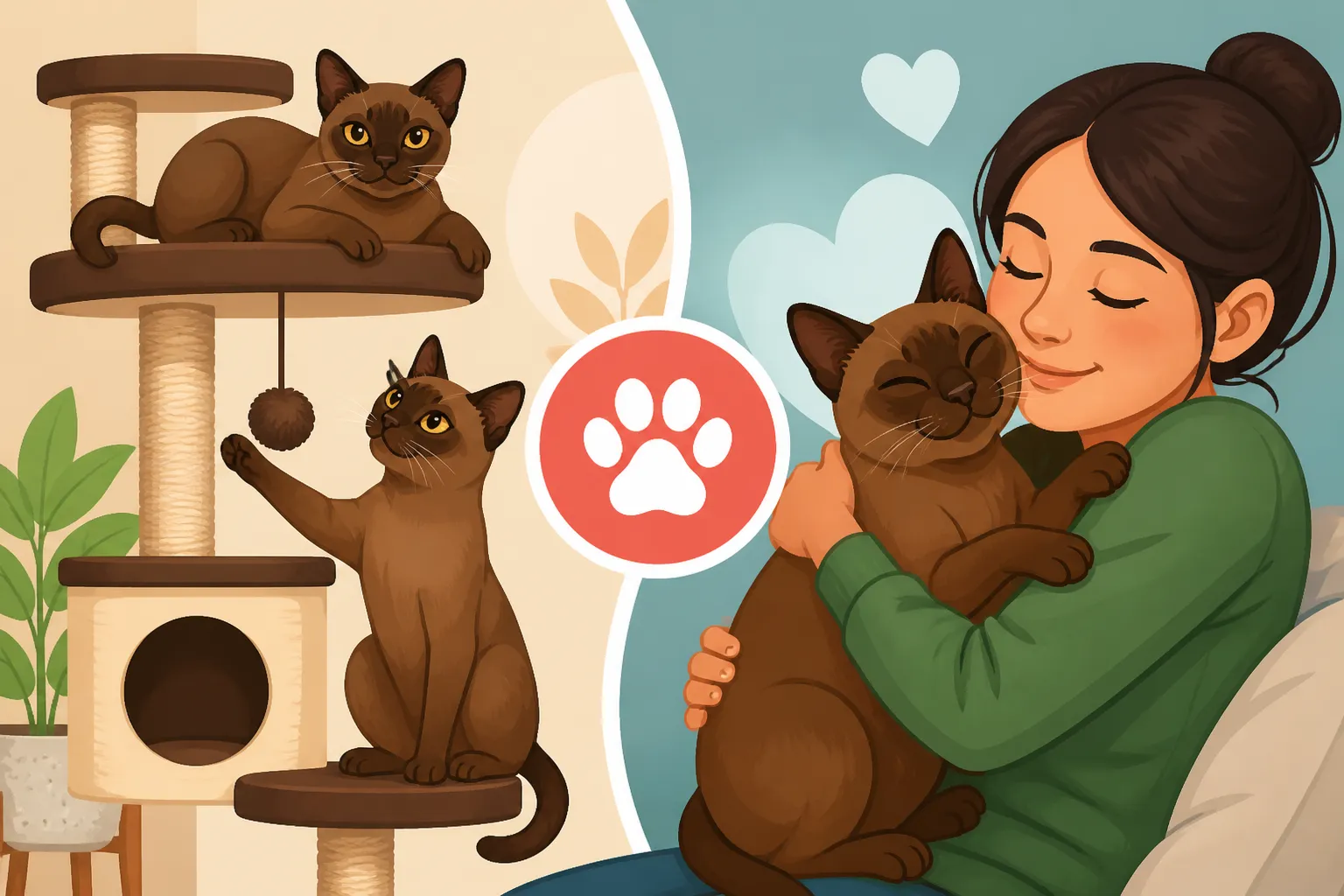
If you're a proud Burmese owner, or thinking of becoming one, you've probably noticed that your beautiful, velvet-coated companion has a particular knack for making itself utterly indispensable. They're often called "Velcro cats" for a reason! So, when it comes to cat trees and other vertical spaces, a common question pops up: will your Burmese actually use that fancy cat tree you just bought, or will they simply choose to climb you instead? This guide is here to help you understand your Burmese's unique preferences and how to create vertical enrichment that they’ll truly love, ideally with you nearby.
The Burmese's Innate Need for Company (and Height)
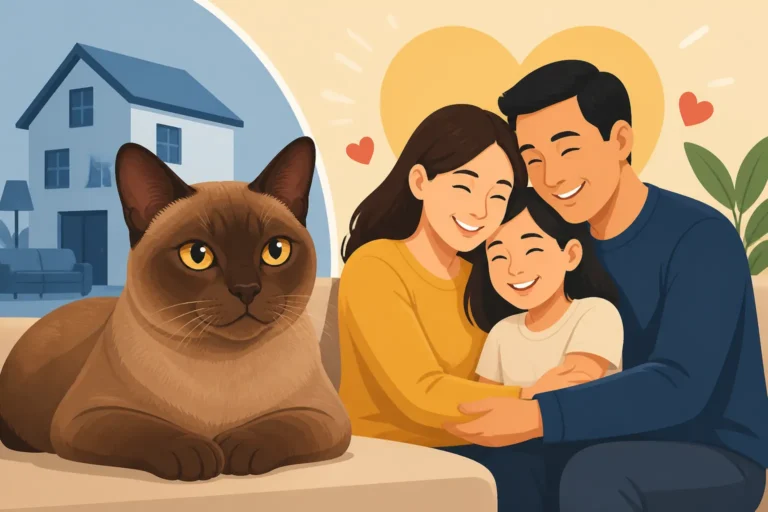
Burmese cats are truly exceptional in their social demands. They aren't just pets; they're family members who insist on being part of every moment. This profound need for companionship heavily influences every aspect of their behavior, including where they choose to perch and play. It's not just about getting high up; it's about getting high up with you.
The "Velcro Cat" Tendency: Why They Prefer People
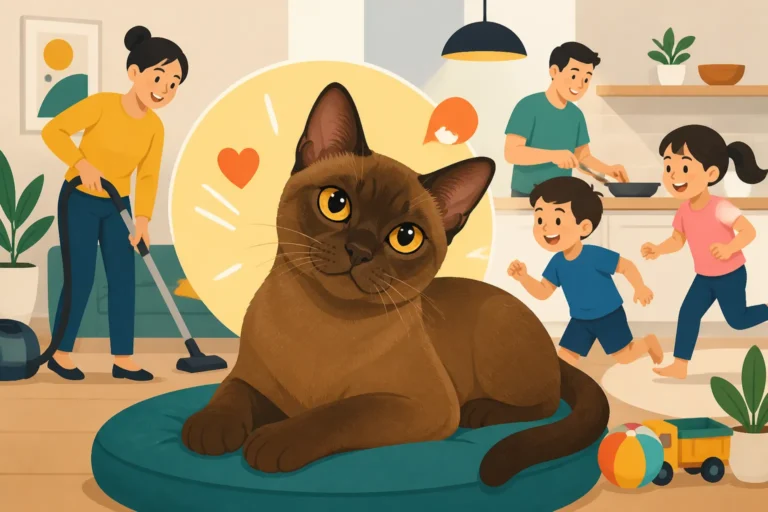
Let's be honest: a Burmese would almost always rather be on you, or at least in the same room as you, than alone on a towering cat tree in a forgotten corner. These cats are legendary for their intense affection and their desire for constant interaction. They are not the type to quietly observe from a distance; they want to be right in the thick of things. You might find them riding on your shoulder as you walk from room to room, or draped over the back of your armchair while you read. This constant physical connection and close proximity is their preferred form of enrichment.
Their strong attachment means that any "furniture" needs to offer more than just a place to sit; it needs to offer a connection to their human. This is why a brand new, elaborate cat tree can sometimes gather dust while your Burmese is happily kneading your chest, purring a rasping rumble that fills the room. They thrive on attention, and if a cat tree doesn't facilitate that, it often loses out to your lap or shoulder. Why a Burmese Rides on Your Shoulder delves deeper into this delightful habit.
The Instinct to Observe from Above (with You)
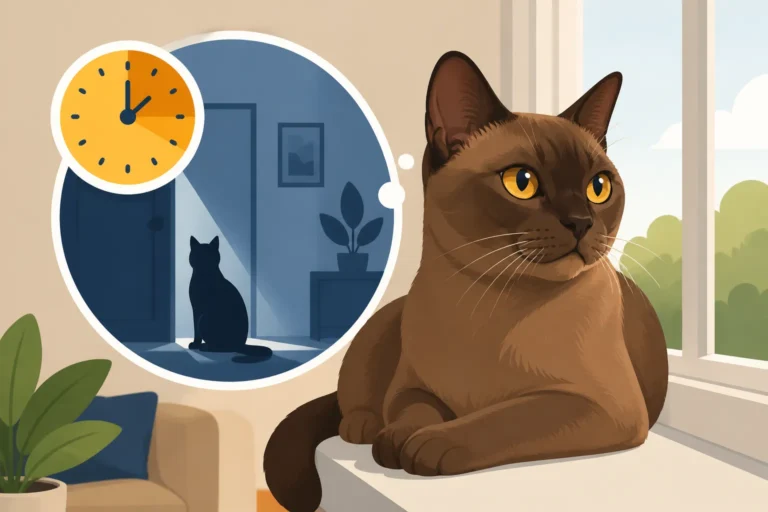
Like many felines, Burmese cats have a natural instinct to seek out high vantage points. It gives them a sense of security, allows them to survey their territory, and offers an excellent spot for birdwatching or simply observing the household bustle. However, with a Burmese, this instinct comes with a crucial caveat: they want to do it with you, or at least where they can keep an eye on you.
Imagine a majestic lion surveying its savanna from a rocky outcrop. Now imagine that lion inviting you up to snuggle next to it while it surveys its domain – that's your Burmese. A cat tree placed in a quiet, isolated room, no matter how grand, often defeats the purpose for a Burmese because it separates them from their beloved humans. They want to be able to jump down quickly for a head boop or a cuddle, and then return to their perch, assured that you're still within sight and earshot. They might use a window perch, but only if that window is in a room where you frequently spend time.
Why Cat Trees Often Go Unused for a Burmese
It’s a common scenario: you invest in a beautiful, multi-level cat tree, envisioning your graceful Burmese leaping and lounging. Then, it sits there, pristine and untouched, while your cat occupies your lap, your keyboard, or the very top of your head. This isn't because your Burmese is ungrateful; it's usually a mismatch between the cat tree's design or placement and your Burmese's unique behavioral needs.
The Location Conundrum: Where Is the Tree Placed?
The biggest culprit for an unused cat tree is often its location. Many well-meaning owners place cat trees in spare rooms, quiet corners, or even basements, thinking it gives the cat "its own space." For a Burmese, this is the kiss of death for a cat tree's utility. A Burmese wants to be where the action is. If the cat tree is not in the living room, the kitchen (during meal prep, of course!), or your bedroom, it might as well be invisible.
Think about it: your Burmese thrives on companionship. They want to know what you're doing, who's coming and going, and be available for pets and interaction at a moment's notice. A cat tree tucked away from the main family hub simply won't fulfill this deeply ingrained social need. It becomes a lonely tower, rather than a prime observation deck from which to supervise their favorite humans. Why a Burmese Cannot Let You Leave the Room highlights just how much they crave proximity.
Competition for Your Attention: The Tree vs. the Lap
Let’s face it: a soft, purring Burmese on your lap is infinitely more appealing to both of you than a lonely cat tree. A Burmese is a master of demanding and receiving attention. They've been observed learning tricks just for a piece of food, and their ability to charm their way onto your lap or shoulder is unparalleled. Why would they choose a static structure when they could have the warmth, movement, and affection of their human?
The cat tree is an inanimate object; you are the source of all joy, food, pets, and conversation. Your Burmese views you as the ultimate enrichment provider. If given the choice between an elevated perch and the opportunity to press their face against your cheek, or to burrow under the duvet with you, the latter will win every single time. This isn't a design flaw of the cat tree, but rather a testament to the powerful bond you share with your Burmese.
Design Flaws: Is the Tree Actually Inviting for a Burmese?
Beyond location and the allure of your presence, the physical design of the cat tree itself can be a major factor. Burmese cats are muscular, dense, and surprisingly heavy for their sleek appearance. They are often described as a "brick wrapped in silk" for a reason! Many generic cat trees are designed for lighter, more agile breeds with less powerful builds.
Here are some common design issues that might deter a Burmese:
- Wobbliness: A rickety tree that sways when they jump can be intimidating and unsafe for a muscular cat. Burmese need stability.
- Small Platforms: Tiny perches might be fine for a petite cat, but a full-grown Burmese needs ample space to stretch out, roll around, or comfortably nap. If the platforms feel cramped, they won't use them.
- Rough Materials: While some cats love rough sisal, a Burmese's luxurious satin coat might be sensitive to overly scratchy materials on lounging areas. Soft, plush surfaces are usually preferred for napping spots.
- Lack of Cubbies/Hiding Spots: While very social, cats also appreciate enclosed spaces for naps or feeling secure. If a tree offers only open platforms, it might miss an opportunity for cozy retreat.
It’s worth noting that a Burmese, being highly intelligent, might quickly deem a poorly designed or unstable tree not worth their effort, especially when your sturdy lap is readily available.
Making a Cat Tree Appealing to Your Burmese
So, you've got a cat tree, and your Burmese is giving it the cold shoulder. Don't despair! With a few strategic adjustments, you can transform that unused structure into a cherished hangout spot – one that hopefully still keeps them close to you. The key is to understand what motivates your Burmese and to make the tree an extension of their desire for companionship and engagement.
Strategic Placement: Near the Action, Near You
This is, arguably, the single most important factor. Forget the quiet spare room. Your cat tree needs to be where you are. Think about the spots where you spend the most time, and identify areas where a cat tree won't be in the way but will be easily accessible to your Burmese.
Consider placing it:
- In the living room: Near your favorite armchair or couch, allowing your Burmese to be elevated but still within petting distance. They can watch TV with you (or, more likely, watch you watching TV).
- By a frequently used window: If you have a window that gets a lot of bird or squirrel action, and it's in a room you often inhabit, this is a prime spot. The visual stimulation combined with your presence makes it far more enticing.
- In your home office: If you work from home, a cat tree next to your desk can provide a compromise. They get to be near you, perhaps even on a platform at eye level, without constantly walking across your keyboard.
The goal is to integrate the cat tree into your shared living space, making it a natural extension of their "Velcro" existence. If your Burmese consistently refuses to go into a certain room, it’s probably not the right spot for the tree. Why a Burmese Cannot Be Left Alone All Day underscores their need for constant company, which extends to their chosen perching spots.
Enrichment Beyond Just Height: Lures and Interaction
Once the cat tree is strategically placed, you need to actively encourage your Burmese to use it. This means making it an interactive, rewarding space, especially during those initial introductions.
- Treats are your best friend: Place high-value treats (like small pieces of cooked chicken or their favorite soft treats) on the lower levels of the tree, gradually moving them higher. Reward them enthusiastically when they climb. Why Food Motivates a Burmese Too Well is a good read if you need convincing!
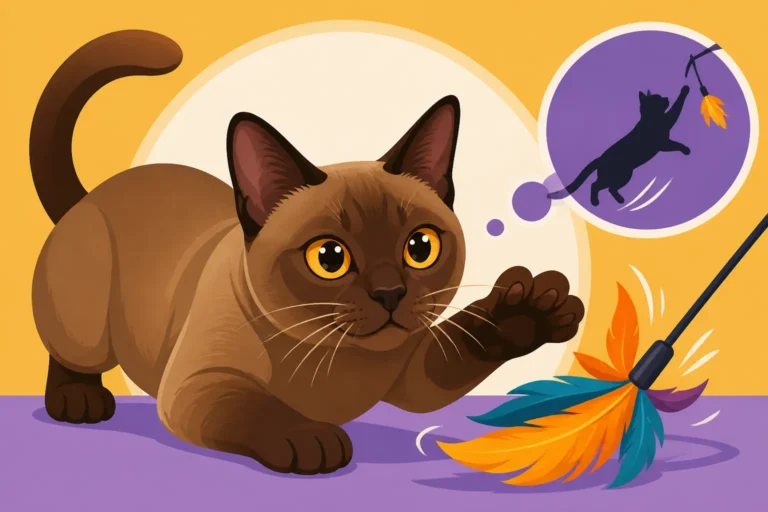
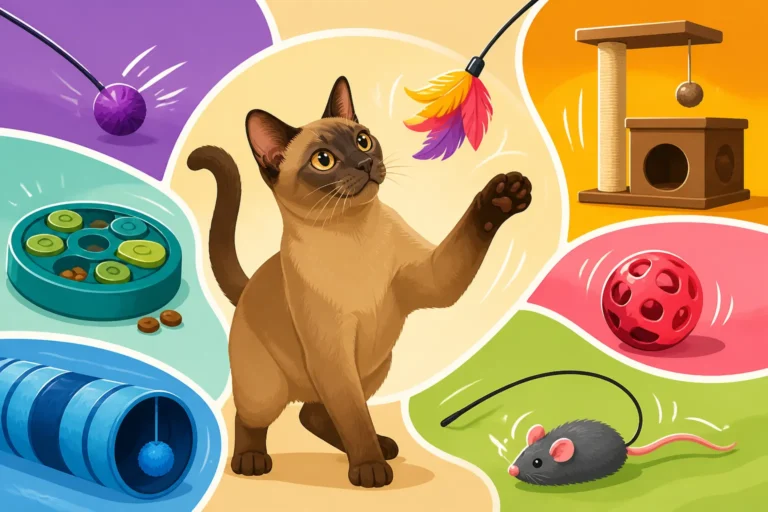
- Wand toys and laser pointers: Use their favorite wand toy or a laser pointer to guide them up and down the tree. Make climbing it part of a fun play session. Chase the light spot or dangle the toy from the top, enticing them to ascend.
- Catnip spray: A little catnip spray on the scratching posts or lounging platforms can make the tree instantly more attractive. Just be mindful not to overdo it, as some cats can get too excited.
- Comfort items: Place a soft blanket, a favorite toy, or even a shirt that smells like you on one of the platforms to make it more inviting.
Remember, positive reinforcement is key. Every time they interact positively with the tree, give them praise, pets, or a small treat. Make it a joyful experience, not a chore.
Choosing the Right Tree for a Burmese: Sturdy and Spacious
If you're still in the market for a cat tree, or considering an upgrade, keep your Burmese's unique physique and personality in mind. Investing in the right kind of tree will significantly increase its chances of being used.
Here's what to look for:
- Stability is paramount: Look for heavy bases, wide platforms, and robust construction. Some brands specialize in trees for larger or more active cats. You can often find excellent options on Amazon, designed with wider posts and heavier materials.
- Generous platforms and beds: Ensure the lounging areas are large enough for your adult Burmese to comfortably stretch out. A cat who feels cramped won't relax. Look for trees with enclosed cubbies or hammocks, as these can provide a sense of security and warmth that a Burmese, with its short coat, often craves. Why a Short Coated Burmese Seeks Body Heat explains this further.
- Appropriate scratching surfaces: While Burmese don't have excessive grooming needs, they do need to scratch. Make sure the tree has sisal-wrapped posts that are tall enough for them to fully extend their body while scratching.
- Easy ascent/descent: For a muscular cat, clear paths between levels are important. Avoid trees with awkward gaps or very steep climbs that might deter them, especially as they get older.
- Multi-cat friendly: If you have two Burmese (which many breeders recommend!), consider a tree with multiple perches and hidey-holes to prevent squabbles over prime real estate. Why Burmese Breeders Sell Them in Pairs is a good read if you're considering a duo.
By prioritizing stability, size, and comfort, you're much more likely to find a cat tree that your Burmese will actually enjoy and use regularly, transforming it from an ignored piece of furniture into a valuable addition to their domain.
| Feature | What a Burmese Needs | Why It Matters |
|---|---|---|
| Stability | Heavy, wide base; sturdy posts; minimal wobble | Muscular build and energetic jumps require solid footing; prevents fear of falling |
| Platform Size | Large, spacious platforms (at least 15×15 inches) and ample beds | Allows for comfortable lounging, stretching, and napping without feeling cramped |
| Location | Placed in active, high-traffic areas (living room, office), near humans | Fulfills their intense social needs; they want to be part of the family action |
| Material Softness | Plush, soft, cozy surfaces for lounging areas | Complements their sensitive, satin coat and short fur; provides warmth |
| Scratching Areas | Tall, robust sisal posts for full body stretch | Essential for paw health and marking territory |
| Interactive Features | Can be easily integrated with toys, treats, and human play | Engages their intelligent, playful nature and desire for interaction |
| Enclosed Spaces | Cubbies or hammocks provide secure, warm spots | Offers a sense of security and warmth, especially important for short-coated cats |
Beyond the Cat Tree: Other Vertical Spaces a Burmese Loves
Sometimes, even the perfect cat tree in the perfect spot might not be your Burmese's number one choice. That’s perfectly okay! Their unique blend of athleticism and extreme sociability means they might find other elevated spots more to their liking, especially if those spots bring them closer to you. Remember, for a Burmese, the "vertical space" is always secondary to the "human interaction."
Shelves and Wall-Mounted Perches: Integrating into Human Spaces
If a traditional freestanding cat tree isn't a hit, don't give up on vertical enrichment entirely. Wall-mounted shelves and perches can be a fantastic alternative, and they often offer a more seamless integration into your home decor. The beauty of these systems is that you can customize them to create a unique climbing path that leads to prime "human-watching" spots.
Imagine a series of sturdy shelves leading up to a large, comfortable platform mounted just above your favorite reading chair. This allows your Burmese to be elevated, feel secure, and still be literally looking down at you, ready for a head rub. Many owners find that these discrete perches are more appealing because they don't dominate a room and can be positioned exactly where the human activity is. You can find a wide variety of wall-mounted cat furniture options on Amazon, from simple floating shelves to elaborate multi-level climbing structures, many of which are designed with larger cats in mind. Why a Burmese Climbs People Rather Than Furniture might make you chuckle, but it highlights their desire for height with a connection.
The Ultimate "Cat Tree": Your Own Body and Furniture
Let's be real: for many Burmese, you are the ultimate cat tree. Your shoulders, your lap, the back of your chair – these are their preferred high vantage points. It’s warm, it moves, and most importantly, it’s you. Accepting this delightful reality is often the first step in understanding your Burmese's unique needs.
Think of all the ways your Burmese uses you as a vertical space:
- Shoulder riding: They love to perch on your shoulders, often draped like a fancy stole, surveying the room from a height while keeping their beloved human close. How Long a Burmese Will Ride on a Shoulder offers more insight into this behavior.
- Chair backs: The top of a comfy armchair or sofa back becomes a prime lookout point, especially if it's behind your head, allowing them to rest against you.
- The top of the bed: They'll often sleep nestled against your head or by your feet, again, using the highest point of the bed to be close to you.
Rather than fighting this, embrace it! While you still want to provide alternative vertical enrichment for their physical health and mental stimulation, acknowledge that their greatest joy will always be found in your company, whether that's on a custom cat shelf or, more often than not, right on your lap. This is the true essence of living with a Burmese: their need for connection is so profound that even furniture often pales in comparison to their favorite human.
Disclaimer
This article is for general informational purposes only and does not constitute professional advice. Laws, prices and regulations vary by location and change over time. Consult a qualified professional for guidance on your specific situation.