What Settles a Burmese That Has Been Left Too Long
It's absolutely heartbreaking to come home and find your beloved Burmese looking anxious, withdrawn, or perhaps even having acted out in your absence. You see the signs – the scattered items, the unusual quiet, or even the desperate purr-rub against your legs – and you know they've been struggling with the loneliness. This guide is here to walk you through exactly how to help your Burmese settle back down, regain their sense of security, and thrive even when you can't be by their side every single second.
Understanding the Burmese's Deep Need for Company
The Burmese isn't just any cat; they're often called "dog-like" for a reason. They form incredibly strong bonds with their human companions, almost to an obsessive degree, which is what makes them such wonderful, affectionate pets. But this deep attachment comes with a caveat: they truly struggle when left alone for extended periods. It's not just a preference; it's a fundamental part of their being. When a Burmese is left too long, that deep-seated need for connection isn't being met, and it can manifest in various ways, from subtle distress to full-blown anxiety.
Why Loneliness Hits Burmese Cats Hard
Unlike some more independent cat breeds that might simply enjoy their solitude, a Burmese thrives on interaction. They live to be with you, ride on your shoulder, and be involved in your daily activities. They are the ultimate "velcro cats," and this isn't just a cute quirk; it's an intrinsic part of their breed's temperament. This means that separation isn't just boring for them; it can be genuinely distressing. Imagine being a child who's always used to constant reassurance and then suddenly finds themselves in an empty house – that's often how a Burmese feels. Their world revolves around their people, and when those people are gone, their world feels empty and uncertain. You might notice What Separation Anxiety Looks Like in a Burmese, which often includes excessive vocalization, destructive behavior, or even inappropriate urination, all desperate cries for attention and security.
Recognizing the Signs of Being Left Too Long
It's crucial to distinguish between a Burmese who has simply missed you and one who has truly struggled. A cat who has been left too long will often show more profound signs of distress beyond a simple happy greeting. They might be overly clingy, following you from room to room with an intensity that speaks of their recent isolation. Some might become withdrawn, initially refusing food or attention, as if they're sulking or feeling abandoned. Others might have acted out, scratching furniture they normally wouldn't touch, or exhibiting nervous over-grooming, which can lead to bald patches as explored in Why a Lonely Burmese Pulls Its Satin Coat Out. Pay close attention to their litter box habits, their appetite, and their general demeanor when you first return. A subtle change can speak volumes about their recent experience. The key is to understand that these aren't acts of spite; they are manifestations of profound unhappiness and stress.
Immediate Reconnection Strategies Upon Your Return
When you finally walk through the door after being away for an extended period, your Burmese needs immediate reassurance that they are safe and loved. This isn't the time to scold any misbehavior you might find; it's a critical moment to re-establish their sense of security.
Prioritizing Calm, Affectionate Greetings
The first thing your Burmese needs from you is calm, reassuring affection. Kneel down to their level, offer a gentle hand for them to rub against, and speak in a soft, soothing voice. Avoid overly excited greetings, as this can sometimes heighten their anxiety if they're already stressed. Let them initiate the contact. A Burmese will often push its head into your hand or face, as if seeking confirmation that you are truly there and attentive. This gesture, described in Why a Burmese Pushes Its Face Into Your Palm, is a clear sign they are seeking reassurance. Spend a good five to ten minutes just being present with them, stroking their soft, satin coat, and letting them absorb your presence. This immediate, undivided attention tells them, "I'm here, you're safe, and everything is okay."
Offering a Comforting Meal and Fresh Water
Food can be an incredibly powerful comforter, especially for a Burmese who often finds immense joy in meal times. Even if they've had access to food while you were out, a fresh, appealing meal served immediately upon your return can signal stability and care. Ensure their water bowl is clean and full. Sometimes, a cat that has been stressed may not have drunk enough water, so making it pristine and inviting is important. If you've been gone for a very long stretch, consider offering a small, highly palatable wet food meal to encourage them to eat and rehydrate. This routine helps to re-establish normalcy and provides a positive association with your return.
Engaging in Gentle Play to Release Tension
Once they've had some affection and perhaps a little something to eat, a short, gentle play session can help release any pent-up energy or anxiety. Don't go for an over-the-top, energetic game if they seem subdued. Instead, opt for a wand toy with soft feathers that they can stalk and pounce on, allowing them to engage their natural hunting instincts in a controlled way. This kind of play is excellent for stress relief and helps them burn off any nervous energy. The focus isn't about exhausting them, but about re-engaging their minds and bodies in a positive, interactive way with you. Just 10-15 minutes can make a world of difference in shifting their emotional state from anxious to engaged.
Long-Term Strategies for Preventing Loneliness
While immediate actions are crucial, the true solution lies in establishing long-term strategies that address the Burmese's fundamental need for companionship and stimulation. This requires a thoughtful approach to their environment and routine.
Enriching Their Environment with Interactive Toys and Perches
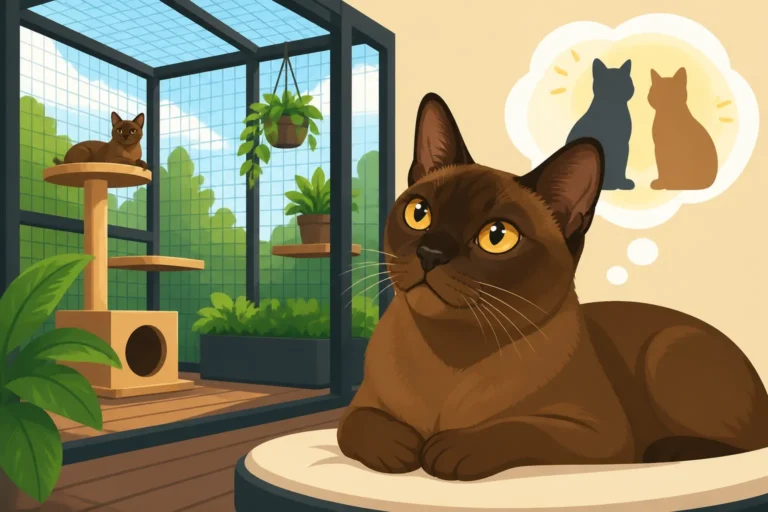
When you can't be there, a stimulating environment can help fill some of the void. Invest in a variety of interactive toys. Puzzle feeders, which you can find readily on Amazon, are fantastic for keeping their minds active and making mealtime last longer. These not only provide mental stimulation but also tap into their natural foraging instincts. Rotate toys regularly so they don't get bored of the same things. Vertical space is also key; tall cat trees or shelves near windows allow them to survey their territory and watch the world outside. This gives them a sense of control and a changing vista, which can be particularly engaging. Think of it as creating a mini-adventure park within your home that caters to their curious and playful nature, even when alone.
Establishing a Predictable Routine
Cats, especially sensitive breeds like the Burmese, thrive on routine. A predictable schedule for meals, play, and cuddle times creates a sense of security. Try to feed them at the same times each day, even on weekends. If you leave for work at a consistent hour, establish a pre-departure routine that's calming and positive, like a quick play session followed by a treat. When you return, stick to your immediate reconnection steps. This predictability helps them understand what to expect and reduces anxiety around your departures and arrivals. They learn that while you may leave, you will always return, and certain comforting rituals will take place. This consistency is a cornerstone of their emotional well-being.
Considering a Companion Animal
This might sound like a big step, but for a breed like the Burmese, it can be a game-changer. These cats are incredibly sociable, and often, the best solution for loneliness is another cat. Many Burmese breeders will even recommend getting them in pairs, as explored in Why Burmese Breeders Sell Them in Pairs, because they genuinely do better with a constant companion. Another Burmese is often ideal, as they understand each other's play styles and communication. However, a friendly, active cat of another breed can also work wonders. Even a dog, if properly introduced and gentle, can become a Burmese's best friend. Why a Burmese Curls Up Against a Dog explains how they often treat dogs as just another member of their social circle. The presence of another creature to interact with, chase, and cuddle with can drastically reduce feelings of isolation.
Here's a quick comparison of loneliness solutions:
| Strategy | Description | Immediate Impact | Long-Term Benefit | Best For |
|---|---|---|---|---|
| Direct Affection | Gentle strokes, soft words, allowing them to rub against you upon return. | Instant emotional reassurance. | Rebuilds trust and strengthens bond. | All Burmese, especially upon arrival after absence. |
| Comfort Food/Water | Fresh meal and water offered promptly. | Signals stability, provides nourishment. | Reinforces positive homecoming routine. | All Burmese; critical for those who may have been stressed. |
| Gentle Play | Short, interactive play with wand toys or gentle games. | Releases tension, redirects energy. | Mental and physical stimulation, reinforces bond. | All Burmese; helps active cats de-stress. |
| Enrichment Toys | Puzzle feeders, rotating toys, vertical spaces, window perches. | Distraction, mental engagement. | Reduces boredom, prevents destructive behavior when alone. | Burmese left alone for moderate periods. Look for options on Amazon. |
| Predictable Routine | Consistent meal times, play sessions, and departure/arrival rituals. | Reduces uncertainty, provides structure. | Builds a sense of security and trust. | All Burmese; provides foundation for emotional well-being. |
| Companion Animal | Introducing another cat (ideally another Burmese) or a cat-friendly dog. | Immediate social interaction. | Constant companionship, drastically reduces loneliness. | Burmese often left alone for long hours, or those with severe separation anxiety. |
| Calming Aids | Feliway diffusers, vet-approved calming supplements (after vet consultation). | Reduces overt signs of stress. | Creates a more serene environment. | Highly anxious Burmese, used as an adjunct to other strategies. Available on Amazon. |
Advanced Support and Consistent Care
Sometimes, simply enriching the environment isn't quite enough, especially if your Burmese has developed persistent anxiety or problematic behaviors. It's time to consider more targeted approaches and remain incredibly consistent.
The Power of Positive Reinforcement
Burmese cats are intelligent and highly motivated by food and attention, making them excellent candidates for positive reinforcement training. If your Burmese is exhibiting unwanted behaviors when left alone, don't punish them; instead, focus on rewarding calm, appropriate behavior. For example, if they start to show signs of anxiety when you're preparing to leave, ignore those behaviors and only reward them when they are calm. When you return home, ignore any initial excessive vocalization or destructive behavior, and wait for a moment of quiet before offering affection. This teaches them that calm behavior gets a positive response. Treats from Amazon can be great training tools, but remember Why Food Motivates a Burmese Too Well, and ensure treats are low-calorie and fit into their overall diet. Clicker training can also be very effective for teaching them alternative, positive behaviors, redirecting their focus and building their confidence.
Utilizing Calming Aids and Professional Help
For some Burmese, anxiety can be deeply ingrained, and they might benefit from additional support. Pheromone diffusers, like Feliway, can help create a more serene environment by releasing synthetic feline facial pheromones that mimic a cat's natural calming signals. You can often find these at your local pet store or on Amazon. In more severe cases, your veterinarian might suggest specific calming supplements or, in rare instances, anti-anxiety medication. Never administer any medication without veterinary guidance. A vet can also rule out any underlying medical conditions that might be contributing to their distress. For persistent behavioral issues, a certified feline behaviorist can provide tailored strategies and help you understand the nuances of your cat's specific situation. They can often provide insights into What a Camera Catches a Lonely Burmese Doing, helping you understand the triggers and patterns of their distress.
Consistency is Key: Building a Foundation of Trust
Ultimately, settling a Burmese that has been left too long comes down to consistent, patient care. They need to know they can trust you to return, to provide for them, and to give them the affection they crave. Every time you come home and follow a reassuring routine, every time you leave them with a stimulating environment, and every time you engage in positive interaction, you are rebuilding that trust. This isn't a quick fix; it's an ongoing commitment to their emotional well-being. Think of it as continuously reinforcing the message: "You are safe, you are loved, and you are not alone." Over time, with consistent effort, your Burmese will learn to cope better with your absences and greet your returns with genuine, settled happiness.
Disclaimer
This article is for general informational purposes only and does not constitute professional advice. Laws, prices and regulations vary by location and change over time. Consult a qualified professional for guidance on your specific situation.