What a Burmese Does When It Is Left Too Long
Burmese separation anxiety causes intense distress, continuous vocalization, and pacing when left alone for long periods.
Change the room, not the cat.
Litter box avoidance, scratching and furniture, multi-cat tension and night activity — and the vertical space, play routines and feeding puzzles that solve more than correction does.
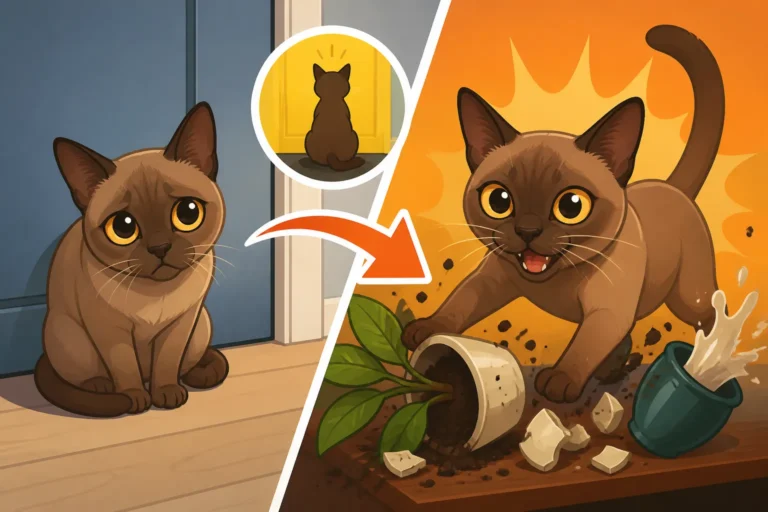
Burmese separation anxiety causes intense distress, continuous vocalization, and pacing when left alone for long periods.
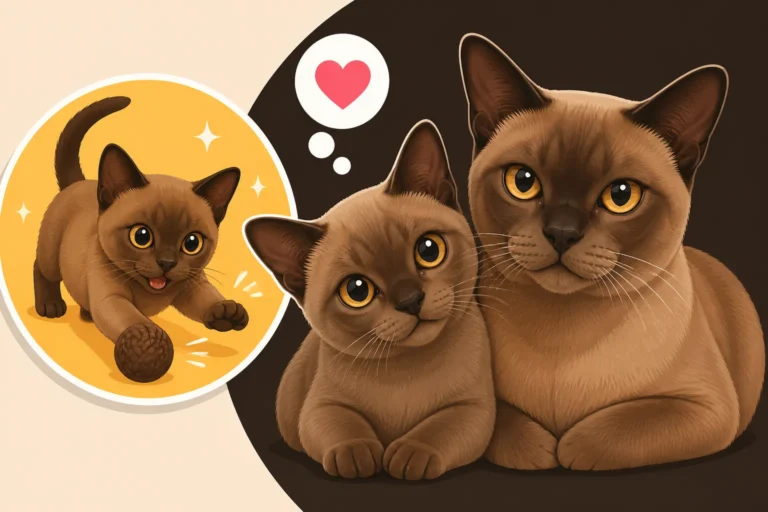
The Burmese cat retains a kittenish spirit into old age because high intelligence and lifelong playfulness prevent mental stagnation.
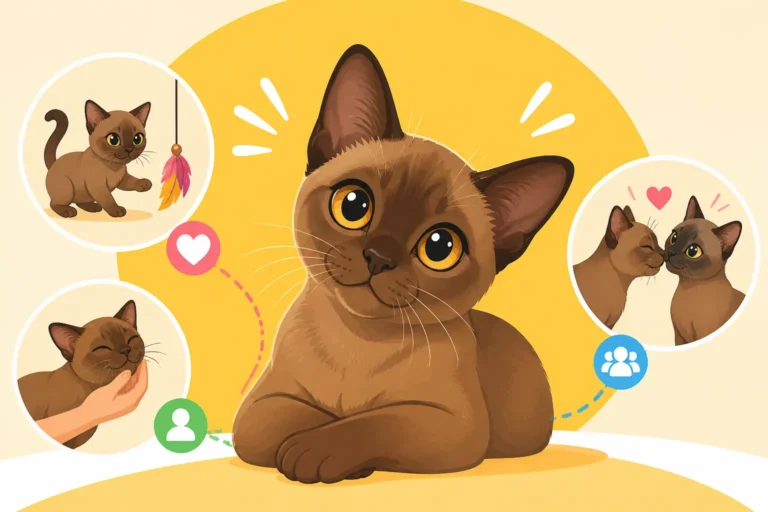
Burmese kittens possess a genetic predisposition to self-socialize, eagerly embracing new people, pets, and experiences with confidence.
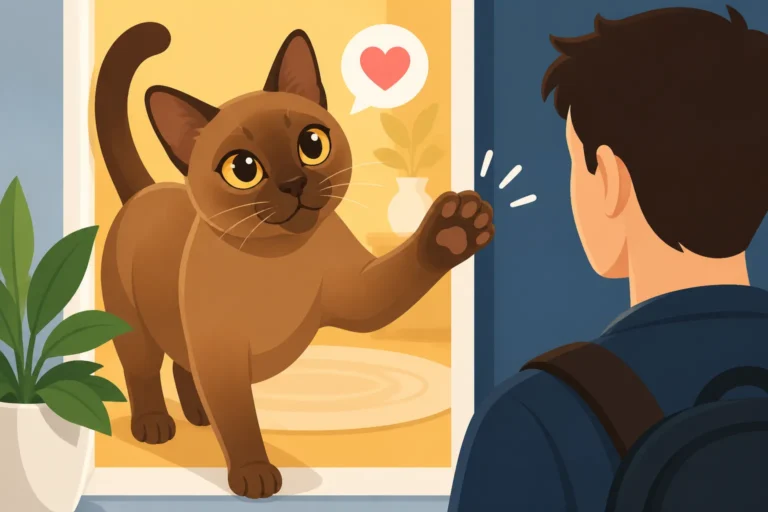
The Burmese cat greeting ritual stems from an innate drive for connection, companionship, and constant interaction with every visitor.
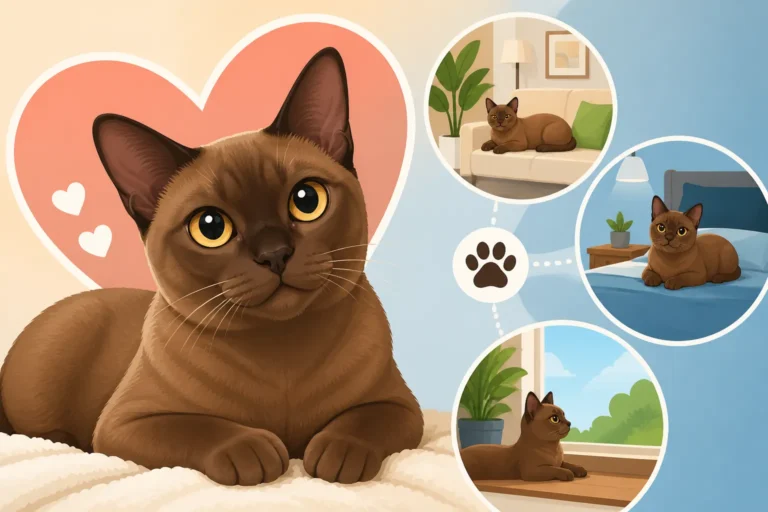
Burmese cats trace their intense attachment and desire for human closeness to historical breeding practices and genetics.
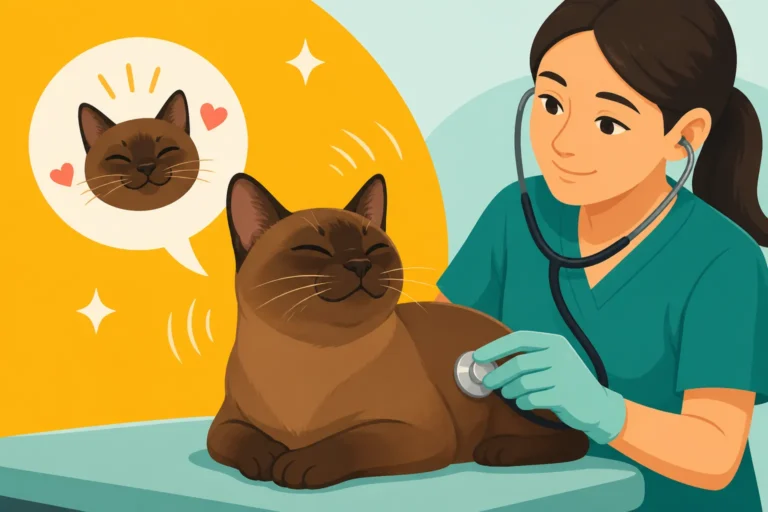
Burmese cat purring at the veterinary clinic reflects deep social bonds, self-soothing mechanisms, and a strong need for human reassurance.
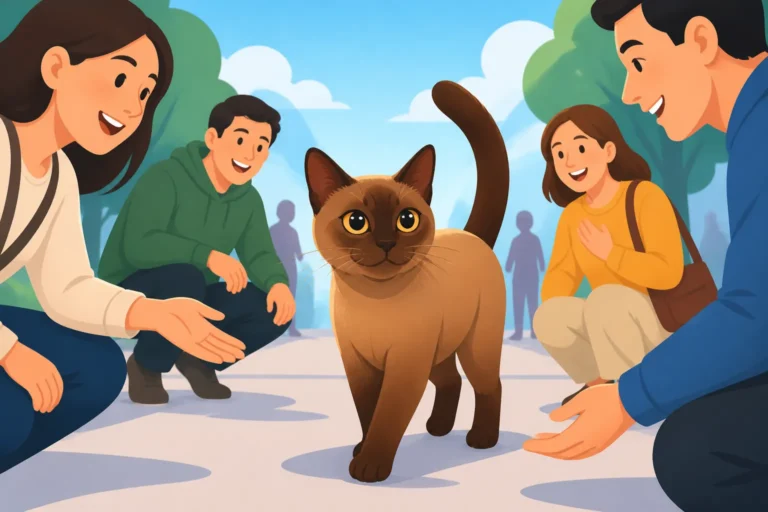
The Burmese cat possesses a trusting temperament and affectionate nature that makes roaming outdoors dangerously unsafe around strangers.
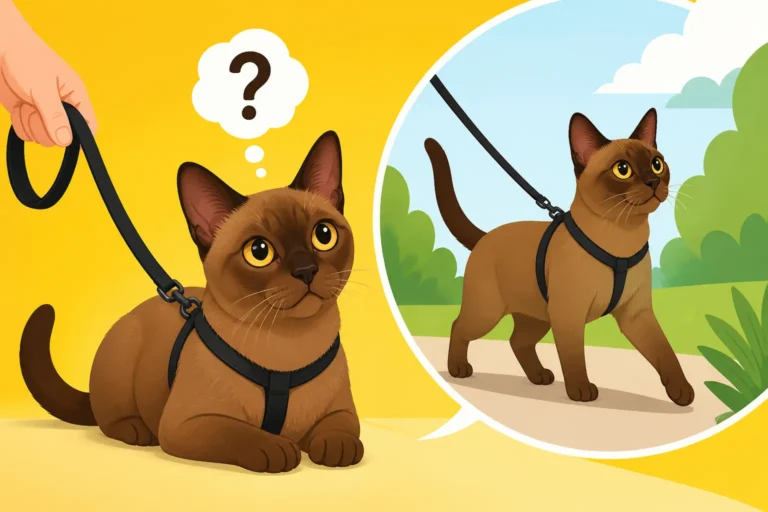
Burmese cats have dog-like affection, loyalty, and trainability, helping owners decide if leash walking is right for their pet.
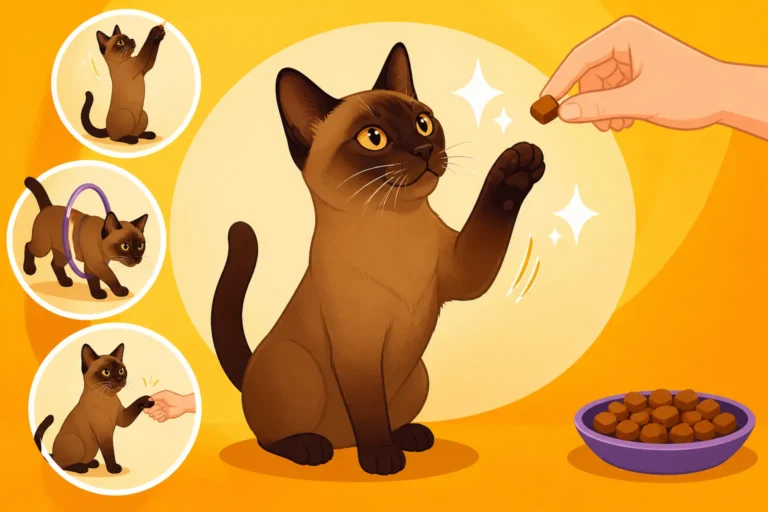
Burmese cat trick training uses food motivation to teach behaviors, leveraging high intelligence and canine-like loyalty.
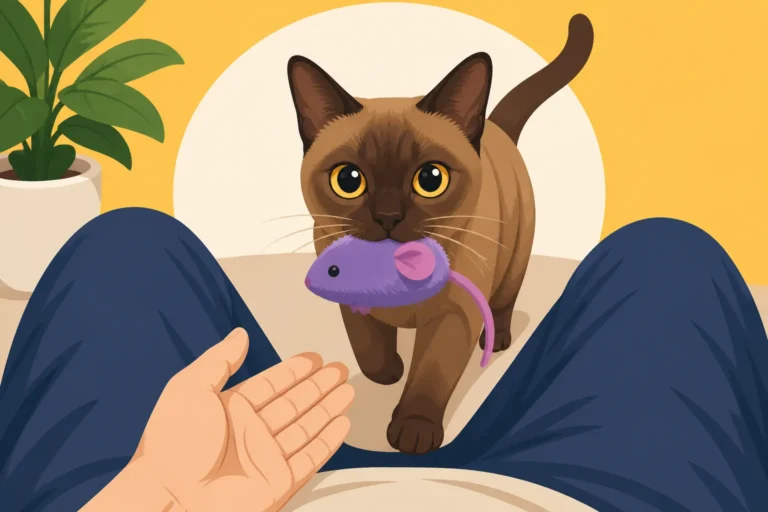
Burmese cat retrieving behavior explains why this intelligent breed brings toys back and how to encourage fetching.