How Short a Burmese’s Coat Actually Is
When you first hear "short-haired cat," your mind might conjure up images of a sleek domestic shorthair, or perhaps a Siamese with its fine, close-lying fur. But if you’re a Burmese enthusiast, or considering welcoming one of these affectionate felines into your home, you quickly learn that the Burmese coat is in a league of its own. It’s not just "short" in the common sense; it’s an exceptionally brief, almost painted-on affair that defines a significant part of the breed's unique charm and care requirements. This guide will take a deep dive into just how short a Burmese's coat truly is, and what that means for you as an owner.
Understanding the Burmese Coat's Unique Shortness and Texture
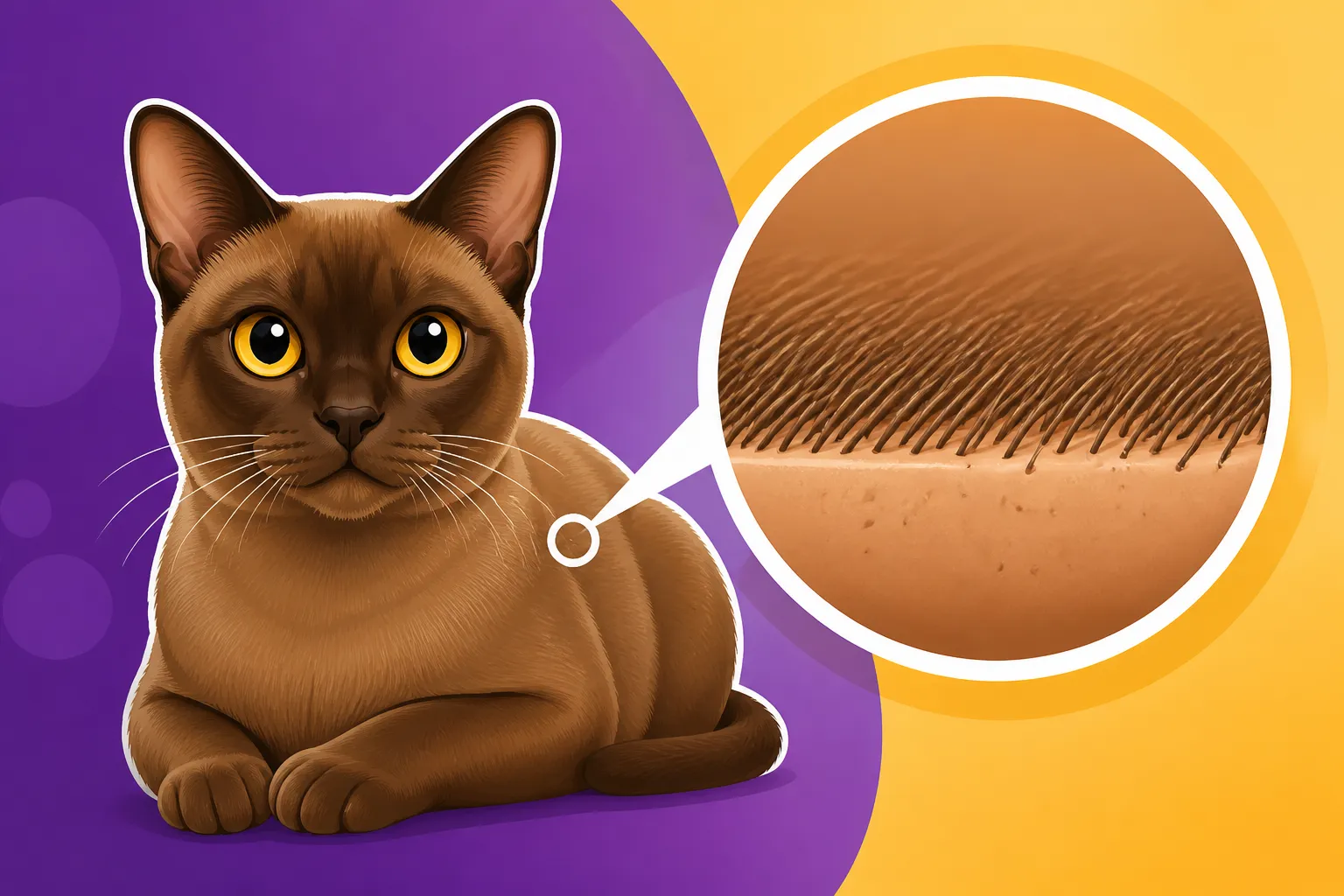
The Burmese coat is often described with words like "satin" or "silk," and for good reason. It’s a texture unlike almost any other cat breed, contributing significantly to their distinct appearance and feel. This isn't just about length; it's about the entire composition of their fur.
The "Satin" Feel: What Makes it Different
Imagine running your hand over a piece of fine satin fabric—smooth, cool, and incredibly soft, with a subtle sheen that catches the light. That's precisely the sensation a Burmese coat provides. It lies incredibly close to their muscular body, almost like a second skin, accentuating their famously solid "brick wrapped in silk" build. There's no fluff, no springiness, just a dense, fine texture that feels utterly luxurious. This characteristic "satin" feel is one of the most immediate and delightful ways a Burmese distinguishes itself from other cats. It’s not just short, it’s short and exquisitely smooth. Many owners find themselves mesmerized by the way the light dances across their Burmese's coat, highlighting their rich, deep colors. What Makes a Burmese's Coat Satin Rather Than Silky delves deeper into the genetic underpinnings of this unique texture.
The individual hairs themselves are extremely fine and delicate, yet packed densely together. This combination creates a surface that is both incredibly soft to the touch and visually striking. When a Burmese moves, its coat ripples and gleams, emphasizing their athletic grace. This isn't a coat that stands out or fluffs up; it's designed to lie flat and smooth, giving the cat a streamlined, elegant silhouette. You won't find any wiry guard hairs or unruly tufts here. It's a marvel of feline genetics that results in a truly touchable and beautiful coat, making them incredibly appealing to stroke and cuddle.
The term "satin" also extends to the visual appeal. Unlike many cats whose coats can appear somewhat matte or fuzzy, the Burmese coat has a natural luster that seems to glow from within. This sheen is particularly noticeable in strong light, where the depth of their sable, champagne, blue, or platinum colors truly comes alive. It's a coat that demands attention not through volume, but through its sheer understated elegance and tactile quality. This visual and tactile appeal makes them irresistible cuddle companions, as their smooth, warm fur is just begging to be stroked.
The Minimal Undercoat: Implications for Density and Shedding
One of the most defining characteristics of the Burmese coat, beyond its literal shortness, is the almost complete absence of an undercoat. Most cat breeds have two layers of fur: a coarser outer coat of guard hairs and a softer, downier undercoat that provides insulation. The Burmese largely skips the latter, resulting in a single, incredibly fine layer of fur. This lack of an insulating undercoat has several significant implications for the breed, from how they feel to how they manage temperature and even how much they shed. Why a Burmese Has Almost No Undercoat offers a more detailed explanation of this fascinating trait.
Because there's no fluffy undercoat to shed in great clumps, Burmese cats are often considered low-shedders. While no cat is truly non-shedding, the amount of hair a Burmese leaves around your home is remarkably less than many other breeds. You won't find yourself constantly battling clouds of fur or lint-rolling your clothes multiple times a day. This is a huge relief for many cat owners, especially those who appreciate a clean home and don't want to be covered in cat hair after a cuddle session. However, "less" doesn't mean "none," and even their fine, short hairs can accumulate, particularly during seasonal changes.
The minimal undercoat also means their fur lies extremely flat against their body, making them feel incredibly dense and solid, reinforcing their "brick wrapped in silk" moniker. When you pick up a Burmese, you immediately notice their surprising weight and muscularity, which is only highlighted by their close-lying coat. This body type, combined with their short, fine fur, makes them feel very robust and compact. This density also means that even though their fur is short, it provides a surprising amount of warmth when they are snuggled up against you, though they can struggle to regulate their own temperature in cooler environments, as we'll discuss later.
This characteristic also contributes to the distinctive sheen of their coat. With no coarse guard hairs or fluffy undercoat to obscure it, the light reflects uniformly off the fine, smooth outer layer, enhancing that beautiful satin-like luster. It's a testament to the breed's streamlined genetics, focusing on density and texture over volume. For owners, this translates to a cat that is not only beautiful to behold but also incredibly pleasant to interact with on a tactile level, reinforcing their reputation as truly affectionate and "velcro" cats who love to be close.
Comparing the Burmese Coat: A Deep Dive into Length and Lies
To truly appreciate just how short a Burmese's coat is, it helps to put it into perspective by comparing it to other feline coats. Many people assume "short-haired" cats are all more or less the same, but the Burmese coat offers a masterclass in subtlety and distinction.
Setting It Apart from the Everyday Domestic Shorthair
Think about the average domestic shorthair cat you might encounter—your neighbor's friendly tabby, or a cat at the local shelter. Their coats are certainly short, but they often have a noticeable amount of loft and a slightly coarser texture. The hairs stand away from the body a bit, and if you stroke them, you'll feel a definite density from both the outer and undercoat. This provides a certain amount of plushness, a soft cushion beneath your hand. A domestic shorthair's coat offers general insulation and protection, and while it's easy to care for, it doesn't possess the same refined, almost minimalist quality as the Burmese.
The Burmese, by contrast, feels like velvet stretched over muscle. The hairs are so fine and lie so flat that there's virtually no "loft" at all. When you pet a Burmese, your hand glides directly over the contours of their body; there’s no cushion or resistance from a thick layer of fur. This creates a sensation that is uniquely sleek and almost skin-like, rather than simply furry. It’s the difference between a plush velour and a smooth satin. How a Burmese's Coat Differs From a Tonkinese's or How a Burmese's Coat Differs From a Siamese's can also provide useful comparisons with related breeds.
Furthermore, the domestic shorthair will typically shed more visibly than a Burmese. While you’ll still find Burmese hairs, they are usually fine and less voluminous, often blending into surfaces more easily than the thicker, more abundant fur of a typical shorthair. If you've ever owned a domestic shorthair, you know the daily battle with fur bunnies and cat hair clinging to furniture. With a Burmese, that struggle is significantly reduced. This isn't just a minor difference; it's a game-changer for people who prefer a tidy home or have mild sensitivities to cat hair.
Distinctive Features Compared to Siamese and Other Orientals
When we compare the Burmese coat to other pedigreed short-haired breeds, particularly those in the Oriental family like the Siamese, the distinctions become even more fascinating. Siamese cats also have very short, fine, close-lying coats, and like the Burmese, they have minimal undercoat. You’d think they’d be almost identical in feel, but there are subtle yet significant differences that cat aficionados immediately recognize. The Siamese coat, while short and fine, can sometimes feel a touch more "crisp" or "silky" in a slightly different way—perhaps a bit less dense, allowing the individual hairs to feel more distinct.
The Burmese coat, however, is often noted for its unparalleled "satin" density. It feels incredibly substantial for such a short coat, almost like a tightly woven fabric. The individual hairs are so densely packed and so incredibly fine that they create a seamless, uniform surface that feels extraordinarily smooth and resilient. The sheen, too, can be more pronounced in a Burmese, giving them that polished, almost lacquered appearance. It's a subtle but palpable difference that speaks to the distinct genetic lines and breed standards that have shaped each cat.
These comparisons highlight that "short-haired" is a broad category, and the Burmese occupies a very specific, luxurious niche within it. Their coat isn't just short; it's a defining characteristic that influences everything from their grooming needs to their social behavior (seeking warmth from their humans!). Understanding these nuances helps us appreciate the depth of the Burmese's unique appeal.
Here's a quick comparison of short-haired cat coats:
| Feature | Domestic Shorthair | Siamese | Burmese |
|---|---|---|---|
| Length | Short to medium-short | Very short | Exceptionally short |
| Texture | Soft, often slightly plush | Fine, silky, slightly crisp | Ultra-fine, dense, satin-smooth |
| Undercoat | Present, provides loft/insulation | Minimal to none | Almost entirely absent |
| Feel | Soft, cushioned | Smooth, cool | Like velvet stretched over muscle, dense |
| Sheen | Moderate | Good | High, lustrous, polished |
| Shedding | Moderate to high | Low to moderate | Very low |
| Body Contour | Somewhat obscured by fur | Visible, sleek | Highly accentuated, streamlined |
Living with a Burmese: Practical Aspects of a Super-Short Coat
The exquisite shortness and texture of the Burmese coat aren't just for show; they have real, tangible impacts on daily life with these wonderful cats. From grooming to keeping them comfortable, their unique fur dictates certain aspects of their care and behavior.
Effortless Grooming for a Lustrous Shine
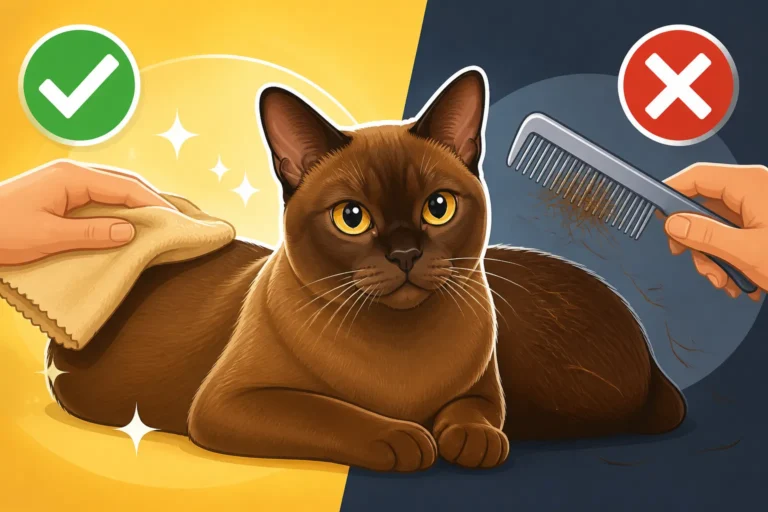
One of the great joys of owning a Burmese, and a direct benefit of their super-short, undercoat-free fur, is how incredibly easy they are to groom. Forget about daily brushing sessions to detangle knots, remove mats, or collect vast quantities of shedding fur. The Burmese coat simply doesn't require it. In fact, most Burmese owners find that a quick once-over with a soft cloth or a special grooming glove is more than enough to keep their cat looking pristine. How Many Minutes a Month a Burmese's Coat Takes is truly minimal.
Many owners opt for a chamois cloth—the kind you might use to polish a car—to bring out that characteristic satin sheen. A gentle rub with a damp chamois not only removes any loose hairs but also buffs the coat to a brilliant luster, making their rich colors pop. This isn't a chore; it's a bonding activity. Most Burmese adore the attention and the sensation of being stroked, often purring contentedly throughout the process. Tools like a slicker brush, common for other breeds, are completely unnecessary and even ineffective on a Burmese's flat-lying coat. Products specifically designed for short-haired cats can be found on sites like Chewy or Amazon, though often, the simplest soft cloth is all you really need.
Beyond the occasional buffing, the Burmese is a meticulous self-groomer, and their short coat means they do an excellent job keeping themselves tidy. Baths are rarely needed, typically only if they've gotten into something particularly messy. Their lack of undercoat also means quicker drying times if a bath is necessary, which is a blessing for both cat and owner. The ease of grooming is a significant advantage for busy individuals or those who simply prefer a low-maintenance pet, allowing more time for play and cuddles rather than disentangling fur.
The Burmese and Temperature: Why They Crave Warmth
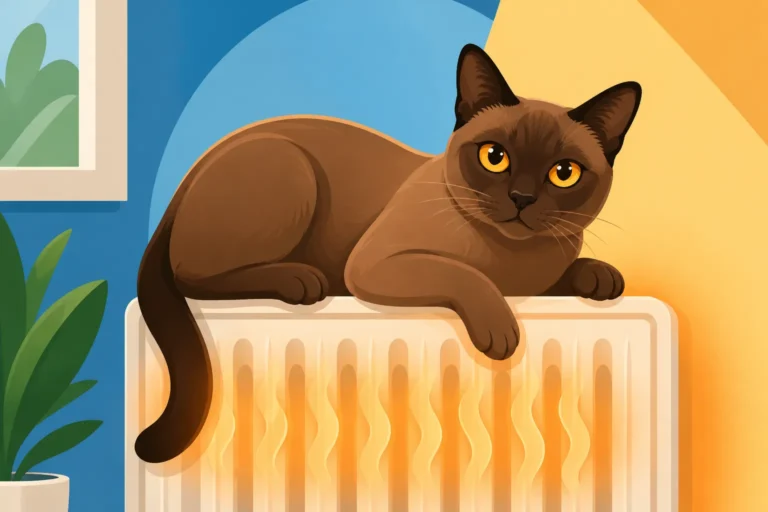
That beautiful, sleek coat comes with a trade-off: a reduced capacity for insulation. Because the Burmese lacks the dense undercoat that many other cat breeds rely on for warmth, they are quite sensitive to cold temperatures. This isn't just a minor preference; it's a genuine physiological need that influences their behavior and where they choose to relax. Why a Short Coated Burmese Feels the Cold is a critical piece of understanding for any owner.
You'll often find your Burmese seeking out the warmest spots in the house. This could mean curled up on a sunny windowsill, nestled into a heated cat bed, or, most commonly, snuggled right up against you. They are masters of finding and utilizing body heat, whether it's yours, another cat's, or even a dog's. This inherent need for warmth contributes to their famous "velcro" personality, as being close to their human companions isn't just about affection—it's also about staying comfortably warm. You might even find them burrowing under blankets or duvet covers, an adorable habit that stems from their need for coziness. Why a Burmese Gets Under the Duvet is a common sight in a Burmese-owner's home.
As an owner, it's important to be mindful of this sensitivity, especially during cooler months. Ensuring your home is adequately warm, providing soft blankets, or even a safe heated bed (available through Amazon or Chewy) can make a big difference in your Burmese's comfort. They are not outdoor cats by any stretch, and their short coat makes them ill-equipped to handle prolonged exposure to cold weather. This is another reason why responsible breeders emphasize the importance of keeping Burmese cats indoors where they can regulate their temperature and always have access to a warm lap.
Shedding: Less is Still Something
While the Burmese is celebrated for being a low-shedding breed, it's crucial to manage expectations: "low" does not mean "no." Every cat sheds, and the Burmese is no exception. However, the nature of their shedding is distinctly different from breeds with longer or denser coats. Because their hairs are so fine and their undercoat is minimal, the shed hair tends to be less noticeable and doesn't form the same kind of voluminous clumps or "tumbleweeds" you might find with other cats.
You'll still find Burmese hairs on furniture, clothing, and around the house, especially during seasonal changes when cats typically shed more. However, the quantity is significantly reduced, and the hairs themselves are so fine that they can sometimes be less intrusive. For those who are sensitive to pet hair, this can be a huge relief, making a Burmese a more manageable companion than a Persian or even many domestic shorthairs. Regular, gentle grooming with a chamois or a damp hand can further minimize the amount of loose hair in your home.
It’s about understanding the type of shedding. Instead of thick, fuzzy hairs, you’ll find short, fine strands. This still means a bit of cleaning, but it’s a far cry from the constant battle some other cat owners face. The benefit of this minimal shedding is that their coat always looks neat and tidy, with that characteristic sleekness and shine. How Little Hair a Satin Coated Burmese Leaves Behind truly sets them apart in the shedding department. This factor contributes to the breed's overall low-maintenance reputation, freeing up time for what Burmese cats truly crave: your undivided attention and affection.
Beyond the Obvious: Misconceptions and Marvels of the Burmese Coat
The incredibly short Burmese coat often leads to certain assumptions, both positive and negative. It's important to address these to truly understand what makes this coat so special and how it impacts the cat's health and interaction with its environment.
The Allergy Question: Short Coat, Not Always Hypoallergenic
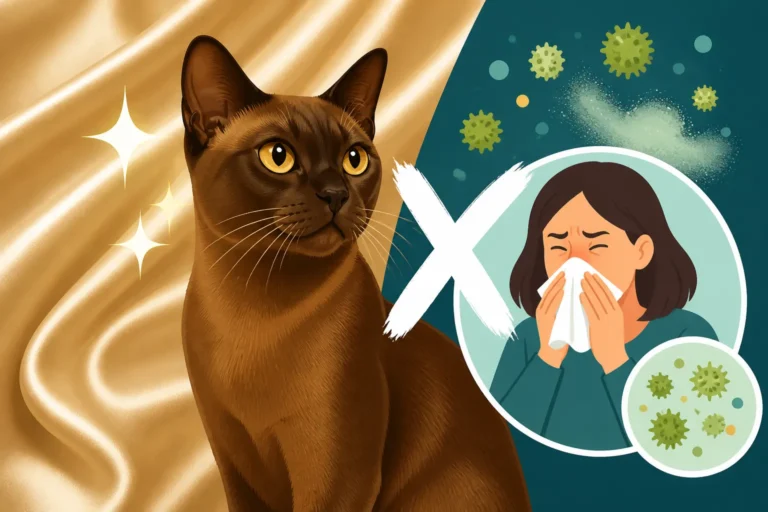
A common misconception is that because a cat has a very short coat, it must be hypoallergenic. This is a wish many cat lovers who suffer from allergies hold dear. Unfortunately, while a Burmese's short, low-shedding coat can be better for some allergy sufferers, it does not make them truly hypoallergenic. The primary allergen in cats isn't their hair itself, but a protein called Fel d 1, which is found in their saliva, skin oils (sebum), and urine. When cats groom themselves, they spread this protein onto their fur, and when they shed or dander flakes off, the allergen becomes airborne.
While a Burmese sheds less dander and hair compared to long-haired or even many domestic shorthair cats, they still produce the Fel d 1 protein. Therefore, someone with a severe cat allergy is likely to react to a Burmese, just as they would to any other cat. However, for individuals with milder allergies, the reduced shedding of dander and hair might mean fewer triggers, making a Burmese more tolerable than a high-shedding breed. It's always recommended for individuals with allergies to spend time with a specific cat or breed before committing to adoption to see how their allergies react. Whether a Burmese's Short Coat Helps With Allergies explores this topic in more detail.
If you are considering a Burmese because of allergy concerns, it’s best to err on the side of caution. While some anecdotal evidence suggests they might be "less allergenic," there's no scientific guarantee. The best approach is to spend significant time with Burmese cats to gauge your personal reaction. Relying solely on the "short coat equals no allergies" myth can lead to heartbreak if an owner discovers they are still reacting strongly after bringing a cat home.
The Coat as a Comfort Indicator: Seeking Warmth and Connection
Beyond grooming and allergies, the Burmese's short coat plays a significant role in their behavior, particularly their deep desire for physical closeness. As we've established, their lack of an insulating undercoat means they genuinely feel the cold more acutely than many other breeds. This isn't just a minor discomfort; it's a driving force behind their famous "velcro cat" tendencies.
When a Burmese snuggles into your lap, burrows under your arm, or even sleeps under the duvet with you, it's not just about their incredible affection (though they have that in spades!). A large part of it is an innate drive to seek warmth and comfort. Your body heat is a primary source of that, making you, and other warm bodies in the household, irresistible heat pads. This physiological need reinforces their bond with their humans and other pets, leading to the heartwarming sight of Burmese cats curled up in intertwined piles with each other or even with friendly dogs. Why a Burmese Sleeps Against Another Cat is a common sight in multi-Burmese homes.
This makes the Burmese an ideal companion for those who cherish a cat that is truly part of the family, always nearby, always seeking contact. Their coat doesn't just look and feel luxurious; it's a key factor in shaping their incredibly social and affectionate nature. It creates a beautiful synergy: you provide the warmth and security, and they, in turn, offer endless cuddles, purrs, and devoted companionship. Understanding this connection helps you appreciate the full depth of their character, recognizing that their demand for closeness is as much about physical comfort as it is about emotional connection. Their short coat, therefore, isn't just a physical trait, but a profound influence on their entire way of being in the world.
Disclaimer
This article is for general informational purposes only and does not constitute professional advice. Laws, prices and regulations vary by location and change over time. Consult a qualified professional for guidance on your specific situation.