How to Move a Burmese Onto a Low Carbohydrate Diet
One of the biggest worries for any Burmese cat owner is the breed's unfortunate predisposition to diabetes. It's a heavy burden, knowing your beloved companion is genetically set up for this chronic condition, and it often leaves us feeling helpless. This guide is here to empower you, breaking down exactly how to transition your Burmese onto a low-carbohydrate diet, a proactive step that can make a profound difference in their long-term health and potentially stave off or manage this challenging disease.
Why a Low-Carbohydrate Diet is Essential for Your Burmese
If you own a Burmese, you've probably heard it mentioned: diabetes. It's not just a casual warning; it's a very real concern. Our charming, affectionate Burmese felines are genetically prone to developing type 2 diabetes, often more so than many other breeds. This isn't your fault, but understanding their unique metabolic needs is crucial for giving them the longest, healthiest life possible. It really feels unfair sometimes, doesn't it, that these wonderful cats come with such a specific health vulnerability? But we can do something about it.
The primary reason for this predisposition lies in how their bodies process carbohydrates. Cats, by nature, are obligate carnivores. Their digestive systems are designed to process protein and fat from meat, not grains or starchy vegetables. In the wild, a cat's diet would be almost entirely protein and fat from prey, with minimal carbohydrates. When we feed a domestic cat a diet high in carbohydrates, particularly the kind found in many dry kibbles, their pancreas is constantly working overtime to produce insulin to manage those blood sugar spikes. Over time, this constant strain can lead to insulin resistance and eventually, diabetes. For a Burmese, this genetic tendency is amplified, making diet an even more critical component of their preventative care. It’s why Why a Burmese Is Four Times More Likely to Become Diabetic is such an important read.
Think of it this way: for a Burmese, feeding them a high-carb diet is like pushing a car with a known engine fault to its limits every single day. Eventually, something is going to give. A low-carbohydrate diet helps to stabilize their blood sugar levels, reducing the demand on their pancreas and supporting metabolic health. It’s not just about weight management, though that's certainly a part of it, especially since Why Weight Is the Only Lever a Burmese Owner Has in managing this risk. It's about providing the fundamental nutrition their bodies are built for. Many owners feel overwhelmed by the sheer volume of information out there, but focusing on this core principle—low carb, high protein—is your guiding star.
Understanding Carbohydrate Content in Cat Food
Navigating the pet food aisle can feel like deciphering a secret code, especially when you're looking for specific nutritional profiles like low carbohydrate. Most commercial cat foods aren't designed with a cat's obligate carnivore needs at the forefront, or at least, not explicitly for a breed like the Burmese with its unique genetic challenges. You'll often find yourself scratching your head, wondering if "grain-free" actually means "low-carb" (spoiler: it doesn't always!). It's a common frustration, and you're not alone in feeling a bit lost.
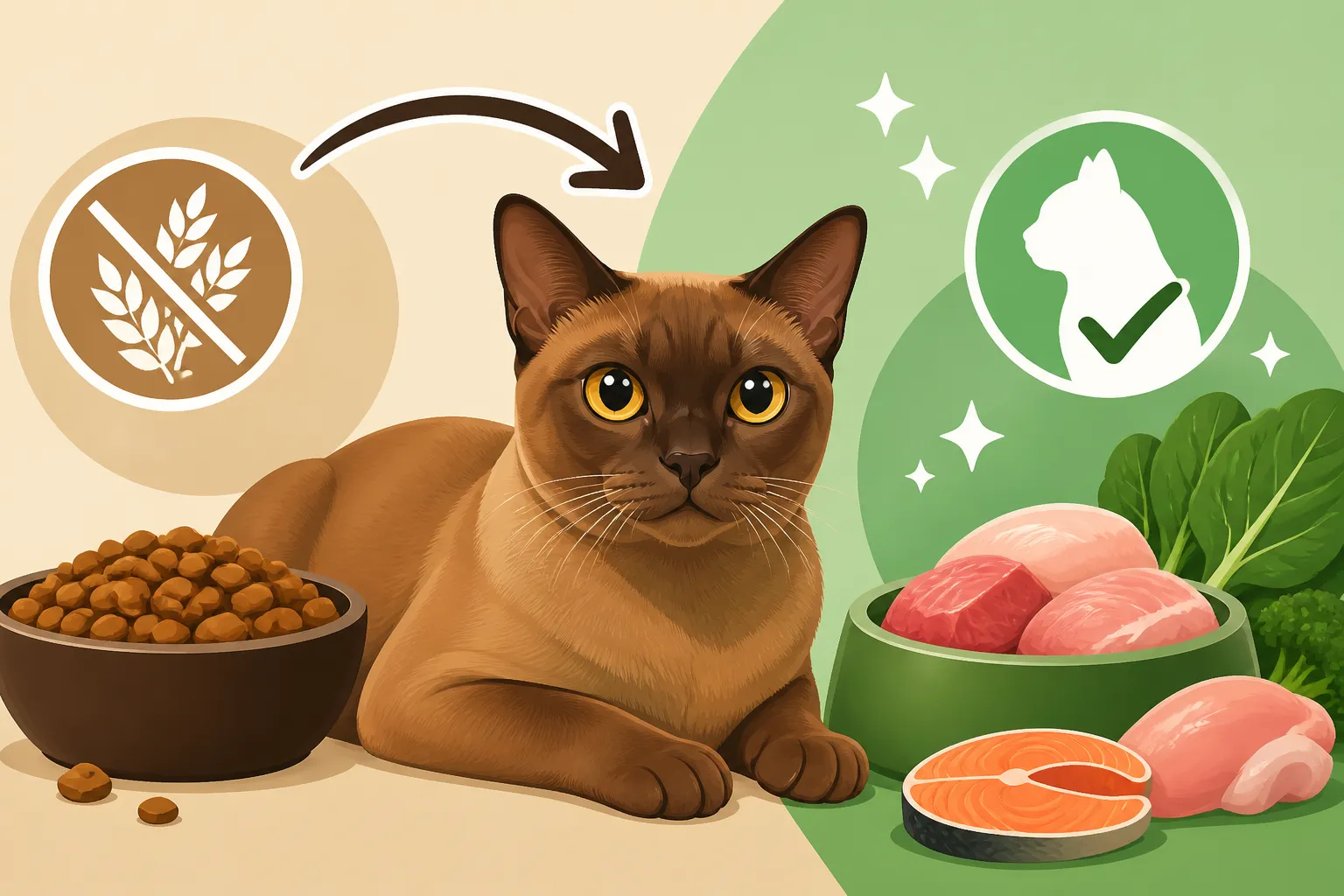
The goal for a Burmese is typically to keep their carbohydrate intake below 10%, or ideally even lower, often in the 2-5% range for some prescription diets. This is where wet food generally shines compared to dry kibble. Dry foods, even "premium" or "grain-free" options, often rely on starches like peas, potatoes, or corn to bind the kibble together and provide structure. These ingredients are packed with carbohydrates. Wet food, on the other hand, usually has a higher moisture content and often a higher protein-to-carbohydrate ratio, making it a much better choice for Burmese cats. When you look at the label, remember to focus on the "as fed" or "dry matter" basis for carb content, if available. If not, you can estimate it: 100% minus (protein % + fat % + fiber % + moisture % + ash %). It's a bit of math, but it's worth it for your furry friend's health. You'll want to consult with your vet about Which Carbohydrate Percentage a Burmese Should Stay Below.
When reading ingredient labels, look for animal proteins like chicken, turkey, beef, or fish as the first few ingredients. Avoid fillers like corn, wheat, soy, and excessive amounts of peas, potatoes, or rice. Even some “grain-free” foods replace grains with other starchy vegetables, which can still elevate the carbohydrate content beyond what's ideal for a Burmese. Some brands, like those found on Chewy or Amazon, offer detailed nutritional breakdowns on their websites, which can be incredibly helpful. You might also explore fresh food options, which often have very transparent ingredient lists and can be tailored to specific dietary needs, though these typically come at a higher cost. It's really about being a detective, because the front of the bag rarely tells the whole story.
Here's a quick reference for general carbohydrate ranges you might encounter:
| Food Type | Typical Carbohydrate % (Dry Matter Basis) | Notes |
|---|---|---|
| Standard Dry Kibble | 25-45% | Often high in grains or starchy vegetables. |
| "Grain-Free" Dry Kibble | 15-30% | Grains replaced by other starches (peas, potatoes), still high. |
| Standard Wet Food | 5-15% | Varies widely, look for low-carb options. |
| Prescription Diabetic Wet Food | 2-10% | Specifically formulated for blood sugar management. |
| Raw/Fresh Food Diets | 0-5% | Generally very low carb, but require careful balancing. |
The Step-by-Step Transition Process
Switching a cat's food can be a real challenge. Cats are creatures of habit, and many are incredibly particular about what they eat. You might be picturing your Burmese turning their nose up at the new food, or worse, staging a hunger strike. It's a common fear, and honestly, it can happen! But with patience and a gradual approach, you can significantly increase your chances of success. Rushing the process is almost guaranteed to lead to refusal and frustration for both of you.
The golden rule for transitioning any cat to a new food is to do it slowly. Like, really slowly. Over a period of 7-10 days, or even longer if your Burmese is particularly finicky, you'll gradually increase the proportion of new food while decreasing the old. Start with a tiny amount – literally just a few pieces or a teaspoon mixed in. Your cat might pick around it at first, and that's okay. The key is consistency and not giving in. A common schedule looks something like this:
- Days 1-3: 75% old food, 25% new food.
- Days 4-6: 50% old food, 50% new food.
- Days 7-9: 25% old food, 75% new food.
- Day 10 onwards: 100% new food.
Some cats need an even slower transition, stretching over two or three weeks. Watch your Burmese closely. If they show any signs of digestive upset (vomiting, diarrhea) or refuse to eat, slow down the transition or even revert to the previous day's ratio for a bit longer. Remember, we're not just changing flavor; we're often changing texture and moisture content, which can be a big deal for a cat. You'll find more tips on How to Change a Burmese's Food Without It Refusing.
Making the new food more appealing can also help. Warming wet food slightly can enhance its aroma. Some cats respond well to a sprinkle of nutritional yeast or a tiny bit of shredded cooked chicken on top of the new food to entice them. For cats transitioning from dry kibble to wet food, try adding a little water to the old kibble first to get them used to a softer texture, then slowly introduce the new wet food. Patience truly is a virtue here, and celebrating small victories will keep you motivated. And don't forget the importance of Why Portion Control Is Medical Care in a Burmese even during this transition, as monitoring intake is vital.
Troubleshooting and Long-Term Management
Even with the best intentions and the most gradual approach, transitioning a Burmese to a new diet can hit roadblocks. Your cat might refuse to eat, or you might find yourself managing multiple cats with different dietary needs. These are common challenges, and they can be incredibly frustrating, leading you to doubt if you're doing the right thing. But don't give up! There are strategies to help you overcome these hurdles and ensure your Burmese gets the nutrition they need. It’s hard enough to manage one cat’s dietary demands, let alone several in a single household.
One of the biggest issues is outright refusal to eat. A cat not eating for more than 24 hours, especially if they are overweight, can quickly develop serious liver issues (hepatic lipidosis). This is an emergency, so always contact your vet if your Burmese refuses food for an extended period. For less severe pickiness, try different brands and flavors of low-carb wet food. What one cat hates, another might love. Experiment with various textures – paté, chunky, shredded – until you find something that clicks. You might also try feeding smaller, more frequent meals, as Why a Burmese Never Stops Asking for Food means they're often highly food motivated, but sometimes too much new food at once is overwhelming. Make sure the food is at room temperature or slightly warmed to enhance its scent. If you have multiple cats and only one needs the special diet, consider feeding them in separate rooms or using microchip-activated feeders (available on Amazon or Chewy) that only open for the designated cat. This helps to ensure How to Keep Two Burmese on Different Diets successfully.
Long-term management of a low-carbohydrate diet for your Burmese isn't just about the food itself; it's about a holistic approach to their health. Regular weight monitoring is essential, as maintaining a healthy weight is paramount in preventing and managing diabetes. How to Weigh a Burmese Accurately at Home is a skill every Burmese owner should master. You'll also want to keep a close eye on their water intake, as an increase in drinking can be an early sign of diabetes. Why a Burmese Drinking More Needs Testing That Week is not to be ignored. Regular veterinary check-ups, including blood work that monitors glucose levels, especially as they get older, are non-negotiable. Discuss with your vet the best timing for these checks, keeping in mind Why a Burmese's Vet Year Is Built Around a Glucose Check. This proactive monitoring, combined with a diligent low-carb diet, provides the best defense against this breed's particular vulnerability. Remember, Why a Burmese's Food Bill Is a Health Decision, so investing in the right diet is an investment in their future.
Disclaimer
This article is for general informational purposes only and does not constitute professional advice. Laws, prices and regulations vary by location and change over time. Consult a qualified professional for guidance on your specific situation.