How to Change a Burmese’s Food Without It Refusing
Oh, the sheer willpower of a Burmese cat when it comes to their food! If you've ever tried to switch up their diet, you know it can feel less like a gentle adjustment and more like a tactical negotiation with a tiny, furry, and incredibly stubborn general. Many of us have faced that sinking feeling when our beloved companion turns their nose up at a perfectly good new meal, leaving us wondering if they’ll ever eat again. This guide is all about helping you navigate the delicate dance of changing your Burmese's food without them staging a full-blown hunger strike, keeping both their health and your sanity intact.
Understanding Your Burmese's Picky Palate
Let's be honest, Burmese cats are special creatures, and that extends right down to their eating habits. They're not just "cats"; they're intelligent, sensitive, and incredibly tuned into their environment and routine. This makes them wonderfully engaging companions, but it also means they can be incredibly particular when it comes to what goes into their bowl.
The Root of Burmese Food Stubbornness
Burmese cats possess an incredibly keen sense of smell and taste, far more refined than many other breeds. This isn't just a quirk; it's a part of their genetic makeup. They detect subtle differences in ingredients, texture, and even temperature that would go unnoticed by other felines. If something deviates from what they know and love, their immediate reaction is often suspicion, followed by a firm refusal. They thrive on routine, and food is a huge part of that. An abrupt change can be unsettling for them, leading to anxiety, and in turn, food refusal. It's not necessarily about being "naughty"; it's about their inherent nature and their deeply ingrained habits. Imagine being served a completely different meal every day without warning – you'd probably be a bit wary too!
Why a Food Change Might Be Necessary and Stressful
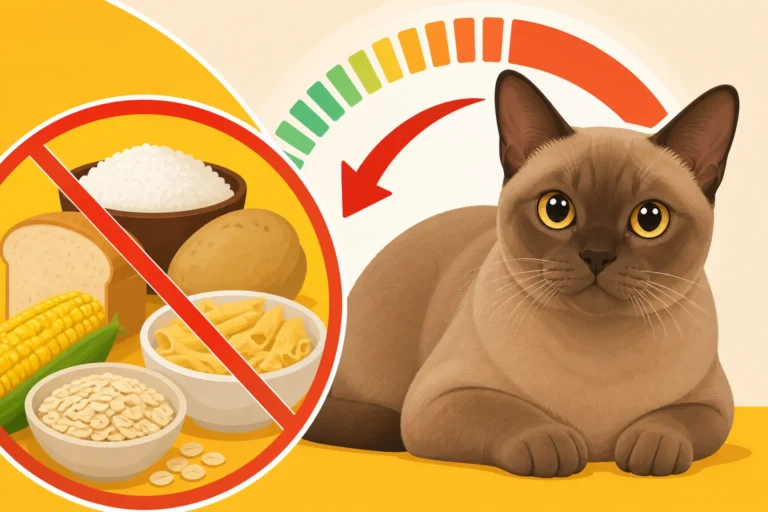
As much as we love to indulge our Burmese, sometimes a dietary change isn't just a preference; it's a medical necessity. Perhaps your vet has recommended a low-carbohydrate diet to help manage or prevent diabetes, a condition the breed is unfortunately predisposed to. You might be staring down the barrel of Why a Burmese Is Four Times More Likely to Become Diabetic or actively trying to avoid it, knowing that Why Portion Control Is Medical Care in a Burmese is paramount. Maybe they need to lose a bit of weight because, despite their muscular build, even a few extra pounds significantly increase their health risks.
Other reasons could include allergies, digestive issues, or simply transitioning a growing kitten onto adult food. For older Burmese, sometimes specialized diets are required to support aging organs or conditions like receding gums. The stress for us owners comes from knowing these changes are vital for their well-being, while simultaneously facing their unwavering disapproval. It's a tough spot to be in, feeling like you're fighting against your cat for their own good.
The Art of the Slow and Steady Transition
When it comes to changing your Burmese's food, patience isn't just a virtue; it's a necessity. Think of it less as a sprint and more like an ultra-marathon. Rushing the process almost guarantees a refusal, which can set you back even further.
The Golden Rule: Tiny Increments
The most effective strategy is the slow transition, typically over a period of 7 to 10 days, but for a particularly sensitive Burmese, you might need to stretch it out to two weeks or even a month. The idea is to gradually introduce the new food, mixing increasingly larger portions of it with their old, familiar food.
Start by adding just a tiny pinch or a quarter teaspoon of the new food to their regular meal. Don't be surprised if they eye it suspiciously or even pick out the new bits. The goal is to get them accustomed to the new smell and texture without overwhelming them. Over the next few days, slowly increase the amount. If they eat it without hesitation, you can move a little faster. If they show any reluctance, slow down, or even revert to the previous ratio for a day or two. Remember, the less drama, the better.
A common transition schedule might look something like this:
| Day(s) | Old Food Percentage | New Food Percentage | Notes |
|---|---|---|---|
| 1-3 | 90% | 10% | Introduce a tiny amount, observe reaction. |
| 4-6 | 75% | 25% | Gradually increase if accepted. |
| 7-9 | 50% | 50% | Half and half, a common hurdle. |
| 10-12 | 25% | 75% | Moving towards mostly new food. |
| 13-14+ | 0% | 100% | If all goes well, fully transitioned! |
Some Burmese will sail through this, while others will demand you linger longer at each stage. It's all about observing your individual cat and responding to their cues. If you're changing to a very different type of food, like moving from kibble to a strictly wet, low-carb diet to address something like Why a Burmese Is Four Times More Likely to Become Diabetic, be prepared for an even longer journey.
Temperature, Texture, and Presentation
Sometimes, it’s not just the flavor, but the entire experience of eating that matters to a Burmese. Wet food, in particular, can be made more appealing by gently warming it to body temperature. This enhances the aroma, making it more enticing to their sensitive noses. A quick zap in the microwave (stir well to avoid hot spots!) or placing the bowl in a larger bowl of warm water for a few minutes can work wonders.
Texture is another big one. Some Burmese prefer a smooth pâté, while others might enjoy shredded or chunkier styles. If you're introducing a new wet food, try offering a few different textures to see what appeals. You can also try adding a little warm water or low-sodium broth to wet food to create a gravy-like consistency, which can make it more palatable and help with hydration.
Finally, consider the presentation. Serve the new mixture in their usual bowl, in their usual spot. Consistency in routine can provide a sense of security, even when the food itself is changing. Don't forget that Why a Burmese Never Stops Asking for Food means they are often motivated by the idea of food, so making it look and smell appealing is half the battle. Many specialized low-carb wet foods are available through retailers like Chewy or Amazon, offering a wide range of textures and flavors to experiment with.
Troubleshooting Common Burmese Food Refusal Tactics
Despite our best efforts, a Burmese might still throw a curveball. They are masters of the "I'm not eating that" stare, and it can be incredibly disheartening.
The Hunger Strike Stand-Off
This is perhaps the most nerve-wracking tactic. Your Burmese might flat-out refuse the new food, even with small amounts mixed in, and simply wait you out. It's a battle of wills, and for a cat owner, it’s fraught with worry. The crucial thing to remember is that cats, unlike dogs, cannot go long periods without eating safely. Fasting for more than 24-48 hours can lead to a serious and potentially fatal condition called hepatic lipidosis (fatty liver disease).
If your Burmese refuses to eat for more than 18-24 hours during a transition, it's time to take action. Don't let it go longer. Revert to 100% of their old food to ensure they eat something. Once they're eating normally again, you can try reintroducing the new food at an even slower pace or with a different enticement method. Sometimes, just one spoonful of the old food mixed in is enough to trick them into eating the new. Small, frequent meals can also help, as a smaller portion might seem less intimidating.
Enticement and Flavor Boosters
Sometimes, a little extra “oomph” is needed to get them interested. Low-carb toppers can be a lifesaver, especially if you're transitioning to a diet to manage How Diabetes Develops in a Burmese. Small amounts of cooked chicken breast (plain, no seasonings), flaked salmon, or a dollop of high-quality, cat-safe broth can make the new food irresistible. You might even find specialized cat “gravy” or nutritional yeast that can add a burst of flavor. Be mindful of the calories and ingredients in any topper, ensuring it aligns with the dietary goals. For example, gently cooked, human-grade food could be used as a tempting topper in very small quantities if you're trying to introduce new flavors.
Another trick is to try slightly different flavors or brands of the new food type. If your vet recommended a prescription diet, many companies offer various flavors or textures within the same dietary category. Your Burmese might hate the chicken pâté but adore the salmon stew. It's all about finding their preference within the necessary dietary constraints.
Creating a Positive Feeding Environment
The environment surrounding mealtime can also play a significant role. Ensure your Burmese has a quiet, undisturbed place to eat. If you have multiple cats, make sure each has their own bowl and feels secure in their space. Sometimes, the mere presence of another cat can make a sensitive Burmese anxious and less likely to eat.
Engage with them positively during meal times. Use a soft, reassuring voice. Pet them gently while they eat, if they enjoy that. Creating a calm, positive association with their food bowl can help them accept changes more readily. Remember that Burmese are incredibly affectionate and people-oriented; your presence and reassurance can go a long way.
When to Seek Veterinary Guidance
While much of food transition is a test of patience and cunning, there are times when you absolutely need to involve your veterinarian.
Recognizing Red Flags
Any prolonged refusal to eat (beyond 24 hours), vomiting, diarrhea, lethargy, or significant weight loss during a food transition warrants an immediate call to your vet. These aren't just signs of pickiness; they could indicate an underlying health issue or a severe aversion to the new food that could be dangerous. If you're changing food due to a diagnosed condition, like working towards How a Burmese Goes Into Diabetic Remission, these signs are even more critical. Keep a close eye on their litter box habits, water intake, and general demeanor. A Burmese can hide illness behind its affection, so a change in eating habits is often one of the first clues.
Medical Reasons for Pickiness
Sometimes, what appears to be stubborn food refusal is actually a symptom of an undiagnosed medical problem. Dental pain, for instance, can make eating uncomfortable, especially crunchy kibble. If your Burmese is showing signs of discomfort around their mouth, or if you know they have Why a Burmese's Gums Recede Early, a dental check-up is in order. Other issues like kidney disease, hyperthyroidism, or even subtle digestive problems can manifest as a decreased appetite or finicky eating. Your vet can perform a thorough examination, including blood work or other diagnostics, to rule out any medical reasons for their pickiness before you conclude it's just their famous Burmese stubbornness. This is particularly important as your Burmese ages; a yearly vet check-up, including blood panels, can catch many issues early.
Changing your Burmese's food is rarely a straightforward task, but with patience, persistence, and a deep understanding of their unique personality, you can successfully transition them to a healthier, more appropriate diet. It's a journey, not a destination, and every small step forward is a victory for their long-term health.
Disclaimer
This article is for general informational purposes only and does not constitute professional advice. Laws, prices and regulations vary by location and change over time. Consult a qualified professional for guidance on your specific situation.