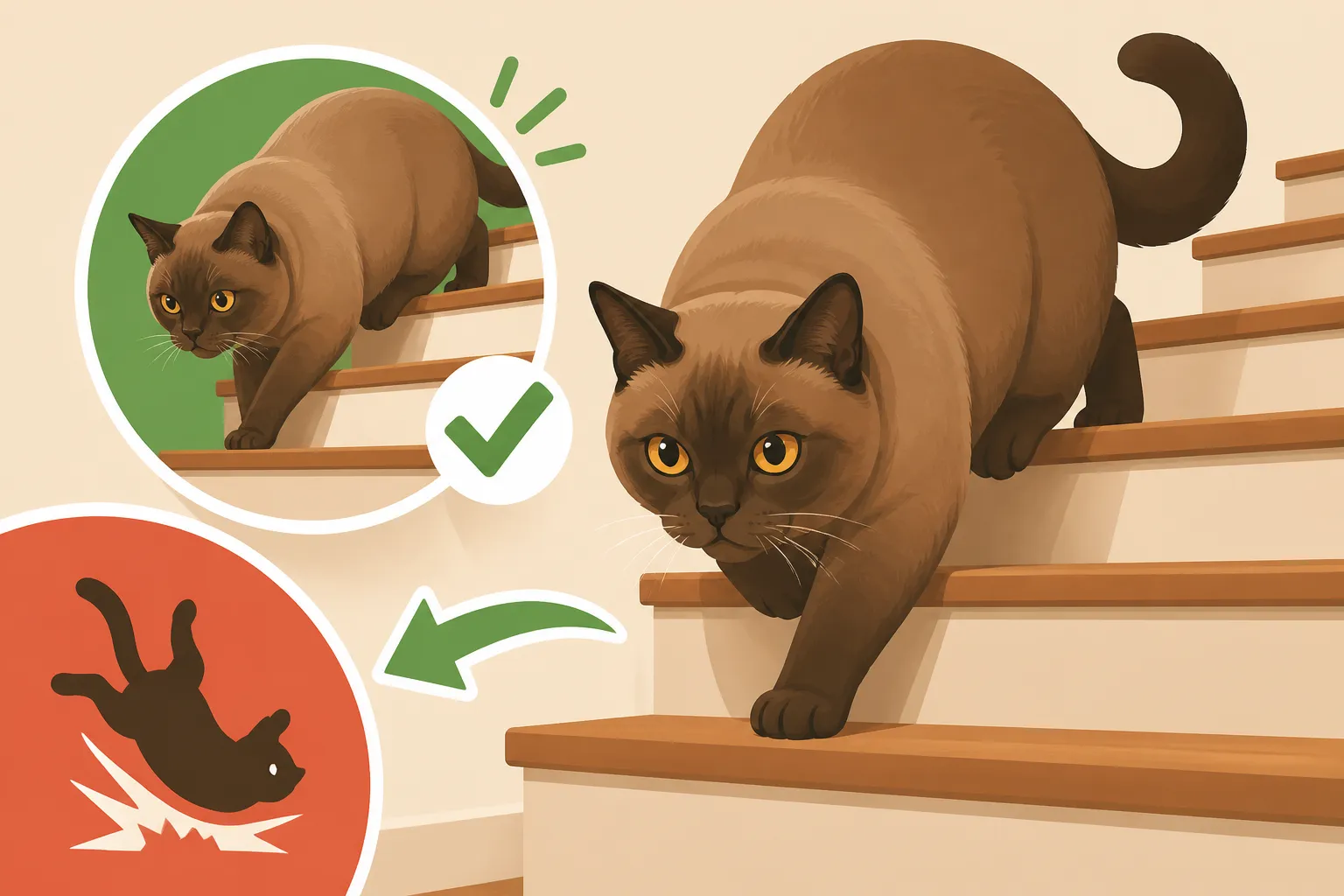
Why a Heavy Burmese Must Come Down Slowly
It’s a scenario many of us find ourselves in: you look at your cherished Burmese and realize that their famously solid, muscular build has started leaning a little too much towards "round." Your immediate instinct might be to implement a drastic diet to get that extra weight off quickly, but for a Burmese, rapid weight loss is not just ineffective; it can trigger a severe, life-threatening condition. This guide will delve into why a slow, controlled approach is absolutely critical when helping a heavy Burmese shed pounds, ensuring their journey to a healthier weight is safe and sustainable.
The Grave Dangers of Rapid Weight Loss in Burmese Cats
The idea of shedding pounds quickly often sounds appealing, even for our pets. We see ourselves making swift progress and imagine our cats regaining their youthful vigor overnight. However, for a Burmese cat, or indeed any feline, losing weight too fast can lead to a devastating condition called hepatic lipidosis, often known as fatty liver disease. This isn't just a mild ailment; it's a critical medical emergency that can quickly become fatal if not caught and treated aggressively.
Understanding Hepatic Lipidosis and Why Burmese Are at Risk
Hepatic lipidosis occurs when a cat's body goes into starvation mode, even if they aren't truly starving. When a cat drastically reduces its food intake, or stops eating altogether (which can happen with a sudden, unpalatable diet change), their body thinks it needs to mobilize fat reserves for energy. However, a cat's liver isn't designed to process large amounts of fat rapidly. Instead, the fat gets deposited in the liver cells, overwhelming them and impairing the liver's function. This buildup prevents the liver from performing its vital roles, such as detoxifying the blood and producing necessary proteins, leading to liver failure.
Burmese cats, with their robust, muscular build, can often carry a surprising amount of extra weight before it becomes visually obvious. Why a Burmese Is Heavier Than It Looks often explains this deceptive bulk. This means by the time an owner notices a problem, the cat might be significantly overweight. The desire to correct this quickly is understandable, but it also increases the risk of inadvertently pushing them towards hepatic lipidosis. Moreover, Burmese are known for their stoic nature; they're excellent at hiding illness until they're seriously unwell. Why a Burmese Hides Illness Behind Its Affection details how their affectionate demeanor can mask underlying health issues, meaning symptoms of hepatic lipidosis might not be noticed until the condition is advanced and much harder to reverse. This makes a careful, veterinarian-guided approach to weight loss not just advisable, but absolutely essential.
Why a Slow, Steady Approach Protects Their Liver
Imagine your cat's metabolism like a finely tuned engine. Sudden, drastic changes to its fuel (food) can cause it to sputter and even seize up. A slow, gradual reduction in calorie intake allows your Burmese's body to adjust without triggering that dangerous starvation response. This means their liver can handle the mobilized fat efficiently, preventing the accumulation that leads to fatty liver disease. Instead of aiming for a dramatic drop, we're looking for a consistent, modest loss of about 0.5% to 1% of their body weight per week. This might not sound like much, but over time, it adds up to significant and, most importantly, safe progress.
This slow progression also prevents the stress that can arise from sudden dietary changes. Cats are creatures of habit, and their digestive systems thrive on consistency. Gradual transitions help avoid upset stomachs, food refusal, and behavioral issues that can complicate weight loss efforts. Furthermore, because Burmese cats are genetically predisposed to conditions like diabetes, managing their weight carefully is a key preventative measure. Why the Diabetes Risk Belongs in a Burmese Budget highlights the long-term health implications, making proper weight management a form of medical care.
Assessing Your Burmese's Body Condition and Setting Realistic Goals
Before embarking on any weight loss journey, you need to understand where your Burmese currently stands and what a healthy weight looks like for them. This isn't about arbitrary numbers on a scale alone; it's about their overall body condition.
Performing a Body Condition Score at Home
A body condition score (BCS) is a standardized tool veterinarians use, often on a scale of 1 to 9, where 5 is ideal. While a vet will give you the most accurate assessment, you can perform a basic check at home. Run your hands along your Burmese's sides:
- Ribs: Can you easily feel their ribs without pressing hard? If you can see them, they might be too thin. If you have to dig to feel them, they're likely overweight.
- Waist: Look down at your cat from above. Do you see a discernible waist behind their ribs? A healthy Burmese should have a slight tuck. If they look like a solid cylinder, they're carrying too much weight.
- Abdominal Tuck: Observe them from the side. Does their belly tuck up slightly towards their hind legs? If it sags or bulges, they're likely overweight.
Remember, a Burmese is inherently muscular, which can sometimes make them feel heavier than other breeds of a similar size. Why a Muscular Burmese Is Mistaken for a Fat One goes into more detail on this. A slight layer of fat over the ribs is normal, but they shouldn't feel spongy or have thick padding. You can record your findings monthly to track progress, as detailed in Why a Burmese's Weight Should Be Recorded Monthly.
Here's a simplified guide for a Burmese:
| Body Condition Score | Appearance & Feel | Recommendation |
|---|---|---|
| 1-3 (Underweight) | Ribs, spine, pelvic bones easily visible/palpable, no fat. | Consult vet; increase calories. |
| 4 (Lean) | Ribs easily palpable with minimal fat, obvious waist. | Maintain. |
| 5 (Ideal) | Ribs palpable with slight fat cover, visible waist, abdominal tuck. | Maintain. |
| 6 (Overweight) | Ribs palpable with difficulty, less obvious waist/tuck. | Start slow, controlled weight loss. |
| 7-9 (Obese) | Ribs difficult to feel under thick fat, no waist/tuck, distended abdomen. | Urgent vet consultation for weight loss. |
Setting Attainable and Healthy Weight Loss Goals
Once you have a sense of your Burmese's current condition, it's time to set goals. This isn't about getting them to a "model" weight, but rather to a healthy body condition score of 5. This journey typically spans several months, sometimes even a year or more, depending on how much weight needs to be lost. For instance, if your Burmese needs to lose 3 pounds, aiming for a loss of 0.2 to 0.5 pounds per month is a realistic and safe target. A healthy Burmese should ideally weigh between 8 to 12 pounds for females and 10 to 15 pounds for males, but this can vary depending on their individual frame.
It's crucial to be patient and consistent. A common mistake is to get discouraged by slow progress and then revert to old habits, or worse, try to speed things up unsafely. Celebrate every small victory – a slight improvement in their waistline, a new enthusiasm for play, or simply maintaining consistency with their diet. Remember, the goal is not just weight loss, but improved long-term health and quality of life for your beloved companion.
Crafting a Safe and Effective Weight Loss Plan for Your Burmese
Successfully helping your Burmese lose weight safely involves a two-pronged approach: careful dietary management and increased, appropriate physical activity. Both must be introduced gradually to avoid stress and ensure compliance.
The Cornerstone: Dietary Adjustments
The most impactful change you can make is to their diet. This is where precision matters, especially for a breed prone to diabetes. Why a Burmese Has the Highest Diabetes Rate of Any Cat Breed highlights this critical risk.
First, portion control is non-negotiable. Forget free-feeding; it’s one of the quickest ways for a Burmese to become overweight and diabetic. Why a Burmese Should Never Be Free Fed explains this in detail. Every meal must be weighed, not scooped, using a digital kitchen scale. This eliminates the guesswork that can lead to accidental overfeeding. Calculate your Burmese's daily caloric needs based on their ideal weight, not their current weight, and then gradually reduce this by 10-20%. Your veterinarian can help you determine the exact calorie target.
Second, the type of food is paramount. For a diabetes-prone breed like the Burmese, a low-carbohydrate, high-protein wet food diet is often recommended. Why Low Carbohydrate Food Matters for a Burmese elaborates on the importance of this. Wet food helps with hydration and often has a lower calorie density per gram compared to dry kibble. Many reputable brands offer formulas specifically designed for weight management or diabetic cats. You can find excellent options on platforms like Chewy or Amazon, but always scrutinize the ingredient list and carbohydrate percentage. Some premium pet food delivery services also offer fresh, human-grade food that can be tailored to a cat's specific caloric and nutritional needs, which might be an option to consider for precise portioning and high-quality ingredients.
Third, meal timing. Aim for two to three small, consistent meals a day. This helps regulate blood sugar levels and prevents your Burmese from feeling excessively hungry between meals. If you're in a multi-cat household where other cats are free-fed, this requires diligent management, perhaps using microchip feeders or feeding your Burmese in a separate room.
Boosting Activity Levels Safely
While diet is primary, increasing physical activity is a wonderful complement, helping to burn calories and build muscle, which is especially important for the naturally athletic Burmese.
Start slowly. If your Burmese is currently a couch potato, don't expect them to suddenly become an Olympian. Begin with short, gentle play sessions using interactive toys like wand toys or laser pointers. Aim for two to three 5-10 minute sessions throughout the day. Gradually increase the duration and intensity as their stamina improves. The goal is to get them moving, jumping, and chasing. Remember, a Burmese remains playful well into old age; A Burmese Is Still Playing at Fifteen shows how much they love interaction.
Consider puzzle feeders. These ingenious devices make your cat "work" for their food, slowing down consumption and providing mental stimulation. This can be particularly useful for a Burmese who never stops asking for food, as explained in Why a Burmese Never Stops Asking for Food. You can also encourage more movement around the house. If they usually drink from a bowl next to their food, place a second water bowl upstairs or in a different room to encourage a little stroll. Climbing structures like cat trees or shelves can also provide vertical exercise, appealing to their natural instincts. Always supervise outdoor access, especially if your Burmese trusts strangers readily, as noted in Why a Burmese Trusts Strangers Too Much to Roam.
Partnering with Your Veterinarian: The Cornerstone of a Healthy Burmese Weight Journey
You are your Burmese's primary caregiver, but your veterinarian is your indispensable partner in their health journey. Their professional guidance is critical for safe and effective weight loss.
The Initial Veterinary Consultation
Your first step should always be a visit to your vet. They can accurately assess your Burmese's current health, perform a thorough physical examination, and rule out any underlying medical conditions that might be contributing to weight gain or making weight loss difficult (such as hypothyroidism, though less common in cats than dogs). They will also perform blood work to check for conditions like diabetes or kidney issues, which are important considerations for a Burmese. Why a Burmese's Glucose Should Be Checked From Seven emphasizes the importance of early detection for diabetes.
During this consultation, your vet will help you determine an ideal target weight and calculate the precise daily calorie intake your Burmese needs for safe, gradual weight loss. They can also recommend specific prescription weight-loss diets if necessary, or advise on suitable over-the-counter low-carb options. This personalized plan is invaluable, as every cat is an individual, and a generic approach might not be suitable. They can also explain How Slowly an Overweight Burmese Should Lose Weight in specific terms for your individual cat.
Regular Check-ups and Adjustments
Weight loss is rarely a linear journey. Your Burmese will need regular follow-up appointments with your vet to monitor their progress, typically every 4-6 weeks. During these visits, your vet will weigh your cat, reassess their body condition score, and make any necessary adjustments to their diet or exercise plan. If weight loss plateaus, or if your Burmese seems lethargic or unwell, your vet can investigate and tweak the plan. This ongoing support ensures that your Burmese is losing weight at a healthy pace and that any potential complications are identified and addressed promptly.
These regular check-ups also provide an opportunity to discuss any challenges you're facing. Perhaps your Burmese is a master manipulator at meal times, or they're not engaging with new toys. Your vet, or a vet tech, can offer practical tips and strategies to overcome these hurdles. They can also guide you on how to accurately weigh your Burmese at home, as detailed in How to Weigh a Burmese Accurately at Home, so you can contribute precise data to their progress reports. Remember, consistency and communication with your vet are key to your Burmese's long-term health and successful weight management.
Disclaimer
This article is for general informational purposes only and does not constitute professional advice. Laws, prices and regulations vary by location and change over time. Consult a qualified professional for guidance on your specific situation.