How to Time a Diabetic Burmese’s Meals Around Insulin
Bringing a diabetic diagnosis into your home with a beloved Burmese cat can feel overwhelming, especially when you start trying to figure out how to perfectly time their meals around insulin injections. It's a completely natural frustration because, let's be honest, cats aren't always known for their punctuality or willingness to cooperate! This guide is here to walk you through the practicalities of synchronizing your Burmese's food intake with their insulin, helping you maintain stable blood sugar levels and, ultimately, a happier, healthier life for your cherished companion.
Understanding Your Burmese's Insulin: The Basics of Timing
The first step in perfectly timing your Burmese's meals is really understanding the basics of the insulin they've been prescribed. It's not just about a shot and a meal; it's about how that insulin works within their little body to process the glucose from their food. Your vet will have given you specific instructions, and those are always your primary guide, but knowing the 'why' behind it helps immensely.
Different Types of Insulin and Their Peaks
Just like with people, there isn't just one kind of insulin for cats. The type your Burmese is on will significantly dictate when they need to eat relative to their injection. Generally, we categorize insulin by how quickly it starts working and how long its effects last.
- Short-Acting Insulins: These insulins hit hard and fast. They're not commonly used for long-term daily management in cats because their rapid action can lead to quick drops in blood sugar, but if your vet has prescribed one, meals need to be available right as or immediately after the injection. The goal is to have food glucose available as the insulin starts its rapid work.
- Intermediate-Acting Insulins: These are probably the most common for cats. They start working a bit slower, usually within an hour or two, and have a peak effect a few hours later, lasting for a good chunk of the day. For these, your vet might advise feeding just before the injection, or within a very specific window (e.g., within 30 minutes of the shot). This allows their system to start absorbing nutrients as the insulin begins its gradual work. Brands like ProZinc or Vetsulin (Caninsulin in some regions) fall into this category.
- Long-Acting Insulins: These insulins have a much slower onset and a prolonged, flatter action profile, meaning they provide a more steady release of insulin over a longer period. Glargine (Lantus) is a common example. With these, the timing can be a little more flexible, but consistency is still key. Often, vets will recommend feeding around the injection time, or even splitting meals, but the "peak" isn't as pronounced or critical as with intermediate-acting insulins.
Understanding which category your Burmese's insulin falls into will make those vet instructions feel a lot clearer. It's not just a random rule; it's designed to match the insulin's action with your cat's digestion. Your vet will have explained How a Diabetic Burmese Is Started on Insulin, and the timing of food will have been a key part of that initial conversation.
How Insulin Affects a Burmese's Glucose
When your Burmese eats, carbohydrates (even in low-carb cat food, there are some) are broken down into glucose, which enters their bloodstream. In a healthy cat, their pancreas would release insulin to help transport that glucose from the blood into cells for energy. In a diabetic Burmese, their body either doesn't produce enough insulin or can't use the insulin it produces effectively. That's where the injected insulin comes in.
The goal of timing meals around insulin is to ensure there's enough glucose entering the bloodstream from food when the insulin is active and ready to do its job. If you inject insulin but your Burmese hasn't eaten, or doesn't eat enough, the insulin can cause their blood sugar to drop too low, leading to hypoglycemia – a very dangerous situation. Conversely, if they eat a big meal long before the insulin kicks in, or if the insulin wears off before they finish digesting, their blood sugar can spike too high, which is also detrimental over time. This delicate balance is why precision truly matters. This careful management is part of What Diabetes Costs a Burmese Owner a Year, as vigilant care can help prevent more expensive emergency visits.
Why Precise Meal Timing is Non-Negotiable for a Diabetic Burmese
You might be thinking, "My cat free-fed their whole life, how can I suddenly make them eat on a schedule?" It's a valid concern, and indeed, a huge shift for many cat owners. But for a diabetic Burmese, precise meal timing isn't just a suggestion; it's a cornerstone of their treatment, as vital as the insulin itself.
Why Consistency Prevents Blood Sugar Swings
Imagine trying to drive a car with the accelerator pedal constantly changing its response – sometimes it works, sometimes it doesn't. That's a bit like what happens to a diabetic cat's blood sugar with inconsistent feeding. Insulin dosages are calculated based on predictable food intake. When meals are given at erratic times, or in varying amounts, the insulin's effect becomes unpredictable.
- Avoiding Hypoglycemia: If you give insulin and then your Burmese decides to skip their meal, or only eats a tiny bit, there isn't enough glucose to meet the insulin's action. Their blood sugar can plummet, leading to lethargy, disorientation, seizures, or even a coma. This is terrifying for any owner.
- Preventing Hyperglycemia: On the flip side, if meals are delayed or if your cat eats a huge portion much later than usual, their blood sugar can soar before the next insulin dose. Consistent high blood sugar levels over time contribute to all the long-term complications of diabetes, such as neuropathy (weakness in the back legs), kidney issues, and vision problems.
By sticking to a strict schedule, you create a rhythm that helps stabilize their blood glucose. This consistency also allows your vet to accurately assess the insulin's effectiveness and make dosage adjustments if needed. It makes monitoring much more meaningful, especially if you're keeping track of their daily readings as part of How a Burmese Is Monitored on Insulin at Home.
The Dangers of Irregular Feeding
Free-feeding, which is leaving food out all day, is a big no-no for a diabetic Burmese. Even if your cat seems to graze naturally, a diabetic cat needs their metabolic processes to be as predictable as possible. Irregular feeding can lead to:
- Difficulty in Dosage Adjustment: If your vet can't get a clear picture of how insulin is interacting with food, adjusting the dose becomes a guessing game. This prolongs the period of instability for your cat.
- Increased Stress for You and Your Cat: The uncertainty of whether your cat will eat, or if their blood sugar is stable, adds a layer of anxiety to an already stressful situation. Your Burmese will also pick up on your stress, which can affect their overall well-being.
- Wasted Insulin: If insulin is given but the food isn't consumed, that insulin has been administered without its necessary partner, leading to potential drops in blood sugar and wasted medication.
Think of it this way: your Burmese's body is working on a clock, and the insulin is a key part of that clockwork. Feeding at consistent times ensures all the cogs are turning smoothly together, maintaining that delicate balance that prevents dangerous highs and lows. It's a significant part of Why Portion Control Is Medical Care in a Burmese because it's not just what they eat, but when and how much.
Crafting a Practical Feeding Schedule Around Insulin Injections
Now that we understand why meal timing is so important, let's get into the how. Setting up a practical and sustainable feeding schedule is all about working with your vet's instructions and finding a routine that fits both your Burmese's needs and your daily life.
Synchronizing Meals with Insulin Injections
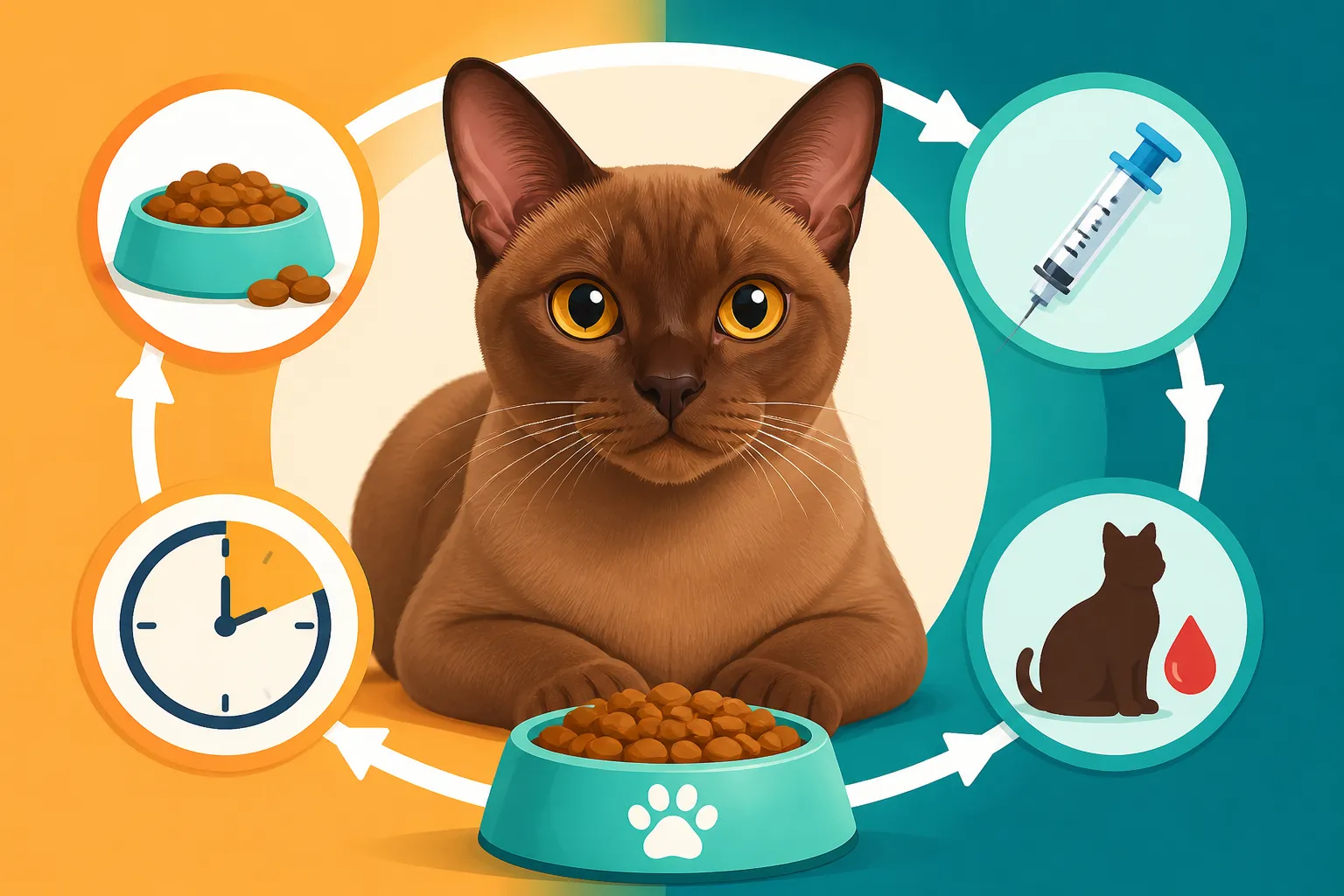
The golden rule for feeding a diabetic Burmese on insulin is to ensure they eat their prescribed meal around the time of their insulin injection. The exact timing window will depend on the type of insulin, as discussed earlier, and your vet's specific instructions.
Here’s a common approach for twice-daily insulin (e.g., intermediate-acting insulin):
- Morning Dose:
- Feed First: Offer half of your Burmese's daily food ration.
- Wait (Vet-Prescribed Interval): Once they've eaten a good portion (or ideally, all of it), wait the specified time your vet recommends (e.g., 15-30 minutes). This allows the food to start being digested and glucose to begin entering the bloodstream.
- Administer Insulin: Give the insulin injection.
- Evening Dose:
- Repeat the Morning Pattern: Approximately 12 hours after the morning dose and meal, repeat the process.
For once-daily insulin, the approach is similar, but the daily food ration might be split into two or three smaller meals throughout the day, with the main portion given around the injection time. Always confirm these specifics with your vet, as individual cats and insulin types can require different protocols. Some owners successfully manage by giving the injection immediately after the cat finishes eating, particularly with certain long-acting insulins, but this must be directed by your vet.
It's also crucial to stick to the same two injection times every single day, as closely as possible. If your cat gets their first shot at 7 AM, aim for 7 PM for the next, or as close as you can manage. Life happens, of course, but striving for consistency helps tremendously.
Adjusting for Your Burmese's Schedule
While consistency is key, you also need a schedule that works for your household. If you have a demanding work schedule, for example, a 6 AM and 6 PM injection time might be more feasible than 7 AM and 7 PM.
Consider these practical tips:
- Early Risers/Late Sleepers: If your Burmese is an early riser, and you're an early bird too, starting the day early might be easy. If you tend to sleep in, discuss with your vet if a slightly later schedule (e.g., 8 AM / 8 PM) is acceptable. The interval between injections is often more important than the exact clock time.
- Weekend Consistency: Don't let your weekend routine throw off your cat's schedule. Sticking to the weekday injection and feeding times on weekends helps maintain stability. If you absolutely need to shift, do it gradually and with vet guidance.
- Automatic Feeders: For some cats, especially if they are grazers or if you have a very rigid work schedule, an automatic feeder can be a lifesaver for delivering meals at precise times. However, this is usually only suitable for the first meal before insulin if your vet allows a longer interval, or for a mid-day meal if permitted. You can find reliable automatic feeders on Amazon that dispense measured portions, which can be invaluable. It's rarely recommended for the post-insulin meal because you need to ensure they've actually eaten before giving the injection.
- Travel and Caregivers: If you travel, the person caring for your Burmese needs to be meticulously trained on the feeding and injection schedule. Write it all down clearly and practice with them.
Here's a sample daily feeding schedule for a Burmese on twice-daily intermediate-acting insulin, emphasizing consistency:
| Time | Activity | Notes |
|---|---|---|
| 6:30 AM | Offer 1/2 of daily food ration | Ensure your Burmese eats. |
| 6:45 AM | Administer Morning Insulin Injection | After food consumption, as per vet's advice. |
| 12:00 PM | Small, vet-approved snack (optional) | Only if advised by your vet; strictly measured. |
| 6:30 PM | Offer remaining 1/2 of daily food ration | Ensure your Burmese eats. |
| 6:45 PM | Administer Evening Insulin Injection | After food consumption, as per vet's advice. |
| Throughout Day | Monitor water intake, litter box, behavior | Crucial for spotting signs of high/low blood sugar. |
This table provides a rigid framework, but remember, flexibility within reason and under vet guidance is key to making it sustainable. You'll want to carefully track How a Burmese's Insulin Dose Changes as It Loses Weight, and consistent feeding will help make those adjustments smoother.
Choosing the Right Food for Meal Timing
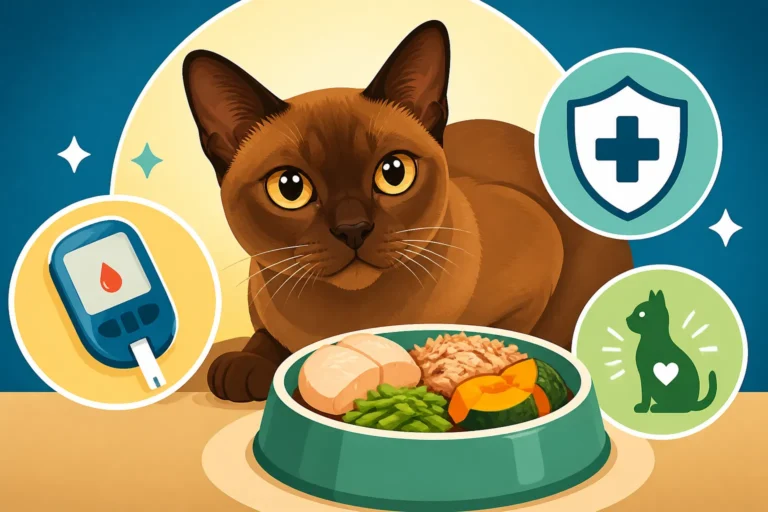
The type of food you feed plays a massive role in managing your Burmese's diabetes, irrespective of timing. Most vets will recommend a low-carbohydrate, high-protein wet food diet. This type of food helps to minimize blood sugar spikes and can even help some cats go into diabetic remission.
- Low Carbohydrate: High-carb foods cause rapid and significant glucose spikes, making insulin regulation much harder. Sticking to low-carb options helps keep blood sugar levels steadier. Brands like Weruva, Tiki Cat, and Fancy Feast Pate varieties often fit the bill, but always check the guaranteed analysis and carbohydrate content with your vet. Many online retailers like Chewy offer a wide selection of prescription and non-prescription low-carb wet foods, often with detailed nutritional information to help you and your vet make informed choices.
- Wet Food Preference: Wet food is generally preferred over dry kibble for diabetic cats. Dry food tends to be higher in carbohydrates and lower in moisture, which isn't ideal for a diabetic cat's kidneys either. Furthermore, the act of eating wet food usually happens in one sitting, making it easier to gauge how much has been consumed before an insulin shot, unlike kibble which can be grazed on.
- Consistency in Food Choice: Once you find a food that works and your Burmese likes, try to stick with it. Frequent changes can upset their stomach and make blood sugar regulation difficult. However, some cats do get bored, so having a couple of vet-approved options in rotation might be acceptable. This is critical for Why Low Carbohydrate Food Matters for a Burmese.
Remember, Which Diet Puts a Burmese Into Remission often hinges on both the carbohydrate content and the consistency of the feeding schedule.
Navigating Real-World Challenges with Diabetic Burmese Meal Timing
Even with the best intentions and a perfectly crafted schedule, real life with a diabetic Burmese will throw some curveballs. It's not always smooth sailing, and validating these common frustrations is important. The good news is, there are often solutions or ways to manage these situations.
Dealing with a Picky or Refusing Eater
"My Burmese won't eat!" This is probably one of the most terrifying phrases for an owner of a diabetic cat, especially when an insulin injection is looming. What do you do if your cat refuses their meal?
- Do NOT Inject Insulin on an Empty Stomach: This is paramount. Giving insulin without sufficient food is a direct path to hypoglycemia. If your cat hasn't eaten, or has only picked at their food, contact your vet immediately for advice. They might tell you to skip the dose, give a partial dose, or monitor closely without injecting.
- Rule Out Underlying Issues: A sudden refusal to eat could indicate another health problem, not just pickiness. Dental pain, nausea, or even feeling unwell from high/low blood sugar can all suppress appetite. Your Burmese is often adept at hiding illness, so any change in eating habits warrants attention. Why a Burmese Hides Illness Behind Its Affection is a real phenomenon that can make detection tricky.
- Appetite Stimulants/Nausea Meds: Discuss with your vet if a temporary appetite stimulant or anti-nausea medication could help if your cat is generally unwell.
- Make Food More Appealing:
- Warm it up: Gently warming wet food can enhance its aroma and make it more enticing. Just ensure it's not too hot.
- Add a Topper: A tiny sprinkle of freeze-dried meat treats (check carb content!), a dash of low-sodium broth, or a specific flavor enhancer might tempt them. Fresh food toppers can be very appealing, but always check their suitability for a diabetic cat with your vet first.
- New Bowl: Sometimes a different bowl (ceramic over plastic, for example) can make a difference.
- Quiet Location: Ensure they have a quiet, stress-free place to eat, away from other pets if necessary.
It's a delicate dance, and communication with your vet is your best tool when appetite becomes an issue.
Managing Multiple Cats with One Diabetic
Many Burmese households have more than one cat, and managing a diabetic diet in a multi-cat home presents its own set of challenges. You don't want your diabetic Burmese eating the non-diabetic cat's food, and vice-versa.
- Separate Feeding Areas: This is the most straightforward solution. Feed your diabetic Burmese in a separate room, behind a closed door, where they can eat undisturbed. Let them finish their meal before letting them out.
- Microchip or RFID Feeders: These smart feeders only open for a specific cat, identified by their microchip or a tag on their collar. This prevents other cats from stealing the diabetic cat's low-carb food, or the diabetic cat from getting into the wrong food. Brands like SureFeed are popular and can be purchased from retailers like Amazon. They are an investment but can save a lot of stress and health complications.
- Scheduled Mealtimes for Everyone: Even if only one cat is diabetic, implementing scheduled, portion-controlled meals for all cats can simplify management. This way, everyone eats at the same time, reducing opportunities for food swapping.
- Supervised Eating: If separating isn't an option and you don't have a microchip feeder, you'll need to supervise mealtimes closely, removing bowls as soon as the cats are done. This can be time-consuming but effective.
Remember that How to Feed a Diabetic Burmese in a Multi Cat House is a common concern, and with a little planning, you can make it work for everyone.
When to Consult Your Vet About Timing Adjustments
Your vet is your partner in managing your Burmese's diabetes. While this guide provides general information, any changes to your cat's insulin dosage, feeding schedule, or diet must be approved by your veterinarian.
You should always consult your vet if you observe:
- Consistent Refusal to Eat: As mentioned, this is a red flag.
- Signs of Hypoglycemia: Weakness, lethargy, disorientation, stumbling, unusual vocalization, seizures. These are emergencies and require immediate vet attention.
- Signs of Hyperglycemia: Increased thirst and urination, increased appetite but weight loss, lethargy. While not as immediately critical as hypoglycemia, these indicate poor blood sugar control.
- Difficulty Sticking to the Schedule: If your current schedule is genuinely impossible to maintain, talk to your vet. They may be able to suggest alternative insulin types or strategies that offer a bit more flexibility.
- Significant Weight Changes: While weight loss is expected initially for many newly diagnosed diabetic cats, drastic or continued weight loss, or unexpected weight gain, warrants a vet visit. Why a Burmese's Weight Should Be Recorded Monthly is important for monitoring overall health, especially for a diabetic.
Managing a diabetic Burmese is a commitment, but with careful planning, consistent routines, and close communication with your vet, you can provide them with a long, happy, and healthy life. It’s a journey, and you're not alone in navigating its complexities.
Disclaimer
This article is for general informational purposes only and does not constitute professional advice. Laws, prices and regulations vary by location and change over time. Consult a qualified professional for guidance on your specific situation.