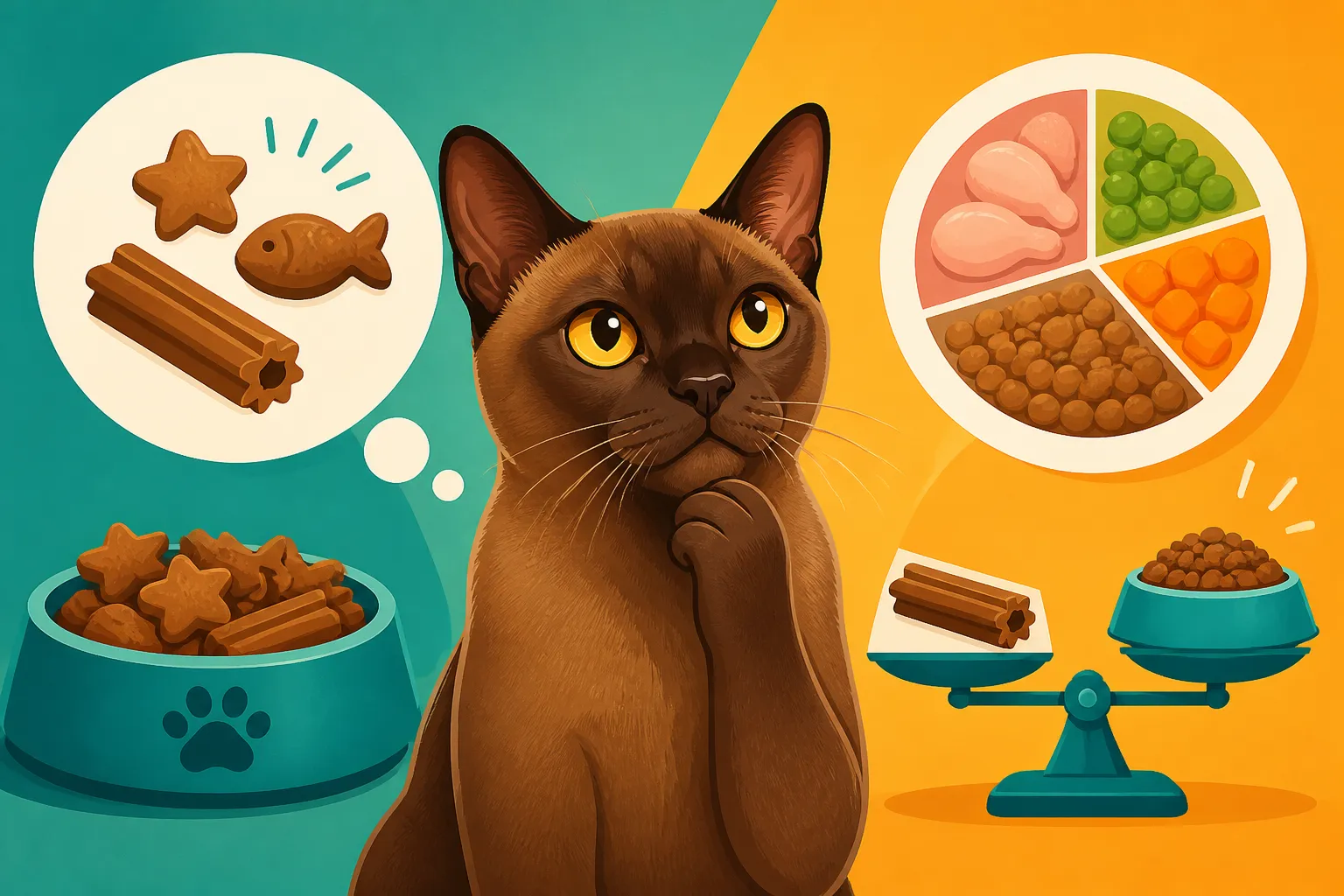
Whether Dental Treats Fit a Burmese’s Calorie Ration
One of the biggest struggles we face as Burmese cat parents is that heartbreaking balance between wanting to give our beloved felines everything they desire, and knowing that sometimes, what they desire isn't what's best for them. This rings especially true when it comes to treats, particularly dental treats. We want to protect their beautiful smiles and prevent painful gum disease, but we're also acutely aware that every single calorie, every morsel, plays a critical role in their overall health, especially with the Burmese breed's unique predispositions. This guide is here to help you navigate that tricky tightrope, exploring whether dental treats can genuinely fit into your Burmese's carefully managed calorie ration without compromising their well-being.
The Burmese Predicament: Why Every Calorie Counts
Let's be real, owning a Burmese is a joy, but it also comes with a heightened sense of responsibility when it comes to their diet. These aren't just any cats; they're unique, and their nutritional needs are inextricably linked to their breed-specific health concerns. Giving them treats isn't just a simple act of affection; it's a calculated decision.
The Inherent Diabetes Risk
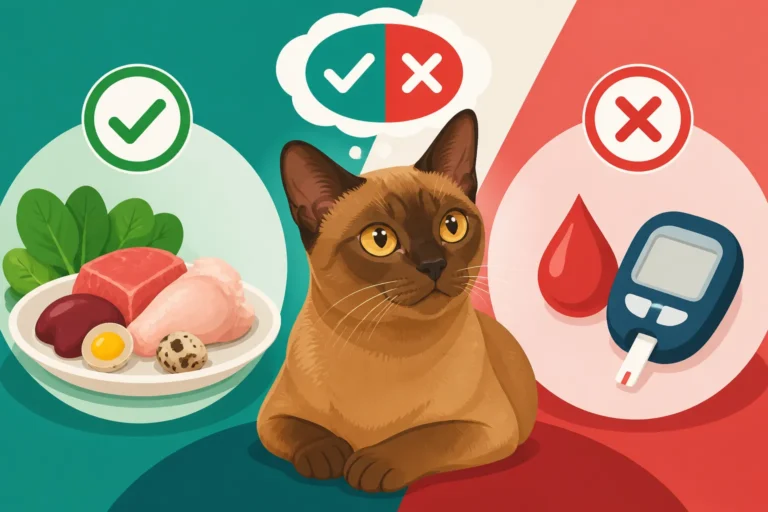
It's a stark reality for us Burmese owners: our cats are simply more prone to developing diabetes than almost any other breed. It's not just a slight increase; they are four times more likely to become diabetic. This isn't due to poor care on our part, but a genetic predisposition that makes their bodies less efficient at processing carbohydrates and maintaining stable blood sugar levels. This makes monitoring their diet an absolute priority. Every extra calorie, especially those from sugary or high-carb treats, can slowly but surely push them closer to developing this chronic condition. It’s a constant worry for us, knowing that a treat given with love could inadvertently contribute to a lifelong struggle. Why a Burmese Is Four Times More Likely to Become Diabetic really drives this home, explaining the scientific basis behind this vulnerability.
The Weight Management Challenge
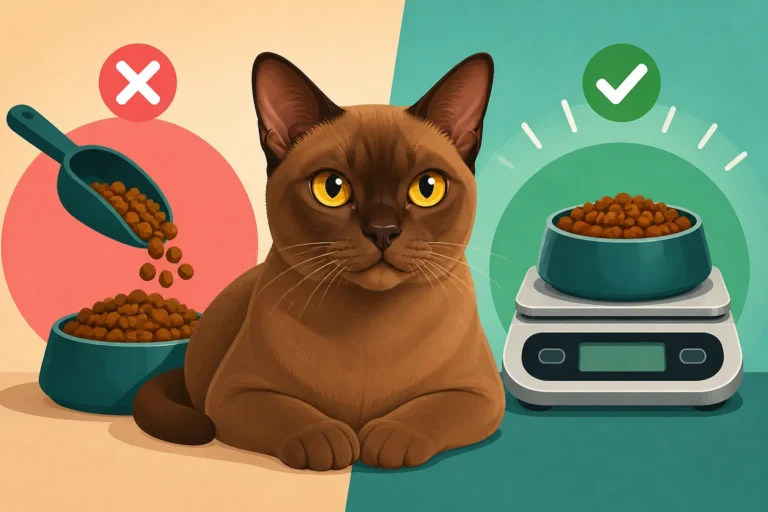
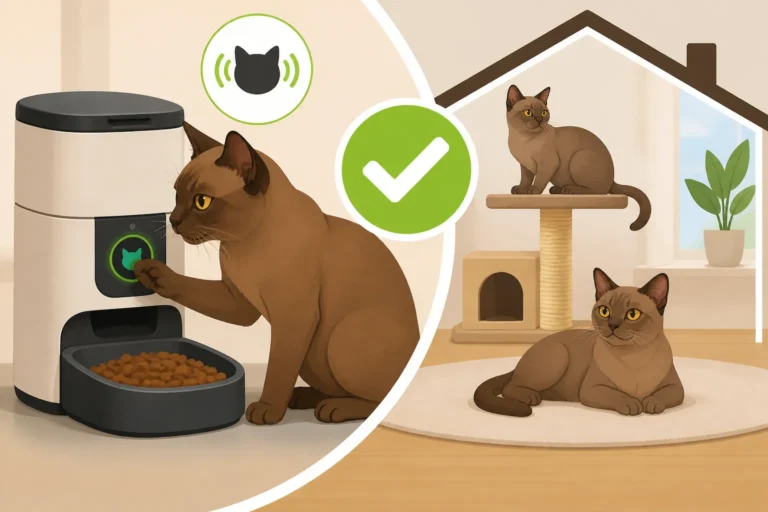
Burmese cats are notoriously muscular and compact. They feel surprisingly heavy for their size, often described as "a brick wrapped in silk." This dense musculature can make it difficult to visually assess their body condition. A Burmese that looks merely "sturdy" might actually be carrying excess weight, which is a massive red flag for their health. Obesity is a primary driver of insulin resistance, directly fueling the diabetes risk that already looms large for this breed. This is why portion control isn't just about preventing chubbiness; it's quite literally Why Portion Control Is Medical Care in a Burmese. We have to be vigilant, weighing their food, keeping a keen eye on their waistline (or lack thereof), and ensuring that every calorie serves a purpose. Free-feeding, where a bowl of kibble is left out all day, is a definite no-go for this breed, as it practically guarantees overconsumption and weight gain. Why a Burmese Should Never Be Free Fed details the pitfalls of this approach.
Balancing Health and Happiness
This is where the real struggle comes in, isn't it? We want our Burmese to be happy, to enjoy life, and to feel loved. Denying them treats altogether can feel harsh, especially when they fix you with those pleading, soulful eyes. But the truth is, their happiness and longevity are deeply intertwined with their physical health. The challenge lies in finding ways to provide enrichment and affection that don't compromise their delicate metabolic balance. It's about being clever and creative with how we show our love, rather than resorting to convenient, but potentially harmful, snack options. It requires us to be proactive, researching and understanding the true nutritional impact of everything that goes into their bowl, or as a treat.
Understanding Dental Treats: Good Intentions, Tricky Execution
We buy dental treats with the best intentions. We see the claims on the packaging – "reduces plaque," "freshens breath" – and we want to do right by our cats. But it's crucial to look beyond the marketing and understand what these treats actually are, and how they truly function, especially for a breed like the Burmese.
What "Dental Treat" Really Means
Many dental treats are designed to work through mechanical abrasion. As your cat chews, the treat's texture is supposed to scrape plaque and tartar off the surface of their teeth. Some also contain enzymes or other active ingredients intended to inhibit bacterial growth or break down plaque chemically. Sounds good, right? The problem is, most cats don't chew these treats long enough or vigorously enough for significant mechanical action to occur across all their teeth. They often gobble them down too quickly, or only chew with a few select teeth. Think of it like us trying to brush our teeth by eating a cracker – it just doesn't quite do the job.
Moreover, the effectiveness varies wildly between brands. Some dental treats have been scientifically proven to help, earning seals of approval from veterinary dental organizations, while others are essentially just glorified snacks with no real dental benefit. It's a minefield for the average cat owner trying to make the best choice. For a breed already prone to Why a Burmese's Gums Recede Early, relying solely on treats for dental health is a risky gamble.
The Calorie Conundrum
Here’s the rub: even the most effective dental treats come with calories. And as we've discussed, for a Burmese, every calorie needs to be accounted for. Many dental treats, especially the larger, chewier ones, can be surprisingly calorie-dense. A few treats given throughout the day can easily add up to a significant percentage of your Burmese's daily caloric intake, potentially pushing them over their recommended limit and contributing to weight gain.
Consider this table of hypothetical calorie contributions:
| Treat Type | Calories per treat (Approx.) | How many treats to equal 10% of daily intake (200 kcal/day) |
|---|---|---|
| Small, crunchy dental bite | 2-3 kcal | 7-10 treats |
| Larger, chewier dental stick | 10-15 kcal | 1-2 treats |
| Standard crunchy kibble (as treat) | 1-2 kcal (per piece) | 10-20 pieces |
As you can see, it doesn't take many larger treats to eat into that daily allowance. If you're feeding a recommended 200-250 calories a day for an adult Burmese, and a single dental stick is 15 calories, that's already 6-7% of their total daily allowance in one go! It becomes incredibly difficult to manage their How Many Calories a Diabetes Prone Burmese Should Get if a significant portion is coming from treats with questionable dental benefit. This is a common frustration, where we try to do something good (dental care) but inadvertently undermine another crucial health aspect (weight management and diabetes prevention).
Ingredients and Their Impact
Beyond calories, we need to scrutinize the ingredients. Many dental treats, to make them palatable and shelf-stable, contain carbohydrates, sugars, and sometimes even artificial flavors or colors. For a Burmese, a low-carbohydrate diet is paramount for preventing and managing diabetes. Which Carbohydrate Percentage a Burmese Should Stay Under is a critical piece of information when selecting any food or treat. Treats laden with corn, wheat, or other starches are simply not suitable for a diabetes-prone Burmese, regardless of their supposed dental benefits. They can cause blood sugar spikes and contribute to the very metabolic issues we're trying so hard to avoid. Reading labels becomes a detective mission, not just a casual glance. Look for treats with minimal carbs and simple, recognizable ingredients.
Strategies for Integrating Dental Care Safely
So, if dental treats are a minefield, what's a conscientious Burmese owner to do? The good news is there are several effective and safe ways to prioritize your cat's oral health without compromising their diet.
Prioritizing Brushing and Professional Care
The gold standard for feline dental health, just like human dental health, is daily brushing. Yes, it sounds daunting, but with a cooperative Burmese (and many are quite amenable to handling), it's absolutely achievable. Starting early with your kitten, as detailed in Brushing a Burmese's Teeth From Twelve Weeks, can make it a routine they accept, or even enjoy as bonding time. A finger brush or a small, soft-bristled cat toothbrush with enzymatic toothpaste specifically formulated for felines (never human toothpaste!) can make a significant difference in preventing plaque and tartar buildup.
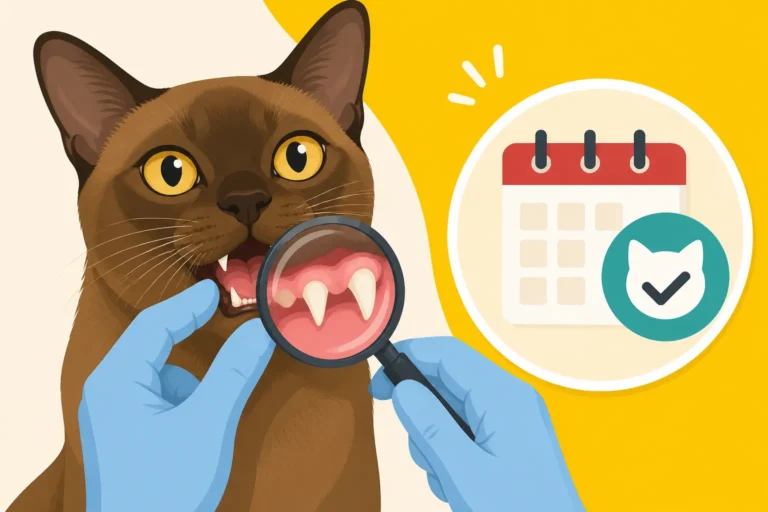
Beyond daily brushing, regular veterinary dental check-ups are non-negotiable. Your vet can assess the condition of your Burmese's teeth and gums, recommend professional cleanings under anesthesia when necessary, and identify issues like resorptive lesions early. While anesthesia always carries some risk, the benefit of a healthy mouth far outweighs the risks for a cat suffering from painful dental disease. Don't wait until you notice bad breath or difficulty eating; by then, the problem is often advanced. How Often a Burmese Needs a Dental is a good guideline for proactive care.
Smart Treat Choices and Portion Control
If you absolutely want to offer a dental treat, choose wisely and sparingly.
- Look for VOHC Seal: The Veterinary Oral Health Council (VOHC) seal is your best friend. Products with this seal have met specific scientific criteria for effectiveness in reducing plaque and/or tartar. This takes the guesswork out of whether the treat actually works.
- Read Labels Religiously: Beyond the VOHC seal, always check the nutritional analysis. Look for low-calorie and low-carbohydrate options. If the ingredient list starts with grains or sugars, put it back.
- Count Calories: Crucially, factor any dental treats into your Burmese's daily calorie allowance. This means slightly reducing their regular food portion to compensate for the treat calories. This requires meticulous tracking and weighing of food, but it's essential for a Burmese. How to Weigh a Burmese Accurately at Home is a skill worth mastering.
- Break Them Up: Instead of giving a whole dental stick, break it into smaller pieces. Your cat might still get some chewing action, and you can stretch out the treat while significantly reducing the calorie impact.
Brands like Chewy or Amazon often carry a wide selection of VOHC-approved dental products, including specific low-calorie options or even veterinary prescription dental diets that come in kibble form, which can sometimes be given as measured "treats."
Exploring Non-Food Dental Alternatives
Sometimes, the best dental "treat" isn't food at all! There are non-edible toys designed to promote dental health.
- Chew Toys: Some cats enjoy gnawing on specially designed rubber or plastic chew toys. While these might not offer the same mechanical abrasion as a proper brush, they can help satisfy a cat's urge to chew and potentially dislodge some superficial plaque. Just ensure they are durable and safe, with no small parts that could break off and be swallowed.
- Water Additives: These can be added to your cat's drinking water and are formulated to help reduce plaque and freshen breath. They are typically calorie-free and can be a good option for cats who resist brushing or don't take to chew toys. Always choose a veterinary-approved product and introduce it gradually.
- Oral Gels/Wipes: If brushing is difficult, oral gels or wipes can be applied directly to your cat's gums and teeth. These usually contain enzymes or antiseptics to help control bacteria. They are often flavorless or come in appealing flavors and add negligible calories.
Making the Final Decision for Your Burmese
Ultimately, whether dental treats fit into your Burmese's calorie ration is a decision that requires careful thought, professional advice, and consistent effort on your part. It's not a one-size-fits-all answer.
Consulting Your Veterinarian
Your vet is your most valuable resource in this journey. Before introducing any new treats or making significant dietary changes, have a candid discussion with them. They know your individual cat, their current health status, weight, and any specific predispositions. They can advise on:
- Appropriate Calorie Intake: What is the ideal daily calorie target for your Burmese? This can vary based on age, activity level, and whether they need to lose, gain, or maintain weight.
- Specific Product Recommendations: Your vet can recommend specific VOHC-approved dental treats that they believe are safe and effective for your cat, or suggest the best non-food alternatives.
- Dental Health Plan: They can help you devise a comprehensive dental care plan that includes brushing, professional cleanings, and appropriate supplemental aids. This plan might involve very few, if any, dental treats.
They can also explain how dental health impacts overall well-being, reiterating that a painful mouth can suppress appetite, lead to systemic infections, and reduce quality of life, which is especially important as your Burmese approaches their senior years. Caring for a Burmese Past Twelve highlights how crucial good health, including dental health, is in their later life.
Continuous Monitoring and Adjustment
Once you've made a decision, the work isn't over. Burmese cats, with their unique metabolism, require ongoing monitoring.
- Weight Checks: Continue to weigh your Burmese regularly at home – weekly is ideal – and track their body condition score. Any upward trend in weight should prompt an immediate review of their entire diet, including treats. Remember, Why a Burmese's Insulin Dose Changes as It Loses Weight if they are diabetic, illustrating the profound impact of weight on their metabolic health.
- Glucose Monitoring (if applicable): If your Burmese is diabetic or pre-diabetic, meticulous glucose monitoring is essential. Even small, seemingly innocuous treats can impact blood sugar levels.
- Oral Health Checks: Regularly examine your Burmese's mouth at home. Look for signs of redness, swelling, bad breath, or plaque buildup. If you notice anything concerning, schedule a vet visit promptly.
- Behavioral Cues: Pay attention to how your Burmese responds to any dental treats. Do they chew them thoroughly? Are they asking for more, potentially indicating that they're still hungry despite their calorie intake? Your cat's behavior can tell you a lot about the effectiveness and appropriateness of your choices.
The journey of caring for a Burmese is incredibly rewarding, and part of that joy comes from knowing we're doing everything we can to keep them healthy and happy for as long as possible. When it comes to dental treats, the answer isn't a simple yes or no. It's about informed choices, careful measurement, and prioritizing their long-term health above all else. Why a Burmese's Food Bill Is a Health Decision rather than just a cost, encapsulating the philosophy we must embrace as Burmese guardians.
Disclaimer
This article is for general informational purposes only and does not constitute professional advice. Laws, prices and regulations vary by location and change over time. Consult a qualified professional for guidance on your specific situation.