Whether Raw Feeding Suits a Diabetes Prone Burmese
When you have a beloved Burmese with diabetes, every single decision about their well-being feels magnified, especially when it comes to their food. It's perfectly natural to be seeking out every possible option to help manage their condition, and raw feeding often comes up in those discussions, leaving many owners wondering if it's truly the right path for their precious companion. This guide aims to thoroughly explore whether a raw food diet is a suitable and safe option for your diabetes-prone Burmese, addressing the hopes and concerns that come with such a significant dietary change.
The Unique Nutritional Needs of a Diabetes-Prone Burmese
Dealing with a diabetic Burmese is a journey that requires vigilance and a deep understanding of their specific health challenges. These magnificent cats have a particular predisposition to developing diabetes, which often means their metabolism isn't quite as forgiving as other breeds.
Why Burmese are Prone to Diabetes
It’s a heartbreaking reality that Burmese cats, particularly those from certain lines, are at a significantly higher risk of developing diabetes mellitus than other breeds. We're talking about a genetic predisposition here, something woven into their very DNA. This isn't just bad luck; studies have pointed to certain genetic markers that make them more susceptible to insulin resistance. This means their bodies don't use insulin as effectively as they should, leading to higher blood sugar levels. When you know that Why a Burmese Is Four Times More Likely to Become Diabetic, it drives home just how critical diet and lifestyle choices become from day one. It's a heavy burden, knowing your cat might be predisposed, and it often means you're already starting from a place of heightened caution and care.
The Critical Role of Diet in Managing Burmese Diabetes
For any cat, but especially a diabetes-prone Burmese, diet isn't just about sustenance; it's a primary tool for disease management. The cornerstone of managing feline diabetes is carbohydrate control. Cats, by their very nature, are obligate carnivores. Their digestive systems are designed to process protein and fat, not large amounts of carbohydrates. High carbohydrate diets force a cat's pancreas to work overtime, leading to a constant demand for insulin. Over time, this can exhaust the pancreas and exacerbate insulin resistance, pushing a predisposed Burmese closer to or deeper into diabetes. This is why Why Carbohydrate Load Matters More in a Burmese is such a crucial piece of knowledge for any Burmese owner. Every meal, every treat, has a direct impact on their blood sugar regulation and overall health.
Essential Dietary Goals for a Diabetic Burmese
When designing a diet for a diabetic Burmese, whether you're considering raw or commercial options, you have several non-negotiable goals. First and foremost, the diet must promote stable blood glucose levels. Wild swings in blood sugar are detrimental and can lead to serious complications. Secondly, maintaining a healthy body weight is paramount. Obesity is a huge contributing factor to insulin resistance in cats, and even a slightly overweight Burmese faces a significantly elevated risk. How Much Weight Raises a Burmese's Diabetes Risk is a stark reminder of this. Finally, the diet must be nutritionally complete and balanced, providing all the essential vitamins, minerals, and amino acids your cat needs to thrive. There's no point in controlling diabetes if the cat is malnourished in other ways.
Exploring the World of Raw Feeding for Cats
Raw feeding has gained significant traction in the pet community, often lauded for its "species-appropriate" nature. But what exactly does it entail, and what are the general benefits and concerns, especially when considering a cat with a pre-existing condition like diabetes?
What Constitutes a "Prey Model" or "BARF" Raw Diet?
When people talk about raw feeding for cats, they usually refer to one of two main approaches: the "Prey Model Raw" (PMR) or "Biologically Appropriate Raw Food" (BARF) diet.
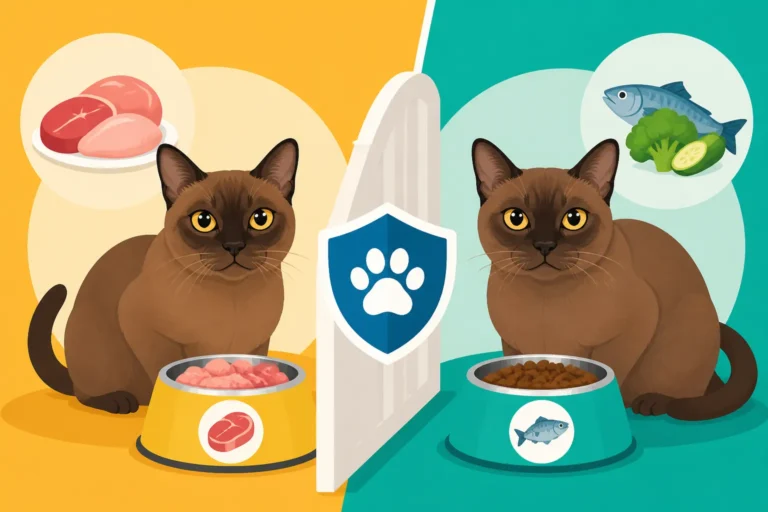
The PMR diet attempts to mimic the diet of a wild feline, focusing almost exclusively on whole muscle meat, organs, and edible bone, generally aiming for ratios similar to a prey animal (e.g., 80% muscle meat, 10% edible bone, 5% liver, 5% other secreting organs). The BARF diet is a bit more flexible, often including a small percentage of vegetables, fruits, and supplements alongside the meat, bone, and organs. Both philosophies emphasize unprocessed ingredients, avoiding grains, fillers, and artificial additives. The idea is to provide food in its most natural state, supposedly aligning better with a cat's evolutionary biology.
Potential Benefits of a Raw Diet for Cats
Proponents of raw feeding often highlight several benefits that can be particularly appealing for cat owners, including those with diabetic pets. One significant advantage is the inherently high moisture content of raw meat, which is excellent for feline urinary tract health. Cats in the wild get most of their hydration from their prey, and a raw diet closely replicates this. Many commercial dry foods, even high-quality ones, are very low in moisture, forcing cats to drink more water, which they often don't do sufficiently.
Another major draw is the protein content. Raw diets are naturally very high in animal-based protein, which is ideal for obligate carnivores like cats. When formulated correctly, raw diets are also typically very low in carbohydrates, often much lower than many commercial dry kibbles and even some wet foods. This low carbohydrate profile is a huge plus for managing diabetes, as it helps prevent those blood sugar spikes we talked about earlier. Cats on raw diets often exhibit healthier skin and coats, improved digestion, and higher energy levels.
Significant Concerns and Risks Associated with Raw Feeding
Despite the touted benefits, raw feeding comes with a set of serious concerns and risks that no owner, especially of a vulnerable cat, should overlook. The primary concern is bacterial contamination. Raw meat can harbor pathogenic bacteria like Salmonella, E. coli, and Listeria, which can cause severe gastrointestinal illness in cats and pose a significant zoonotic risk to humans in the household. Proper handling, storage, and sanitation are absolutely critical, but even then, the risk isn't entirely eliminated.
Another major risk, particularly for homemade raw diets, is nutritional imbalance. Crafting a complete and balanced raw diet requires extensive knowledge of feline nutrition, including precise ratios of calcium to phosphorus, essential amino acids like taurine, and various vitamins and trace minerals. An improperly balanced raw diet can lead to severe nutritional deficiencies or excesses, causing long-term health problems that can be just as, if not more, damaging than diabetes itself. Lastly, feeding small bones can present a choking hazard or cause internal injuries if not properly ground or selected. These risks mean that raw feeding is not a decision to be taken lightly or without thorough research and professional guidance.
Raw Feeding for Your Diabetes-Prone Burmese: The Specifics
Given the unique health considerations of a Burmese with diabetes, applying the general principles of raw feeding requires a sharper focus and careful navigation. It's not just about switching food; it's about managing a medical condition.
Carbohydrate Content: The Low-Carb Advantage
The low carbohydrate content of a properly formulated raw diet is undoubtedly its strongest selling point for a diabetic Burmese. As we've already established, Why Low Carbohydrate Food Matters for a Burmese is paramount in managing their blood glucose. Most raw diets, by their very nature of being primarily meat, bone, and organ, contain minimal to no carbohydrates, aligning perfectly with a cat's carnivorous dietary requirements. This stark contrast to many commercial dry foods, which can be packed with grains or starchy vegetables, can make a significant difference in a diabetic cat's insulin sensitivity and overall glycemic control. A very low-carb diet can often reduce the need for insulin or, in some cases, even lead to diabetic remission. However, it's crucial to ensure that any raw diet, whether homemade or commercial, truly adheres to this low-carb principle. Not all "raw" products are created equal; some might include fruit or vegetable fillers that inadvertently raise the carbohydrate load.
Ensuring Nutritional Completeness and Balance
This is where the rubber meets the road, especially for a cat whose health is already compromised. While the concept of raw feeding is appealing, the execution of a nutritionally complete and balanced diet is incredibly complex. Simply grinding up some chicken thighs won't cut it. Your Burmese needs a precise ratio of calcium to phosphorus (essential for bone health), sufficient taurine (critical for heart and eye health), and a host of other vitamins and minerals in the correct proportions. An imbalance, even a subtle one over time, can lead to severe health issues. For a diabetic cat, this risk is amplified because their system is already under stress. If you're considering a homemade raw diet, working with a veterinary nutritionist is non-negotiable. They can help you formulate recipes that meet all your Burmese's nutritional needs while keeping carbohydrate levels appropriate. Alternatively, commercially prepared raw diets can offer convenience and assurance of balance, provided they are from reputable brands that adhere to AAFCO or European Pet Food Industry Federation (FEDIAF) guidelines. Commercially prepared raw meals can be complete and balanced, though ingredients and carbohydrate levels still need careful checking for a diabetic cat.
The Importance of Consistency and Monitoring
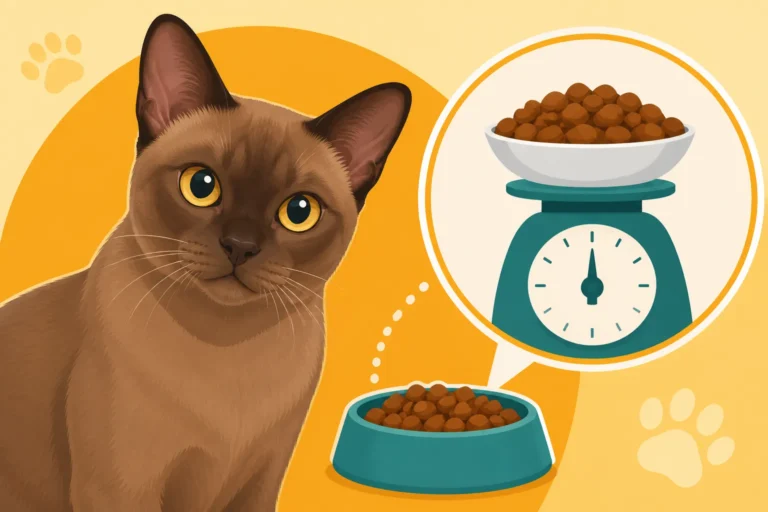
For a diabetic Burmese, consistency in diet is just as vital as the content itself. Erratic feeding schedules or inconsistent food formulations can wreak havoc on blood glucose levels. If your cat is on insulin, their injections are typically timed around their meals, and sudden changes can lead to dangerous hypoglycemic or hyperglycemic episodes. How a Diabetic Burmese Is Monitored on Insulin at Home highlights the level of precision required. Whether you choose commercial raw or a carefully formulated homemade raw, strict adherence to portion sizes and feeding times is crucial. Why a Burmese Should Never Be Free Fed takes on even greater significance for a diabetic cat. Regular monitoring of blood glucose levels, in close consultation with your veterinarian, is absolutely essential when making any dietary changes, especially to a raw diet. Your vet will guide you on how frequently to test and what parameters to look for, especially as your cat's insulin needs may change dramatically.
Practicalities: Sourcing, Preparation, and Storage
Implementing a raw diet involves a significant commitment to food hygiene and practical management.
- Sourcing: You need to find reliable sources for human-grade quality meat, organs, and bones. Local butchers or reputable online suppliers can be good options. For pre-made raw diets, look for brands with strong quality control. Many excellent choices are available through retailers like Chewy and Amazon, offering a variety of raw meal brands that prioritize safety and balance.
- Preparation: If you're going the homemade route, this involves careful measuring, grinding (if needed), and mixing of ingredients according to your nutritionist's recipe. This is time-consuming and requires dedication to detail.
- Storage: Raw meat must be stored frozen and thawed safely in the refrigerator. Meals should be prepared in batches and portioned out, typically lasting only a few days in the fridge once thawed. Strict hygiene protocols, including separate cutting boards and utensils for raw meat, are crucial to prevent bacterial contamination in your kitchen.
Making an Informed Decision and Collaborating with Your Veterinarian
Deciding to switch to a raw diet for a diabetic Burmese is a significant undertaking that requires careful consideration and, most importantly, a strong partnership with your veterinary team.
The Non-Negotiable: Discussing with Your Veterinarian
Before you even purchase your first pound of raw meat, the very first step must be a comprehensive discussion with your veterinarian. They know your cat's medical history, current insulin regimen (if applicable), and overall health status. Not all vets are equally enthusiastic about raw feeding, but a good vet will be open to discussing your options and guiding you through the process safely. Be prepared to share your research and rationale, and be open to their concerns and recommendations. They can help you understand the specific risks for your cat and devise a monitoring plan that ensures their safety throughout the transition and beyond. This collaborative approach is critical for the best possible outcome.
Commercial Raw vs. Homemade Raw for a Diabetic Cat
When it comes to raw feeding, you essentially have two paths: commercially prepared raw diets or homemade raw diets.
Commercial Raw Diets:
- Pros: Generally formulated to be nutritionally complete and balanced by experts, reducing the risk of nutrient deficiencies or excesses. They are convenient, typically pre-portioned, and often have strict quality control measures in place to reduce bacterial risk (though not eliminate it entirely). Brands such as those available on Chewy or Amazon offer a wide selection, often catering to specific dietary needs.
- Cons: Can be more expensive than homemade options. You still need to scrutinize the ingredient list to ensure it's truly low-carb and free of undesirable fillers for a diabetic cat. The risk of bacterial contamination, while minimized, is still present.
Homemade Raw Diets:
- Pros: Allows for complete control over ingredients and sourcing. Can be tailored precisely to your individual cat's needs and preferences, especially if they have allergies or other sensitivities.
- Cons: Extremely difficult to formulate correctly to be nutritionally complete and balanced without expert veterinary nutritionist guidance. The risk of bacterial contamination is higher due to home handling and preparation. It's time-consuming and requires meticulous attention to detail. This path is generally not recommended for a diabetic cat unless you are working directly with a qualified nutritionist.
Transitioning Safely and Monitoring Blood Sugar
If you and your vet decide to proceed with a raw diet, the transition must be gradual. Abrupt dietary changes can cause digestive upset and, for a diabetic cat, dangerously destabilize blood sugar levels. Your vet will likely advise a slow introduction, mixing small amounts of the new raw food with their old food, gradually increasing the proportion over several days or even weeks.
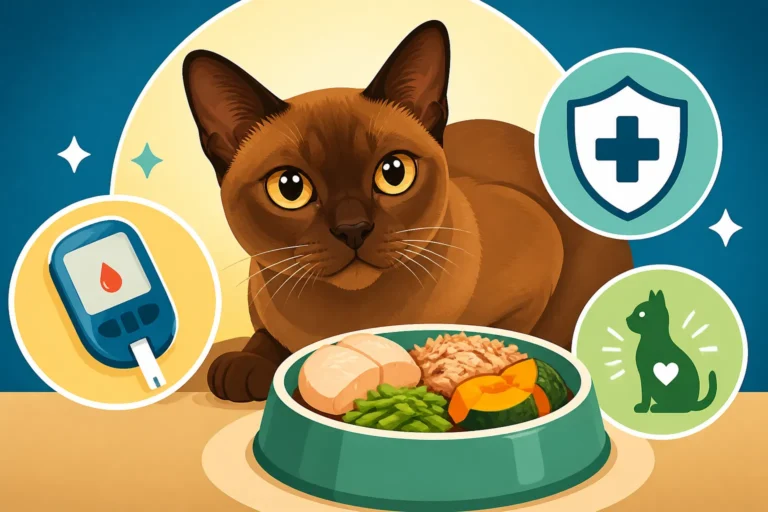
During this transition, and especially in the initial weeks on a full raw diet, diligent blood glucose monitoring is absolutely vital. You and your vet will need to establish a strict schedule for checking blood sugar. This is because a low-carbohydrate raw diet can significantly impact your cat's insulin requirements. Many diabetic cats on a raw diet experience a drastic reduction in their need for insulin, and some may even achieve remission, as discussed in Which Diet Puts a Burmese Into Remission. Without careful monitoring, continuing the previous insulin dose could lead to severe hypoglycemia, which is a medical emergency. Your vet will guide you on adjusting insulin doses based on the new diet and blood glucose readings, potentially even leveraging at-home monitoring How a Burmese Is Monitored on Insulin at Home. Remember, Why a Burmese's Insulin Dose Changes as It Loses Weight and diet, so close observation is key.
What to Watch For: Signs of Trouble
Even with the best intentions and careful planning, it's crucial to remain vigilant for any signs that the raw diet isn't agreeing with your Burmese.
- Digestive Upset: Vomiting, diarrhea, or constipation can indicate that the diet isn't suitable, or that the transition was too rapid.
- Changes in Appetite or Energy: A sudden loss of appetite, lethargy, or a decrease in activity level should be immediately reported to your vet.
- Worsening Diabetes Symptoms: Increased thirst, urination, or unexplained weight loss could mean the diet isn't effectively managing their diabetes. Refer to What Diabetes Looks Like in a Burmese for a reminder of these crucial signs.
- Hypoglycemia: Signs of low blood sugar include weakness, disorientation, stumbling, tremors, or seizures. This is an emergency requiring immediate veterinary attention.
Ultimately, whether raw feeding suits your diabetes-prone Burmese is a highly individual decision. It offers potential benefits, primarily through its low-carbohydrate nature, but these must be weighed against significant risks, especially concerning nutritional balance and bacterial contamination. A fully informed decision, made in close collaboration with your trusted veterinarian, is the only responsible way forward, keeping in mind that Why a Burmese's Food Bill Is a Health Decision extends far beyond simple cost – it's an investment in their health.
Disclaimer
This article is for general informational purposes only and does not constitute professional advice. Laws, prices and regulations vary by location and change over time. Consult a qualified professional for guidance on your specific situation.