What a Burmese Breeder Must Test Before Any Mating
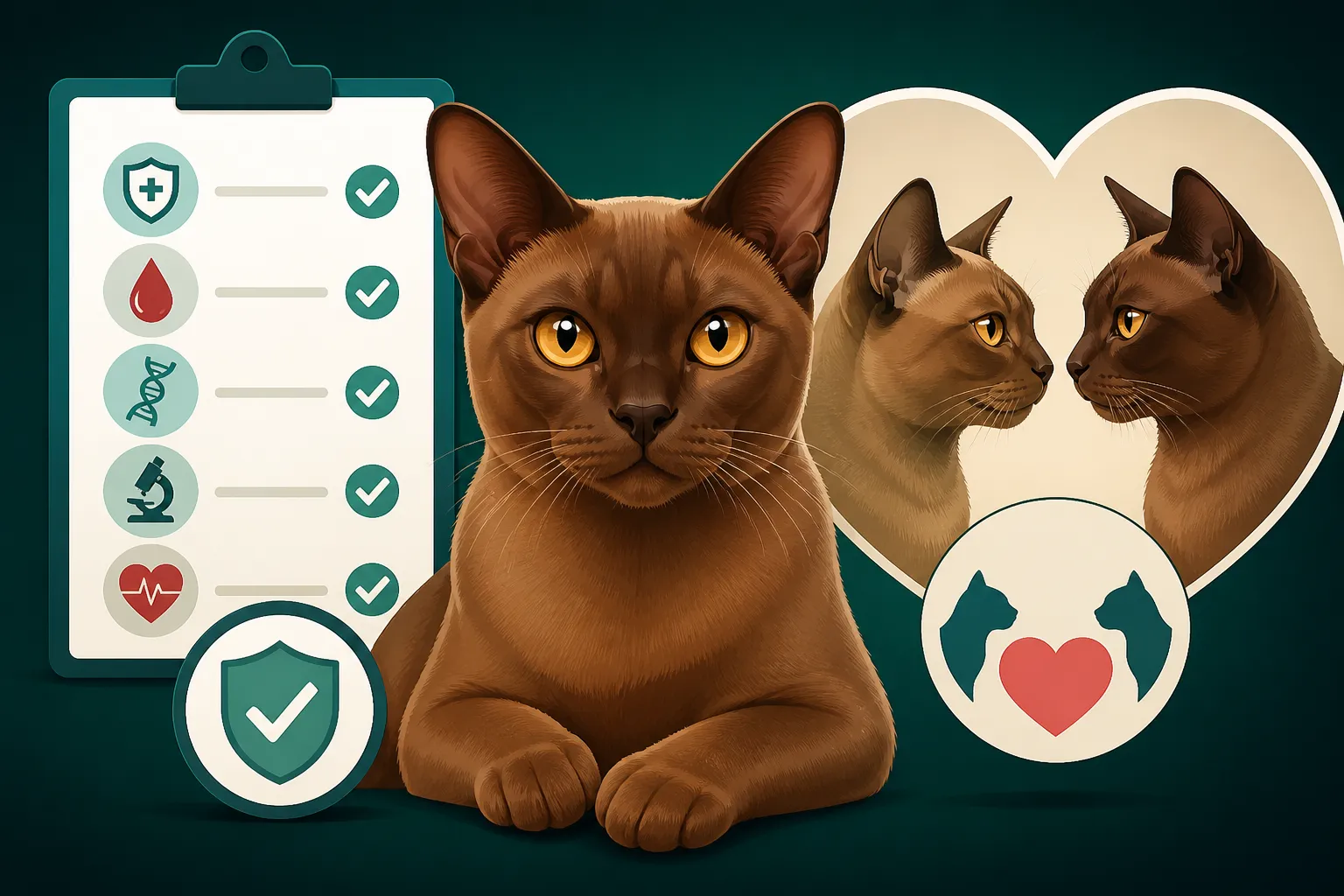
The emotional rollercoaster of bringing a new kitten home can quickly turn into heartbreak if that precious bundle of fur carries hidden genetic predispositions. For Burmese cat enthusiasts and responsible breeders alike, understanding the health landscape before mating is not just good practice – it's an ethical imperative. This guide is dedicated to laying bare the crucial health screenings and genetic tests every reputable Burmese breeder must conduct to safeguard the health and future of this magnificent breed.
Understanding the Importance of Pre-Mating Genetic Screening
As someone deeply invested in the well-being of Burmese cats, I’ve seen firsthand the devastating impact that inherited diseases can have on both the cats and their human families. It’s not just about a vet bill; it’s about watching a beloved companion suffer from something that could have been prevented with forethought and proper testing. This isn't just a recommendation; for anyone breeding Burmese, it's a fundamental responsibility.
The Ethical Imperative of Responsible Breeding
Let’s be brutally honest: no one wants to bring a kitten into the world only for it to suffer from a preventable genetic illness. It's a cruel twist of fate that can largely be avoided with modern science and a commitment to ethical breeding practices. Responsible breeding isn't just about producing beautiful cats that fit the breed standard; it's, first and foremost, about producing healthy cats with the best possible start in life. This means taking every possible step to understand the genetic makeup of prospective parents before they ever even consider having a litter. It means going beyond superficial appearances and delving into the genetic blueprint that dictates a kitten's susceptibility to certain conditions.
We owe it to these animals, who give us so much joy and companionship, to ensure their lives are as free from pain and suffering as possible. Every decision a breeder makes, from selecting breeding pairs to the comprehensive health checks performed, reverberates through generations. The ethical imperative demands that we don't just hope for the best, but actively work to mitigate risks, utilizing all the tools at our disposal to ensure robust health. It's about prioritizing the welfare of the cats over any fleeting desire for a particular look or a quick sale, ensuring that the legacy of this wonderful breed is one of health and vitality.
Protecting the Breed's Future and Individual Kittens
When a breeder chooses to mate two Burmese cats, they are not just creating a litter; they are actively shaping the future of the entire breed. Each pairing is a decision that either contributes to the genetic health and diversity of the Burmese population or, conversely, can inadvertently perpetuate detrimental genetic traits. This is a monumental responsibility. By meticulously screening potential parents for known genetic predispositions, breeders can make informed choices that reduce the incidence of painful and debilitating diseases in subsequent generations. Think of it as building a stronger, healthier foundation for the entire Burmese lineage, ensuring that the charming, affectionate personalities we adore are housed in robust, healthy bodies.
Protecting individual kittens means giving them the best chance at a full, vibrant life. Imagine the joy of a healthy kitten, full of boundless energy, contrasting sharply with the heartache of one born with a severe, incurable condition. When breeders commit to thorough pre-mating tests, they are investing in the health of every single kitten in that future litter, and by extension, the families who will love them. This proactive approach prevents future suffering, reduces the emotional and financial burden on new owners, and ultimately strengthens the reputation and longevity of the Burmese breed as a whole. It’s a testament to dedication and foresight, ensuring that the love for Burmese cats continues to thrive, free from preventable sorrow.
The Cost of Neglecting Genetic Health
Ignoring proper genetic screening can lead to a cascade of heartbreaking and expensive consequences. On the emotional side, there’s the profound grief of watching a kitten or adult cat struggle with a condition that could have been avoided. Families who welcome a new Burmese into their home expect years of companionship, not a medical crisis from day one. When a kitten falls ill due to an inherited condition, the emotional toll on the owners is immense, often accompanied by feelings of guilt, frustration, and helplessness. It’s a burden no responsible breeder would knowingly inflict.
From a financial standpoint, the costs can skyrocket. Treating inherited conditions such as Feline Diabetes Mellitus or managing chronic issues associated with Hypokalemia can quickly drain savings. We're talking about repeated vet visits, specialized diets, medications, and potentially lifelong insulin injections. While many pet insurance providers like Healthy Paws offer comprehensive coverage, some genetic conditions might be considered pre-existing if not caught early or if their hereditary nature is clear, potentially impacting coverage. Even with insurance, the co-pays and deductibles for chronic conditions can add up significantly over the lifespan of a cat. A responsible breeder understands that a cheap initial cost for a kitten often translates into exponentially higher costs down the line for the unsuspecting owner, creating a painful financial strain that overshadows the initial joy of pet ownership.
Key Genetic Diseases to Test For in Burmese Cats
The Burmese cat, while generally robust and long-lived, does have certain genetic predispositions that demand careful attention from breeders. Knowing these specific vulnerabilities is the first step in creating a proactive health strategy. It’s not about fear-mongering, but about empowering breeders with the knowledge to make the best decisions for their breeding programs and, ultimately, for every kitten they bring into the world.
Hypokalemia: The Wobbly Cat Syndrome
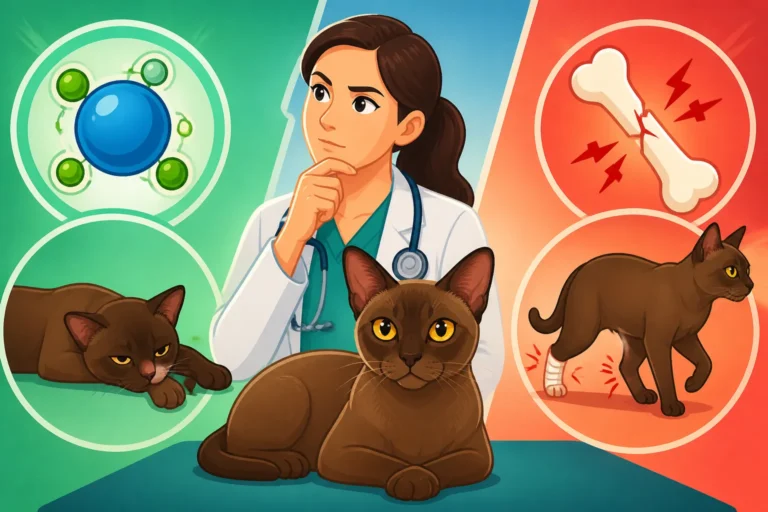
Perhaps one of the most well-known and distressing genetic conditions affecting Burmese cats is Hypokalemia, or more formally, Familial Episodic Hypokalemic Polymyopathy. Imagine your vibrant, playful kitten suddenly becoming weak, struggling to lift its head, and exhibiting a strange, stiff gait, almost like a tiny meerkat. That’s The Meerkat Neck That Tells You a Burmese Has Hypokalemia. This inherited disorder, linked to a mutation in the WNK4 gene, results in episodes of extremely low potassium levels in the blood, leading to muscle weakness, tremors, and in severe cases, paralysis. It’s truly heartbreaking to witness.
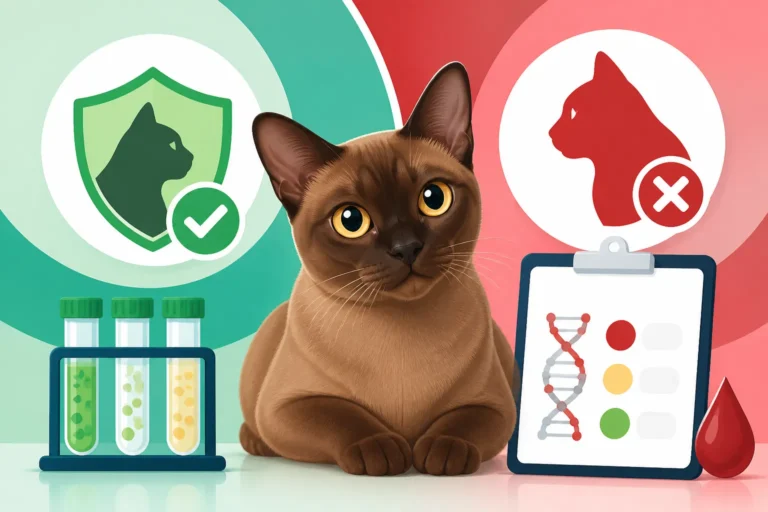
The good news is that there’s a readily available DNA test for Hypokalemia. Breeders can easily determine if a cat is clear, a carrier, or affected. A "clear" cat has two normal copies of the gene and cannot pass the mutation on. A "carrier" has one normal copy and one mutated copy; they typically don't show symptoms but can pass the mutation to their offspring. An "affected" cat has two mutated copies and will experience symptoms. It is absolutely crucial for breeders to test both parents to avoid producing affected kittens. While carriers can still be part of a responsible breeding program, careful pairing is essential – Why Two Burmese Carriers Must Never Be Bred is a rule that must be strictly adhered to to prevent affected kittens. By understanding and utilizing this test, breeders can virtually eliminate the risk of Hypokalemia in their lines, saving countless kittens from this debilitating condition.
Feline Diabetes Mellitus: A Silent Threat
Feline Diabetes Mellitus is a growing concern across many cat breeds, but the Burmese, in particular, carries a significantly elevated risk. Studies have shown that Burmese cats are Why a Burmese Is Four Times More Likely to Become Diabetic compared to the general cat population. This isn't just a lifestyle disease; there's a strong genetic component at play, making pre-mating screening and a deep understanding of family history absolutely critical for breeders. Diabetes is a serious, lifelong condition that requires diligent management, including insulin injections and strict dietary control. It can dramatically alter a cat's quality of life and place a substantial burden on owners.
While there isn't a single, definitive DNA test to predict diabetes susceptibility with 100% accuracy like there is for Hypokalemia, breeders can still take crucial steps. Primarily, this involves a thorough review of the lineage for any history of diabetes. Open and honest communication within the breeding community about affected lines is paramount. Beyond pedigree, breeders should emphasize careful management of weight and diet from kittenhood, as obesity is a major trigger for genetically predisposed cats. Understanding How Diabetes Develops in a Burmese and being transparent about familial risks allows potential owners to be prepared and proactive in preventing the onset of the disease, even if their kitten comes from a line with a history of it. Responsible breeders prioritize this long-term health, ensuring their kittens go to homes equipped to prevent or manage this silent threat.
Burmese Head Defect: A Lethal Recessive Trait
Another profoundly serious, albeit thankfully rare, genetic condition that Burmese breeders must be aware of is Burmese Head Defect, also known as Congenital Orofacial Clefts or 'Weaver Syndrome'. This is a devastating, lethal recessive condition. A kitten born with this defect typically presents with severe craniofacial abnormalities, often involving cleft palate, cleft lip, and other structural malformations of the skull and face. These defects are usually so severe that affected kittens cannot feed properly and often do not survive more than a few days after birth, or they must be humanely euthanized. It’s an incredibly distressing experience for any breeder.
Like Hypokalemia, Burmese Head Defect is caused by a recessive gene. This means a kitten must inherit two copies of the mutated gene (one from each parent) to be affected. Cats that carry only one copy of the gene are clinically normal themselves but can pass the gene to their offspring. Thanks to genetic research, a DNA test exists to identify carriers of this lethal mutation. Burmese Head Defect Is Lethal and Recessive, and testing both prospective parents is the only way to ensure that no affected kittens are produced. A responsible breeder will test all breeding cats to identify carriers and then make informed breeding decisions, ensuring that a carrier is never mated with another carrier. This proactive screening spares both the kittens and the breeder the profound anguish associated with this severe birth defect.
The Essential DNA Panel for Burmese Breeders
Moving beyond just understanding which diseases are a concern, a truly responsible Burmese breeder utilizes the tools available to them. This means performing a comprehensive DNA panel. It's not just a collection of individual tests; it's a holistic approach to understanding the genetic strengths and vulnerabilities of a breeding cat. This panel empowers breeders to make educated decisions that improve the overall health of the breed.
Comprehensive Genetic Screening: Beyond the Basics
While we’ve highlighted Hypokalemia and Burmese Head Defect as critical, a comprehensive genetic screening for Burmese breeders often extends beyond these two specific, high-priority conditions. A full DNA panel usually includes tests for a range of genetic predispositions relevant to the breed, even if their prevalence might be lower or the condition less immediately life-threatening. This thorough approach aims to gather as much information as possible about a cat's genetic profile. For instance, some panels might include testing for GM2 Gangliosidosis, a rare but fatal neurological disorder that has been identified in some Burmese lines. While not as common as Hypokalemia, screening for GM2 ensures that breeders are not inadvertently perpetuating another devastating recessive trait.
The goal isn't just to avoid known problems, but to paint a broader picture of genetic health. Breeders should consult with veterinary geneticists or reputable testing laboratories to ensure their DNA panel is truly comprehensive for the Burmese breed. This might involve looking at a panel that covers multiple potential mutations, reflecting the current understanding of Burmese genetic health. By investing in these detailed screens, breeders are taking a proactive stance, contributing to a robust and genetically diverse future for the breed, rather than simply reacting to problems as they arise. It’s an investment in the long-term vitality of every Burmese cat.
How DNA Tests Are Conducted and Interpreted
Genetic testing for cats, including the comprehensive panels for Burmese, is surprisingly straightforward and non-invasive. Typically, the sample required is a simple cheek swab. A small brush or swab is gently rubbed inside the cat's mouth against the cheek to collect epithelial cells. This process is quick, painless, and can usually be done by the breeder or a veterinarian without any need for sedation. The collected sample is then sealed and sent to a specialized veterinary genetics laboratory for analysis. Some of the most common and reputable labs for feline genetic testing include Wisdom Panel and Optimal Selection (part of MyCatDNA), which offer breed-specific panels.
Once the lab receives the sample, the DNA is extracted from the cells, and specific genetic markers associated with various diseases are analyzed. The results usually come back within a few weeks and will clearly state whether a cat is "Clear" (meaning they do not carry the gene mutation for the tested disease), a "Carrier" (meaning they carry one copy of the mutation and can pass it on, but typically do not show symptoms), or "Affected" (meaning they carry two copies of the mutation and are likely to develop or are already experiencing the disease). For recessive conditions like Hypokalemia or Burmese Head Defect, understanding the carrier status is paramount. The lab report will provide a detailed breakdown for each specific test performed, offering clear guidance for the breeder on how to interpret each result and what it means for their breeding program.
Understanding Carrier Status and Breeding Decisions
The concept of a "carrier" is fundamental in responsible genetic breeding, especially for conditions like Hypokalemia and Burmese Head Defect that are autosomal recessive. A carrier cat possesses one copy of a mutated gene and one normal copy. Critically, these cats typically do not show any symptoms of the disease themselves because the single healthy gene copy is sufficient to perform the necessary function. They are healthy individuals, vibrant and full of life, and often excellent examples of the breed standard. However, they carry the potential to pass that mutated gene on to their offspring.
This is where informed breeding decisions come into play. If a carrier cat is mated with a "clear" cat (one with two normal copies of the gene), statistically, about 50% of the kittens will be carriers, and 50% will be clear. None of the kittens in this pairing will be affected by the disease. This is a perfectly acceptable and responsible breeding strategy. The significant risk arises when two carriers are unknowingly bred together. In such a pairing, there is a 25% chance of producing an affected kitten (inheriting two mutated copies), a 50% chance of producing a carrier kitten, and a 25% chance of producing a clear kitten. This 25% chance of producing a suffering kitten is why Why Two Burmese Carriers Must Never Be Bred is a golden rule. By understanding and respecting carrier status, breeders can utilize valuable genetic lines while completely avoiding the production of affected animals, preserving genetic diversity without compromising health.
| Genetic Disease | Gene Mutation | Inheritance Pattern | Impact on Cat | Breeding Recommendation (Tested Parents) |
|---|---|---|---|---|
| Hypokalemia | WNK4 | Autosomal Recessive | Episodic muscle weakness, stiffness, paralysis | Never breed Carrier x Carrier |
| Burmese Head Defect | Likely Recessive | Autosomal Recessive | Severe craniofacial deformities, lethal | Never breed Carrier x Carrier |
| GM2 Gangliosidosis | HEXB | Autosomal Recessive | Progressive neurological dysfunction, fatal | Never breed Carrier x Carrier |
| Diabetes Mellitus | Polygenic | Complex (Genetic/Environmental) | High blood sugar, organ damage, lifelong management | Avoid breeding cats from heavily affected lines; prioritize low-carb diet |
| Hypertrophic Cardiomyopathy (HCM) | Multiple Genes | Autosomal Dominant (variable) | Thickening of heart muscle, heart failure | Screen yearly via echocardiogram; avoid breeding affected cats |
Beyond Genetics: Health Assessments Before Breeding
While genetic testing is a monumental step in responsible breeding, it's not the only piece of the puzzle. A truly comprehensive pre-mating health assessment for a Burmese cat goes beyond just DNA swabs. It encompasses a thorough physical examination and consideration of other health parameters that can impact a cat's ability to breed successfully and healthily, as well as the well-being of their offspring.
Cardiac Health: Screening for HCM
Hypertrophic Cardiomyopathy (HCM) is the most common heart disease in cats, and while not considered a breed-specific disease unique to the Burmese, it certainly affects them, as it does many other breeds. HCM causes the muscular walls of the heart to thicken, reducing its efficiency and potentially leading to heart failure or sudden death. The insidious nature of HCM is that many cats show no outward symptoms until the disease is quite advanced, making screening absolutely vital for breeding animals. Even Whether the Burmese Gets HCM is a question that responsible breeders address head-on.
The gold standard for screening breeding cats for HCM is a cardiac ultrasound (echocardiogram) performed by a board-certified veterinary cardiologist. This specialized ultrasound allows the cardiologist to visualize the heart's structure and function, specifically measuring the thickness of the heart walls and assessing blood flow. Because HCM can develop at any age and is often progressive, breeding cats should ideally undergo yearly echocardiograms. While HCM has a genetic component (often autosomal dominant with variable expression), the exact genes responsible are complex and not fully understood across all breeds. Therefore, regular screening is currently the most effective tool to identify affected cats and remove them from breeding programs, minimizing the risk of passing on this serious heart condition.
Dental Health and Periodontal Disease Risks
It might seem a bit unexpected to talk about dental health in the context of breeding, but for Burmese cats, it's particularly relevant. Burmese are known to be predisposed to certain dental issues, including early onset gum disease and tooth resorption. Why a Burmese Is Prone to Gum Disease can be due to their unique skull structure and genetics. A cat with severe dental disease is not a healthy candidate for breeding. Periodontal disease, if left unchecked, can lead to chronic pain, infections that spread to other organs, and a general state of poor health.
Before mating, a prospective breeding cat should have a thorough dental examination by a veterinarian. This includes checking for plaque, tartar, gingivitis, and any signs of tooth resorption. If significant dental disease is present, it should be addressed with a professional dental cleaning, and potentially extractions, well in advance of any breeding plans. Not only does this ensure the mother cat is in optimal health to carry a litter, but it also means she won't be passing on harmful bacteria or coping with pain during a vulnerable time. Furthermore, establishing good dental hygiene habits and discussing the breed's dental predispositions with new kitten owners is part of responsible breeding, highlighting the lifelong commitment to a kitten's overall health.
General Physical Examination and Temperament Assessment
Beyond specific genetic and health screenings, a holistic pre-mating assessment must always include a comprehensive general physical examination by a veterinarian. This isn't just a quick once-over; it's a deep dive into the cat's overall health. The vet will check for a healthy body condition score, ensuring the cat isn't underweight or overweight, which can impact fertility and pregnancy. They will assess organ function through blood tests (including a chemistry panel and complete blood count) to rule out any underlying kidney, liver, or other systemic issues. A clean bill of health here is essential, as the stresses of pregnancy and lactation can exacerbate any pre-existing conditions.
Equally important, and often overlooked by newcomers to breeding, is a thorough temperament assessment. The Burmese are renowned for their incredibly affectionate, people-oriented, and playful nature. These are traits that breeders strive to maintain. A breeding cat should exhibit a stable, confident, and friendly temperament. Any signs of undue shyness, aggression, excessive nervousness, or unusual behaviors should be carefully evaluated. Temperament is highly heritable, and a cat with an unsuitable disposition should never be bred, regardless of how perfect their physical traits or genetic test results might be. A queen needs to be calm and nurturing to raise her kittens, and a stud needs to pass on a stable, desirable temperament. A happy, well-adjusted cat makes for a better parent and contributes positively to the breed's beloved characteristics.
Navigating Test Results and Making Informed Breeding Choices
Receiving genetic and health test results can feel like navigating a maze, especially if you're new to breeding. However, understanding these results and using them to make responsible choices is the cornerstone of any ethical breeding program. It's about combining scientific data with a deep understanding of genetics and breed standards to ensure the best possible outcomes.
Interpreting Clear, Carrier, and Affected Results
When the results from your genetic tests come back, you’ll typically see them categorized as "Clear," "Carrier," or "Affected" for each specific gene mutation screened. A "Clear" result is straightforward: the cat does not possess the gene mutation in question and therefore cannot pass it on to its offspring. This is the ideal result, indicating a low risk for that particular condition.
A "Carrier" result means the cat has one copy of the mutated gene and one normal copy. As discussed, for most autosomal recessive conditions, carriers are clinically healthy and do not express the disease. They can, however, pass the mutated gene on to approximately 50% of their offspring. The key here is to never breed a carrier to another carrier for recessive diseases like Hypokalemia or Burmese Head Defect. Mating a carrier with a "clear" cat is a responsible way to keep valuable genetics in a line while avoiding affected kittens. This approach helps maintain genetic diversity, preventing the narrowing of the gene pool that can occur if all carriers are simply removed from breeding programs.
An "Affected" result indicates the cat has two copies of the mutated gene (for recessive conditions) or a single dominant mutated copy (for dominant conditions). Cats with an "Affected" result for a serious genetic disease should generally not be used in a breeding program, as they will either suffer from the disease themselves or pass on the dominant trait to all their offspring. Understanding these distinctions is not just about labeling a cat, but about making deliberate, health-conscious choices for future generations.
Ethical Considerations for Breeding Carriers
The decision of whether to breed a carrier cat is one that often sparks debate and requires careful ethical consideration. For serious autosomal recessive conditions where a reliable DNA test exists (such as Hypokalemia or Burmese Head Defect), the ethical stance is clear: never breed two carriers together. Doing so knowingly risks producing affected kittens, which is an unacceptable outcome for any responsible breeder. However, simply removing all carriers from the breeding pool can be detrimental to the overall genetic diversity of a breed, especially if the mutation is relatively widespread or if the carrier possesses other invaluable traits.
Ethical breeding of carriers involves a meticulous and strategic approach. A carrier cat can be bred safely if it is exclusively mated with a cat that has tested "clear" for the same genetic mutation. This ensures that no affected kittens will be born, although approximately half of the offspring will also be carriers. In such cases, all kittens from the litter should then be tested, and any resulting carriers should only be placed in breeding programs with the same strict guidelines, or be neutered and placed as pets. This allows breeders to retain important genetic characteristics, improve type, or diversify lines, all while preventing the actual manifestation of the disease. It’s a delicate balance that prioritizes health outcomes while striving for genetic robustness. Transparency with potential kitten buyers about carrier status in the lineage is also an important part of this ethical responsibility.
The Role of Pedigree Analysis and Line Breeding
Beyond individual genetic tests, a responsible breeder also delves deeply into pedigree analysis. This is akin to being a genealogical detective, tracing the health history of every cat in a potential breeding pair's lineage for multiple generations. Genetic tests are powerful, but they don't cover every single potential issue, nor do they always account for complex, polygenic conditions where multiple genes interact with environmental factors, such as some forms of diabetes. A comprehensive pedigree analysis allows a breeder to identify patterns of disease or health concerns within a line. If certain conditions, even those without a direct DNA test, repeatedly appear in a pedigree, it raises a red flag. For instance, knowing that many cats in a particular line experienced early onset diabetes, even if they were from a tested clear mating, could indicate a broader genetic predisposition that needs careful management through diet and lifestyle choices.
Line breeding, a specific breeding strategy where related individuals are mated to concentrate desirable traits, also requires an even more rigorous approach to health screening and pedigree analysis. While line breeding can be a powerful tool for fixing type and temperament, it also concentrates both good and potentially bad genes. This means that any genetic flaw present in the shared ancestor is much more likely to show up in subsequent generations. Therefore, before engaging in line breeding, a breeder must have an exceptionally clear understanding of all the genetic tests for both parents and their common ancestors, plus a detailed health history. This ensures that while desirable traits are being enhanced, undesirable and unhealthy ones are not inadvertently being amplified, leading to unforeseen health challenges down the road.
The Breeder-Buyer Relationship: Transparency and Trust
For prospective kitten buyers, the breeder-buyer relationship is built on trust, and transparency regarding health testing is the bedrock of that trust. It’s not just about a pretty kitten; it’s about a healthy future. A reputable breeder understands this and will openly share all relevant health information, empowering new owners to make informed decisions and prepare for a lifetime with their new companion.
Demanding Proof: What to Ask Your Breeder
As a prospective Burmese kitten owner, you have every right, and indeed, a responsibility, to ask your breeder for concrete proof of health testing. Don't be shy or feel like you're being demanding; a truly responsible breeder will welcome your questions and be eager to share this information. Start by asking for the results of the DNA panel for both the mother (queen) and father (stud) of the litter. Specifically, you should ask to see test results for Hypokalemia and Burmese Head Defect, confirming that both parents are clear or that if one is a carrier, the other is unequivocally clear, thereby ensuring no affected kittens were produced. How to Check a Burmese's Hypokalemia Certificate should be a straightforward process, as reputable labs provide official documentation.
Beyond genetic tests, inquire about cardiac screening. Ask to see recent echocardiogram reports for both parents, demonstrating they are clear of HCM. Also, ask about the general health history of the parents and their lines, including any incidence of diabetes, gum disease, or other chronic conditions. A good breeder will be able to provide documentation, whether it's copies of lab results, veterinary certificates, or at the very least, a clear and honest discussion about the health history of their cattery. If a breeder is hesitant, evasive, or dismissive of your requests for proof, consider it a significant red flag. You're not just buying a cat; you're investing in a family member's health and longevity.
The Value of Health Guarantees and Contracts
A robust health guarantee is a hallmark of a responsible Burmese breeder and provides an essential layer of protection and peace of mind for new kitten owners. This isn't just a casual promise; it should be a clearly written section within a comprehensive purchase contract. A good health guarantee will typically cover genetic conditions that have been tested for, such as Hypokalemia and Burmese Head Defect, often providing a replacement kitten or a refund if a kitten is found to be affected by these diseases within a certain timeframe. Some guarantees might also cover other significant health issues that manifest early in life. Whether a Burmese Guarantee Covers Hypokalemia should be a definite "yes" from any reputable breeder.
Beyond genetic conditions, a strong contract will outline responsibilities for both the breeder and the buyer. It might specify the expected age for neutering/spaying, conditions for return if the placement doesn't work out, and vaccination schedules. For conditions like diabetes, while there might not be a direct guarantee against its development due to its complex nature, a responsible breeder will discuss the breed's predisposition and emphasize preventative care such as strict portion control and a low-carbohydrate diet, which is critical for Why Portion Control Is Medical Care in a Burmese. The contract serves as a commitment from the breeder to the kitten's long-term health and a framework for addressing any unexpected issues that may arise, fostering trust and accountability.
Why a Comprehensive Health History Matters
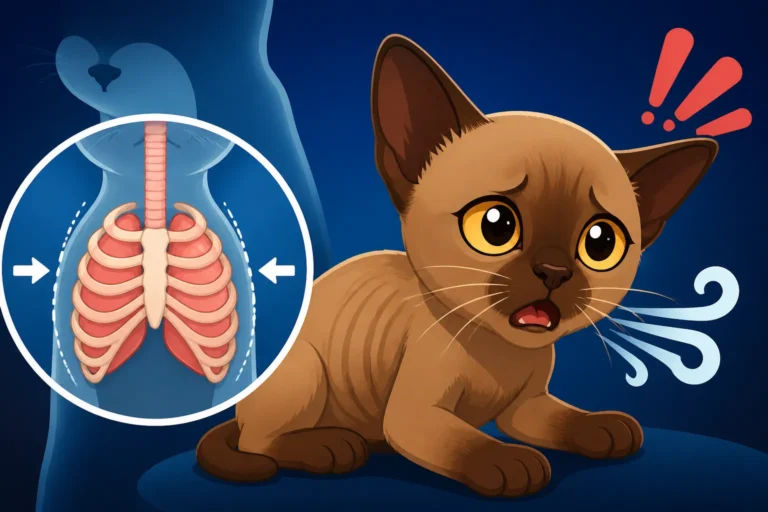
A comprehensive health history for a Burmese kitten is far more than just a list of vaccinations. It's a detailed narrative that empowers the new owner to continue providing optimal care and to be proactive about potential breed-specific health challenges. This history should ideally include information about the parents' genetic test results, as discussed, but also details about the kitten's early life. This means documentation of their birth weight, growth milestones, initial vet checks, deworming schedule, and initial vaccinations. Knowing Why a Burmese Kitten's Chest Should Be Checked at Birth can alert new owners to potential early issues like Flat Chested Kitten Syndrome.
Furthermore, a truly comprehensive health history from a responsible breeder will include dietary recommendations, emphasizing the importance of low-carbohydrate, high-protein wet food to mitigate the breed's diabetes risk. It should also detail the kitten's socialization experiences, noting how it has interacted with people, other cats, or even dogs, which is crucial for a breed as social as the Burmese. This information allows the new owner to transition the kitten smoothly into their home, understand its baseline health, and be aware of any specific considerations. It's about providing a complete picture, ensuring that the new family is not only falling in love with a charming kitten but is also fully equipped to support its health and well-being throughout its entire The Sixteen to Eighteen Years a Well Bred Burmese Gets lifespan.
The Lifelong Impact of Early Breeding Decisions
The decisions a breeder makes before a single mating takes place resonate far beyond the immediate litter. These choices have a profound, lifelong impact on individual cats, their future owners, and the genetic health of the entire Burmese breed. It's a legacy of responsibility that shapes the perception and reality of owning one of these magnificent felines.
Reducing the Incidence of Disease in Future Generations
The proactive approach to genetic and health screening by responsible Burmese breeders is the most powerful tool we have for systematically reducing the incidence of inherited diseases across future generations. By diligently testing breeding cats for conditions like Hypokalemia, Burmese Head Defect, and screening for HCM, breeders prevent the propagation of these detrimental genes. When carriers are carefully bred only to clear cats, and affected animals are removed from breeding programs, the prevalence of these diseases in the overall Burmese population begins to decline. This isn't a quick fix, but a sustained, concerted effort that builds healthier lines over time.
This commitment transforms the landscape of breed health. Imagine a future where the joy of owning a Burmese is rarely shadowed by the sudden onset of a preventable genetic illness. This is the vision that responsible breeding decisions aim to achieve. It means fewer trips to the emergency vet for conditions like Hypokalemia episodes, fewer families coping with the complexities of managing Feline Diabetes Mellitus from a young age, and the elimination of lethal birth defects. It's a testament to the power of science combined with ethical practice, ensuring that the inherent robustness and vitality of the Burmese breed are continuously strengthened for decades to come, bringing peace of mind to countless owners and healthier lives to countless cats.
Supporting a Longer, Healthier Life for Burmese Cats
Ultimately, every health test, every careful breeding decision, and every conversation about diet and lifestyle is geared towards one overarching goal: supporting a longer, healthier, and happier life for every Burmese cat. When breeders are meticulous in their pre-mating screening, they are laying the groundwork for a kitten to reach its full genetic potential for longevity and vitality. A Burmese born from health-tested parents, free from known genetic predispositions to severe diseases, starts life with a significant advantage. This foundational health allows them to thrive, showcasing their characteristic playful nature and deep affection without being hampered by debilitating conditions.
Moreover, the education provided by responsible breeders about breed-specific needs – from the importance of a low-carbohydrate diet to early dental care – empowers owners to maintain that health throughout the cat's life. This proactive approach to care can significantly delay or even prevent the onset of conditions like diabetes, ensuring that a Burmese enjoys its full, active lifespan, often into its late teens. Caring for a Burmese Past Twelve becomes a more joyful experience, focusing on age-related comforts rather than managing chronic, early-onset diseases. This commitment to lifelong well-being is the true measure of a breeder's success, creating enduring companionship and joy for both the cats and their human families.
The Peace of Mind for Both Breeder and Owner
There’s an invaluable, often unspoken, benefit that stems from rigorous pre-mating health testing and transparent breeding practices: peace of mind. For the breeder, it’s the quiet confidence that comes from knowing you’ve done everything within your power to ensure the health of your kittens. It means standing proudly behind every kitten you place, knowing you’ve minimized the risk of preventable suffering. This ethical foundation allows breeders to foster genuine, trusting relationships with their kitten buyers, built on shared values of care and responsibility. They can sleep soundly, knowing they’ve contributed positively to the breed and the lives of individual animals.
For the new owner, this peace of mind is equally profound. Bringing a new kitten home is a huge emotional investment, and knowing that your breeder has taken every possible step to screen for known genetic issues alleviates a tremendous amount of anxiety. While no life comes with absolute guarantees, having a comprehensive health history and knowing that the parents were meticulously tested provides a strong sense of security. It means you can focus on the joyous aspects of kitten ownership – the playful antics, the comforting purrs, the endless cuddles – rather than worrying about a ticking genetic time bomb. Should any issues arise, knowing you partnered with a responsible breeder who is informed and supportive, potentially through something like a comprehensive pet insurance plan from a provider like Healthy Paws, allows you to face challenges with confidence and support. It transforms the journey of pet ownership into one of joyful companionship, grounded in trust and transparency.
Disclaimer
Please remember that this article provides general information and recommendations. Always consult with a qualified veterinarian for specific health advice regarding your Burmese cat and breeding program. Genetic science and veterinary medicine are constantly evolving, so staying up-to-date with the latest recommendations is crucial.