How Big a Box a Muscular Burmese Needs
It’s a common frustration for Burmese cat owners: you buy what you think is a perfectly adequate litter box, only to find your beloved, surprisingly muscular companion barely fits, or worse, decides it’s not up to standard. You might see them perching precariously, or kicking litter half-way across the room because they can't comfortably turn around. This guide is here to help you navigate the unique requirements of finding the ideal litter box for your substantial, active Burmese, ensuring their comfort, maintaining hygiene, and keeping your home a little tidier.
Understanding Your Burmese's Physique and Its Impact on Litter Box Choices
When you look at a Burmese, you see a sleek, elegant cat with a short, satiny coat. What you might not immediately realize is the sheer density and muscularity packed beneath that beautiful exterior. They're often described as a "brick wrapped in silk," and it's a wonderfully accurate description. This compact power has significant implications for everything from their diet to their play, and yes, even their bathroom habits. Ignoring their unique build when choosing a litter box can lead to a lot of headaches – for both of you.
The "Brick in a Silk Wrapper" – More Muscular Than You Think
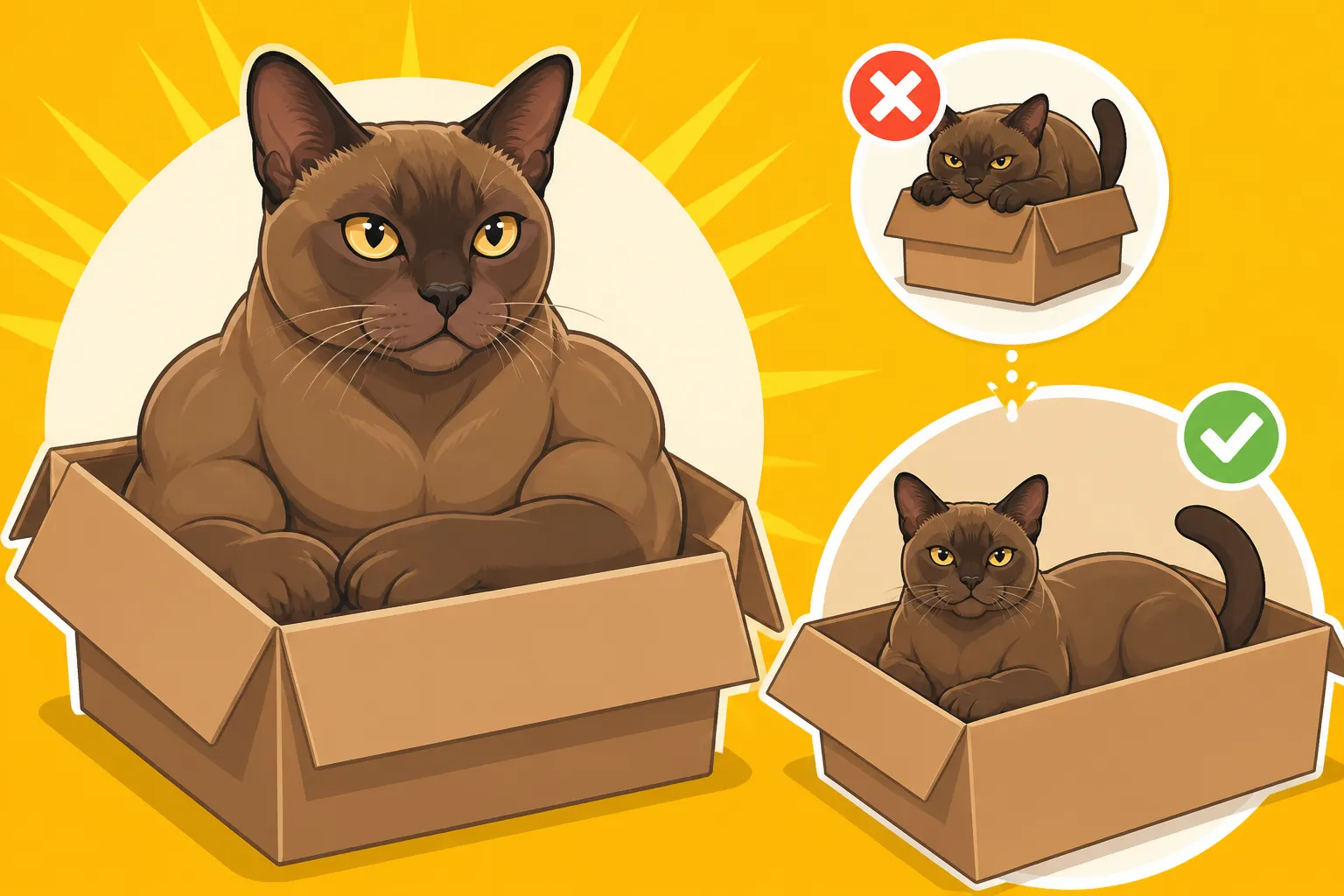
A Burmese isn't just a medium-sized cat; they are robust, weighty, and incredibly athletic. An adult male Burmese can easily weigh more than it looks, often surprising people when they pick one up. This isn't fat; it's pure, solid muscle. This means they need ample space to maneuver comfortably. Imagine trying to use a tiny cubicle of a bathroom if you're a bodybuilder – it's just not practical or pleasant. Your Burmese feels the same way about a cramped litter box. They need room to step in, turn around multiple times, dig enthusiastically, and then comfortably squat and cover their business. Without this space, they might feel exposed, or simply too restricted to perform their natural instincts, leading to potential accidents outside the box. This inherent muscularity is also Why a Muscular Burmese Is Mistaken for a Fat One, and it's crucial to understand the difference when assessing their needs.
Why a Standard Box Just Won't Do for a Burmese
Many standard litter boxes on the market are designed with a "one size fits all" mentality, or perhaps for smaller, more delicate breeds. For a Burmese, these often fall short. They're typically too narrow, too short, or too low. A box that's too small might encourage your Burmese to hang their rear end over the edge, leading to messes. If it's too shallow, their vigorous digging—a natural and necessary behavior for cats—will send litter flying far and wide. Furthermore, if a box is just barely long enough for them to squeeze into, they might not bother with the full burying process, which can lead to increased odors and a less hygienic environment overall. Think about the instinctual behaviors your cat needs to perform: digging, turning, squatting, and covering. Each of these requires specific dimensions to be done effectively and without stress.
Essential Features of a Litter Box for a Muscular Burmese
Choosing the right litter box for your Burmese isn't just about throwing down any old plastic tray. It requires careful consideration of their size, habits, and comfort. The goal is to provide a space that invites them in, allows them to feel secure and clean, and minimizes mess for you.
Prioritizing Space: Length, Width, and Maneuverability
The single most important factor for a muscular Burmese is ample space. You'll want to look for an "extra-large" or even "jumbo" sized litter box. A good rule of thumb is that the box should be at least 1.5 times the length of your cat from nose to the base of their tail. This allows them to step in, turn completely around without touching the sides, and comfortably dig.
Consider both length and width:
- Length: This is critical for turning and stretching out. Your Burmese should be able to turn a full 180 or 360 degrees within the box without their body brushing against the sides.
- Width: A generous width ensures they can squat comfortably without feeling cramped, and gives them room to dig and cover.
- Height: A higher-sided box (at least 8-10 inches) is a godsend for containing litter scatter, especially with a vigorous digger like a Burmese. You can often find jumbo storage bins at places like Amazon that, with a carefully cut entrance, make excellent, inexpensive high-sided litter boxes.
Don't underestimate the mental comfort that comes with physical space. A well-sized box contributes to a stress-free elimination experience, which is crucial for a cat's overall well-being.
Entry and Exit: Accessibility for All Life Stages
While a high-sided box helps with mess, it's vital to ensure your Burmese can easily get in and out. For young, agile Burmese cats, this isn't usually an issue. They'll hop over the side with ease. However, as your Burmese gets older, or if they happen to develop conditions like arthritis, a high lip can become a significant barrier.
- For Young/Adult Burmese: A high-sided box with one slightly lower entry point, or a dedicated step stool, can be ideal. Many modern litter boxes are designed this way, offering both height and convenience.
- For Senior Burmese: As your cat enters their golden years, accessibility becomes paramount. Caring for a Burmese Past Twelve often involves accommodating their changing physical needs. Look for boxes with very low entry points, or consider a litter box ramp. Even a slight lip can be painful for a cat with How Arthritis Shows in a Burmese That Still Plays. There are open-top storage bins that can be modified by cutting a lower entrance on one side, ensuring easy access while retaining high walls for litter containment.
Open, Covered, or High-Tech: Weighing the Options
Each type of litter box comes with its own set of pros and cons, especially for a Burmese.
| Litter Box Type | Pros for Burmese | Cons for Burmese |
|---|---|---|
| Open Tray | Ample ventilation, easy to clean, generally larger sizes available, less intimidating for timid cats. | High litter scatter, less privacy, odor can spread more easily. |
| Covered Box | Excellent litter containment, provides privacy, better odor control (temporarily). | Can feel cramped for a large Burmese, poor ventilation (odor buildup inside), harder to clean. |
| Top-Entry Box | Virtually no litter scatter, keeps dogs out of the litter, good privacy. | Can be challenging for less agile or older Burmese, may feel enclosed for some, difficult for owners to scoop. |
| Self-Cleaning Box | Reduces scooping frequency, consistent cleanliness. | Very expensive, some cats are scared of the mechanics, can break down, might not handle large Burmese waste volume well. |
For a muscular Burmese, an extra-large open tray with high sides is often the best compromise, balancing space, ventilation, and ease of cleaning. If you opt for a covered box, ensure it's truly enormous to give your Burmese enough room inside. Many standard covered boxes are simply too confining for a full-sized Burmese. While a covered box might seem like a good idea for odor control, sometimes the lack of air circulation can make the smell worse inside the box, making it less appealing for your cat. Remember, Why a Covered Box Suits a Burmese That Hides Nothing is often a mistaken assumption; a cat's instinct is to feel safe, not necessarily hidden, when eliminating.
Common Litter Box Challenges and Solutions for Burmese Owners
Owning a Burmese is a joy, but like any cat, they can present some unique challenges, especially around their litter box habits. Understanding these and having practical solutions can make a world of difference.
Managing the Mess: Containment and Cleanliness
Burmese cats are known for their spirited digging. They really get into it! This, combined with their short, fine coat, can lead to a surprising amount of litter tracked out of the box. You might find granules scattered far and wide, or even stuck to their satin-like fur.
- High Sides are Your Friend: As mentioned, a litter box with high sides is the first line of defense against scatter. Look for bins that are at least 10-12 inches high.
- Litter Mats: Invest in a good quality litter mat. There are various types, from textured rubber to those with deep grooves designed to catch and trap litter from paws. Place a large mat directly in front of the box. Many owners swear by honeycomb-patterned mats available on Chewy, which effectively collect stray litter and can be easily shaken out.
- Type of Litter: Some litters are inherently less prone to tracking. Consider switching to a larger granule clay litter, crystal litter, or even pine pellets if your cat accepts it. Fine, dusty litters tend to cling more to fur and paws.
- Regular Cleaning: The cleaner the box, the less likely your Burmese will feel the need to meticulously over-dig to find a clean spot, potentially reducing scatter. Daily scooping is non-negotiable, and a full litter change and box scrub every 1-2 weeks is ideal. This is especially true if you have multiple Burmese; How Many Boxes Two Burmese Need is generally one per cat plus one extra, so the maintenance can be considerable!
Overcoming Litter Box Aversion
A Burmese might refuse to use their litter box for several reasons, and it's essential to pinpoint the cause quickly, as prolonged aversion can lead to ingrained bad habits.
- Size Matters: If the box is too small, your Burmese might simply decide it's not worth the discomfort. Watch how they use the box – do they struggle to turn? Do they look stressed?
- Cleanliness: Cats are fastidiously clean creatures. A dirty box is a strong deterrent. If you’re not scooping at least once, preferably twice a day, your Burmese might be making a statement.
- Location: Is the box in a high-traffic area? Next to a noisy appliance? Cats prefer quiet, private spots. Moving the box to a more secluded area can sometimes solve the problem.
- Litter Type: Some cats are particular about the texture or scent of their litter. If you've recently changed litter, try reverting to the old type. If you suspect an issue, introduce a new litter type gradually, or offer a second box with a different litter to see what your Burmese prefers.
- Medical Issues: Never rule out a medical problem. An undiagnosed urinary tract infection, arthritis, or even diabetes can make using the litter box painful or difficult. If your Burmese suddenly starts avoiding the box, especially if paired with increased urination or straining, a vet visit is paramount. Why a Burmese Drinking More Needs Testing That Week is crucial advice, as increased thirst and urination are classic signs of diabetes, which can impact litter box habits.
Integrating Litter Box Choices with Burmese Health Considerations
The well-being of your Burmese extends far beyond just feeding them and giving them cuddles. Their overall health, particularly common breed-specific conditions, can directly influence their litter box needs and how you manage them.
Diabetes and Increased Urination: A Bigger Box, More Often
The Burmese breed is unfortunately The Burmese Has the Highest Diabetes Rate of Any Cat Breed. This means that for many Burmese owners, managing feline diabetes is a very real possibility. One of the hallmark symptoms of diabetes is polydipsia (increased thirst) and polyuria (increased urination). Your diabetic Burmese will produce a significantly larger volume of urine, more frequently.
- Volume Capacity: A standard small litter box will quickly become saturated and unpleasant. You absolutely need a larger box to accommodate the increased urine output. This means more surface area for absorption and a greater capacity to hold waste between scooping.
- Scooping Frequency: For a diabetic Burmese, scooping multiple times a day is not just recommended, it's essential. A wet, smelly box will be highly unappealing and could lead to them seeking other, less desirable spots in your home.
- Litter Type Considerations: An absorbent, odor-controlling litter becomes even more critical. Many owners find that high-quality clumping clay litters work best for diabetic cats, as they allow for easy removal of urine clumps, keeping the rest of the litter cleaner. Checking product descriptions on Amazon or Chewy for "maximum absorbency" and "odor control" can guide your choice.
- Monitoring: The litter box can also be a valuable tool for monitoring your diabetic Burmese's health. Noticing changes in urine volume or frequency can alert you to potential issues with their diabetes management, such as a need to adjust insulin.
Supporting Senior Burmese with Accessible Options
As our beloved Burmese cats age, their agility and stamina can naturally decline. They might develop arthritis, which makes jumping and bending painful. Ignoring these changes when it comes to their litter box can cause them undue stress and pain, potentially leading to accidents.
- Low-Entry Design: This is crucial for senior Burmese. A box with a very low threshold allows them to simply walk in and out without needing to jump or lift their legs high. Ramps or even strategically placed steps can also help. You might have to ditch the high-sided litter scatter solution you used for their younger years and compensate with better litter mats and more frequent cleaning.
- Soft, Non-Irritating Litter: For older cats, particularly those with sensitive paws or joint pain, a soft, fine-grained litter can be more comfortable. Avoid rough or sharp litters.
- Ease of Access and Location: Make sure the litter box is in an easily accessible location, not requiring them to climb stairs or navigate obstacles. Consider placing an additional box on each floor of your home if you have a multi-level dwelling, so they don't have to travel far.
- Comfort and Warmth: Senior cats, with their thinner coats, can feel the cold more. Ensure their litter area isn't in a drafty spot. While not directly box-related, their comfort around the box area contributes to their willingness to use it. Why a Short Coated Burmese Feels the Cold is a factor in their overall comfort.
Remember, a little proactive thinking about your Burmese's unique needs can prevent a lot of frustration and keep your cherished companion happy and healthy throughout their life.
Disclaimer
This article is for general informational purposes only and does not constitute professional advice. Laws, prices and regulations vary by location and change over time. Consult a qualified professional for guidance on your specific situation.