Which Colors the European Burmese Standard Adds
Oh, the beautiful Burmese! If you're anything like me, you've fallen head over heels for their incredible personalities and those gorgeous, satiny coats. But if you've ever started looking into Burmese colors, you might have noticed some confusing differences, especially when comparing what you see in North America versus what's recognized across the pond in Europe. It's not just a subtle shade variation; European breeders have actually championed a much broader palette of colors for our beloved "bricks wrapped in silk," and this guide is here to unravel all those lovely distinctions for you.
The Tale of Two Standards: Understanding the Burmese Color Divide
It's a common point of confusion for new Burmese enthusiasts: why do some breeders list colors I've never heard of, while others stick to a very specific set? The truth is, the Burmese breed, like many others, evolved along slightly different paths once it established itself in various parts of the world. While the American standard held firm to its original four core colors for decades, the European standard allowed for, and indeed encouraged, a wider expression of genetic possibilities. This divergence means that if you're looking for a specific hue, knowing which standard the breeder adheres to is absolutely crucial.
The American Four: A Foundation
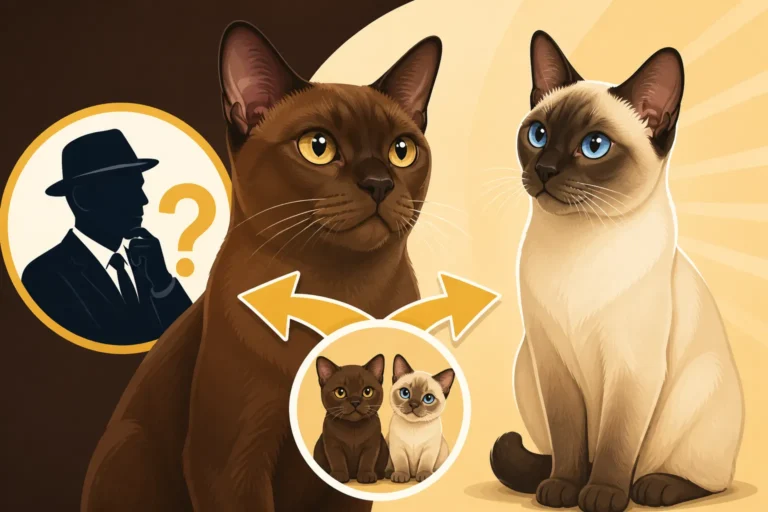
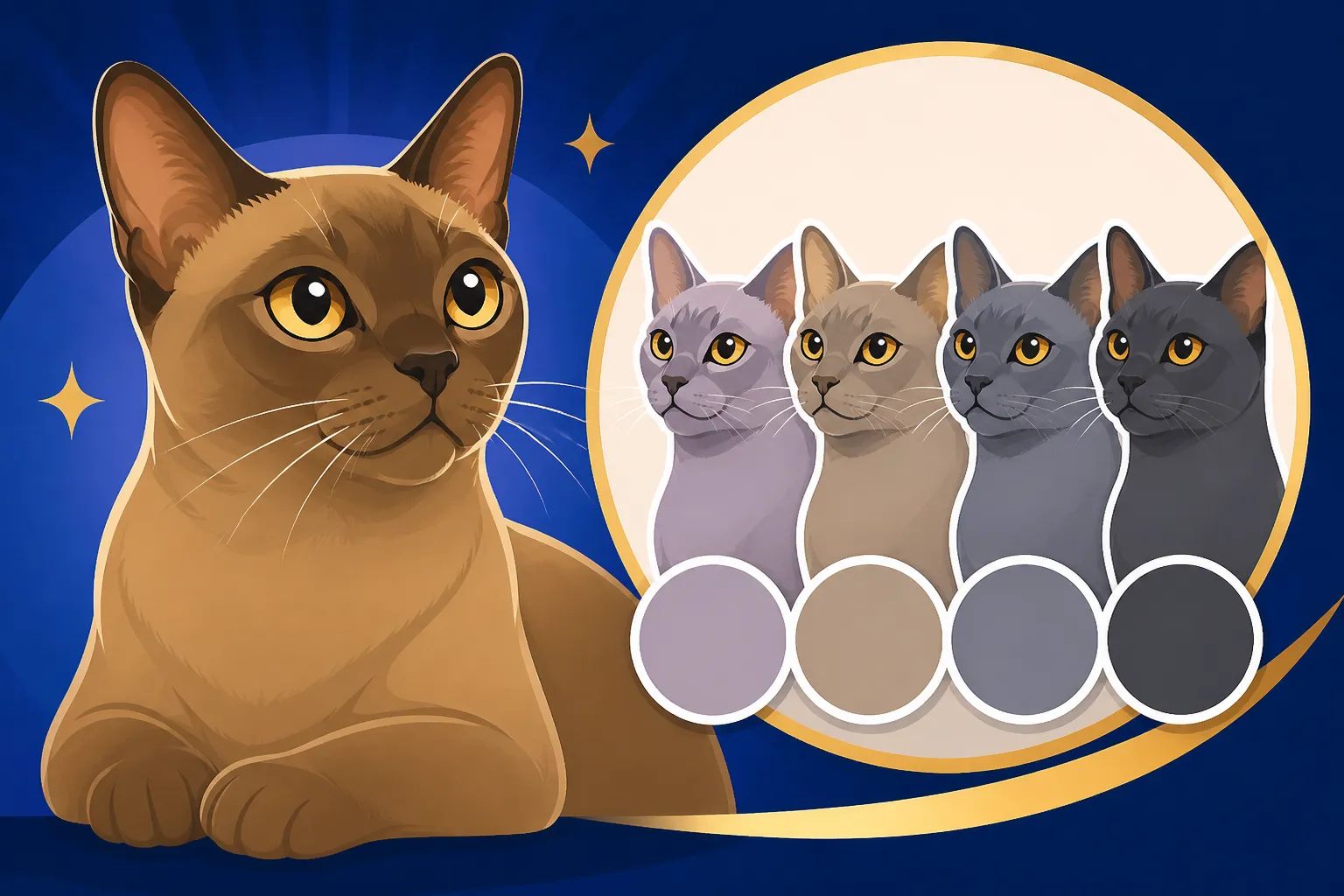
When Dr. Joseph Thompson brought Wong Mau, the foundational Burmese cat, to the United States in the 1930s, her distinctive deep brown coat set the stage. Through careful breeding, primarily with Siamese cats initially, a specific genetic pattern was identified and celebrated. This led to the establishment of the American Burmese breed standard, which traditionally recognizes only four exquisite, solid-like colors. These are Sable (a rich, warm brown), Champagne (a lighter, warmer chocolate tone), Blue (a lovely slate grey), and Platinum (a pale, delicate lilac-grey). These colors are renowned for their depth and the way they showcase the Burmese's unique satin texture. They are the bedrock of the breed in the U.S., cherished for their classic appeal and the way they were carefully developed and maintained over generations. If you talk to an American breeder, these are the shades they'll refer to, and they represent a specific genetic lineage that has been meticulously preserved.
The European Expansion: Beyond the Basics
Across the Atlantic, particularly in the UK and Australia, the Burmese developed with a slightly different vision. While they certainly embraced the core colors – often calling Sable "Brown," Champagne "Chocolate," Blue "Blue," and Platinum "Lilac" – they also chose to expand the recognized palette. This wasn't a sudden, haphazard decision, but rather a deliberate choice to include other naturally occurring color genes that were present in the breed's ancestry, or introduced through careful and controlled outcrossing to maintain genetic diversity. The result is a much richer tapestry of colors that cat fanciers in Europe can choose from, including reds, creams, and the enchanting tortoiseshell patterns. This divergence reflects a philosophical difference in how the breed standards evolved, with European breeders valuing a broader genetic expression within the distinctive Burmese type. It means more options for prospective owners, but also a deeper dive into understanding the genetics at play.
The Classic European Burmese Colors: Familiar Shades with Different Names
Before we dive into the truly unique European additions, let's clarify the colors that both standards share, albeit sometimes with different names. These are the core four that define the Burmese look worldwide, each with its own captivating charm. Understanding these shared foundations makes it easier to appreciate where the European standard broadens its horizons.
Brown (Sable): The Original Icon
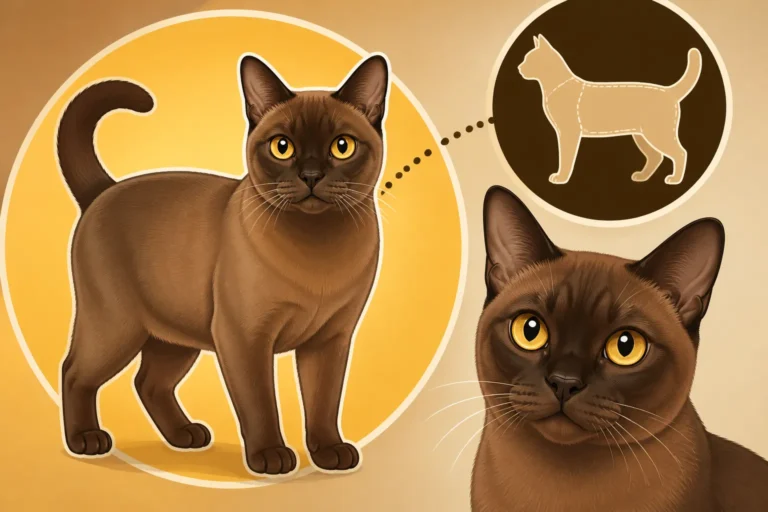
Ah, Brown! What American fanciers call Sable, Europeans call Brown. This is the quintessential Burmese color, the one that started it all with Wong Mau. It's a deep, rich, warm brown that glistens like polished mahogany. The color is slightly darker at the points (ears, face, paws, tail) due to the temperature-sensitive Burmese gene, which gives it a beautiful, subtle shading rather than a stark contrast. The brown coat feels incredibly soft, like satin, and truly showcases the breed's sleek, muscular physique. When a brown Burmese catches the light, you'll see those reddish undertones really pop, making it a truly luxurious color. This color is a testament to the original vision for the breed, embodying its natural elegance and charm, and it remains incredibly popular on both continents for good reason. What a Sable Burmese Looks Like provides a great visual to understand this classic hue.
Blue: A Cool, Understated Elegance
The European Blue Burmese is what American fanciers also call Blue. This color is simply stunning, a soft, medium grey with definite blue undertones. It’s not a stark charcoal, but a rather ethereal, dove-grey that looks incredibly sophisticated. Like the Brown, the Blue also exhibits point restriction, meaning the ears, nose leather, paw pads, and tail will be a slightly deeper shade of blue than the body. This creates a gentle, seamless gradient across their body. A well-conditioned blue Burmese will shimmer in the light, appearing almost silver in certain angles. This cool tone truly highlights the warmth of their golden eyes, creating a captivating contrast. It's a testament to the breed's ability to carry both warm and cool shades with equal grace.
Chocolate (Champagne): Rich and Warm
Known as Champagne in the American standard, the European Burmese counterpart is called Chocolate. This warm, milky chocolate shade is absolutely delightful. It's lighter and warmer than the brown, often described as a warm, reddish-brown or a light caramel. The points are a slightly deeper chocolate, creating that characteristic Burmese shading. Imagine a delicious milk chocolate bar, and you're pretty close to the color of a Chocolate Burmese. This lighter pigment can sometimes make their golden eyes appear even more striking against their coat. It's a less intense color than the Brown, offering a softer aesthetic while still radiating warmth and sophistication. For those who love a lighter brown without the red of the sable, the chocolate is a perfect choice, embodying a gentle elegance. You can explore What a Champagne Burmese Looks Like for more details on this particular shade.
Lilac (Platinum): The Delicate Pearl
And finally, the European Lilac Burmese is known as Platinum in the American standard. This is arguably the most delicate and ethereal of the four core colors. It's a pale, frosty grey with a distinct pinkish or purplish cast, often described as a "pinky mushroom" shade. The points are a slightly deeper lilac, maintaining that subtle shading that is characteristic of the breed. Lilac Burmese have a truly unique and delicate appearance, almost glowing with an inner luminescence. Their coat has an exquisite, powdery softness that is truly captivating. This is a color that needs to be seen in person to truly appreciate its subtle beauty, as photos often don't capture its full nuance. For those who adore pastel shades and unique aesthetics, the lilac is an absolute dream.
The Vibrant Additions: Red and Cream Burmese
Now we enter the realm of colors truly unique to the European Burmese standard. These vibrant hues add a whole new dimension to the breed's appearance, showcasing genetic traits that were either selectively bred for or preserved in the European lines. These aren't just subtle shifts; they're entirely new expressions of color.
The Fiery Red Burmese: A Bold Statement
Imagine the classic Burmese temperament – playful, affectionate, endlessly engaging – wrapped in a coat of brilliant, fiery red. That's the European Red Burmese. This isn't an orange tabby or a ginger cat; it's a true, clear red that carries the same satin texture and point restriction as the other Burmese colors. The red can range from a warm, rich apricot to a deep, vibrant tangerine. Like the other colors, the points will be a slightly deeper shade of red. This color is incredibly striking, especially when combined with the Burmese's muscular build and expressive golden eyes. The red gene is notoriously tricky in cats, often leading to ghost tabby markings, but in a well-bred Red Burmese, the goal is a clear, unpatterned coat that allows the pure red to shine through. These cats are truly eye-catching and bring a burst of warmth and vivacity to the breed. It's a testament to the diversity that European breeders have embraced, offering something truly distinctive.
The Soft Cream Burmese: Sunshine in Feline Form
If the Red Burmese is a burst of sunset, the Cream Burmese is the gentle glow of dawn. This color is a diluted version of red, resulting in a soft, pale, almost buttermilk hue. It's a delicate, understated color that radiates warmth and tranquility. Like the red, the Cream Burmese aims for a clear, unpatterned coat, allowing the beautiful, even cream shade to take center stage. The points are a slightly deeper cream, blending seamlessly with the body color. A Cream Burmese often looks incredibly elegant and serene, their golden eyes sparkling against their pale coat. It's a soothing color that provides a lovely contrast to the deeper hues, and its rarity can make it even more sought after. For those who appreciate subtle beauty and unique genetics, the Cream Burmese is an absolute treasure, offering a mellow yet distinctive aesthetic.
A Kaleidoscope of Color: The European Tortoiseshell Burmese
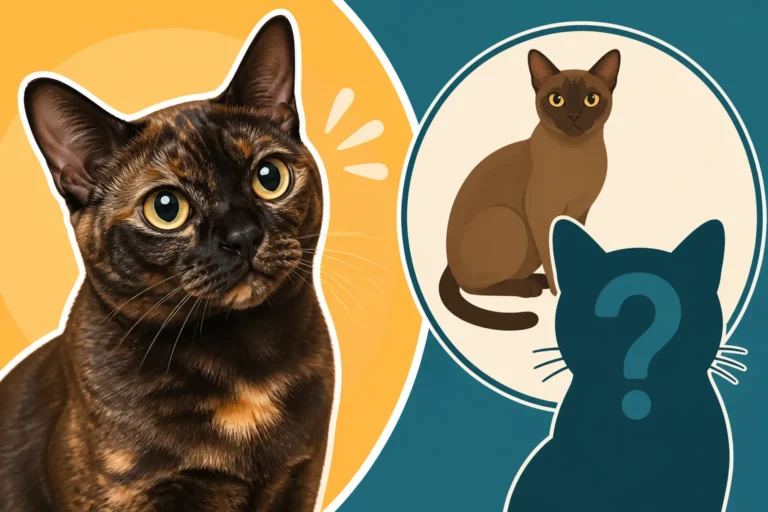
Perhaps the most fascinating additions to the European Burmese palette are the Tortoiseshells, affectionately known as 'Torties.' These cats are a mosaic of colors, featuring patches of red or cream alongside one of the standard colors. This pattern is almost exclusively seen in females, owing to the genetics of coat color. Each Tortie is truly unique, a walking work of art, and they are celebrated for their individuality and stunning appearance.
Understanding the Tortie Pattern
The tortoiseshell pattern arises when a female cat inherits two X chromosomes, each carrying a different color gene – typically one for red (or cream) and one for a non-red color like brown, blue, chocolate, or lilac. Due to a process called X-inactivation, different cells randomly 'turn off' one of the X chromosomes, leading to patches of different colors across the cat's body. In a Burmese, this means you'll see patches of red or cream intertwined with one of the four base colors. These aren't distinct, large blocks of color like you might see in some other breeds; rather, they are often smaller, well-interspersed patches that create a delicate, marbled, or dappled effect over the satin coat. It’s a truly mesmerizing pattern that adds incredible depth and complexity to the Burmese appearance. Getting a truly clear, well-defined tortoiseshell pattern in the Burmese requires careful breeding, making these cats even more special.
Brown Tortie: Classic Blend
The Brown Tortie (or Sable Tortie, using American terminology) features patches of red or cream interwoven with the deep, rich brown base color. This is one of the most common and striking tortoiseshell combinations. You'll see splashes of warm red or soft cream against the mahogany backdrop, creating a vibrant yet earthy mosaic. The red patches often have an orange or apricot hue, while the cream patches are soft and pale. The overall impression is one of warmth and depth, with the interplay of colors highlighting the silky texture of the Burmese coat. Each Brown Tortie will have a unique arrangement of these colors, from subtle speckles to more prominent splashes, making every individual a one-of-a-kind beauty.
Blue Tortie: Muted Marble
The Blue Tortie offers a more muted and sophisticated tortoiseshell pattern. Here, patches of red or cream are mixed with the soft, slate-blue base. The contrast isn't as stark as with the brown, creating a more subtle, almost pastel effect. The red patches tend to be a softer apricot or coral against the blue, and the cream patches appear delicate and frosty. This combination creates a beautiful, marbled appearance that is incredibly elegant. A Blue Tortie is like a piece of abstract art, with soft washes of color blending and contrasting across their satin coat. It’s a favorite for those who appreciate a more understated yet intricate color palette, and their rarity adds to their allure.
Chocolate Tortie: Warm Swirls
For those who love warm tones, the Chocolate Tortie is an absolute delight. This variation combines patches of red or cream with the beautiful, milky chocolate base color. The result is a harmonious blend of warm, inviting hues. The red patches might appear as rich caramel or deep apricot, complementing the chocolate perfectly, while the cream patches are light and inviting. This gives the cat a truly delectable, swirled appearance, like a fancy gourmet chocolate. The Chocolate Tortie embodies warmth and sweetness, their unique pattern making them stand out in any room. It’s a testament to how the red gene can interact with even the lighter Burmese colors to produce such captivating results.
Lilac Tortie: Pastel Perfection
The Lilac Tortie is the most delicate and rare of the tortoiseshell patterns, truly pastel perfection. Here, patches of red or cream are intertwined with the ethereal lilac base. Imagine soft pinks, pale creams, and delicate lavender shades mingling on a cat's coat. The red patches are often a soft, diluted peach or apricot, and the cream patches blend almost seamlessly with the lilac, creating an incredibly subtle and sophisticated mosaic. This combination is highly prized for its unique beauty and rarity. A Lilac Tortie often looks like it's bathed in moonlight, their soft colors creating a dreamlike quality. They are truly a sight to behold and represent the pinnacle of color diversity within the European Burmese standard.
Here's a quick comparison of the recognized colors:
| Color Name (European Standard) | Equivalent (American Standard) | Description | Unique to European Standard? |
|---|---|---|---|
| Brown | Sable | Deep, rich mahogany brown with reddish undertones. | No |
| Blue | Blue | Soft, slate grey with blue undertones. | No |
| Chocolate | Champagne | Warm, milky reddish-brown, like caramel. | No |
| Lilac | Platinum | Pale, frosty grey with pink/purple cast, delicate. | No |
| Red | (None) | Clear, vibrant apricot to tangerine red. | Yes |
| Cream | (None) | Soft, pale buttermilk or beige. | Yes |
| Brown Tortie | (None) | Brown base with red/cream patches. | Yes |
| Blue Tortie | (None) | Blue base with red/cream patches. | Yes |
| Chocolate Tortie | (None) | Chocolate base with red/cream patches. | Yes |
| Lilac Tortie | (None) | Lilac base with red/cream patches. | Yes |
The Genetics Behind the Rainbow: Why European Burmese Have More Colors
Understanding the differences in color recognition between the American and European Burmese standards really comes down to a bit of feline genetics. It's not magic, but a fascinating interplay of genes that dictate a cat's coat color and pattern. The reason the European standard is so much broader is largely due to the deliberate inclusion of certain genetic expressions that were either excluded or simply not developed in the American lines.
The Basic Burmese Color Gene (cb)
At the heart of all Burmese colors is a specific gene called the 'Burmese gene' or cb allele (C for color, b for Burmese). This gene is responsible for the unique temperature-sensitive partial albinism that gives the Burmese its distinctive "point-restricted" color. Cats with two copies of cb (cbcb) will have a solid-like body color that is slightly lighter than what their genes would normally produce, and their points (ears, face, paws, tail) will be darker. This is why a Burmese kitten is born lighter and darkens as it matures and as cooler temperatures influence its extremities. This cb gene acts as a canvas, and then other genes, like those for black, red, or dilution, paint the specific shades onto it. The gene's influence is what makes a Burmese's color so unique, giving it depth and a luminous quality that is distinct from a solid-colored cat. Where the Burmese Color Gene Sits can give you more technical insight into this fascinating aspect.
The Red Gene's Influence
The key to the Red and Cream Burmese, and indeed the Torties, lies in the presence of the 'O' (Orange) gene, commonly known as the red gene. This gene is located on the X chromosome. If a cat inherits this gene, it produces phaeomelanin, which is responsible for red and cream pigment.
In the American Burmese standard, breeders historically focused on lines that did not carry the red gene, emphasizing the four classic "non-red" colors derived from black and chocolate pigment. However, in Europe, some breeders either encountered the red gene naturally within their founding stock or deliberately introduced it through careful, limited outcrosses to other breeds (sometimes domestic shorthairs or other oriental types, then back-crossing extensively to Burmese to maintain type). These outcrosses were performed decades ago with strict lineage control to diversify the gene pool and introduce new colors without compromising the Burmese's unique physical and behavioral traits. The red gene, when expressed on the Burmese cbcb canvas, creates the beautiful Red and Cream (diluted red) Burmese. This genetic inclusion is the fundamental difference that opened the door to the expanded European palette, offering a much wider array of colors while still maintaining the distinctive Burmese type.
How Torties Get Their Patches
The magic of the tortoiseshell pattern, as mentioned, is almost exclusively tied to female cats because it involves the X chromosome. A female cat has two X chromosomes (XX), while a male has one X and one Y (XY). If a female cat inherits one X chromosome carrying the red gene (O) and another X chromosome carrying a non-red gene (o) – let's say, for example, the gene for black pigment – then she will express both colors. This happens through random X-inactivation, where one of the X chromosomes is randomly "turned off" in each cell during early embryonic development.
So, a Brown Tortie, for instance, has one X chromosome with the red gene and another with the black (which results in brown on the Burmese cbcb canvas). A Blue Tortie has red on one X and dilute black (blue) on the other. This genetic lottery results in the unique mosaic of red or cream alongside one of the other Burmese colors. Male cats, having only one X chromosome, can only express red OR non-red, unless they have a very rare genetic anomaly (XXY), which is extremely uncommon. This intricate genetic dance is why Torties are such treasured and beautiful examples of feline diversity within the European Burmese lines.
Living with a European Burmese: More Than Just a Pretty Coat
Regardless of whether your Burmese is a classic Sable or a stunning Lilac Tortie, their color doesn't change their core identity. A European Burmese, with its wider array of coat colors, still embodies all the wonderful traits that make the breed so beloved. They are still the "Velcro cat," intensely social, playful, and incredibly affectionate. What these expanded colors do is offer you more choice in finding a companion that not only melts your heart with their personality but also delights your eyes with their unique beauty.
Maintaining Coat Health Across All Colors
No matter the color, that famous Burmese satin coat is a defining feature and deserves proper care. All Burmese coats are short, fine, and lie close to the body, feeling incredibly smooth and dense. This means they shed minimally and don't require extensive grooming. However, maintaining that lustrous shine and healthy skin is paramount, especially if you want your cat's beautiful colors to really pop. A good diet is key – one that's rich in animal protein and healthy fats, with a low carbohydrate content. You can find a fantastic selection of high-protein, low-carb wet foods on sites like Chewy that are perfect for maintaining their ideal weight and thus, their coat health. Regular gentle brushing or, my personal favorite, a rub-down with a chamois cloth once a week, helps distribute natural oils and remove any loose hairs, enhancing that famous satin gleam. Why a Chamois Beats a Comb on a Burmese explains this perfectly. Ensuring they have a warm place to sleep, such as a cozy bed from Chewy, also helps prevent their coat from dulling due to being consistently cold.
Embracing the Full Personality
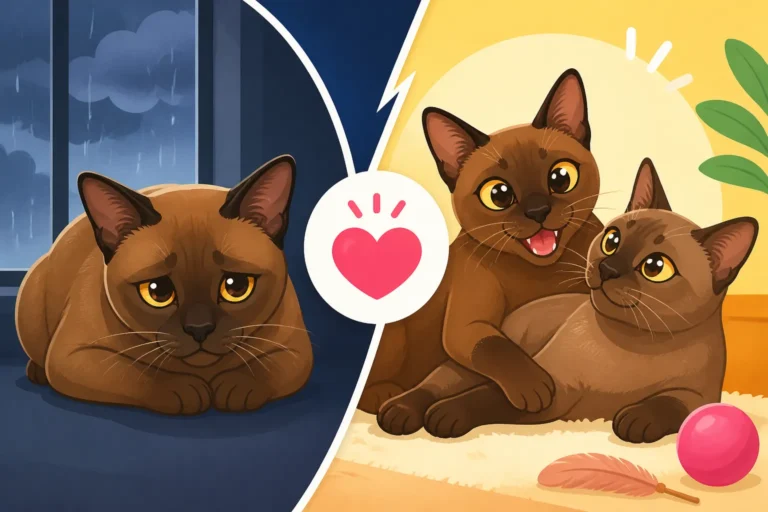
Whether you choose a classic Brown, a striking Red, or a beautiful Blue Tortie, remember that the most captivating aspect of any Burmese is their incredible personality. These cats are known for their dog-like devotion, their endless curiosity, and their vocal, yet gentle, "rasp." They thrive on companionship and are not cats that do well when left alone for long stretches. Many European Burmese breeders, much like their American counterparts, will emphasize the importance of getting a pair of kittens or ensuring there's always someone home, because their social needs are paramount. A Burmese is still playing at fifteen and will follow you from room to room, demanding cuddles and engaging in interactive play. Their color is just the icing on a truly wonderful cake; the real joy comes from sharing your life with these intelligent, affectionate, and utterly captivating feline friends. Why a Burmese Cannot Be Left Alone All Day is a crucial read for any potential owner.
Disclaimer
This article is for general informational purposes only and does not constitute professional advice. Laws, prices and regulations vary by location and change over time. Consult a qualified professional for guidance on your specific situation.