What Flat Chested Kitten Syndrome Does to a Burmese
It's absolutely heartbreaking to watch a tiny, fragile kitten struggle to breathe, their little chest seemingly collapsing inward or flattening out. This terrifying scenario is often the first sign of Flat Chested Kitten Syndrome (FCKS), a condition that can strike Burmese litters and leave owners feeling helpless and desperate. This comprehensive guide is here to unravel the complexities of FCKS, offering a deep dive into what causes it, how it affects these precious felines, and the critical steps you can take to provide the best possible care.
Understanding Flat Chested Kitten Syndrome
Flat Chested Kitten Syndrome (FCKS) is one of those conditions that can send a shiver down the spine of any cat breeder or owner, especially within the Burmese community. It's a developmental anomaly that primarily affects the chest cavity of newborn kittens, manifesting as a noticeable flattening or distortion of the rib cage. This isn't just a cosmetic issue; it significantly impacts the kitten's ability to breathe and thrive, often appearing within the first few days or weeks of life.
What FCKS Actually Is
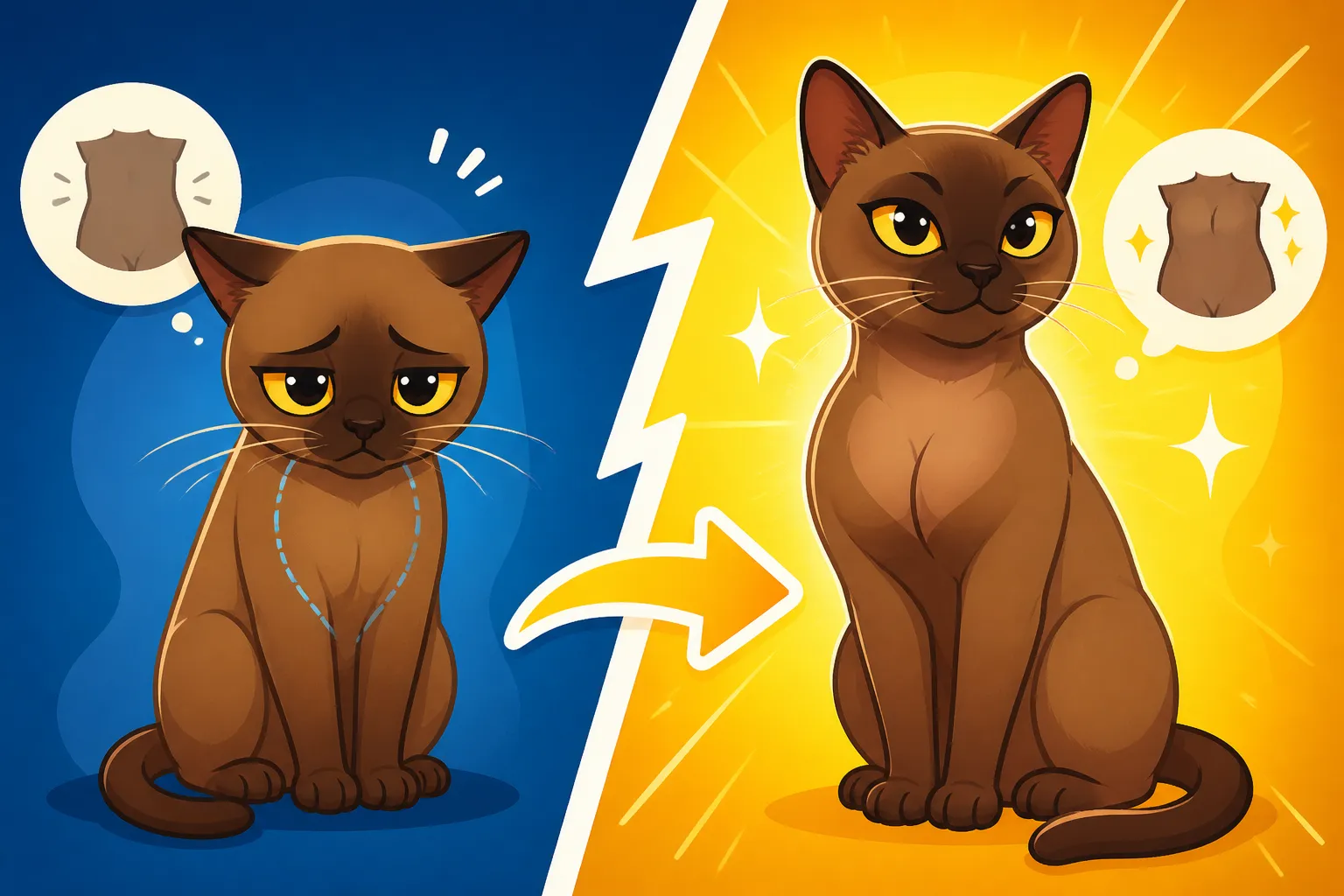
At its core, FCKS describes a condition where the normal curvature of a kitten's rib cage is altered, leading to a chest that appears compressed, flattened, or even concave in severe cases. This can range from a subtle flattening that might go unnoticed by an untrained eye to a dramatic, severe compression that leaves the kitten gasping for air. While often referred to broadly, it's important to understand there are variations. Sometimes, the flattening is more across the sternum, making the chest appear wide but shallow. Other times, it's a more inward collapse, known as pectus excavatum, which can put direct pressure on the heart and lungs.
The underlying cause isn't always clear-cut, which is one of the most frustrating aspects for breeders and vets alike. It's thought to be a multifactorial issue, meaning several factors likely contribute. These can include genetics, environmental influences, nutritional deficiencies in the queen, or even rapid growth spurts in utero or immediately after birth that put unusual pressure on the developing chest. Regardless of the exact mechanism, the result is a chest cavity that simply doesn't have enough room for the lungs to fully inflate or for the heart to beat unhindered. This structural compromise is what leads to the profound health challenges associated with FCKS.
Why Burmese Kittens Are Susceptible
While FCKS can occur in any breed, there does seem to be a higher incidence reported in certain lines and breeds, and unfortunately, the Burmese often finds itself on this list. This increased susceptibility points towards a potential genetic predisposition within the breed, though the specific genes or hereditary patterns haven't been definitively identified. It's not as clear-cut as some other genetic conditions where a simple DNA test can tell you if a cat is a carrier, which adds to the difficulty in breeding programs.
Some theories suggest that the compact, muscular build of the Burmese, which is part of their charming "brick wrapped in silk" appeal, might also play a role in their predisposition. Rapid growth in a confined space like the womb, or even post-birth, could potentially exacerbate any underlying structural weakness. Anecdotally, breeders have observed that larger litters might have a higher incidence, possibly due to crowding. This isn't to say every Burmese litter will have FCKS, or that every kitten born with it is doomed, but it does mean that conscientious Burmese breeders and owners need to be particularly vigilant, checking every kitten's chest from birth. Checking a kitten's chest at birth is a vital step in early detection, offering the best chance for intervention.
Early Signs and How It Presents
The signs of FCKS can appear remarkably quickly, often within the first 24-72 hours after birth, but sometimes up to a few weeks. The most obvious sign, of course, is the visual deformity of the chest. Instead of a nicely rounded, pliable rib cage, you might notice a distinct flattening or indentation when looking down at the kitten from above, or when feeling its sides. Sometimes, the flattening is more pronounced on one side than the other, giving the kitten an asymmetrical appearance.
Beyond the visible changes, the kitten's breathing will likely be affected. You might observe shallow, rapid breaths, or a noticeable effort in breathing, sometimes accompanied by a grunting sound or flared nostrils. Kittens with FCKS may struggle to nurse effectively because breathing becomes such an immense effort. They might tire quickly, fall off the nipple, and consequently fail to gain weight at the same rate as their littermates. This struggle to thrive is a critical red flag. A kitten that is consistently smaller, less energetic, and having trouble feeding should immediately raise concerns, prompting a thorough examination by a vet, especially checking for anything abnormal with the rib cage. This early recognition is paramount for any chance of successful intervention and recovery.
The Impact of FCKS on a Burmese Kitten's Health
When a tiny kitten is born with Flat Chested Kitten Syndrome, it's not just a physical abnormality; it's a cascade of potential health challenges that can severely compromise their ability to survive and thrive. The structural defect in the rib cage has direct and indirect consequences on vital internal organs, making every breath a struggle and every feeding a challenge.
Respiratory Challenges and Breathing Difficulties
The most immediate and critical impact of FCKS is on the kitten's respiratory system. Imagine trying to breathe deeply when your chest can't fully expand – that's essentially what these kittens face. The flattened or collapsed rib cage restricts the lungs, preventing them from inflating properly. This leads to shallow, rapid breathing, which is inefficient and incredibly tiring for a newborn. You might notice them using their abdominal muscles much more than usual to breathe, or their flanks moving vigorously. This increased effort can be exhausting, diverting precious energy away from growth and development.
In severe cases, the pressure on the lungs can lead to a condition called atelectasis, where parts of the lung collapse. This further reduces the amount of oxygen the kitten can take in, potentially leading to hypoxemia – a dangerously low level of oxygen in the blood. Kittens suffering from significant respiratory distress might develop a bluish tint to their gums or tongue, a clear emergency sign. They may also be more susceptible to secondary respiratory infections because their lungs are already compromised. It's a vicious cycle where poor lung function leads to fatigue, which impacts feeding, which then weakens their immune system, making them even more vulnerable.
Developmental Issues Beyond the Chest
While the chest deformity is the most visible aspect of FCKS, its impact isn't confined solely to respiration. The continuous pressure on the chest cavity can also affect the heart. In some cases, the heart might be physically compressed or displaced, leading to murmurs or other cardiovascular abnormalities. While some of these might resolve as the chest wall remodels, persistent pressure can lead to long-term cardiac issues. Additionally, kittens struggling with breathing and poor oxygenation are less likely to receive adequate nutrition and grow at a normal rate. Their bodies are expending so much energy just to breathe that there's little left for gaining weight and developing properly.
This can manifest as stunted growth, general weakness, and a failure to thrive compared to their healthy littermates. They might seem listless, less active, and generally delayed in reaching developmental milestones such as opening their eyes fully or beginning to walk steadily. For any kitten, but especially a Burmese kitten that needs an early vet check, a thorough examination that looks beyond just the chest is crucial to catch these broader developmental impacts. This holistic view is essential for providing comprehensive care and improving their chances of a brighter future.
Long-Term Health Outlook and Complications
The long-term outlook for a Burmese kitten with FCKS varies wildly depending on the severity of the condition and the success of early intervention. Kittens with mild flattening often recover spontaneously within a few weeks, with their chest remodeling itself as they grow. However, those with moderate to severe FCKS face a much more challenging path, and sadly, many do not survive. For those that do recover, there can still be lingering effects. Some might retain a slight chest deformity, though often it's purely cosmetic and doesn't impact their quality of life.
However, complications can arise. Chronic respiratory issues, such as increased susceptibility to infections or reduced exercise tolerance, are possible if the lung capacity was significantly compromised during their critical developmental period. Cardiac issues, if present, might also persist. Owners should be prepared for potential follow-up veterinary care, including regular check-ups to monitor heart and lung function. This is where having a robust pet insurance plan, perhaps from a provider like Healthy Paws, can be incredibly beneficial, helping to cover the costs of ongoing diagnostics and treatments. Understanding the nuances of how long a Burmese lives and the specific health challenges they face can help you budget for these possibilities.
Diagnosing and Managing FCKS in Burmese Kittens
Discovering a kitten with Flat Chested Kitten Syndrome is incredibly stressful, but knowing what to do next can make all the difference. Prompt veterinary attention and a dedicated approach to management are key to giving these little fighters the best chance.
Veterinary Diagnosis: What to Expect
The moment you suspect FCKS, contact your veterinarian immediately. Time is of the essence. Your vet will conduct a thorough physical examination, carefully palpating the kitten's chest to assess the degree of flattening or indentation. They'll also listen to the heart and lungs, looking for any murmurs, crackles, or signs of respiratory distress. A crucial part of the diagnosis often involves radiography (X-rays) of the chest. This allows the vet to visualize the skeletal structure of the rib cage, assess the severity of the deformity, and check for any impact on the heart and lungs. They can see if the lungs are properly inflated and if the heart is displaced.
In some cases, especially if cardiac issues are suspected, an ultrasound (echocardiogram) might be recommended to get a detailed look at the heart's structure and function. Blood tests might also be performed to check for any underlying infections or other health issues contributing to the kitten's weakness. Don't be afraid to ask for a detailed explanation of the findings. A good vet will walk you through the radiographs and explain exactly what they're seeing and what it means for your kitten's prognosis. This initial diagnostic phase is critical for formulating an appropriate treatment plan.
Supportive Care at Home and in the Clinic
Managing FCKS is primarily about providing intensive supportive care, focusing on oxygenation, nutrition, and environmental factors. For kittens struggling to breathe, supplemental oxygen might be necessary, especially in the initial stages. This could involve an oxygen cage at the vet clinic or even a homemade oxygen tent if advised by your vet. Maintaining a consistent, warm environment is also vital, as these fragile kittens struggle to regulate their body temperature. An incubator or a heating pad set on low (with extreme caution to prevent burns) can help.
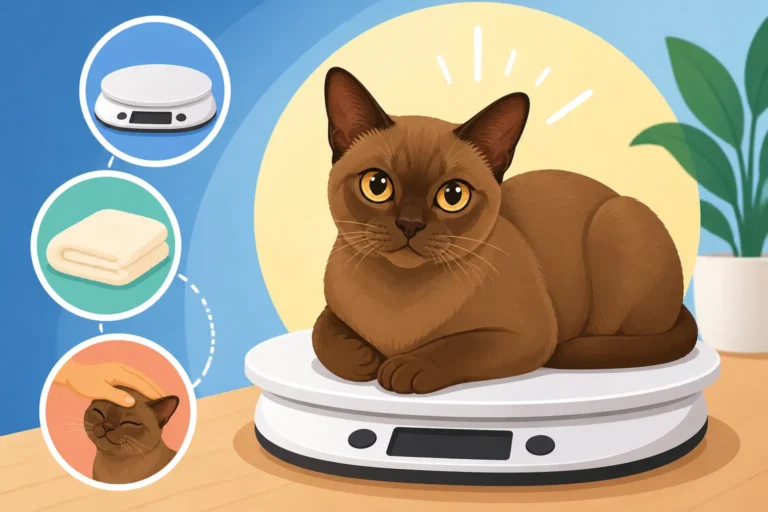
Feeding is another major hurdle. If the kitten is too weak to nurse from the queen, or if breathing difficulties make suckling impossible, hand-feeding via a syringe or even a feeding tube might be necessary. This ensures they receive vital nutrients and calories to grow and gain strength. Regular weighing – multiple times a day – is crucial to monitor their progress and adjust feeding amounts. If you've got an insurance policy from a company like Healthy Paws, it's worth checking what coverage you have for critical care and specialized equipment, as these interventions can add up.
Nutritional Support and Feeding Strategies
Adequate nutrition is paramount for kittens battling FCKS. Not only do they need calories for growth, but they also need the energy to fuel their increased breathing effort and to help their bodies recover and remodel. For kittens unable to nurse from their mother, high-quality kitten milk replacer is essential. It's critical to feed slowly and carefully to avoid aspiration, where milk accidentally enters the lungs, further complicating respiratory issues. Small, frequent feedings are often better than larger, less frequent ones, as they are less tiring for the kitten.
Your vet will advise on the exact formula and feeding schedule, often based on the kitten's weight. Tracking every gram they consume and monitoring their weight daily is non-negotiable. Some kittens might benefit from a feeding tube, especially if their breathing is very labored, as it allows for direct delivery of milk into the stomach without the effort of suckling. This can be intimidating, but your vet can teach you how to do it safely at home. Remember, every calorie counts towards helping them gain strength and push towards recovery.
Prognosis and Recovery for Burmese Kittens with FCKS
The journey of a Burmese kitten with Flat Chested Kitten Syndrome is often fraught with uncertainty, balancing hope with the stark realities of a challenging condition. Understanding the factors that influence recovery and what life might look like afterward is crucial for owners.
Factors Influencing Recovery Rates
The prognosis for a kitten with FCKS is highly variable, depending on several key factors. Severity is paramount: kittens with mild flattening and minimal respiratory distress have a significantly better chance of recovery than those with severe, inward collapse of the chest (pectus excavatum) or profound breathing difficulties. Early detection and intervention also play a critical role. The sooner the condition is identified and supportive care begins, the better the outcome. Kittens that receive consistent warmth, oxygen support, and diligent hand-feeding from the outset are more likely to pull through.
Another factor is the kitten's overall health and vitality. Stronger kittens, born without other congenital defects, tend to fare better. The queen's care also impacts recovery; a dedicated mother who continues to clean and stimulate her kitten, even if it's struggling, contributes positively. Unfortunately, some kittens, despite the most heroic efforts, simply can't overcome the physical challenges posed by the syndrome. For them, the kindest decision may be humane euthanasia to prevent prolonged suffering, a devastating choice no owner ever wants to make.
Monitoring Progress and Identifying Setbacks
If your Burmese kitten is recovering from FCKS, vigilant monitoring at home is absolutely essential. You'll need to continue to weigh the kitten daily, sometimes multiple times a day, to ensure consistent weight gain. Any drop in weight or failure to gain is a serious red flag. Observe their breathing constantly: is it less labored? Are they still using their abdominal muscles excessively? Are their gums a healthy pink color? Changes in breathing rate or effort, or any bluish tinge, warrant immediate veterinary attention.
Also, pay close attention to their activity levels and appetite. A recovering kitten should gradually become more active, more interested in playing (if age-appropriate), and more eager to feed. Conversely, lethargy, decreased appetite, persistent crying, or a return of severe breathing issues are signs of a setback and mean it’s time for another vet visit. Regular follow-up appointments with your veterinarian will be crucial to track internal organ health and ensure the chest is remodeling as expected. This diligent monitoring, along with excellent veterinary care, contributes significantly to whether a flat chested Burmese kitten recovers.
Life After FCKS: What to Expect for Recovered Kittens
For those fortunate Burmese kittens that navigate the challenges of FCKS and make a full recovery, their long-term prospects are generally very good. Many will go on to live completely normal, healthy lives, often with no residual effects. Their chest wall typically remodels over the first few months, becoming almost indistinguishable from a kitten that never had the condition. You might feel a slight abnormality if you know what you're looking for, but it usually doesn't impact their quality of life.
However, some kittens might retain a slight cosmetic deformity of the chest. More rarely, if there was significant initial lung or heart compression, there could be subtle long-term impacts on respiratory efficiency or cardiac function. This is why regular veterinary check-ups are important, especially in their first year. If your kitten required extensive care, it's a good idea to continue monitoring their general health, weight, and energy levels. While they might still be prone to certain Burmese health issues like diabetes if not properly managed, FCKS itself is typically a hurdle overcome in kittenhood. For owners who were able to provide the intensive care needed, the bond formed with these resilient little survivors is often incredibly strong.
Breeding Considerations and Prevention Strategies
The heartbreaking reality of Flat Chested Kitten Syndrome naturally leads breeders and prospective owners to ask about its origins and how it can be prevented. While FCKS isn't fully understood, there are certainly responsible breeding practices and preventative measures that can minimize its incidence.
Is FCKS Inherited in the Burmese
This is the million-dollar question for many Burmese breeders, and unfortunately, the answer isn't a simple yes or no. While FCKS does appear to have a higher incidence in certain breeds, including the Burmese, a clear Mendelian inheritance pattern (dominant or recessive gene) has not been definitively identified. This suggests that if there is a genetic component, it's likely complex, involving multiple genes, or that it's influenced by environmental factors that interact with a genetic predisposition. Some researchers believe it might be a polygenic trait, meaning many genes contribute, or a developmental issue triggered by a combination of genetics and environment.
The lack of a specific gene test makes prevention challenging. Unlike diseases like Hypokalemia, where a DNA test can definitively identify carriers, breeders cannot test for FCKS. This means breeders must rely on careful record-keeping, observation, and selecting breeding pairs from lines with no history of FCKS. It's a frustrating situation because even responsible breeders can unexpectedly encounter the syndrome in a litter. Understanding the genetics of the breed, including conditions like The Burmese Has the Highest Diabetes Rate of Any Cat Breed or Burmese Head Defect Is Lethal and Recessive, highlights the importance of genetic awareness, even when a specific test isn't available for every condition.
Breeder Responsibilities and Screening
For responsible Burmese breeders, preventing FCKS involves a multi-pronged approach based on what we currently understand. The first and most critical step is meticulous record-keeping. Breeders should track the occurrence of FCKS in their lines, including which queens and studs have produced affected kittens, and the severity of the condition. If a particular pairing consistently produces flat-chested kittens, that pairing should ideally not be repeated. If a cat produces multiple affected litters, they should be removed from the breeding program.
While there's no genetic test, breeders should still perform a full Which Tests Belong on a Burmese DNA Panel for other known breed-specific issues. Additionally, breeders need to ensure their queens are in peak health before breeding, receiving excellent nutrition, and minimizing stress. Providing optimal prenatal and postnatal care, including closely monitoring the queen's health and the kittens' development from birth, is paramount. This includes immediately checking the chest of every kitten, as discussed in "Why a Burmese Kitten's Chest Should Be Checked at Birth", and maintaining records of their growth and development, tying back to the need to know "How Many Kittens a Burmese Queen Has". Transparency with prospective kitten buyers about any history of FCKS in their lines, even without a clear genetic link, is also a hallmark of an ethical breeder.
Minimizing Risk in a Litter
Even if you're working with a seemingly healthy breeding line, there are steps that can be taken to minimize the risk of FCKS appearing in a litter. Providing a stress-free environment for the pregnant queen is important, as stress can potentially impact fetal development. Ensuring she receives a high-quality, balanced diet specifically formulated for pregnant and lactating queens is non-negotiable. Proper nutrition supports the development of healthy kittens.
Once the kittens are born, diligent monitoring is key. Ensure the birthing box is warm and comfortable, allowing the kittens space to move without being overly crowded. Observe the queen's mothering skills – is she cleaning and stimulating all her kittens effectively? Sometimes, a queen might inadvertently lie on a kitten in a way that puts pressure on its chest. Gentle intervention, such as repositioning a kitten, might be necessary if you observe this. Regular, gentle handling of the kittens from birth allows for early detection of any anomalies, not just FCKS but also conditions like What Flat Chested Kitten Syndrome Does to a Burmese or other subtle signs of illness. Every healthy kitten starts with an informed and attentive breeder or owner.
Navigating the Emotional Toll of FCKS
Experiencing Flat Chested Kitten Syndrome in a litter is an incredibly emotional journey, whether you're a breeder, a rescuer, or a new owner. The vulnerability of these tiny creatures, coupled with the uncertainty of their prognosis, can lead to immense stress, grief, and sometimes, profound joy if they recover.
The Breeder's Heartbreak and Responsibility
For breeders, FCKS isn't just a clinical problem; it's a personal heartache. Breeders dedicate their lives to producing healthy, well-adjusted kittens, and the appearance of FCKS can feel like a profound failure, even when it's largely out of their control. The emotional toll of hand-feeding around the clock, witnessing a tiny life struggle, and often having to make the agonizing decision for humane euthanasia is immense. It's a heavy responsibility to care for these fragile lives and to try to understand why it happened. Many breeders become consumed with reviewing their practices, pedigrees, and environmental factors in an effort to prevent future occurrences, which is an important aspect of What a Burmese Breeder Must Test Before Any Mating.
Beyond the immediate kitten, breeders also grapple with the implications for their breeding program. Do they continue to breed the parents? Is there a genetic link they're missing? This internal conflict, combined with the financial strain of veterinary care for affected kittens and the potential loss of income from a litter, makes FCKS a deeply challenging experience. It’s also a time when breeders often rely on the support of their veterinary team and other experienced breeders in their community who understand these unique pressures.
Supporting a Struggling Kitten and Your Own Well-being
Caring for a kitten with FCKS requires an extraordinary amount of dedication, patience, and emotional resilience. The round-the-clock feedings, the constant monitoring of breathing, and the sheer helplessness you can feel when a kitten isn't improving can be exhausting. It's easy to neglect your own needs when you're pouring all your energy into saving a tiny life. Remember that it's okay to feel overwhelmed, frustrated, and sad. It's a perfectly normal human reaction to such a fragile situation.
Lean on your support system—friends, family, or online communities of Burmese enthusiasts who understand. Don't be afraid to ask for help, whether it's someone to cover a feeding shift or just a shoulder to cry on. Also, remember to take breaks when you can, even if it's just a few minutes away from the kitten. Recharging your own batteries is crucial for maintaining the stamina needed for intensive care. And consider the financial realities; the cost of prolonged critical care can be significant, so understanding whether a Burmese policy is worth it once diabetes is excluded, or if it covers other serious conditions, is vital. This is where researching pet insurance options like Healthy Paws, even before a kitten is born, can offer peace of mind when facing unexpected health crises.
The Bittersweet Joy of Recovery
For those kittens who defy the odds and make a full recovery from FCKS, the joy is profound and deeply rewarding. The moment you see a kitten finally breathing easily, gaining weight steadily, and starting to play with the enthusiasm of a healthy kitten, is truly miraculous. It's a testament to their resilience and your unwavering dedication. This bittersweet joy, however, often comes with a heightened sense of vigilance. Even long after the chest has remodeled, many owners of FCKS survivors find themselves more attuned to their cat's breathing, forever grateful for the life that almost wasn't.
These recovered kittens often develop an incredibly strong bond with their caregivers, almost as if they remember the intense care they received. They grow into affectionate, playful adults, a testament to the strength and spirit of the Burmese breed. When considering the How Many Years a Well Bred Burmese Lives, knowing that an FCKS survivor can have a full and healthy lifespan is a powerful testament to the care provided. Each successful recovery story reinforces the importance of early intervention and dedicated care, proving that sometimes, even the tiniest fighters can win their biggest battles.
Disclaimer
This article is intended for informational purposes only and does not constitute veterinary advice. Always consult with a qualified veterinarian for any health concerns or before making any decisions about your pet's medical care.