Whether the Burmese Gets HCM
One of the most heart-wrenching fears for any cat parent is the thought of their beloved furball suffering from a silent illness, especially something as serious as heart disease. It’s natural to wonder if your specific breed, like the affectionate Burmese, carries a predisposition to certain conditions. Today, we're diving deep into hypertrophic cardiomyopathy (HCM) to understand if this common feline heart condition is a particular concern for the beautiful Burmese, what to look out for, and how to best protect your cherished companion.
Understanding Hypertrophic Cardiomyopathy in Cats
Hypertrophic Cardiomyopathy, or HCM, is the most common heart disease in cats. It’s a condition that thickens the muscular walls of your cat’s heart, specifically the left ventricle. Think of it like a bodybuilder’s bicep – but instead of healthy muscle growth from exercise, this thickening happens abnormally and without any beneficial purpose. This abnormal thickening leads to a less efficient heart, and sadly, it can progress over time to cause serious complications.
What HCM Is and How It Affects the Heart
When the walls of the left ventricle thicken, the heart muscle becomes stiff and loses its elasticity. This means it can't relax fully between beats to fill with blood as efficiently as it should. Imagine trying to inflate a balloon that's made of incredibly thick, rigid rubber – it would be much harder to fill. Similarly, your cat's heart struggles to hold enough blood, which reduces the amount of oxygen-rich blood that can be pumped out to the rest of the body. Over time, this diminished function can lead to increased pressure in the left atrium, potentially causing blood clots or even congestive heart failure, where fluid builds up in the lungs or around the heart. It’s a progressive disease, meaning it tends to get worse over months or years, often without initial obvious symptoms.
The mechanics of HCM are quite intricate, but the core issue is the heart's inability to efficiently pump and receive blood. The thickened muscle might also obstruct the outflow of blood from the left ventricle, a condition known as Left Ventricular Outflow Tract Obstruction (LVOTO). This obstruction further stresses the heart and can contribute to sudden cardiac events. For a cat owner, understanding this basic mechanism helps to grasp why early detection and management are so critical, even if the signs aren't immediately apparent. It's a silent threat that can slowly undermine your cat's health, making routine vet checks and knowing your breed's predispositions all the more important.
Common Signs and Symptoms to Watch For
The cruel reality of HCM is that it often progresses without any outward signs until it's quite advanced, which is why it's frequently called a "silent killer." However, as the disease progresses, certain symptoms may start to manifest, and it's vital for Burmese owners to be vigilant. One of the earliest signs, if any, might be a subtle decrease in activity or an increase in respiratory rate after minimal exertion. Your normally playful Burmese might tire more quickly during a game of chase, or you might notice them breathing a bit harder than usual while resting.
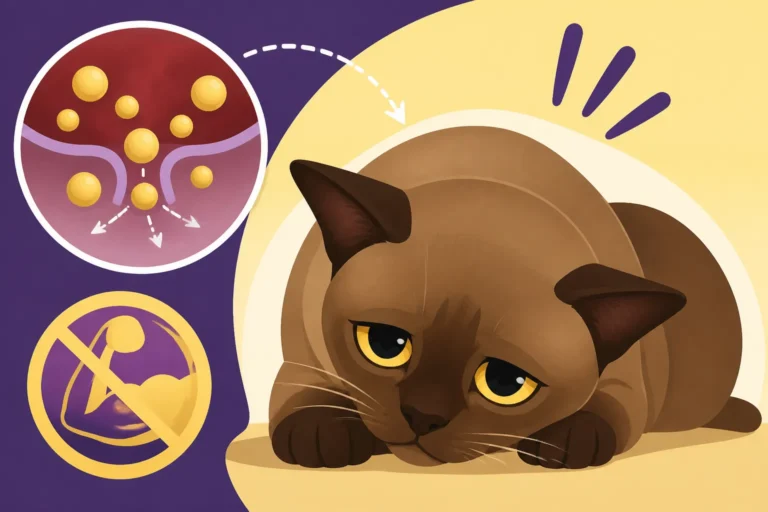
More serious signs appear when the heart's function is significantly compromised or congestive heart failure develops. These can include rapid or labored breathing (tachypnea or dyspnea), open-mouth breathing (which is always an emergency in cats!), and persistent coughing, although coughing is less common in cats with heart disease than in dogs. You might also notice lethargy, a loss of appetite, or a general reluctance to move. In severe cases, a cat might suddenly collapse, or experience acute hind limb paralysis due to a saddle thrombus – a blood clot that forms in the heart, travels down the aorta, and gets stuck where the aorta branches to supply the hind legs. This is an incredibly painful and life-threatening emergency. If you ever see signs like these, especially difficulty breathing, please seek immediate veterinary attention. These signs are a huge red flag that something is seriously wrong.
Why HCM is a Concern in Pedigree Breeds
HCM is not exclusive to pedigree cats; it can affect any cat, including mixed breeds. However, it's particularly prevalent and a significant concern within certain pedigree lines, pointing towards a genetic predisposition. Breeds like the Maine Coon, Ragdoll, and Sphynx are well-known for having a higher incidence of HCM due to identified genetic mutations. This genetic link means that certain lines within a breed can carry the gene for HCM, passing it down through generations. This is why reputable breeders are so crucial – they diligently screen their breeding cats to try and reduce the incidence of such inheritable diseases.
For breeds with a known genetic link, like the Maine Coon with its MYBPC3 mutation, DNA testing is available. Unfortunately, for many other breeds, including the Burmese, a specific genetic marker for HCM has not yet been identified, making screening more reliant on physical examinations and regular echocardiograms. This makes the job of conscientious breeders even harder, as they have to rely on careful health monitoring and pedigree analysis to make informed breeding decisions. The concern isn't just about preventing suffering; it's also about preserving the health and longevity of the breed itself.
Is the Burmese Particularly Prone to HCM?
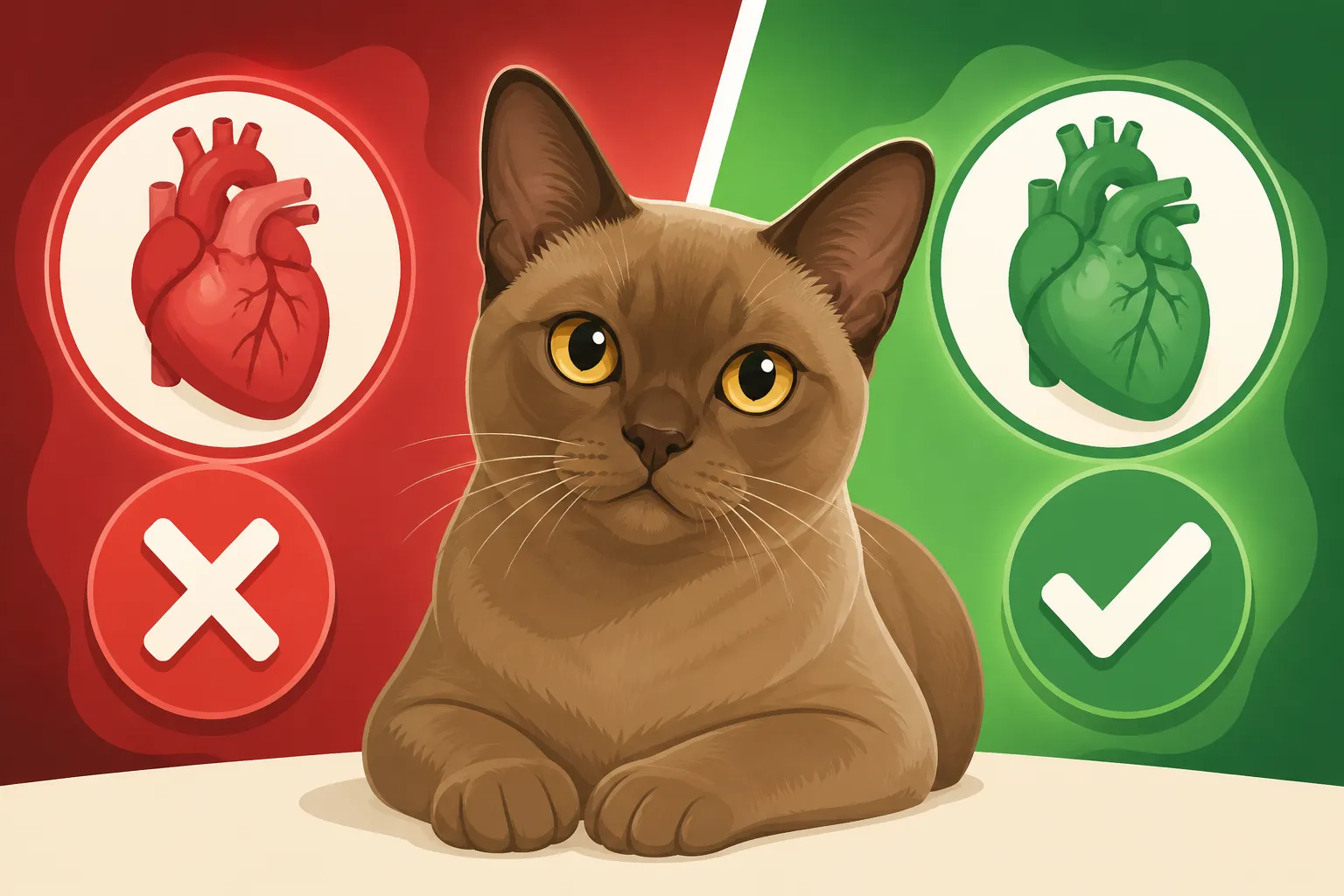
Now, let's get to the burning question: does the Burmese cat have a higher risk of HCM compared to other breeds? The good news is that the Burmese is generally not considered one of the breeds with a high genetic predisposition to HCM, unlike some of their larger, more fluffy cousins. While any cat can develop HCM, there isn't a widely recognized, breed-specific genetic mutation for HCM identified in Burmese cats that would put them in the same high-risk category as breeds like the Maine Coon or Ragdoll. This is a relief for many Burmese owners, but it certainly doesn't mean they're immune.
Prevalence and Genetic Factors in Burmese
While HCM is a general concern in the feline world, specific studies on the Burmese breed have not definitively pinpointed them as a high-risk group with a unique genetic mutation for HCM. This is important to understand because for breeds like the Maine Coon and Ragdoll, specific genetic tests can identify carriers of the known HCM mutations, allowing breeders to make informed decisions. For the Burmese, such a test doesn't currently exist, which means if HCM does appear, it's often considered sporadic or a result of complex, unidentified genetic factors, rather than a single, easily traceable gene.
This doesn't mean you should become complacent. Cases of HCM do occur in Burmese cats, just as they do in any cat breed. What it does mean is that the prevalence isn't as alarmingly high as in some other pedigrees. Instead of focusing on a specific genetic test that isn't available, the emphasis for Burmese owners shifts to general good health practices, regular veterinary check-ups, and being aware of the clinical signs. Responsible breeders, even without a specific genetic test, will still monitor their lines for any history of heart issues, understanding that even complex genetic predispositions or environmental factors can play a role. It’s a nuanced situation – lower risk than some, but not zero risk.
Comparing American and European Burmese Lines
It's a fascinating fact that there are distinct differences between the American and European Burmese lines, not just in appearance but sometimes in health predispositions as well. For example, the European Burmese tends to have a more slender build and a wedge-shaped head, while the American Burmese is often stockier with a rounder head. When it comes to HCM, there is no strong evidence to suggest a significant difference in prevalence between the American and European Burmese types. Both types are generally considered to have a lower risk for HCM compared to certain other breeds.
However, each geographical line might have its own unique health challenges, or a different emphasis on genetic screening depending on regional breeding practices and the diseases that have emerged in their specific populations. For example, some studies have hinted at certain health conditions being more prevalent in Australian and European Burmese lines, though this often pertains to conditions like diabetes or hypokalemia, rather than HCM. Regardless of whether your Burmese hails from American or European lines, the advice remains largely the same: choose a breeder who is transparent about their cats' health history and conducts appropriate health screenings. This might involve discussing the history of heart health in a cat's lineage, especially concerning conditions like HCM, which can manifest later in life.
The Importance of Responsible Breeding and Screening
Since there isn't a specific genetic test for HCM in Burmese cats, responsible breeding practices become even more paramount. A truly dedicated Burmese breeder will go above and beyond to ensure the health of their kittens. This means carefully screening their breeding stock for any signs of heart disease, primarily through regular echocardiograms performed by a veterinary cardiologist. These screenings should be done periodically throughout a cat's breeding life, as HCM can develop at any age, sometimes not until middle age. If a breeding cat is diagnosed with HCM, a responsible breeder will immediately remove them from the breeding program to prevent passing on potential genetic predispositions.
When looking for a Burmese kitten, don't be shy about asking your breeder about their health screening protocols. Inquire about the cardiac health history of the kitten's parents and grandparents. A good breeder will be transparent and willingly provide documentation of echocardiogram results. They should also be able to discuss the overall health of their lines and any instances of HCM or other serious diseases. While a DNA test might be unavailable for HCM in Burmese cats, breeders still have a vital role in minimizing the risk through selective breeding and thorough health checks. This dedication ensures that you're getting the healthiest kitten possible and helps maintain the overall vigor of the Burmese breed.
Diagnosing HCM in Your Beloved Burmese
Discovering your cat might have a heart condition is terrifying, but getting a proper diagnosis is the first crucial step towards managing it. Because HCM can be so subtle in its early stages, it often requires more than just a routine vet check-up to identify. If you have a Burmese, or any cat, it’s worth understanding the diagnostic process so you can be an informed advocate for their health.
Initial Vet Visit and Physical Examination
Your journey to diagnose HCM usually starts with your regular veterinarian. During a routine check-up, your vet will listen to your cat’s heart with a stethoscope. The most common initial finding that raises a red flag for HCM is a heart murmur. A murmur is an abnormal sound caused by turbulent blood flow within the heart. Not all murmurs mean HCM, and not all cats with HCM have murmurs, but it's definitely a sign that warrants further investigation. Your vet might also detect a "gallop rhythm," which is an extra heart sound that can indicate underlying heart disease due to the stiffening of the heart muscle.
Beyond listening to the heart, your vet will perform a full physical examination. They’ll assess your cat's overall condition, check their breathing rate and effort, feel their pulse, and examine their mucous membranes for signs of poor circulation. They might also palpate your cat's abdomen to check for fluid accumulation, which could indicate congestive heart failure. While these initial findings are important, they are rarely definitive for HCM. They serve as indicators that further, more specialized tests are needed to get a clear picture of your Burmese's heart health. For a proactive approach, especially as your Burmese ages, regular veterinary visits where their heart is carefully assessed are paramount. This is also where an insurance policy, like one from Healthy Paws, can really make a difference, covering the diagnostic tests that might follow.
Echocardiogram: The Gold Standard
When a heart murmur or other signs suggest potential cardiac issues, the next step, and indeed the gold standard for diagnosing HCM, is an echocardiogram. This is essentially an ultrasound of the heart. It’s a non-invasive procedure where sound waves are used to create real-time images of your cat’s heart structure and function. During an echocardiogram, a veterinary cardiologist will be able to visualize the thickness of the heart muscle walls, measure the size of the heart chambers, and assess how well the heart valves are functioning. They can also see if there's any obstruction to blood flow or if fluid is accumulating around the heart.
For Burmese cats, or any cat suspected of having HCM, an echocardiogram is crucial because it provides direct evidence of the thickened left ventricular walls characteristic of the disease. It also helps to differentiate HCM from other heart conditions that might present similar symptoms. The procedure is typically performed with your cat awake and simply lying comfortably on their side, though some anxious cats might require mild sedation. It’s a specialized test, often requiring a referral to a veterinary cardiologist, and it provides the most accurate assessment of your cat's heart health. This is a critical step in both diagnosing and monitoring the progression of HCM, allowing for targeted treatment. Knowing Whether a Burmese Needs an Echo Before Breeding is also vital for responsible breeders.
Other Diagnostic Tools
While the echocardiogram is the star player in diagnosing HCM, other diagnostic tools provide supporting information and help assess the overall health of your Burmese. Chest X-rays, for example, are very useful for evaluating the lungs and checking for fluid accumulation, which is a sign of congestive heart failure. They can also give an idea of the heart's size and shape, though they can't show the detailed muscle thickening that an echo can. Blood tests are also important, particularly to rule out other conditions that might mimic heart disease symptoms or to assess kidney function, which can be affected by certain heart medications.
Additionally, blood tests can measure biomarkers like N-terminal pro-B-type natriuretic peptide (NT-proBNP). Elevated levels of this peptide can indicate cardiac stretch and stress, suggesting the presence of heart disease. While not diagnostic on its own, an NT-proBNP test can be a useful screening tool, especially in asymptomatic cats, to help determine if an echocardiogram is warranted. Electrocardiograms (ECGs) assess the electrical activity of the heart and can identify arrhythmias (irregular heartbeats) that sometimes accompany HCM. While these tests offer valuable insights, remember that they complement the echocardiogram; none of them replace its ability to visualize the heart's structure directly. They form a comprehensive picture of your cat's health, allowing for the best possible management plan. You might discuss Which Blood Panel a Burmese Should Have Yearly with your vet for comprehensive health monitoring.
Managing HCM in Burmese Cats
Receiving an HCM diagnosis for your Burmese can feel overwhelming, but it's important to remember that it's not an immediate death sentence. While HCM is a progressive disease with no cure, there are many ways to manage the condition, improve your cat's quality of life, and slow its progression. The goal of treatment is to alleviate symptoms, prevent complications, and keep your beloved companion comfortable for as long as possible.
Treatment Options and Medications
Once HCM is diagnosed, your veterinary cardiologist will develop a tailored treatment plan, often involving a combination of medications. The specific drugs used depend on the severity of the disease and the individual cat's symptoms. Common medications include beta-blockers (like atenolol), which help slow the heart rate, allow the heart to relax more fully, and reduce obstruction to blood flow. Calcium channel blockers (like diltiazem) also help the heart muscle relax and improve its ability to fill with blood.
If congestive heart failure is present, diuretics (like furosemide) will be prescribed to help remove excess fluid from the lungs or body, making it easier for your cat to breathe. ACE inhibitors (like enalapril or benazepril) can help reduce blood pressure and decrease the workload on the heart. Additionally, if there's a significant risk of blood clot formation, your vet might prescribe anti-clotting medications, such as clopidogrel. It's vital to administer all medications exactly as prescribed and to never alter the dosage without veterinary guidance. These medications help manage the symptoms and slow the progression, but they do require consistent administration, often for the remainder of your cat's life. This ongoing commitment highlights why financial planning or pet insurance from a provider like Healthy Paws can be a tremendous help.
Lifestyle Adjustments and Supportive Care
Beyond medication, several lifestyle adjustments and supportive care measures can significantly benefit a Burmese with HCM. The primary goal is to minimize stress and exertion, as these can put extra strain on the heart. While your Burmese might be known for its playful and active nature, you may need to gently encourage calmer play sessions and provide a serene home environment. Ensure your cat has plenty of comfortable, warm places to rest, as the short-coated Burmese can feel the cold. Limiting strenuous activity is important, but a completely sedentary life isn't necessary unless advised by your vet. Gentle interaction and mental enrichment are still crucial for their overall well-being.
Diet also plays a role. While there isn't a specific "heart diet" for HCM in cats, maintaining an ideal body weight is critical. Obesity puts extra strain on the heart, so ensuring your Burmese is at a healthy weight is paramount. Your vet may recommend a diet that supports overall cardiac health, focusing on appropriate protein levels and low sodium if fluid retention is an issue. Keeping an eye on their appetite and water intake is also important, as changes can indicate worsening disease or side effects from medication. Consider making their litter box easily accessible and perhaps larger, especially if they are weaker or on diuretics. These small changes contribute significantly to your cat's comfort and can help manage their condition effectively. Remember, Why Portion Control Is Medical Care in a Burmese is especially true for cats with underlying health conditions.
Prognosis and Quality of Life
The prognosis for a Burmese with HCM can vary widely depending on the severity of the disease at diagnosis, how well they respond to medication, and whether complications like congestive heart failure or blood clots develop. Some cats can live for several years with a good quality of life after diagnosis, especially if the disease is caught early and managed proactively. Others might have a more aggressive form of the disease and a shorter life expectancy. It's a progressive condition, meaning it will eventually worsen, but consistent veterinary care and diligent home management can make a significant difference.
Monitoring your Burmese at home is crucial. Pay close attention to their breathing rate (count breaths per minute while sleeping), appetite, energy levels, and any changes in behavior. Regular follow-up appointments with your cardiologist, usually involving repeat echocardiograms, will help track the disease's progression and adjust medication as needed. It's an emotional journey for owners, but focusing on providing a comfortable, loving environment and working closely with your vet team ensures your Burmese receives the best possible care. Even an old Burmese with HCM can still bring immense joy and affection, reminding you Why an Old Burmese Still Wants a Lap and cherishing every moment.
Preventative Measures and Breeder Due Diligence
While no cat breed is entirely immune to HCM, and a specific genetic test isn't available for Burmese cats, there are concrete steps you can take to minimize the risk and ensure your Burmese has the best possible start in life. Prevention really starts before your kitten even comes home, extending through their entire lifespan with conscientious care.
Choosing a Reputable Breeder
This is perhaps the most critical preventative step you can take. A reputable Burmese breeder is deeply committed to the health and well-being of their cats and the breed as a whole. They won't just breed for looks; they'll prioritize health and temperament. When you're speaking with a potential breeder, ask specific questions about the health history of their breeding lines, particularly regarding any incidence of heart disease. A good breeder will be transparent about any known issues and the steps they take to mitigate risks.
They should also be performing regular cardiac screenings, such as echocardiograms, on their breeding cats and be willing to share those results with you. Even without a specific gene test for HCM in Burmese, responsible breeders will use echocardiograms to ensure their breeding animals are free of detectable HCM before mating. This dramatically reduces the chance of unknowingly passing on a predisposition. Look for breeders who are affiliated with breed clubs, adhere to ethical breeding guidelines, and provide health guarantees for their kittens. If a breeder seems reluctant to discuss health screenings or can't provide documentation, consider it a significant red flag. This diligence in selecting your kitten is key to avoiding many common health issues.
Regular Veterinary Check-ups and Early Detection
Even if you've chosen a kitten from impeccably screened parents, regular veterinary check-ups throughout your Burmese's life are absolutely non-negotiable. These routine visits are your first line of defense against many health issues, including the insidious onset of HCM. Your vet can perform a thorough physical exam, listen to your cat's heart, and potentially pick up on a subtle heart murmur or an unusual rhythm that might indicate a developing problem. Remember, How Often a Healthy Adult Burmese Needs Checking is usually once a year, but for breeds with any potential predispositions, your vet might recommend more frequent checks, especially as they get older.
Early detection is paramount for HCM because intervention can slow its progression and improve quality of life. If a murmur is detected, your vet might recommend further diagnostics, such as an echocardiogram, to investigate thoroughly. Don't wait for your cat to show obvious signs of illness before scheduling a vet visit; by then, the disease may be quite advanced. Being proactive with annual exams means any changes can be caught and addressed when they are most treatable. This partnership with your veterinarian is foundational to managing your Burmese's long-term health, helping them lead a full and happy life.
The Role of Pet Insurance
Let's be realistic: veterinary care, especially specialized diagnostics and long-term medication for a chronic condition like HCM, can be incredibly expensive. This is where pet insurance becomes a true lifesaver. Companies like Healthy Paws offer comprehensive plans that can cover a significant portion of diagnostic tests, specialist consultations, medications, and even emergency care for conditions like HCM. Having pet insurance means you can make healthcare decisions based on what’s best for your Burmese, rather than being constrained by financial worries.
Imagine the relief of knowing that if your Burmese develops HCM, you won't have to choose between their health and your savings. Pet insurance provides that peace of mind. It’s important to enroll your cat when they are young and healthy, as most policies have waiting periods and will not cover pre-existing conditions. So, the sooner you get a policy from a provider like Healthy Paws, the better protected your beloved Burmese will be. It's an investment in their future health and your peace of mind, allowing you to focus on providing love and care, rather than stressing over vet bills. This contrasts sharply with situations like Why Insurers Write Diabetes Out of a Burmese Policy, where pre-existing conditions often lead to exclusions, making early enrollment for heart conditions even more crucial.
| Sign/Symptom | Description | Severity | Action Required |
|---|---|---|---|
| Heart Murmur | Abnormal swishing sound heard by a vet, indicating turbulent blood flow. | Mild to Moderate | Further diagnostic tests (e.g., echocardiogram) |
| Gallop Rhythm | Extra heart sound, often indicative of a stiff heart muscle. | Moderate | Immediate vet consult and diagnostics |
| Increased Breathing Rate | Rapid breathing (more than 30 breaths/minute at rest) or shallow breaths. | Moderate | Vet assessment; possible emergency |
| Open-Mouth Breathing | Cat breathing with mouth open, often accompanied by panting (rare in cats, always an emergency). | Severe | Emergency Vet Visit IMMEDIATELY |
| Lethargy/Reduced Activity | Unexplained tiredness, less playful, more sleep, reluctance to move. | Mild to Moderate | Vet consult, observe other symptoms |
| Loss of Appetite | Refusal to eat, or eating significantly less than usual. | Moderate | Vet consult, especially if combined with others |
| Coughing | Less common in cats with heart disease than dogs, but can indicate fluid in lungs. | Moderate | Vet consult |
| Sudden Collapse/Weakness | Abrupt loss of strength or consciousness. | Severe | Emergency Vet Visit IMMEDIATELY |
| Hind Limb Paralysis | Sudden weakness or inability to use back legs (saddle thrombus). Extremely painful and urgent. | Critical | Emergency Vet Visit IMMEDIATELY |
Disclaimer
The information provided in this guide is for general educational purposes only and should not be considered a substitute for professional veterinary advice. Always consult with a qualified veterinarian for any health concerns or before making any decisions related to your Burmese cat's health and treatment.