How Many Burmese Become Diabetic in a Lifetime
The moment you welcome a Burmese cat into your home, you're not just gaining a companion; you're adopting a furry family member known for its incredible affection and playful spirit. But for all their charm, Burmese cats, unfortunately, carry a significant genetic predisposition to certain health conditions, and none looms larger in many owners' minds than diabetes. This guide will walk you through the realities of diabetes prevalence in the Burmese breed, providing a clear picture of what to expect and how to proactively manage this serious concern throughout their lives.
Understanding the True Prevalence of Diabetes in Burmese Cats
It's a heartbreaking reality that Burmese cats are disproportionately affected by diabetes mellitus compared to most other cat breeds. Owners often feel a cloud of worry, and rightly so, because the statistics can be quite stark. Studies have repeatedly shown that the Burmese breed carries a genetic marker that significantly increases their risk, making diabetes not just a possibility, but a common and expected concern in their lifespan. This isn't just a slight increase; we're talking about a risk that is several times higher than the general feline population.
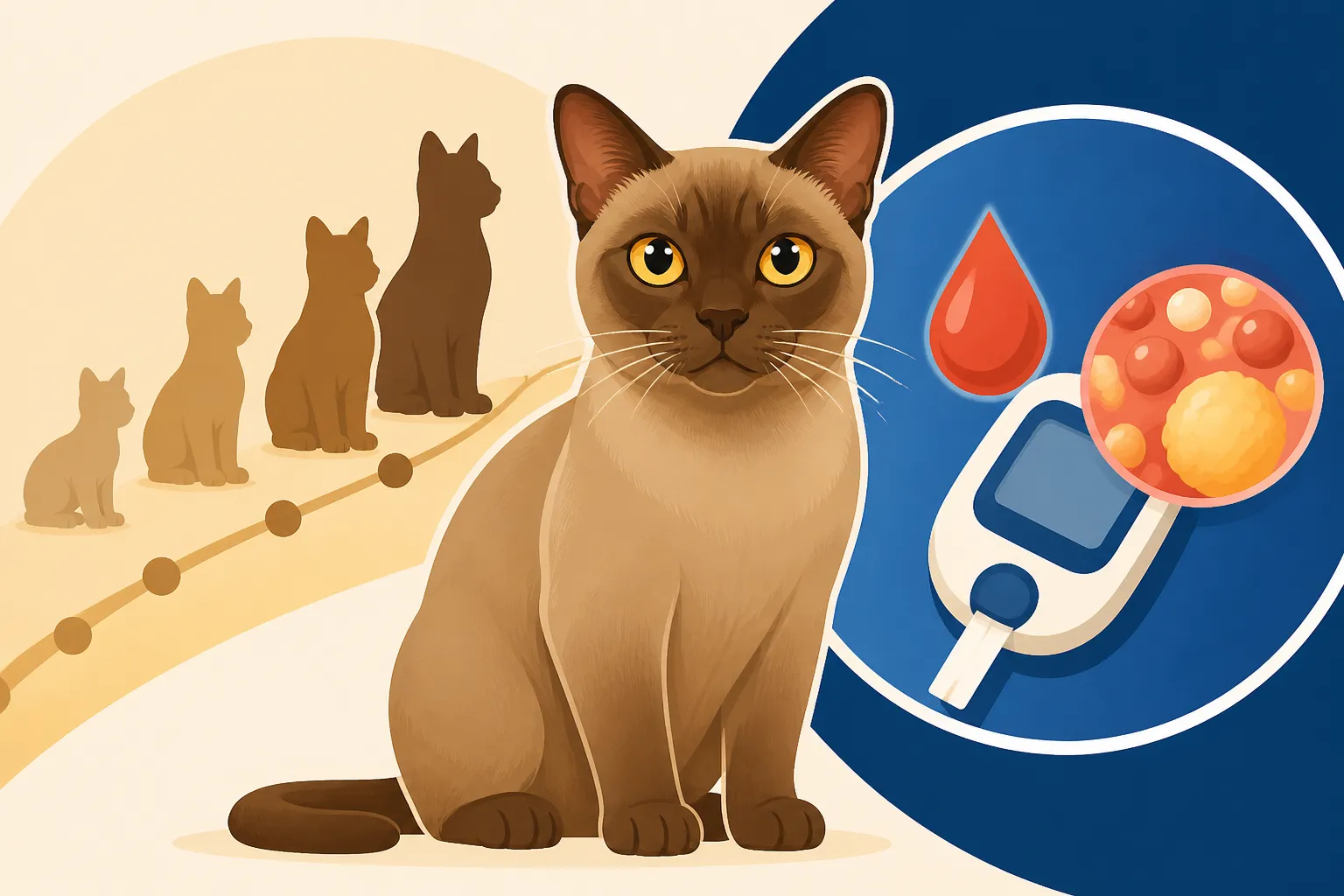
This isn't to say every Burmese cat will become diabetic, but the elevated risk means that every owner needs to be vigilant from day one. Many vets and breeders will tell you that it's not a matter of if a Burmese cat might develop diabetes, but when for a significant portion of the population. One of the most cited statistics suggests that approximately one in ten to one in four Burmese cats may develop diabetes in their lifetime, with some studies placing the figure even higher. These numbers are a stark contrast to the general feline population, where the incidence is typically much lower, often around 0.5% to 1%. It truly underscores why a Burmese is four times more likely to become diabetic compared to other breeds.
The Staggering Statistics: How High is the Risk?
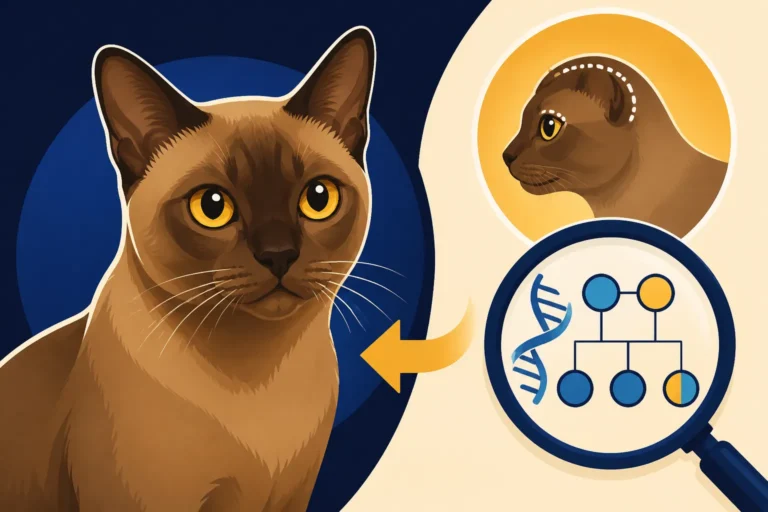
When we dig into the research, the numbers become even more sobering. Academic studies, particularly those focusing on populations in Australia and Europe where the breed is very popular, have provided critical insights. For instance, the Australian Burmese lines and European Burmese lines show it most prominently. Researchers have identified a specific genetic mutation within the WNK4 gene that is strongly associated with this increased risk, particularly in the Burmese cat population. This isn't a random occurrence; it's deeply embedded in their genetic makeup.
To put it into perspective, imagine a room full of 100 cats. If they were all mixed breeds, maybe one or two might develop diabetes. If that room was filled with 100 Burmese cats, you could realistically expect between 10 and 25 of them, or even more, to face a diabetes diagnosis at some point in their lives. This significant disparity is what makes proactive care so crucial for these wonderful cats. It highlights just how much higher the Burmese diabetes rate really is compared to your average domestic short-hair.
| Cat Breed | Estimated Lifetime Diabetes Prevalence | Relative Risk vs. General Cat Population |
|---|---|---|
| Burmese | 10% – 25% (some studies higher) | 10x – 25x |
| Domestic Short-hair | 0.5% – 1% | 1x |
| Siamese | 1% – 2% | 1x – 2x |
| Maine Coon | 0.5% – 1% | 1x |
This table isn't meant to scare, but rather to inform. It emphasizes that while all cats can get diabetes, the Burmese carries a burden that makes this condition a significant part of breed-specific care discussions.
Age of Onset and Key Risk Factors
Diabetes in Burmese cats doesn't typically show up in kittenhood; it's more commonly a disease of middle to older age. Most often, a Burmese usually turns diabetic between the ages of 7 and 10 years old. However, some can develop it earlier, and some later. It’s a progressive condition where genetic predisposition often meets environmental triggers. Understanding these triggers can help owners mitigate the risk, even with the genetic hand their cat has been dealt.
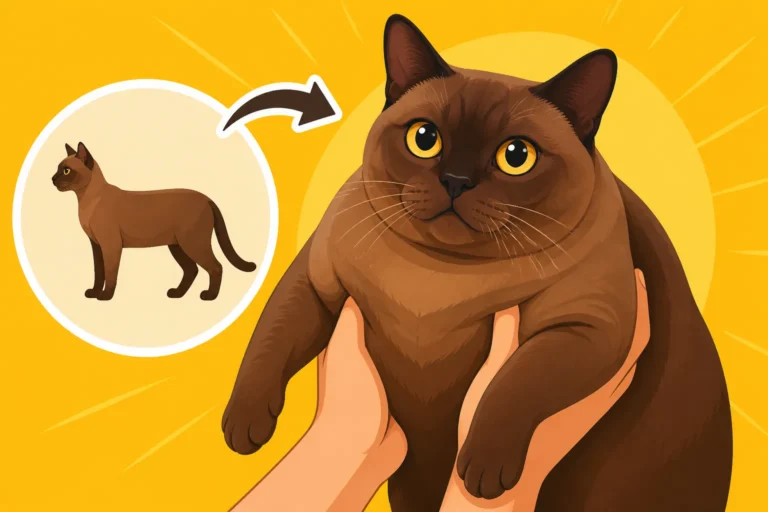
Beyond genetics, several factors heavily influence a Burmese cat's likelihood of developing diabetes. One of the biggest, and perhaps the most controllable, is weight. Obesity is a massive risk factor for diabetes in all cats, but it's particularly potent in the genetically predisposed Burmese. Even a moderate amount of excess weight can push a Burmese over the edge, turning a latent genetic risk into full-blown diabetes. This is why portion control is medical care in a Burmese. Another significant factor is gender and neutering status; a neutered male Burmese is highest risk. While neutering is important for population control and health benefits, owners of male Burmese cats need to be extra vigilant about diet and weight.
Why the Burmese is Uniquely Prone to Diabetes
The high incidence of diabetes in the Burmese cat population isn't a mystery; it's largely attributed to specific genetic factors that have been identified through scientific research. This isn't just anecdotal evidence from breeders and vets; it's backed by solid genomic studies that pinpoint the underlying reasons why this particular breed struggles with insulin regulation. The inherited susceptibility means that while lifestyle plays a huge role in triggering the disease, the potential for it is there from birth.
The Genetic Link and Insulin Resistance
At the heart of the Burmese's diabetes predisposition is a unique genetic mutation. Researchers have identified a specific alteration in the WNK4 gene that is strongly correlated with the development of diabetes in Burmese cats. This isn't a straightforward "diabetes gene," but rather a gene involved in electrolyte balance and blood pressure regulation, which in turn seems to affect insulin sensitivity. Basically, this mutation can lead to insulin resistance, a condition where the body's cells don't respond effectively to insulin, even if the pancreas is producing enough of it. Over time, this constant demand on the pancreas can lead to its exhaustion and eventual failure to produce sufficient insulin, resulting in overt diabetes.
This genetic vulnerability explains why a Burmese's diabetes risk is inherited and why particular breeding lines might have a higher incidence. It’s a complex interplay where their genetic makeup primes them for the condition, and then factors like diet and weight can tip the scales. Understanding what the WNK4 mutation does in a Burmese is a crucial piece of the puzzle for both breeders and owners, allowing for more informed decisions about health management and breeding practices aimed at reducing the prevalence of this disease.
The Role of Diet, Weight, and Lifestyle
Even with a strong genetic predisposition, environmental factors are powerful in either delaying or accelerating the onset of diabetes in Burmese cats. The most significant of these is diet and weight management. Burmese cats are notoriously food-motivated and can easily become overweight or obese if their food intake isn't carefully monitored. And unfortunately, that extra weight dramatically increases their risk. Why weight is the only lever a Burmese owner has cannot be overstated. An overweight Burmese is much more likely to develop insulin resistance and eventually diabetes.
This means that how you feed your Burmese is a medical decision, not just a preference. Free-feeding, where food is left out all day, is a major culprit for weight gain and should be avoided entirely for a Burmese, especially given their high-risk status. A low-carbohydrate diet, high in protein and moisture, is generally recommended. This type of diet helps maintain a healthy weight, supports muscle mass, and most importantly, minimizes the glycemic load that can stress a genetically susceptible pancreas. Careful portion control and consistent feeding times are non-negotiable for keeping a Burmese healthy. For many, a high-quality wet food diet, weighed precisely at each meal, is the cornerstone of prevention.
Managing Risk and Recognizing Early Warning Signs
Living with a Burmese cat means being a proactive partner in their health, especially when it comes to diabetes. While the genetic cards may be stacked against them, diligent management and keen observation can make a world of difference in their quality of life and potentially even delay or prevent the onset of the disease. Early detection is key, as is understanding the subtle shifts in behavior that could signal a problem. Many owners find peace of mind by insuring their pets, and providers like Healthy Paws can offer plans that help with the costs of chronic conditions, though it's important to understand policy specifics regarding pre-existing conditions.
Essential Preventative Measures
Preventative measures for Burmese cats revolve heavily around diet and maintaining an ideal body weight. Given their predisposition, a strict, low-carbohydrate diet from kittenhood is often recommended. This isn't just about avoiding cheap fillers; it's about providing nutrient-dense, species-appropriate food that supports their metabolism without overwhelming their insulin system. Regular, weighed meals, typically two a day, are crucial to prevent overeating and maintain a stable blood sugar level. Avoid leaving food out continuously, as this is a recipe for weight gain in a breed prone to overindulgence.
Beyond diet, regular exercise helps maintain muscle mass and promotes insulin sensitivity. While a Burmese loves to cuddle, they also have a playful, active side. Engaging them in interactive play daily can help them burn calories and stay fit. Routine veterinary check-ups are also paramount. From around age seven, and often even earlier, your vet should be checking your Burmese's glucose levels regularly. Why a Burmese's glucose should be checked from seven is because this is typically when the risk starts to significantly increase. These regular checks can catch subtle changes before full-blown diabetes develops, offering a window for intervention.
Recognizing the Subtle Signs of Onset
The signs of diabetes in a Burmese can sometimes be subtle, especially in the early stages, making careful observation by owners incredibly important. Burmese cats are also experts at hiding illness behind their affection, so you need to know what to look for. One of the earliest and most consistent signs is an increase in thirst and urination. You might notice your cat drinking more water than usual, and consequently, the litter box will fill up faster and need scooping more frequently. Why a Burmese drinking more needs testing that week is because this symptom is often the first clear indicator that something is amiss with their glucose regulation.
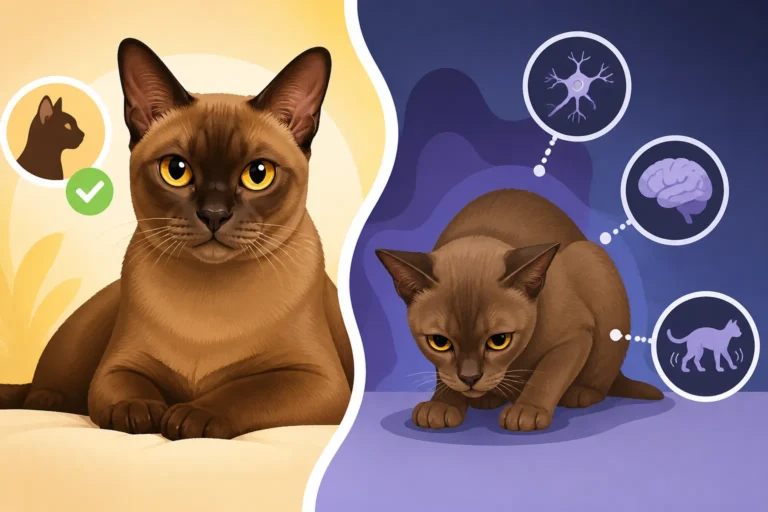
Other signs to watch for include changes in appetite – paradoxically, a diabetic cat might eat more but still lose weight, or they might become pickier. Lethargy or a decrease in their usual energetic playfulness is another red flag. Their coat might also start to look dull or unkempt, as they might not be grooming themselves as effectively. If you notice any of these changes, don't delay in contacting your veterinarian. Early diagnosis allows for prompt treatment, which can significantly improve outcomes and potentially even lead to remission. What diabetes looks like in a Burmese can sometimes be missed if you're not specifically looking for these tell-tale signs.
The Journey After a Diabetes Diagnosis
Receiving a diabetes diagnosis for your beloved Burmese can be overwhelming. It marks the beginning of a new chapter in their care, one that requires dedication, consistency, and a close partnership with your veterinarian. While it is a serious condition, it is absolutely manageable, and many diabetic Burmese cats go on to live full, happy lives with the right treatment plan. The key is understanding that this is a lifelong commitment, but one that is incredibly rewarding as you see your cat thrive.
Life with a Diabetic Burmese
A diabetic Burmese typically requires daily insulin injections, often twice a day, usually following a meal. This might sound daunting at first, but most owners quickly become adept at administering the injections, and many Burmese cats tolerate them surprisingly well, especially given their affectionate and compliant nature. Your vet will teach you how to give a Burmese its insulin at home, and with practice, it becomes a routine part of your day. Beyond insulin, diet remains critical. A low-carbohydrate, high-protein wet food diet is essential for managing blood sugar levels and can often aid in achieving diabetic remission. This is why low carbohydrate food matters for a Burmese, especially one already diagnosed with diabetes.
Regular monitoring is also part of the routine. This includes consistent weighing, watching their appetite and water intake, and often, at-home blood glucose monitoring. Your vet will guide you on how a Burmese is monitored on insulin at home, including understanding glucose curves and adjusting insulin doses as needed. It's a journey of adjustments and learning, but remember, you're not alone. Many resources and support groups exist for owners of diabetic cats. The annual cost of managing a diabetic Burmese can be significant, covering insulin, syringes, prescription food, and frequent vet visits.
Long-Term Outlook and Remission Potential
The good news is that many Burmese cats can go into diabetic remission, particularly if the diabetes is caught early and managed aggressively with diet and insulin. Remission means they no longer require insulin injections, though they will still need to remain on a strict low-carbohydrate diet and be closely monitored for recurrence. The primary goal is to stabilize their blood sugar, get them to a healthy weight, and give their pancreas a chance to recover. Which diet puts a Burmese into remission is often the same low-carb, high-protein wet food diet used for prevention.
Even if full remission isn't achieved, a diabetic Burmese can still enjoy a good quality of life for many years. The long-term outlook for well-managed diabetic cats is generally positive, with a median survival time often extending several years post-diagnosis. Of course, this requires consistent care, regular vet check-ups, and a commitment to their specific needs. Understanding what a diabetic Burmese adds to a lifetime bill helps owners prepare financially, but the companionship these cats offer is truly priceless. Their resilience and loving nature make every effort worthwhile.
Disclaimer
The information provided in this article is for general informational purposes only and is not intended as a substitute for professional veterinary advice. Always consult with a qualified veterinarian for any health concerns or before making any decisions related to your pet's health and treatment.