How to Give a Burmese Its Insulin at Home
Receiving a diabetes diagnosis for your beloved Burmese cat can feel incredibly overwhelming, and the thought of giving insulin injections at home can add a whole new layer of anxiety. Many cat parents worry about hurting their feline friend, getting the dose wrong, or simply not being able to manage it. This guide is here to walk you through the process step-by-step, reassuring you that with patience, consistency, and the right approach, you absolutely can confidently administer insulin to your Burmese, ensuring they live a happy, healthy life.
Understanding Your Burmese's Diabetes and Insulin Needs
When your Burmese is diagnosed with diabetes, it means their body isn't producing enough insulin, or isn't using it effectively, to regulate blood sugar. This can lead to a host of health issues if left untreated. Insulin therapy becomes a vital part of managing their condition, and understanding its role is the first step toward successful at-home care.
Why Insulin is Crucial for Your Diabetic Burmese
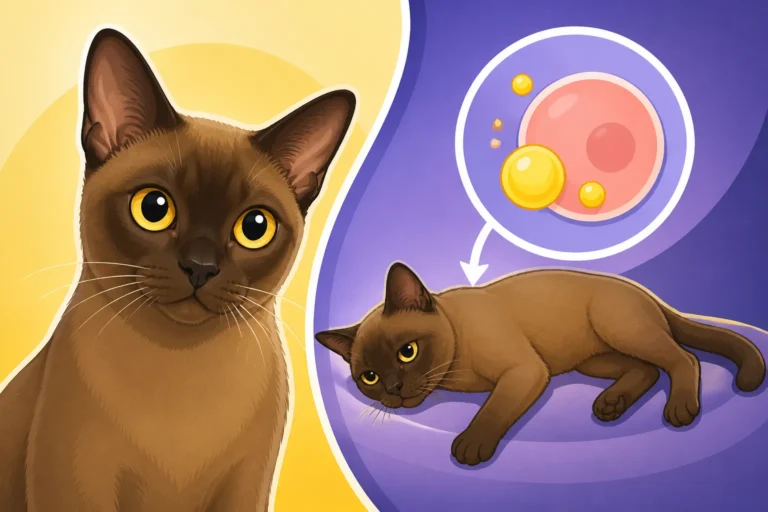
Diabetes mellitus in cats, especially the Burmese breed, is a serious condition that requires dedicated management. You see, your Burmese cat's body normally produces insulin in the pancreas, which acts like a key to unlock cells, allowing glucose (sugar from food) to enter and be used for energy. Without enough effective insulin, glucose builds up in the bloodstream, leading to high blood sugar (hyperglycemia). This not only deprives cells of essential energy but also puts a strain on various organs.
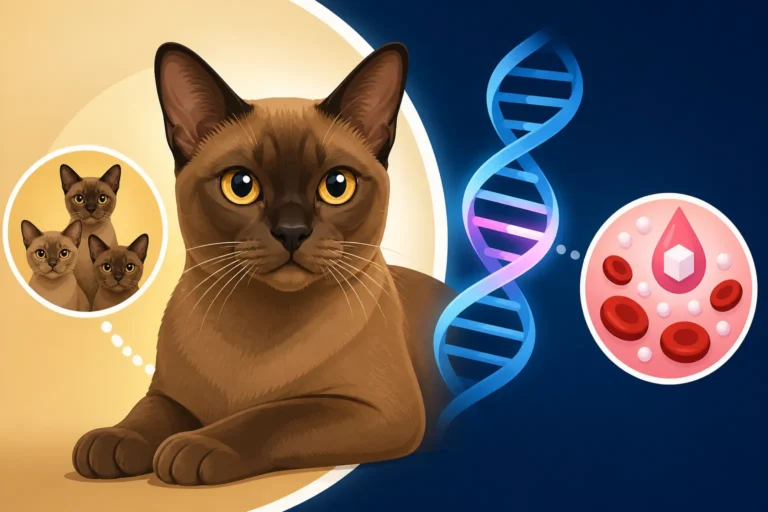
Unfortunately, the Burmese breed is known to be particularly susceptible to diabetes. In fact, studies have shown that Why a Burmese Is Four Times More Likely to Become Diabetic compared to other breeds, largely due to a genetic predisposition that affects how their bodies process glucose. This makes consistent and accurate insulin administration not just helpful, but absolutely crucial for preventing complications like diabetic ketoacidosis, nerve damage, and other serious health problems. Your commitment to giving insulin as prescribed directly impacts their quality of life and longevity.
Essential Supplies for At-Home Insulin Administration
Before you even think about giving an injection, you need to gather all your supplies. Having everything ready in one place will make the process smoother and less stressful for both you and your Burmese. Rushing around trying to find things only adds to the tension.
First and foremost, you'll need the insulin itself, which your veterinarian will prescribe. It usually comes in a small vial or sometimes a pen. Make sure you store it exactly as instructed – typically refrigerated, but always double-check the label. Next, you'll need insulin syringes. These are very specific and are often measured in "units" rather than milliliters. It's incredibly important to use the correct type and size of syringe that matches your cat's insulin concentration (e.g., U-40 syringes for U-40 insulin). Using the wrong syringe can lead to severe under or overdosing.
You'll also want a designated sharps container for safe disposal of used needles. Never just toss them in the regular trash; this protects everyone in your household. Some owners find disposable gloves helpful, and of course, a stash of your Burmese's favorite low-carb treats is non-negotiable for positive reinforcement after the injection. Finally, you might already have a cat carrier or a comfortable blanket to help gently position your cat. If you're just getting started on this journey, your vet will have already guided you on How a Diabetic Burmese Is Started on Insulin, but preparing your supplies beforehand is key to maintaining that initial instruction.
Setting Up a Calm and Consistent Routine
One of the biggest keys to successful at-home insulin administration is establishing a consistent routine. Cats thrive on predictability, and your Burmese is no exception. A calm environment and a regular schedule will help your cat feel more secure and less anxious about the injections.
Choosing the Right Time and Place for Injections
Consistency is paramount when it comes to managing feline diabetes. Your veterinarian will prescribe a specific schedule, often twice a day, usually tied closely to meal times. It’s crucial to administer the insulin at roughly the same time each day, as this helps maintain stable blood glucose levels. For example, if your vet advises giving insulin 12 hours apart, sticking to 7 AM and 7 PM is ideal. This also plays a huge role in How to Time a Diabetic Burmese's Meals Around Insulin, as food and insulin need to work together.
Choose a quiet, comfortable spot in your home where you can perform the injection without interruptions. This might be on a favorite blanket on the floor, on a sturdy table, or even on your lap if your Burmese is particularly cuddly. The goal is to make this moment as stress-free as possible. Avoid noisy areas, other pets, or bustling family activities. Think of it as a calm, one-on-one moment with your cat. The more peaceful the environment, the more cooperative your Burmese is likely to be.
Preparing the Insulin and Syringe
Before each injection, you need to prepare the insulin and syringe carefully. If your insulin is in a vial, take it out of the refrigerator about 15-20 minutes before use to allow it to warm slightly to room temperature. This makes the injection more comfortable for your cat. Never shake the insulin vial vigorously, as this can damage the insulin molecule and make it less effective. Instead, gently roll the vial between your palms for about 10-15 seconds to mix it thoroughly. You should see a uniform, cloudy appearance (if it's NPH or Lente insulin). Clear insulin types, like glargine, don't need mixing, but still benefit from warming slightly.
Once the insulin is mixed, remove the cap from your syringe. Insert the needle into the rubber stopper of the insulin vial. Turn the vial and syringe upside down, ensuring the needle is submerged in the liquid. Slowly pull back the plunger to draw the exact dose prescribed by your vet. Be meticulously precise here; even a tiny error can have a significant impact on a small cat. If you see air bubbles in the syringe, gently tap the side of the barrel to encourage them to rise to the top, then push the plunger slightly to expel them back into the vial. Re-check the dose one last time before removing the syringe from the vial. Remember, accuracy is everything.
Positioning Your Burmese for the Injection
Getting your Burmese into a comfortable, cooperative position is half the battle. This isn't about wrestling them; it's about gentle, calm handling that builds trust over time. Many Burmese cats, known for their affectionate nature, will often settle quite readily on your lap or next to you on a sofa. Some owners prefer to stand with their cat on a counter or table, which can provide better ergonomics for administering the shot. The key is to support their body securely so they feel safe, but not restrained.
Try gently wrapping your Burmese in a soft towel or blanket, leaving their head and the area around their scruff accessible. This is often called a "burrito wrap" and can be incredibly effective for cats who are a little squirmy. Another method is to have someone gently hold your cat while you give the injection. While Burmese cats are typically very tolerant of handling, especially if it leads to treats and attention, any tension from you will be picked up by them. Speak in a soothing voice, offer head rubs, and make it clear that this is still a positive interaction, even with the needle involved.
The Step-by-Step Insulin Injection Process
Now that you have your supplies ready and your Burmese is calmly positioned, it's time for the actual injection. This is the part that often causes the most apprehension, but remember, cat skin is thicker and less sensitive than human skin, and the needles are incredibly fine.
Locating the Injection Site and Creating a "Tent"
The most common and safest area to inject insulin in a cat is the "scruff" – the loose skin over the shoulders and at the back of the neck. You can also use the loose skin along their flanks, just above the ribs. It’s a good idea to rotate injection sites slightly with each dose to prevent skin irritation or thickening, which can affect insulin absorption. For example, give the morning shot on the left side of the scruff and the evening shot on the right, or alternate between the scruff and the flank areas.
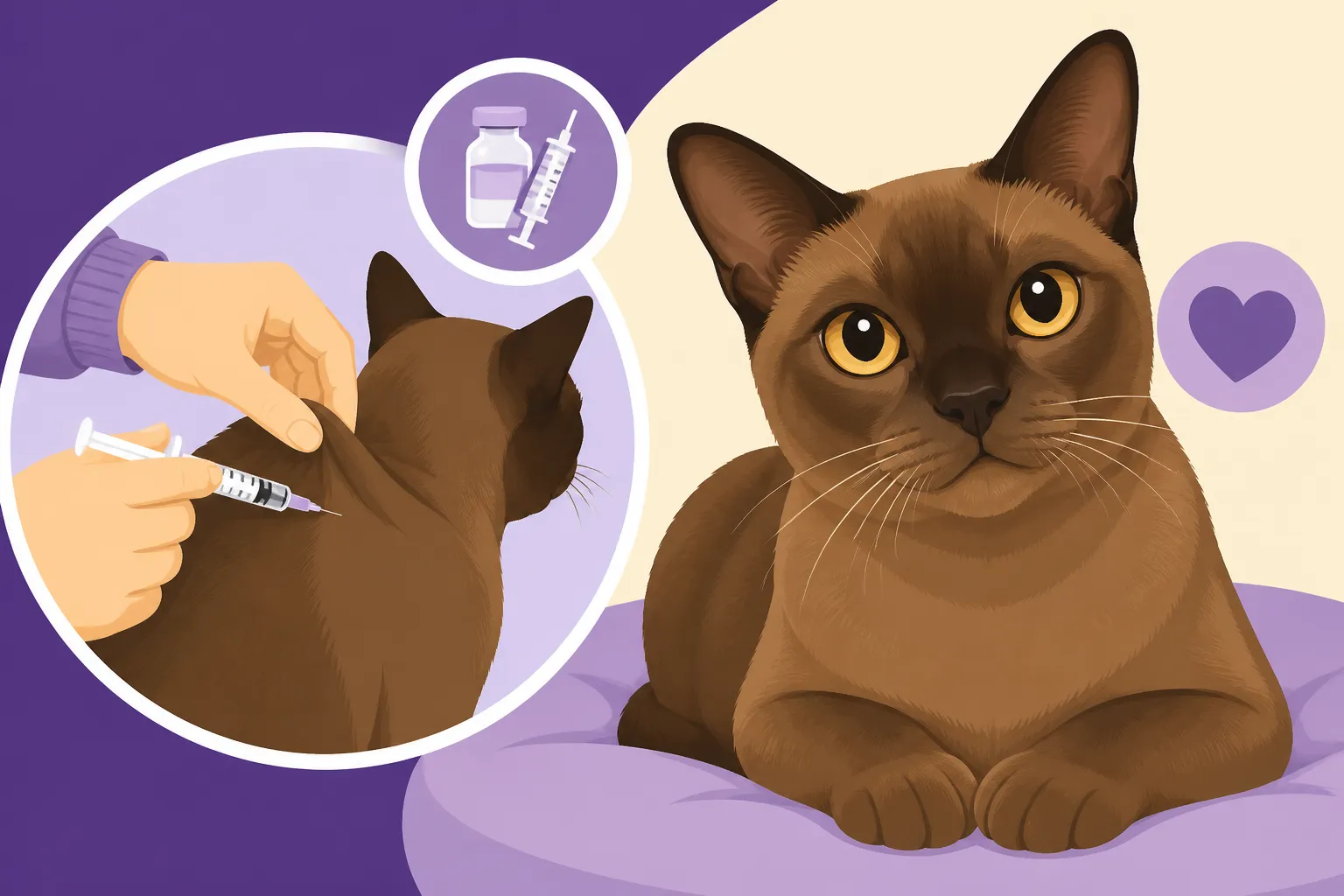
To prepare the site, gently use your thumb and forefinger to lift a fold of loose skin, creating a "tent." You want to make sure you're just lifting skin and not grabbing muscle underneath. This tent creates a small pocket where the insulin can be injected subcutaneously (under the skin) without hitting muscle, which can be painful and affect absorption. Feel around for the thinnest, loosest skin you can find in the chosen area. Remember, your Burmese's beautiful satin coat might hide some of this, but it's there!
Administering the Injection
With your Burmese calmly positioned and a skin tent created, it's time for the injection. Hold the syringe firmly but comfortably in your dominant hand, with the needle cap removed. The needle should be parallel to your cat's body, pointing towards their tail. Quickly and confidently insert the needle into the base of the skin tent you've created. You should aim to enter the space just under the skin, avoiding going completely through the skin tent or into the muscle below. You'll often feel a slight "pop" or lack of resistance as the needle enters the correct space.
Once the needle is in, gently pull back on the plunger very slightly. If you see blood in the syringe, you've hit a blood vessel. Don't inject; simply withdraw the needle, prepare a new syringe with insulin (discard the contaminated one), and try a different spot. If no blood appears, slowly push the plunger all the way down to inject the insulin. Once the syringe is empty, quickly and smoothly withdraw the needle. You'll get the hang of this quick insertion and withdrawal with practice, ensuring it's as painless as possible for your cat. Your vet will advise you on How Often a Diabetic Burmese Is Injected, usually twice daily, making this a regular part of your routine.
Post-Injection Care and Reinforcement
Immediately after withdrawing the needle, it's time for the payoff! Quickly offer your Burmese a highly palatable, low-carb treat. This positive reinforcement is absolutely critical. Associate the injection with something good, so your cat begins to tolerate, or even look forward to, the routine. Gentle praise, soft whispers, and a few moments of petting also go a long way in building trust and making the experience less traumatic. You might be surprised how quickly a Burmese, known for their trusting and affectionate nature, adapts to this if treated with kindness and rewards.
After the injection, you might want to gently press the injection site for a few seconds to help distribute the insulin and prevent any leakage. However, avoid rubbing vigorously. Observe your cat for a few minutes. Are they eating their treat happily? Are they acting normally? It's rare, but occasionally a cat might react negatively, showing signs of discomfort or distress. If this happens consistently, discuss it with your vet. This consistent positive reinforcement also aids in future tasks, like the routine checks involved in How a Burmese Is Monitored on Insulin at Home.
Troubleshooting Common Challenges and Maintaining Safety
Even with the best intentions and preparation, things don't always go perfectly. It's totally normal to face challenges when giving insulin, especially in the beginning. Knowing how to troubleshoot common issues and prioritize safety will make you a more confident cat parent.
Dealing with a Reluctant or Anxious Burmese
It's a common scenario: you have everything ready, and your normally sweet Burmese suddenly becomes a furry, wriggling noodle when the syringe appears. Dealing with a reluctant or anxious Burmese requires immense patience and a gentle touch. Never, ever force the injection. Forcing can break your cat's trust, making future injections even harder and potentially dangerous for both of you. If your cat is truly distressed, it’s better to pause, calm them down, and try again a few minutes later, or even with the help of another person.
Distraction techniques can be incredibly useful. Some cats respond well to being offered a favorite treat during the injection itself, or having a favorite toy dangled in front of them. You might also try a calming pheromone spray in the injection area a few minutes beforehand. If your Burmese remains consistently anxious, or if you find yourself struggling to administer the full dose reliably, it’s vital to communicate this with your veterinarian. They might suggest different techniques, or even recommend a professional demonstration. Remember, your vet is your partner in this, and they understand that every cat is different. This patience is similar to the approach needed for How to Get a Burmese Used to a Glucose Check.
Safe Needle Disposal and Handling Mishaps
Safety for both you and your cat is paramount. Always, always dispose of used needles immediately into a designated sharps container. These are typically puncture-proof plastic containers available at pharmacies or through your vet. Once full, follow your local regulations for safe disposal. Never recap a used needle with your fingers, as this is how most accidental needle sticks happen.
Mishaps can and do happen. What if your Burmese suddenly jumps, and you realize you only injected half the dose? Or what if the insulin squirts out onto their fur? The most important rule is: never give a second dose if you're unsure how much was actually administered. An overdose of insulin can be life-threatening. If you suspect your cat didn't get the full dose, or if you're worried about any aspect of the injection, contact your vet immediately for guidance. It’s better to be safe and seek professional advice than to risk your cat's health. Having pet insurance, like a plan from Healthy Paws, can be incredibly helpful in these unexpected situations, covering emergency vet visits or consultations for such mishaps without adding financial stress to an already anxious moment.
Recognizing and Responding to Hypoglycemia
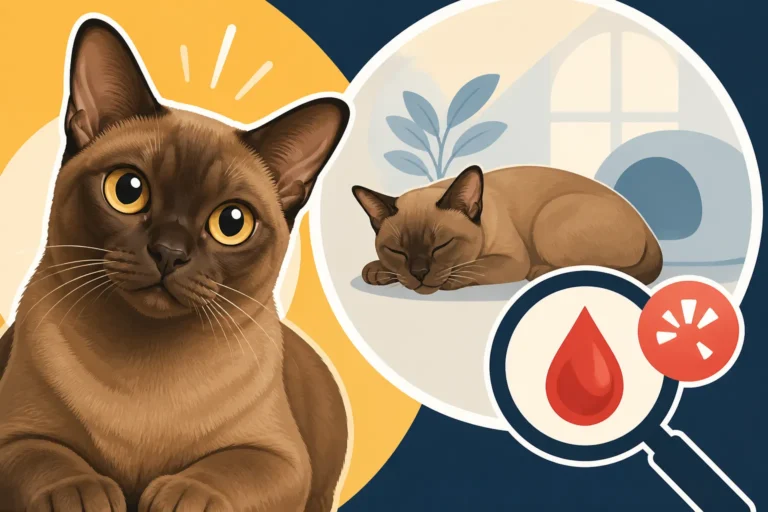
While the goal of insulin therapy is to lower high blood sugar, sometimes it can drop too low, a dangerous condition called hypoglycemia. This is a critical situation, and every diabetic cat owner needs to know the signs. Common symptoms of hypoglycemia include weakness, lethargy, disorientation, staggering, muscle twitching, seizures, and in severe cases, unconsciousness. Your Burmese might appear unusually quiet or wobbly. These signs mean immediate action is needed. You can learn more about What a Hypoglycemic Burmese Looks Like to be prepared.
If you suspect hypoglycemia, immediately rub a small amount of corn syrup, maple syrup, or honey on your cat’s gums. Do not try to force them to eat or drink if they are unresponsive or seizing, as this could lead to choking. The sugar will be absorbed through their mucous membranes, helping to raise their blood glucose quickly. Even if your cat seems to recover after the syrup, contact your veterinarian right away. They will need to assess your cat, possibly adjust the insulin dose, and investigate why the hypoglycemic episode occurred to prevent it from happening again. This is one of the most serious complications of insulin therapy and requires prompt veterinary intervention.
Long-Term Management and Support
Administering insulin is just one part of the comprehensive care package your diabetic Burmese needs. Long-term success involves a holistic approach, including diet, regular veterinary oversight, and a strong partnership with your care team.
The Role of Diet and Weight Management
Insulin therapy goes hand-in-hand with a carefully managed diet. For Burmese cats with diabetes, a low-carbohydrate, high-protein diet is often recommended by veterinarians. High-carbohydrate foods, particularly dry kibble, can cause spikes in blood glucose, making it much harder to regulate their sugar levels with insulin. Transitioning to a high-quality wet food diet is usually a significant step in managing their condition. You can read more about Why Low Carbohydrate Food Matters for a Burmese and how it supports diabetic cats.
Weight management is also critical. Obesity is a major risk factor for developing diabetes in cats, and maintaining an ideal body weight is essential for diabetic cats. As your Burmese loses weight, their insulin sensitivity can improve, sometimes even leading to a reduction in their insulin dose, or in some cases, diabetic remission. This is why Why Weight Is the Only Lever a Burmese Owner Has to manage their diabetes is such a crucial piece of advice. Your vet will help you determine the appropriate caloric intake and monitor their weight closely, often advising you that Why a Burmese's Insulin Dose Changes as It Loses Weight. Consistent portion control, weighed meals, and avoiding free-feeding are non-negotiable elements of successful long-term management.
Partnering with Your Veterinarian and Pet Insurance
Your veterinarian is your most important ally in managing your Burmese's diabetes. Regular check-ups, including blood glucose curves and fructosamine tests, are essential to ensure the insulin dose is correct and your cat's diabetes is well-controlled. Don't hesitate to ask questions, share concerns, or request demonstrations if you're struggling with any aspect of home care. Open and honest communication with your vet is vital for your Burmese's health. They may recommend specific home glucose monitoring techniques that you can implement in conjunction with their visits.
Managing a chronic condition like diabetes can also come with significant financial considerations. The cost of insulin, syringes, vet visits, and special diets can add up. This is where pet insurance can provide immense peace of mind. Many pet parents find that a comprehensive policy, perhaps from a provider like Healthy Paws, helps cover a substantial portion of these ongoing medical expenses. While some policies might have limitations regarding pre-existing conditions, it's always worth exploring your options, especially if you ensure your Burmese before any symptoms appear. Understanding Whether a Diabetic Burmese Can Be Insured and investigating plans early can save you a lot of worry down the line, allowing you to focus on your cat's care rather than the bill.
Building Confidence and Trust Over Time
It's completely normal to feel a mix of emotions – fear, frustration, hope – when caring for a diabetic cat. The journey of administering insulin at home is a learning curve for both you and your Burmese. There will be good days and challenging days. However, with consistency, patience, and a calm demeanor, you will build confidence in your abilities, and your Burmese will learn to trust the routine. Cats, especially the incredibly intelligent and affectionate Burmese, are remarkably adaptable. They pick up on your energy, so remaining calm and positive will help them relax.
Remember that your Burmese relies on you. They are masters at hiding illness, often due to their ingrained survival instincts, as explored in Why a Burmese Hides Illness Behind Its Affection. Your daily injections are an act of profound love and dedication that directly contributes to their well-being. Celebrate the small victories – a smooth injection, a cooperative cat, stable glucose readings. Over time, this routine will become second nature, and you'll realize just how capable you are of providing this essential care, strengthening the incredible bond you share with your beloved feline companion.
Practical Insulin Administration Summary
| Aspect | Key Recommendation |
|---|---|
| Insulin Storage | Refrigerate (unless specified otherwise), gently roll (don't shake) to mix. |
| Syringes | Use correct U-40/U-100 syringe matching insulin concentration; never reuse. |
| Timing | Administer at consistent times daily (e.g., 12 hours apart), usually with meals. |
| Location | Choose a quiet, calm spot. Rotate injection sites (scruff, flanks) to prevent irritation. |
| Technique | Lift loose skin into a "tent," insert needle quickly into the base, inject slowly, withdraw quickly. |
| Post-Injection | Immediately reward with low-carb treats and praise. Observe for reactions. |
| Disposal | Use a dedicated sharps container for all used needles. |
| Hypoglycemia | Recognize signs (weakness, wobbling, seizures). Rub corn syrup on gums, contact vet immediately. |
| Diet | Maintain a low-carbohydrate, high-protein wet food diet. Weigh portions. |
| Vet Partnership | Regular check-ups are essential for dose adjustments and overall health monitoring. |
Disclaimer
This guide provides general information about administering insulin to a Burmese cat at home. It is not a substitute for professional veterinary advice, diagnosis, or treatment. Always consult with your veterinarian for specific instructions tailored to your cat's individual health needs and condition. Never alter your cat's insulin dose or treatment plan without direct guidance from your vet. If you have any concerns about your cat's health or their response to insulin, contact your veterinarian immediately.