Why a Flat Chested Burmese Kitten Struggles to Breathe
Finding your tiny, adorable Burmese kitten struggling to breathe is one of the most terrifying experiences a cat owner can face. This heart-wrenching situation, often caused by a condition known as Flat Chested Kitten Syndrome (FCKS), leaves these fragile babies fighting for every breath, and it's a battle that demands immediate understanding and intervention. This guide will walk you through exactly why a flat-chested Burmese kitten struggles to breathe, what it means for their delicate respiratory system, and how you can offer the best possible support during such a critical time.
Understanding Flat Chested Kitten Syndrome and Its Impact on Breathing
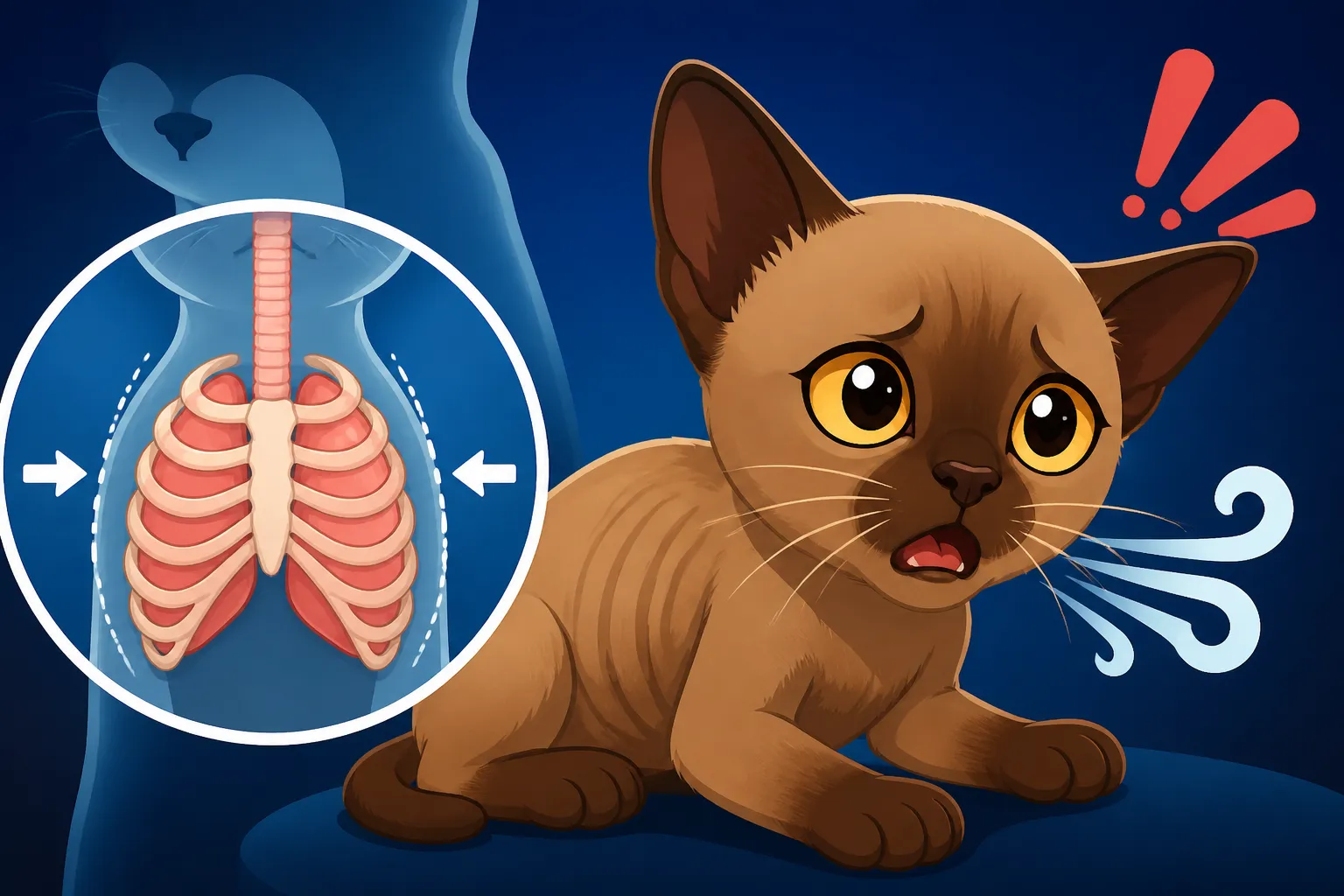
Flat Chested Kitten Syndrome (FCKS) is a condition that, while not exclusive to Burmese cats, is certainly something responsible breeders and owners in the Burmese world need to be aware of. It's an unpredictable and often devastating developmental anomaly that causes a kitten's rib cage to flatten from side to side, rather than maintaining its normal rounded shape. Imagine a tiny chest, instead of expanding outwards, compressing inwards. This isn't just a cosmetic issue; it has profound and immediate impacts on a kitten's ability to live, let alone thrive.
The Physical Anomaly of a Flat Chest
When a kitten develops FCKS, their sternum (breastbone) and ribs essentially collapse inwards or flatten. Instead of a gently curved rib cage that allows the lungs ample space to inflate and the diaphragm to function efficiently, the chest cavity becomes restricted. This flattening can range from mild to severe, and the degree of flattening directly correlates with the severity of the respiratory distress the kitten experiences. In severe cases, the chest can appear almost concave, making it agonizingly clear why these little ones fight to breathe. It’s a stark contrast to the robust, brick-like build that adult Burmese are known for, creating a tragic vulnerability in these newborns. If you're wondering what a Flat Chested Burmese kitten feels like, it's often described as feeling like a pancake or having a noticeable indentation.
The exact cause of FCKS isn't fully understood, which adds to the frustration for breeders and owners. While some theories point to genetic predispositions, others consider environmental factors or even in-utero positioning. What we do know is that it's a structural problem that compromises the very mechanism of respiration. This isn't a disease in the typical sense; it's a physical malformation that creates an immediate life-threatening challenge from birth, making early detection and intervention absolutely crucial. You can read more about What a Burmese Kitten's First Exam Should Cover to understand what a thorough vet check involves for newborns.
How a Flattened Chest Affects Lung Function
The primary reason a flat-chested Burmese kitten struggles to breathe is the direct compression and restriction placed upon its developing lungs. Lungs need space to expand fully with each inhalation. Think of it like trying to inflate a balloon in a small, rigid box – it simply can't reach its full capacity. The flattened rib cage acts like that rigid box, preventing the lungs from expanding to their necessary volume.
This limited lung expansion means that with every breath, the kitten takes in less oxygen than it needs. The oxygenation of their blood becomes inefficient, leading to hypoxia (lack of oxygen in the body's tissues). This lack of oxygen is dangerous for all organs, especially the brain and heart, which are highly dependent on a constant supply. Beyond the direct lung compression, the flattened chest can also put pressure on the diaphragm, the crucial muscle responsible for drawing air into the lungs. If the diaphragm's movement is impeded, the kitten's ability to generate the negative pressure needed for inhalation is severely compromised, further exacerbating their breathing difficulties. This is often the primary reason Why a Flat Chested Burmese Kitten Struggles to Breathe.
| Severity of FCKS | Chest Appearance | Breathing Difficulty | Prognosis |
|---|---|---|---|
| Mild | Slightly flattened, slight indentation | Mild, intermittent grunting or rapid breaths | Often recovers with supportive care |
| Moderate | Clearly flattened, visible indentation | Labored breathing, open-mouth breathing, weakness | Guarded, requires intensive care, some recover |
| Severe | Severely concave, "pancake" chest | Extreme respiratory distress, cyanosis (blue gums), near collapse | Poor, often fatal despite intensive care |
Recognizing the Signs of Respiratory Distress
When a Burmese kitten is struggling to breathe due to FCKS, the signs are usually quite clear and deeply concerning. It's not just a subtle sniffle; it's often a visible, audible battle for air. Recognizing these symptoms early can make a critical difference in the kitten's prognosis. As a dedicated owner or breeder, being vigilant and knowing what to look for is paramount.
Visible and Audible Indicators of Trouble
One of the first things you'll notice in a kitten with FCKS experiencing respiratory distress is rapid, shallow breathing. Their tiny bodies will visibly heave with each breath, trying desperately to pull in enough air. You might see their nostrils flare, and their chest and abdomen will move in an exaggerated way – often referred to as "abdominal breathing" – as they recruit every muscle available to aid respiration. This is a clear sign that normal breathing mechanisms are insufficient.
Audibly, you may hear grunting, wheezing, or even gasping sounds. These are indications of air struggling to pass through compromised airways or insufficient lung expansion. Another critical visual cue is the color of their gums and tongue. If they appear pale, bluish, or purplish (a condition called cyanosis), it means they are severely deprived of oxygen, which is an emergency. These kittens may also become lethargic, weak, and reluctant to nurse, as the effort of breathing simply saps all their energy. They might lie flat on their side, seemingly exhausted by the constant struggle. For a more general understanding of kitten health, consider Why a Burmese Kitten Needs an Early Vet Check.
Behavioral Changes to Watch For
Beyond the obvious physical signs, kittens struggling with FCKS will also exhibit noticeable behavioral changes. A healthy kitten is typically active, nurses vigorously, and responds to stimuli. A kitten with severe FCKS, however, will often be quieter and less active than its littermates. They might not compete for nipples during feeding times, leading to poor weight gain and overall weakness. Instead of playfully wrestling or exploring their immediate surroundings, they might spend most of their time lying down, conserving energy.
Their suckling reflex might be weak, or they might latch on but quickly tire, unable to sustain nursing. This failure to thrive creates a vicious cycle: poor oxygenation leads to weakness, which leads to inadequate nutrition, further compromising their ability to fight for survival. Any kitten that isolates itself, appears listless, or is consistently out-competed by its siblings at feeding time, especially if accompanied by any breathing difficulties, needs immediate veterinary attention. This is a situation where every minute truly counts.
Immediate Care and Veterinary Intervention
Discovering a kitten with FCKS struggling to breathe is an immediate call to action. While you might feel overwhelmed, there are crucial steps you can take to provide supportive care before and during veterinary intervention. Remember, these fragile lives depend on swift, informed decisions.
What You Can Do at Home Before the Vet
Your primary goal at home is to keep the kitten warm, calm, and as oxygenated as possible while you prepare for the vet. Hypothermia is a significant risk for struggling newborns, so ensure they are in a warm environment, ideally with a heat source like a heated pad (on a low setting, with a blanket barrier) or a hot water bottle wrapped in a towel. Stress can exacerbate respiratory distress, so handle the kitten gently and minimally.
If the kitten is able to nurse, encourage it, as nutrition is vital. However, if nursing is too difficult or risky due to aspiration, you might need to consult your vet about supplemental feeding with a syringe, but be extremely careful not to cause choking. Cleaning any discharge around their nostrils with a warm, damp cloth can also help ensure clear airways, even if minimally. While these steps are helpful, they are temporary measures. The most critical action is to get the kitten to a veterinarian immediately. This isn't a wait-and-see situation.
Veterinary Diagnosis and Treatment Options
Once at the vet, the diagnosis of FCKS is primarily clinical, based on the physical examination of the flattened chest. The vet will assess the severity of the flattening, listen to the kitten's lungs and heart, and check for cyanosis. X-rays can confirm the extent of the rib cage deformity and provide a clearer picture of lung compression, though sometimes are delayed to avoid stressing a severely compromised kitten.
Treatment is largely supportive and depends heavily on the severity of the condition. Oxygen therapy is often the first line of defense, providing much-needed supplemental oxygen to improve blood oxygenation. This can be done in an oxygen cage or via a face mask. Nutritional support, often through tube feeding if the kitten cannot nurse, is also crucial to provide energy for recovery and growth. In some cases, vets may recommend physiotherapy, gentle massage, or even using a splinting technique (often a custom-made external brace or "corset") to try and encourage the chest to round out as the kitten grows. This requires extreme care and constant monitoring, as improper application can cause more harm than good. Some kittens with mild to moderate FCKS can recover with intensive care, while those with severe flattening often have a poor prognosis. This challenging situation highlights why comprehensive pet insurance, like a plan from Healthy Paws, could be incredibly valuable, as these critical care interventions can quickly become expensive. Understanding How a Flat Chested Burmese Kitten Is Managed involves a multidisciplinary approach.
Prognosis and Long-Term Outlook
The journey with a flat-chested Burmese kitten can be incredibly challenging and emotionally taxing. The prognosis varies widely depending on the severity of the chest flattening and the kitten's response to intensive care. It’s a rollercoaster of hope and heartbreak for many owners and breeders.
The Chances of Recovery for a Flat Chested Kitten
For kittens with mild cases of FCKS, where the flattening is minimal and they can still breathe relatively well, the chances of recovery are actually quite good with diligent supportive care. Many of these kittens can "grow out" of the condition, with their chest gradually rounding out as they develop. This is because a kitten's bones are still very pliable and can be molded, especially in the first few weeks of life. Consistent warmth, excellent nutrition, and gentle handling are key in these instances.
However, for kittens with moderate to severe FCKS, the prognosis becomes much more guarded. While some may still recover with intensive medical intervention, oxygen therapy, and potentially external chest support, many do not survive. The ongoing struggle to breathe and the constant oxygen deprivation can lead to irreversible damage to vital organs or simply overwhelm their tiny systems. Even if they survive, there's a risk of long-term respiratory issues, heart problems, or a reduced quality of life. Owners facing such difficult decisions might find solace in resources that address Whether a Flat Chested Burmese Kitten Recovers, offering insights into the recovery rates and challenges.
Potential Long-Term Health Implications
If a Burmese kitten recovers from FCKS, particularly a severe case, they may still face long-term health challenges. The most common issues revolve around the respiratory and cardiovascular systems. Even with a chest that has rounded out, there might be residual scarring or structural changes in the lungs that could make them more susceptible to respiratory infections, asthma, or exercise intolerance later in life. Their heart might have been strained during the period of oxygen deprivation, potentially leading to future cardiac issues.
Additionally, some cats who recovered from FCKS might have a slightly altered chest shape that, while not severely impacting their breathing, could be noticeable. Regular veterinary check-ups throughout their life are crucial to monitor for any developing complications. When considering the long-term care and potential for ongoing medical needs, having robust pet insurance is a serious consideration. Companies like Healthy Paws offer a range of plans that can help manage unexpected veterinary costs, which can certainly arise with a kitten that has had a complex medical history like FCKS. This peace of mind allows owners to focus on providing the best possible care without the added burden of overwhelming financial stress.
The Role of Breeders in Preventing and Managing FCKS
Responsible breeding practices are paramount in minimizing the occurrence of health conditions like Flat Chested Kitten Syndrome. While FCKS is often unpredictable, diligent breeders play a crucial role in managing and potentially reducing its prevalence within their lines.
Breeder Screening and Transparency
Currently, there isn't a definitive genetic test for FCKS, which makes prevention challenging. However, responsible Burmese breeders should still monitor their lines closely. If a queen consistently produces kittens with FCKS, or if certain pairings seem to result in affected offspring, those pairings should ideally be discontinued. Breeders should maintain meticulous records of litters, including any cases of FCKS, and be transparent with prospective owners about any history of the condition in their lines.
Transparency also extends to the sale of kittens. A reputable breeder will always conduct a thorough vet check on all kittens before they go to their new homes, specifically checking for conditions like FCKS. This early screening, often part of What a Burmese Kitten's First Exam Should Cover, ensures that any issues are identified and disclosed. If a kitten has even a mild case of FCKS, the breeder should inform the new owner, explain the potential risks and care requirements, and adjust the price or offer a different kitten if the owner is not prepared for the potential challenges. This ethical approach ensures that owners are fully informed and prepared for the commitment involved.
Support for Affected Kittens and Owners
Even with the best intentions and breeding practices, FCKS can still occur. When it does, responsible breeders provide invaluable support. This might include:
- Immediate Veterinary Care: Covering the cost of initial veterinary diagnosis and treatment for affected kittens.
- Guidance and Education: Providing new owners with detailed instructions on how to care for a recovering FCKS kitten, including feeding techniques, monitoring breathing, and recognizing signs of distress.
- Ongoing Support: Being available to answer questions and offer advice as the kitten grows, often for the cat's entire lifetime.
- Genetic Counseling: If FCKS appears in a litter, a responsible breeder might consult with feline geneticists or veterinarians to explore potential causes and adjust their breeding program accordingly to avoid future occurrences. This might involve temporarily removing certain cats from the breeding program or trying different pairings.
The dedication of a breeder to the health and well-being of their cats, even when facing unpredictable conditions like FCKS, is a hallmark of quality. While conditions like FCKS can be devastating, a strong partnership between breeder and owner, supported by a trusted vet and potentially pet insurance like Healthy Paws, can make all the difference in giving these fragile Burmese kittens the best possible chance at a healthy, happy life.
Disclaimer
Please remember that the information provided in this guide is for informational purposes only and is not a substitute for professional veterinary advice. If you suspect your Burmese kitten is struggling to breathe or is showing any signs of illness, contact your veterinarian immediately for proper diagnosis and treatment.