Why a Burmese’s Gums Recede Early
It's a disheartening discovery for many Burmese cat parents: noticing your beloved feline's gums starting to recede, often earlier than you'd expect in other breeds. This sight can spark worry and confusion, leaving you wondering if it's just a natural part of aging or something more serious. This comprehensive guide will delve into the specific reasons why Burmese cats are predisposed to early gum recession, offering actionable insights and proactive strategies to safeguard their precious smiles.
The Unique Oral Anatomy of the Burmese Cat
When we talk about why a Burmese's gums recede early, it’s impossible to ignore their distinct physical characteristics. These aren't just pretty faces; their facial structure plays a significant role in their oral health, sometimes creating challenges that other breeds simply don't face to the same degree. It’s a classic example of how even the most charming breed traits can come with their own unique set of care requirements.
The Brachycephalic Tendency and Tooth Crowding
Think about the quintessential Burmese face: those big, round eyes, that sweet, slightly shortened muzzle. This "brachycephalic" tendency, particularly noticeable in the American Burmese lines compared to the more wedge-shaped European Burmese, means they often have less space in their jaw for all those teeth to sit comfortably. Imagine trying to fit a full set of adult human teeth into a smaller jaw – it would be crowded, wouldn't it? That's what can happen in a Burmese.
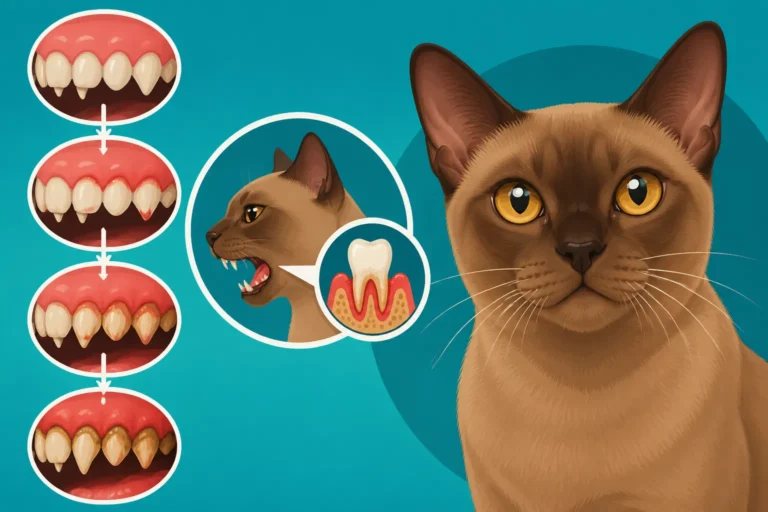
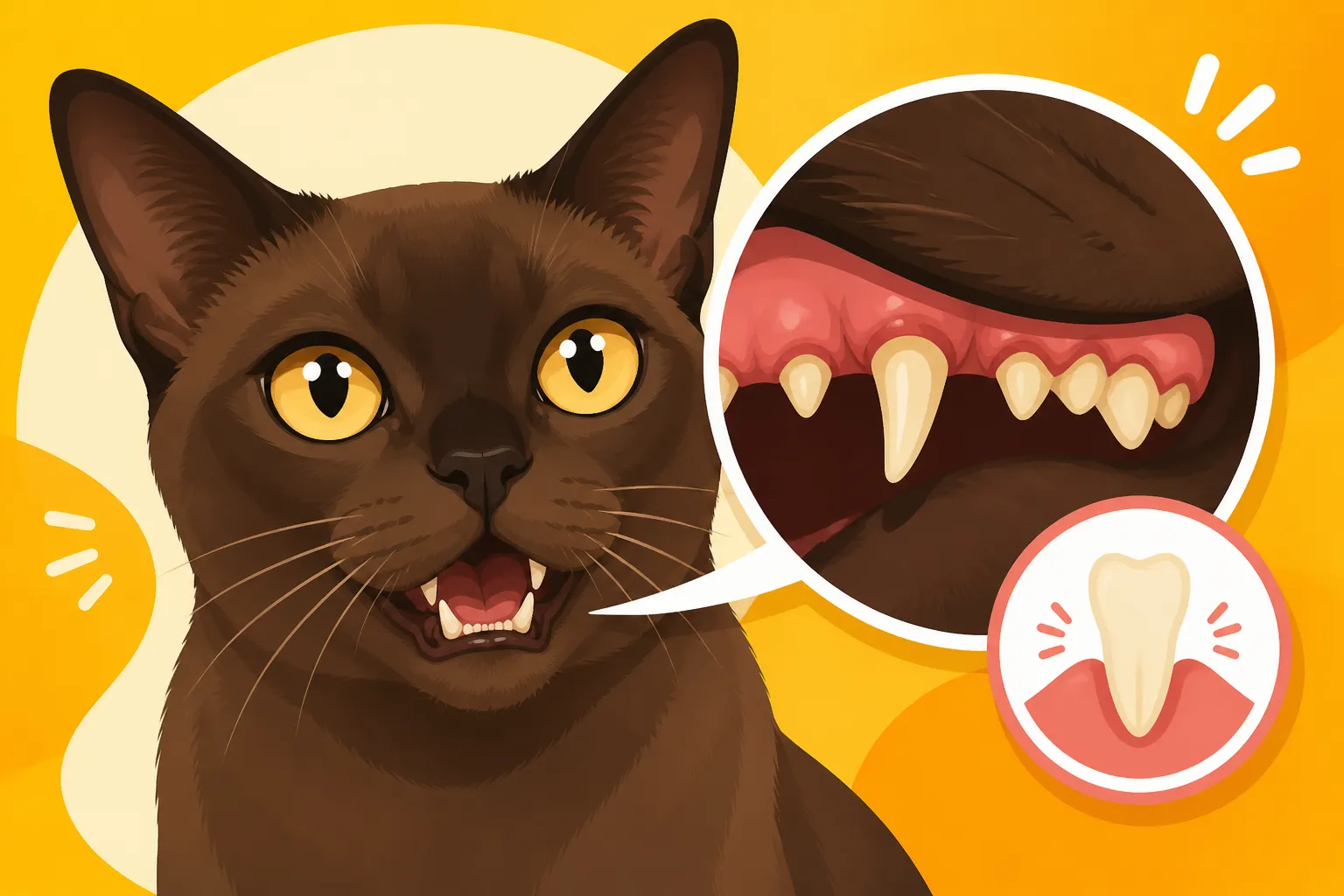
When teeth are crowded, they don't align perfectly. This creates tiny overlaps and tight spaces that are incredibly difficult for a cat's natural chewing action, or even your valiant attempts at brushing, to reach. These hidden nooks and crannies become prime real estate for plaque and tartar to build up. This accumulation then pushes against the gum line, leading to inflammation, which is the precursor to gingivitis and, eventually, periodontitis. As the inflammation progresses, the gums pull back, exposing more of the tooth root, which is exactly what we mean by gum recession. It's a silent process that often goes unnoticed until it's quite advanced. You might not even realize "Why a Burmese Is Prone to Gum Disease" until you see these changes.
Gum Tissue Characteristics and Inflammation Response
Beyond the physical space, there might also be subtleties in the Burmese's gum tissue itself. While not definitively proven across the board, some veterinarians and breeders observe that Burmese cats might have slightly more delicate gum tissue or a predisposition to a more vigorous inflammatory response when faced with plaque. This isn't to say their gums are inherently weaker, but rather that when confronted with irritants like bacterial plaque, their immune system might react in a way that leads to faster and more pronounced inflammation.
This heightened inflammatory response, coupled with the difficulty of cleaning crowded teeth, creates a perfect storm for gingivitis to take hold quickly. Once inflammation sets in, the cycle of gum recession accelerates. The gums become red, swollen, and can even bleed slightly, especially if touched. This delicate state makes them even more susceptible to pulling away from the tooth surface, exposing the sensitive dentin and root. Understanding this inherent sensitivity helps us tailor our dental care approach for them, emphasizing gentleness combined with thoroughness.
Genetic Predisposition and Periodontal Challenges
It's not just their adorable faces; genetics play a surprisingly strong hand in the overall health of our Burmese companions, and their oral health is no exception. While we don't have a single "gum recession gene" identified, the breed's general genetic makeup and predisposition to certain systemic conditions can indirectly, yet significantly, influence the health of their gums.
Inherited Susceptibility to Inflammatory Responses
While specific genetic markers for gum recession in Burmese cats are still being researched, the breed as a whole seems to have a higher susceptibility to inflammatory conditions. This can manifest in various ways, and their gums might just be one of the areas where this genetic leaning expresses itself. Essentially, their immune system might be primed to react more strongly to irritants like the bacteria found in plaque, leading to more aggressive gingivitis and subsequent periodontal disease.
This isn't about blaming the breed, but about understanding its unique needs. Just as certain breeds are prone to hip issues or specific heart conditions, the Burmese seems to carry a tendency towards these oral inflammatory responses. This means that even with diligent home care, a Burmese might still develop gum recession faster than a cat of another breed with similar care. It underscores the importance of a proactive approach, rather than waiting for obvious signs of trouble. It’s another reason why knowing "Which Diseases the Burmese Actually Carries" is so important for owners.
Systemic Health Connections Impacting Oral Health
What many owners don't realize is that oral health isn't isolated from the rest of the body. In Burmese cats, this connection is particularly poignant due to their known predisposition to diabetes. It's a stark reality that "Why a Burmese Is Four Times More Likely to Become Diabetic" is a significant concern for the breed, and diabetes has a well-documented bidirectional relationship with periodontal disease.
Cats with diabetes often have a harder time fighting off infections and inflammation, including those in the mouth. High blood sugar levels can create an environment where bacteria thrive, and the body's ability to repair tissue is compromised. This means that a diabetic Burmese might experience more severe and rapid gum disease progression, leading to quicker and more extensive gum recession. Conversely, severe periodontal disease can make it harder to control blood sugar levels in a diabetic cat. It's a vicious cycle that highlights why a holistic approach to their health is crucial. Monitoring their overall health, including conditions like diabetes, becomes an integral part of preventing and managing gum recession.
The Crucial Role of Diet and Daily Care
Beyond genetics and anatomy, what we feed our Burmese and how we care for their teeth day-to-day plays an absolutely monumental role in determining the fate of their gums. Many common misconceptions about feline dental care can inadvertently accelerate gum recession in a breed already predisposed to it.
Impact of Food Texture and Type on Dental Health
The idea that dry kibble "cleans" a cat's teeth is a persistent myth that can actually do more harm than good for a Burmese. While some larger kibble might offer a minimal abrasive action on the tips of the teeth, it does very little to remove plaque from the crucial gum line, where periodontal disease truly begins. In fact, many kibbles are high in carbohydrates. These carbs break down into sugars, which are then feasted upon by oral bacteria, leading to more plaque and tartar buildup. For a breed already prone to diabetes, this high-carb intake is a double whammy, impacting both their metabolic health and their oral hygiene. This is why "Feeding a Burmese Is a Medical Decision, Not a Preference".
A wet food diet, especially one that is low in carbohydrates and high in protein, is generally considered superior for a Burmese's overall health and can indirectly benefit their oral health. Wet food doesn't stick to teeth in the same way sugary kibble can, and the increased moisture content is beneficial for urinary tract health, another common feline concern. While wet food doesn't "clean" teeth either, it doesn't actively contribute to the sugary environment that promotes plaque. Focus on high-quality, meat-based wet foods, understanding that "Why Low Carbohydrate Food Matters for a Burmese" extends beyond just diabetes prevention and into their dental well-being.
The Necessity of At-Home Brushing
Let's be real: brushing a cat's teeth isn't usually listed as "fun" in most households. It can be a challenge, a wrestling match, or a pure test of wills. But for a Burmese, given their predispositions, it's not just a good idea – it's often a necessity for long-term oral health. Regular, consistent at-home brushing is the single most effective way to mechanically remove plaque before it hardens into tartar. Once plaque calcifies into tartar, no amount of brushing will remove it; only a professional dental cleaning under anesthesia can.
Starting early is key. Ideally, you should be "Brushing a Burmese's Teeth From Twelve Weeks", making it a routine part of their kittenhood. Use a soft, pet-specific toothbrush or a finger brush and enzymatic toothpaste formulated for cats (never human toothpaste!). Aim for gentle strokes along the gum line, focusing on the outside surfaces of the teeth, where plaque tends to accumulate most. Even if you can only manage a few teeth initially, consistency is more important than perfection. Every little bit helps to disrupt the plaque biofilm and reduce the inflammatory burden on their delicate gums. It's an investment in their comfort and health that will pay dividends down the line, potentially saving you significant veterinary costs.
Professional Intervention and Lifetime Management
Even with the most diligent home care, a Burmese cat will almost certainly need professional dental attention throughout their life. It's not a sign of failure, but rather an acknowledgment of their breed-specific challenges and the limitations of at-home efforts. Think of it as a partnership: you do your best at home, and your vet takes care of the rest.
Regular Veterinary Dental Cleanings
Professional dental cleanings under anesthesia are absolutely non-negotiable for a Burmese cat. Unlike us, cats don't sit still in a dental chair. Anesthesia allows the veterinarian to perform a thorough examination, take dental X-rays (which are crucial for spotting issues below the gum line, like painful tooth resorption or bone loss), and meticulously clean every tooth surface, including deep pockets under the gum line where bacteria thrive and accelerate recession.
During these procedures, your vet can scale away tartar, polish the teeth to smooth surfaces less prone to plaque adhesion, and address any existing issues like extractions if teeth are too severely affected by periodontal disease. The frequency of these cleanings will depend on your individual cat's genetics, home care, and the rate of plaque/tartar accumulation. Some Burmese might need a cleaning every year or two, while others might stretch to three or four. Your vet will advise you on the best schedule. Remember, delaying these cleanings allows gum disease to progress unchecked, leading to more severe recession and potentially tooth loss. This contributes significantly to "How Many Dentals a Burmese Needs in a Lifetime". While the cost might seem high, considering a pet insurance plan like those offered by Healthy Paws can help cover these essential procedures, making them more financially manageable over your cat's lifespan.
Early Detection and Monitoring at Home
You are your Burmese's first line of defense. Becoming intimately familiar with your cat's mouth can help you spot issues early. Beyond regular brushing, make it a habit to gently lift their lips and examine their gums and teeth. What are you looking for?
- Bad breath: While some "cat breath" is normal, truly foul breath, often described as rotten or metallic, is a strong indicator of dental disease.
- Red, swollen, or bleeding gums: These are classic signs of gingivitis.
- Tartar buildup: Hard, brownish deposits on the teeth, especially near the gum line.
- Receding gums: More of the tooth root is visible than before.
- Changes in eating habits: Reluctance to eat, dropping food, chewing on one side, or avoiding hard kibble can indicate pain. This is a critical sign that "Why a Burmese That Drops Food Needs Its Mouth Checked".
- Pawing at the mouth: A sign of discomfort or pain.
- Lethargy or changes in temperament: Dental pain can make a cat withdrawn or irritable.
Regular veterinary check-ups are also crucial. Your vet will perform an oral exam during routine visits and can flag early signs of trouble. Don't hesitate to bring up any dental concerns you have.
| Indicator | What to Look For | What it Means | Action |
|---|---|---|---|
| Breath Odor | Strong, foul, metallic smell | Bacterial infection, gingivitis, advanced periodontal disease | Vet visit for dental check |
| Gum Appearance | Redness, swelling, bleeding, visibly receded line | Inflammation, gingivitis, early to advanced recession | Increase home care, schedule vet dental |
| Tooth Surfaces | Yellowish to brownish hard deposits (tartar) | Plaque calcification, harbinger of gum disease | Professional cleaning required |
| Eating Habits | Dropping food, chewing slowly, favoring one side, loss of appetite | Pain, discomfort from dental disease | Urgent vet visit for assessment |
| Behavioral Changes | Pawing at mouth, decreased grooming, withdrawal | Significant pain or discomfort | Vet consultation immediately |
Long-term Outlook and Quality of Life
The thought of your cat losing teeth or experiencing chronic pain due to gum recession is heartbreaking. However, with a dedicated approach, gum recession in Burmese cats is a manageable condition. It requires consistent effort, a keen eye, and a strong partnership with your veterinarian. By understanding their unique anatomical and genetic predispositions, embracing a species-appropriate diet, committing to daily home care, and prioritizing professional cleanings, you can significantly slow the progression of gum recession and mitigate its impact.
The goal isn't just to keep their teeth in their mouth, but to ensure a high quality of life. A cat free from oral pain is a happier, more playful, and more affectionate companion. Investing in their dental health means investing in their overall well-being and comfort for many years to come. Remember, preventative care is always less invasive and often less costly than treating advanced disease. Consider exploring pet insurance options, as a provider like Healthy Paws can offer coverage for unexpected dental issues or help manage the costs of ongoing preventative care, giving you peace of mind.
Disclaimer
The information provided in this article is for general informational purposes only and is not intended as a substitute for professional veterinary advice. Always consult with a qualified veterinarian for any health concerns or before making any decisions related to your pet's care.