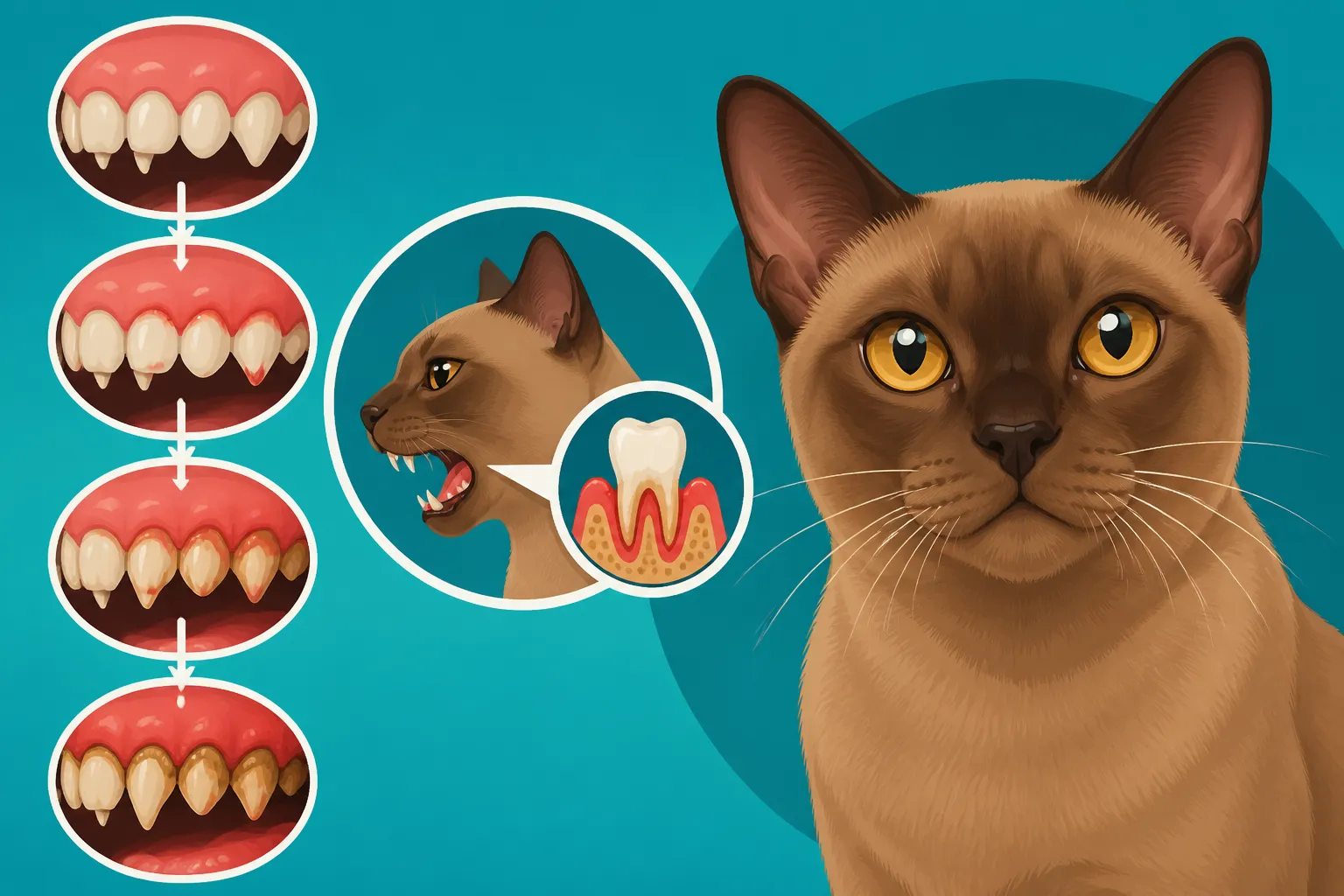
How Gum Disease Progresses in a Burmese
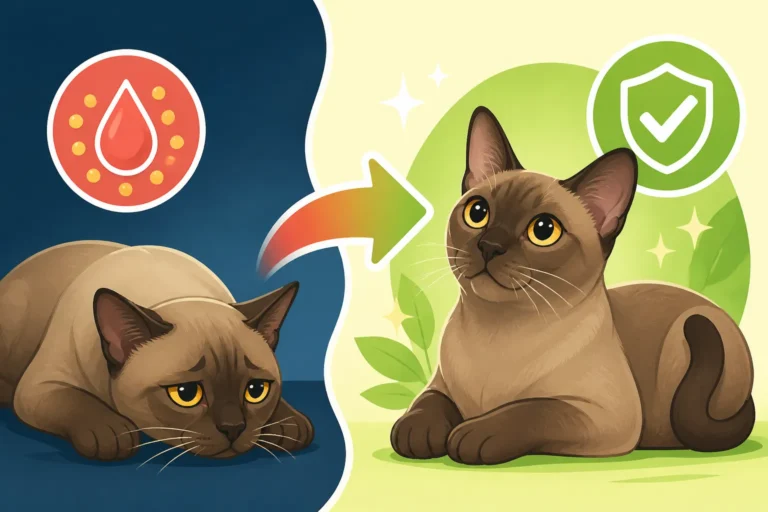
One of the most heart-wrenching realities of sharing your life with a Burmese cat is realizing that despite all your love and care, they are incredibly prone to dental problems. It’s a silent, progressive struggle that can cause significant pain and impact their overall health, often going unnoticed until it’s quite advanced. This guide will walk you through the typical progression of gum disease in your beloved Burmese, helping you understand what to look for, what it means for their well-being, and how best to intervene.
The Subtle Beginnings: Gingivitis in Your Burmese
It's easy to overlook the early signs of gum disease. Our Burmese are such affectionate, engaging creatures, always wanting to be close, always purring their throaty rumble. They often hide discomfort incredibly well, a trait common in many felines. But underneath that charming exterior, a battle can be brewing in their mouths, starting with something as seemingly benign as gingivitis.
Why Burmese Are Prone to Early Gum Problems
Genetics plays a huge role in how gum disease progresses in a Burmese. Unlike some other breeds, Burmese cats often have a slightly different jaw structure and tooth alignment, which can lead to more opportunities for plaque and tartar to accumulate. Their relatively short muzzles can sometimes mean teeth are a bit crowded, creating little nooks and crannies where food particles and bacteria can easily get trapped, leading to faster plaque buildup. This predisposition means that what might be a minor issue in another cat breed can escalate more rapidly in a Burmese. Many owners find their Burmese are particularly susceptible to Why a Burmese's Gums Recede Early, making early intervention even more critical.
Beyond genetics, lifestyle factors compound this issue. While we adore their playful, food-motivated nature, this very trait can sometimes contribute to dental problems if not managed carefully. The type of food they eat, how often they eat, and whether they get any form of dental care all contribute to the speed at which gingivitis can set in. Without diligent attention, even a young Burmese can start showing signs of gum inflammation.
Spotting the First Signs of Trouble
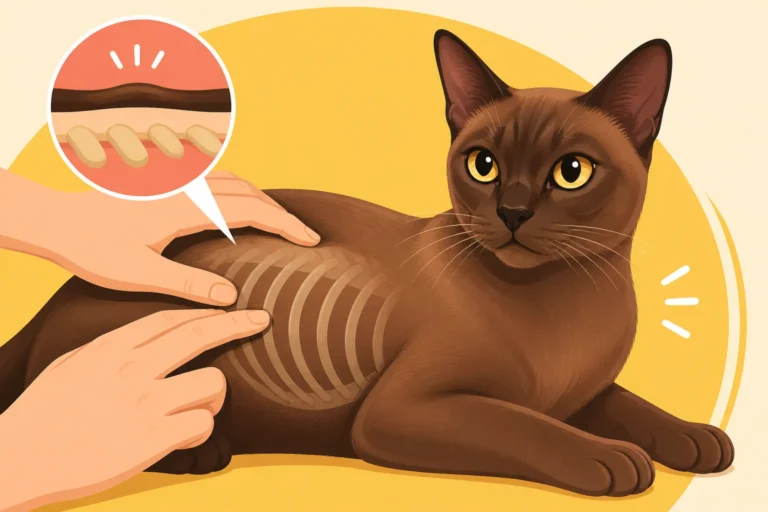
The initial stages of gum disease, known as gingivitis, are characterized by inflammation of the gums. This means the gums might look a little redder than usual, especially along the gumline where the tooth meets the gum. You might notice a faint reddish line. Sometimes, you'll see a slight swelling. These changes are subtle, and your cat will likely show no outward signs of pain yet, continuing to eat and play as normal. It’s exactly this stoicism that makes it so challenging for owners to detect.
As gingivitis progresses, you might start to detect a faint, somewhat unpleasant odor from their breath. This isn't just "cat breath"—it's an early indicator of bacterial activity in their mouth. You might also notice a tiny amount of blood on their toys or in their water bowl, or perhaps when they groom themselves, though this is less common in the very early stages. Even if your cat isn't showing obvious signs of distress, these slight changes are crucial red flags that warrant a closer look by your veterinarian.
The Impact of Diet and Dental Hygiene
What your Burmese eats has a profound effect on their dental health. Diets high in carbohydrates, particularly sticky ones, can adhere to teeth and provide a perfect breeding ground for bacteria. While dry kibble is sometimes touted as "dental friendly," many varieties do little to actually clean teeth and can contribute to plaque formation if not formulated specifically for dental health. Ultimately, Why a Burmese's Food Bill Is a Health Decision that impacts their whole health, including dental.
Effective dental hygiene at home, such as brushing, can significantly slow the progression of gingivitis. However, this is easier said than done. Getting a cat, especially an adult one, to accept a toothbrush requires patience and a gentle approach, starting from a young age. Without regular mechanical removal of plaque, it quickly hardens into tartar, which cannot be brushed away. This hardened tartar then acts like a rough surface, attracting even more plaque and bacteria, further irritating the gums and creating a vicious cycle.
Moving Beyond Gingivitis: Periodontitis Takes Hold
When gingivitis isn't addressed, it inevitably marches forward into the more serious and irreversible stage: periodontitis. This is where the real damage begins, moving beyond mere gum inflammation to affect the structures supporting the teeth.
When Gingivitis Becomes Something More Serious
Periodontitis is not just inflamed gums; it's an infection that starts to destroy the bone and soft tissues that hold the teeth in place. What initially began as redness and swelling now becomes pockets of infection, as the gum tissue pulls away from the teeth. These pockets become deeper, allowing bacteria to multiply in an anaerobic environment, leading to further destruction. At this stage, your cat might start to show more noticeable signs of discomfort. They might hesitate to eat hard kibble, preferring softer foods. You might notice them chewing on one side of their mouth or dropping food more frequently. This is often when owners truly realize something serious is amiss.
The smell from their mouth will also become significantly worse, a distinct, putrid odor caused by the advanced bacterial infection. Some cats might even start drooling excessively, with the saliva sometimes tinged with blood. This isn't just an aesthetic issue; it's a clear indicator of active infection and severe inflammation. This progression is unfortunately quite common, and many Burmese will eventually need significant dental intervention, which is why understanding How Often a Burmese's Gums Send It Under Anesthetic is crucial for long-term care.
The Visible and Invisible Damage of Advanced Disease
As periodontitis advances, the damage becomes both visible and invisible. Visibly, you might see heavy tartar buildup, forming a brownish-yellow crust along the gumline. The gums themselves might appear severely swollen, bright red, or even purple, and bleed very easily. You might also notice teeth becoming loose, or even see missing teeth. The sheer discomfort can be palpable, even in a stoic Burmese.
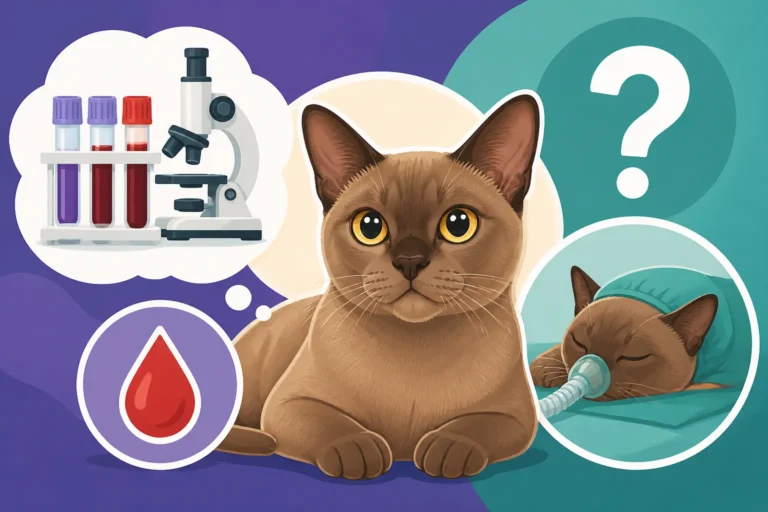
The invisible damage, however, is often more severe and insidious. Below the gumline, where you can't see, the bone supporting the teeth is eroding. Ligaments that anchor the teeth are destroyed, leading to wobbly teeth and ultimately, tooth loss. Abscesses can form under the gum, causing excruciating pain and potentially creating draining tracts on your cat's face. X-rays are essential at this stage to fully understand the extent of the damage, as much of the destruction occurs unseen beneath the surface. This is why a proper dental exam under anesthesia, including dental radiographs, is paramount.
Systemic Health Risks of Untreated Periodontitis
The infection in your cat's mouth isn't confined to their oral cavity. The constant presence of bacteria and inflammation can have far-reaching effects on their entire body. These bacteria can enter the bloodstream through the damaged gum tissue, traveling to vital organs like the heart, kidneys, and liver. This can lead to serious secondary infections or exacerbate existing conditions. For example, bacterial endocarditis, an infection of the heart valves, can be a direct consequence of severe dental disease.
Chronic inflammation from periodontitis also places a continuous strain on your cat's immune system. This makes them more vulnerable to other illnesses and can complicate the management of pre-existing conditions. Many owners are surprised to learn that what starts as "just bad teeth" can contribute to systemic issues, shortening their cat's lifespan or reducing their quality of life. Considering the long-term health, it’s worth investigating options like Healthy Paws pet insurance early on, as comprehensive plans can help manage the significant costs associated with advanced dental care and related systemic health problems.
Living with Chronic Gum Disease: Management and Long-Term Care
Once periodontitis has set in, there's no going back to perfectly pristine teeth, but it can certainly be managed to improve your Burmese's quality of life and prevent further deterioration. This often involves a multi-faceted approach, balancing professional interventions with dedicated home care.
Professional Dental Cleanings and Extractions
For advanced gum disease, professional veterinary dental cleaning under anesthesia is absolutely essential. This isn't just a cosmetic cleaning; it's a thorough scaling of the teeth, both above and below the gumline, to remove all plaque and tartar. The veterinarian will also probe the gum pockets to assess their depth and take dental X-rays to visualize bone loss and root issues. Often, at this stage, extractions are necessary. Removing severely diseased or painful teeth provides immense relief to your cat and eliminates sources of infection. It might sound drastic, but a cat with a few healthy, pain-free teeth is far better off than one with a full mouth of infected, aching teeth.
These procedures can be costly, reflecting the specialized equipment, anesthesia monitoring, and skilled veterinary care involved. This is where pet insurance, such as a plan from Healthy Paws, can be incredibly valuable. Knowing that a significant portion of these necessary and often unexpected expenses might be covered can alleviate a huge financial burden, allowing you to prioritize your cat's health without undue stress. Remember that How Often a Burmese Needs a Dental will depend on the severity of their disease and how well home care is maintained.
Managing Pain and Inflammation at Home
After professional treatment, home care becomes crucial for slowing down the recurrence of disease. This often involves a combination of strategies. Your vet might prescribe anti-inflammatory medications or antibiotics in the short term, especially after extractions. Long-term, you might be given specific dental rinses or gels to apply, which help reduce bacterial load and soothe inflamed gums. Diet modifications, such as transitioning to soft food or a prescription dental diet, can also be beneficial, particularly if your Burmese has lost several teeth or has sensitive gums.
While challenging, trying to establish a regular tooth-brushing routine, even if it's just a few times a week, can make a difference. It's about mechanically removing plaque before it hardens. You'll also need to be vigilant about monitoring your cat's mouth for any new signs of inflammation or discomfort. Regular visual checks of their gums and breath are vital. Even if it's just a quick peek, Why a Burmese's Gums Need Checking Monthly can catch problems before they spiral out of control.
The Importance of Regular Vet Checks for Older Burmese
As Burmese cats age, they become even more susceptible to gum disease, and its progression can be intertwined with other age-related health issues, like diabetes. Caring for a Burmese Past Twelve invariably includes a heightened focus on dental health. Regular veterinary check-ups, ideally twice a year for senior cats, are paramount. During these visits, your vet will perform an oral examination and discuss any changes you've observed. They can assess the need for further dental cleanings or interventions and catch potential issues early.
For older Burmese with chronic periodontitis, managing their overall health becomes a delicate balance. The goal is to keep them comfortable, pain-free, and to minimize systemic health risks. Sometimes, this means making difficult decisions about what level of intervention is appropriate. Your vet can provide tailored advice, recommending specific diets, supplements, or ongoing pain management strategies. It's a journey, and having a trusted veterinary team by your side is invaluable in navigating the complexities of What an Old Burmese Needs Once Its Gums Recede.
Preventing Gum Disease: An Ounce of Prevention
While some degree of gum disease is almost inevitable in Burmese cats due to their genetic predisposition, proactive prevention can drastically slow its progression and minimize its severity. The key is to start early and maintain consistency.
Establishing a Proactive Dental Routine Early
The best time to start a dental hygiene routine is when your Burmese is a kitten. Introducing them to gentle gum massages and eventually a cat-specific toothbrush and toothpaste at a young age can make it a much less stressful experience for both of you. Think of it as part of their regular grooming, like nail trims. Getting a Toothbrush Into a Burmese Kitten's Routine can set them up for a lifetime of better oral health. Even if you can't brush every day, aiming for a few times a week is far better than nothing. Consistency is the magic word here.
If brushing isn't feasible, consider other aids. Dental wipes, oral rinses added to water, or dental treats approved by the Veterinary Oral Health Council (VOHC) can offer some benefit. While these are rarely as effective as brushing, they can contribute to plaque control. The goal is to reduce the bacterial load in their mouth as much as possible, preventing plaque from forming hard tartar.
Choosing the Right Food and Treats
Diet plays a significant role in dental health. While kibble is often given, for a Burmese, especially one prone to diabetes, a high-quality wet food diet with low carbohydrate content is often recommended for overall health. For dental benefits, choose kibble specifically formulated and proven to reduce plaque and tartar, rather than generic dry food. These specialized dental diets often have larger kibble sizes or unique textures designed to "scrub" the teeth as the cat chews.
When it comes to treats, be mindful. Many cat treats are small, soft, and offer no dental benefit. Opt for VOHC-approved dental treats that are designed to help clean teeth. Remember that treats should always be given in moderation and factored into your cat's overall caloric intake to prevent weight gain, which can exacerbate other health issues. For a breed that is often Why a Burmese is Four Times More Likely to Become Diabetic, every dietary choice is a health decision.
How Insurance Can Help with Dental Costs
The reality of managing gum disease in a Burmese is that it can become quite expensive over their lifetime. From routine dental check-ups and cleanings to potential extractions and ongoing medications, the costs can add up quickly. This is where pet insurance can be a game-changer. Companies like Healthy Paws offer policies that can help cover a significant portion of these veterinary expenses, ensuring you can provide your Burmese with the best possible care without worrying about financial strain.
It's important to research what each policy covers regarding dental care. Some plans might cover accidental injury to teeth, while more comprehensive plans might also include routine dental cleanings or cover periodontal disease treatment. Investing in a good pet insurance plan early in your cat's life can be a wise financial decision, especially for a breed like the Burmese that has known predispositions to certain health issues, including dental disease. When you consider What a Burmese Costs Over Sixteen Years, including regular dental care can significantly impact the overall budget.
Disclaimer
This article is intended for informational purposes only and does not constitute veterinary advice. Always consult with a qualified veterinarian for any health concerns or before making any decisions about your pet's medical care.