Why a Burmese Is Heavier Than It Looks
Have you ever picked up your beautiful Burmese cat and thought, "Wow, you're a lot heavier than you look!" It's a common surprise for many Burmese owners, who are often charmed by their sleek, compact appearance, only to discover they're holding what feels like a small, dense brick wrapped in velvet. This isn't just your imagination; there are very real, physiological reasons why your Burmese carries more weight than their size suggests. This guide will delve into the unique build of the Burmese, explain why their weight is often a delightful deception, and offer practical advice on how to manage their health effectively.
The Burmese's Unique Muscular Build and Bone Density
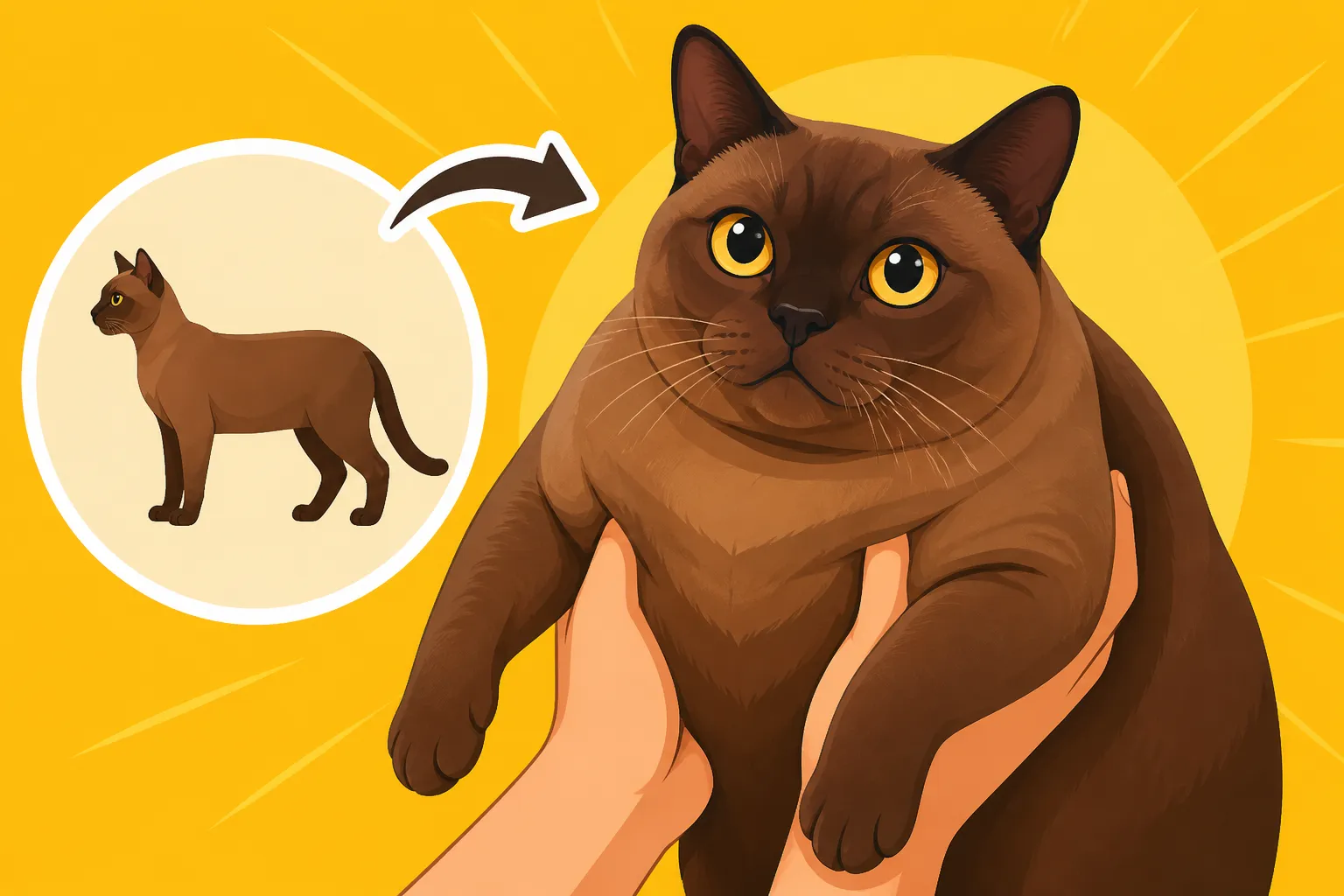
The Burmese cat is renowned for its distinctive physical attributes, and chief among them is their unexpected heft. Unlike many other cat breeds that might appear larger due to fluff or a more delicate bone structure, the Burmese possesses a compact, solid, and incredibly muscular body. This isn't about being overweight; it's about being densely packed with muscle and having a heavier bone structure. When you look at a Burmese, you see a sleek, medium-sized cat, but when you lift them, that density becomes immediately apparent.
"Brick Wrapped in Silk" – A Fitting Description
This affectionate nickname, "a brick wrapped in silk," perfectly encapsulates the Burmese's paradoxical nature. The "silk" refers to their famously short, fine, close-lying coat that feels incredibly soft and luxurious to the touch, often described as satin. This coat lies so flat that it offers no illusion of bulk, making the cat appear slender. However, the "brick" part comes from the sheer density beneath that smooth exterior. Their musculature is incredibly well-developed, giving them surprising power and weight for their frame. Imagine a perfectly toned athlete; they might not look bulky in clothes, but their lean muscle mass makes them substantial. Your Burmese is the feline equivalent, a powerhouse of muscle and bone. This muscularity is one of the reasons that Burmese owners often say their cats are "heavier than they look."
This dense build also means that while an average domestic cat might weigh between 8 to 10 pounds, a healthy adult Burmese can easily weigh in the 10-14 pound range, and sometimes even more, without being considered overweight. It's a testament to their sturdy genetics and athletic predisposition. If you've ever wondered how they manage to leap so high or play so intensely even into their senior years, their strong, compact body is the answer.
Muscle vs. Fat: Distinguishing a Healthy Burmese
Given their propensity for carrying significant muscle mass, it can sometimes be a challenge to discern whether your Burmese is in prime condition or if they're starting to accumulate unhealthy fat. This distinction is crucial, especially because the Burmese has a significantly higher risk of developing diabetes compared to other breeds. You might think, "Well, they're just naturally heavy," and overlook creeping weight gain that could pose a serious health threat. This is why understanding the difference between healthy muscle density and excessive fat is so vital for a Burmese owner.
A well-conditioned Burmese should feel firm and solid, with defined muscle tone. You should be able to feel their ribs under a thin layer of muscle and skin, but they shouldn't be visibly protruding. Their waist should be discernible when viewed from above, tapering slightly from the rib cage to the hips. If your cat feels soft or squishy around the belly or along the sides, or if their waistline has disappeared, it's likely they're carrying extra fat, not just extra muscle. Learning to gauge your cat’s body condition is one of the most important aspects of their daily care and can help you answer the question, "Why a Muscular Burmese Is Mistaken for a Fat One".
Understanding Body Condition Scoring for Burmese Cats
Because the Burmese's weight can be deceptive, relying solely on a number on the scale isn't always enough. Instead, we use something called Body Condition Scoring (BCS), which is a visual and tactile assessment of your cat's physical shape. This method is far more effective for breeds like the Burmese, whose natural density can mask issues if you're not careful. Learning to do this at home is a powerful tool in your preventative healthcare arsenal.
The Ribs, Spine, and Waist Test
Performing a body condition score on your Burmese involves a simple, hands-on approach. You want to feel, rather than just look, as their sleek coat can be quite deceiving.
- Ribs: Gently run your hands along your cat's sides. You should be able to easily feel their ribs beneath a slight layer of fat and muscle, much like feeling the knuckles on your hand with a flat palm. If you can't feel the ribs without pressing hard, your cat is likely overweight. If the ribs are very prominent and easily visible, they might be underweight.
- Spine: Run your hand along their back. You should be able to feel the bumps of their vertebrae without them feeling sharp or protruding. Again, a slight padding is normal, but excessive fat will make the spine feel like a smooth, indistinct ridge.
- Waist: Look at your Burmese from above. They should have a noticeable waistline behind their ribs, like an hourglass figure (though more subtle in cats). If they look like a continuous cylinder from head to tail, they're likely carrying too much weight. Now, look at them from the side. Their abdomen should tuck up slightly behind the rib cage, not sag down. A sagging belly can be a sign of obesity.
This hands-on approach is the best way to truly assess your individual cat's condition, especially when considering "What an Adult Burmese Should Weigh". Regular checks will help you catch any changes early, allowing you to adjust their diet or activity before issues become serious.
Regular Weigh-Ins: Why They're Essential
While BCS is crucial, regular weigh-ins still play a vital role in monitoring your Burmese's health. Think of it as combining qualitative and quantitative data. Because their body composition is so dense, even a small amount of fat gain can contribute to significant health risks, particularly their elevated predisposition to diabetes. Tracking your Burmese's weight weekly or bi-weekly provides an objective measure of any fluctuations that might not yet be obvious through visual inspection alone.
To get an accurate reading, use a reliable digital scale. Many owners find it easiest to weigh themselves first, then pick up their cat and weigh themselves again, subtracting their own weight to get the cat's. Make sure to do this at the same time of day, ideally before meals, to maintain consistency. Record the weight in a journal or on your phone. Over time, this data will help you understand your cat's healthy weight range and quickly flag any upward trends. This is especially important as your Burmese ages, or if you're trying to manage their weight proactively. If you need a refresher on the best technique, you can learn "How to Weigh a Burmese Accurately at Home". Remember, consistent, proactive monitoring is key to their long-term health.
The Health Implications of Underestimating Weight
The Burmese's naturally heavy and muscular build, while impressive, can inadvertently lead owners to underestimate the importance of strict weight management. This isn't just about aesthetics; misjudging their weight can have profound and serious health implications, particularly given the breed's genetic predispositions. Owners need to be vigilant and informed to protect their beloved companions from preventable illnesses.
Diabetes Risk and Weight Management
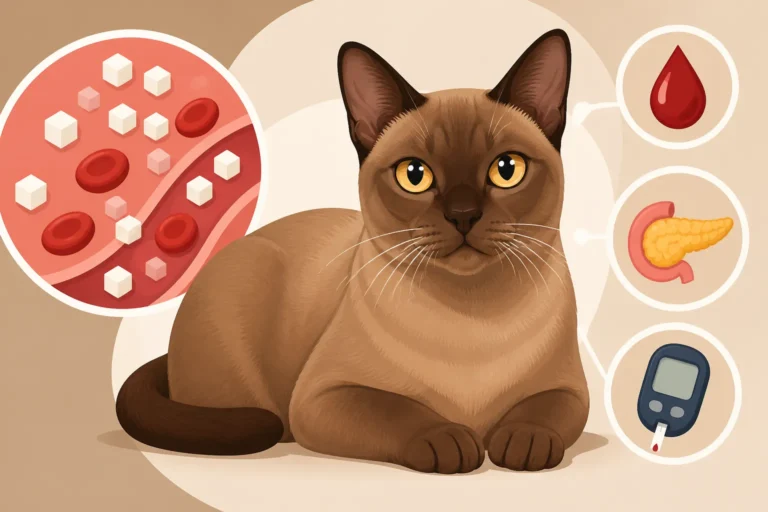
Perhaps the most significant health concern linked to weight in the Burmese is their alarming susceptibility to diabetes. This breed has a dramatically higher incidence of feline diabetes mellitus compared to almost any other cat breed. We're talking about a predisposition that makes them "Why a Burmese Is Four Times More Likely to Become Diabetic". This isn't a minor risk; it's a fundamental aspect of their breed health profile that every Burmese owner needs to be acutely aware of.
Excess body fat directly contributes to insulin resistance, which is the precursor to type 2 diabetes. Even a few extra pounds on a Burmese can significantly amplify this inherent risk. This means that for a Burmese, maintaining an ideal body weight isn't just good practice; it's a form of medical care. "Why Portion Control Is Medical Care in a Burmese" cannot be stressed enough. Every meal, every treat, needs to be considered in the context of their overall calorie intake and carbohydrate load. Owners must be diligent about providing a species-appropriate, low-carbohydrate diet and strictly adhering to measured portions to mitigate this risk. Understanding "How Much Weight Raises a Burmese's Diabetes Risk" is crucial. If your Burmese does become diabetic, the costs for care, including insulin and regular vet visits, can be substantial, making pet insurance from providers like Healthy Paws a wise consideration before any symptoms arise.
Joint Health and Mobility
While Burmese cats are known for their athleticism and playful nature, even into old age, carrying excess weight on their naturally dense frame can put undue strain on their joints over time. Just like in humans, extra pounds mean more pressure on hips, knees, and elbows with every jump, run, and even just standing. While they aren't typically known for severe orthopedic issues like some larger dog breeds, arthritis and other joint problems can still develop, especially as they enter their senior years.
An overweight Burmese may develop a slower gait, show reluctance to jump as high as they once did, or even display subtle signs of discomfort after vigorous play. These symptoms might be dismissed as simply "slowing down" or a natural part of aging, but they could be exacerbated by carrying more weight than their joints were designed for. Maintaining an ideal body condition throughout their life helps ensure that their powerful muscles and sturdy bones can continue to support their active lifestyle without premature wear and tear. It allows them to continue climbing onto your shoulder or enjoying their favorite games well into their golden years. This is part of ensuring "The Sixteen to Eighteen Years a Well Bred Burmese Gets" are filled with comfort and mobility.
Here’s a quick guide to understanding your Burmese’s body condition:
Body Condition Score (BCS) Description Burmese Characteristics
This is an informational article. I will refer to Healthy Paws as a pet insurance option naturally, especially when discussing the costs associated with chronic conditions like diabetes.
Why a Burmese is Heavier Than It Looks
You pick up your Burmese, and for a split second, you wonder if they've secretly swallowed a bowling ball. How can such a sleek, compact cat feel so surprisingly heavy? It's a question many Burmese owners ask, and trust me, you're not imagining it. This incredible density is one of the most distinctive, and frankly, delightful, traits of this truly unique breed. It's not about your cat being overweight; it’s about their extraordinary physical composition, making them feel like a miniature, muscular powerhouse beneath that famously soft coat.
The Burmese's Solid and Muscular Physique
The first, and most important, reason your Burmese feels heavier than their size suggests lies in their remarkable physical structure. Unlike many breeds that might have a more delicate bone structure or a fluffy coat that adds visual bulk, the Burmese is built like a tiny, feline bodybuilder. They are a medium-sized cat, but they are incredibly dense with muscle and have a substantial bone structure that belies their svelte appearance.
A "Brick Wrapped in Silk" Explained
This famous descriptor, "a brick wrapped in silk," perfectly captures the Burmese's essence. The "silk" refers to their exquisite, close-lying coat. It's so short, fine, and lacks an undercoat that it drapes smoothly over their contours, giving no hint of bulk. This makes them appear slender, almost delicate, at first glance. However, the "brick" is what truly surprises people. Beneath that luxurious, satin-like fur lies a cat that is remarkably solid, compact, and packed with powerful musculature. Think of it like this: if you compare a feather pillow to a memory foam pillow of the same size, the memory foam one is significantly heavier because it's denser. Your Burmese is the memory foam pillow of the cat world!
This density means that a healthy adult Burmese can weigh anywhere from 8 to 14 pounds, sometimes more, depending on gender and individual build, without being considered overweight. They might seem small enough to be picked up with one hand, but then you lift them, and their unexpected weight truly registers. This robust physique is what allows them to be such agile climbers and energetic players, bounding through your home with surprising grace and power. It’s also why they’ve earned the reputation of being a "dog in a cat's body" – their physical strength matches their energetic and often boisterous personality.
Differentiating Muscle from Excess Fat
While the Burmese's natural density is a breed hallmark, it can also be a bit of a trickster. It's easy for owners to mistake healthy muscle mass for a bit of extra padding, but it's equally easy to overlook actual weight gain because you're already accustomed to them feeling heavy. This is a critical distinction, especially given the Burmese's heightened risk for certain health conditions. Knowing how to tell the difference is paramount for their well-being.
A truly muscular Burmese will feel firm and solid when you run your hands along their body. You should be able to feel their ribs under a thin layer of muscle and skin, and their waist should be visible from above, tapering in slightly after their rib cage. If, however, your cat feels squishy or soft, especially around the belly or flanks, or if you can't easily feel those ribs, they are likely carrying too much fat. This is where the concern begins because extra fat, not extra muscle, is the culprit behind many preventable health problems in cats, particularly in breeds like the Burmese. It's a nuanced process to properly assess their condition, as even a perfectly proportioned Burmese can feel surprisingly substantial. You might want to refer to a comprehensive guide on "How to Score a Burmese's Body Condition" for more detailed steps.
Monitoring Your Burmese's True Body Condition
Since the scale alone can be misleading for such a dense breed, a holistic approach to monitoring your Burmese's physical condition is vital. This involves a combination of regular hands-on assessment, consistent weighing, and a deep understanding of their unique dietary needs. It's a proactive step that can make a world of difference in their overall health and longevity.
The Hands-On Body Assessment
Beyond just looking, you need to feel your Burmese. This tactile examination is the most reliable way to assess their body condition accurately.
- Rib Check: Gently run your fingertips along your cat's rib cage, just behind their front legs. You should be able to feel each individual rib, much like feeling the back of your hand. There should be a minimal layer of fat covering them, but they shouldn't be sharp or excessively prominent. If you have to press firmly to feel the ribs, your Burmese is carrying too much weight.
- Spine and Hip Bones: Move your hands along their spine and over their hips. You should be able to feel these bony prominences under a light covering. Again, they shouldn't be overtly sharp, but neither should they be entirely hidden by a thick layer of flesh. A healthy Burmese will have a firm, muscular feel across their back.
- Waistline and Abdominal Tuck: Stand above your cat and look down at their body. There should be a distinct "waist" where their body narrows slightly behind the rib cage. From the side, their belly should tuck up slightly rather than hanging low or bulging. This "tuck" signifies a trim abdomen, crucial for assessing their overall condition.
Regularly performing these checks helps you become intimately familiar with your individual cat's healthy physique. It allows you to quickly detect subtle changes that might indicate weight gain long before it becomes obvious just by looking. This vigilance is a key part of caring for "Caring for a Burmese Past Twelve" and ensuring they remain spry.
The Importance of Consistent Weigh-Ins
While the hands-on assessment provides qualitative data, consistent weigh-ins offer crucial quantitative information. For a Burmese, weekly or bi-weekly weighing is highly recommended. Because their dense build can hide incremental weight gain, a digital scale becomes your best friend in catching those sneaky extra ounces before they become pounds.
The best way to weigh your Burmese is to step on a human digital scale yourself, note your weight, then pick up your cat and step on the scale again. Subtract your weight from the combined weight to get your cat's accurate measurement. Always try to do this at the same time of day, ideally before their first meal, to ensure consistency. Keep a log of these weights. Over time, you’ll establish your Burmese’s healthy weight range. If you notice a consistent upward trend, it's a clear signal to reassess their diet and activity levels. This is a simple but powerful habit that can prevent many health complications down the line. If you're looking for more guidance on this, consider resources on "How to Weigh a Burmese Accurately at Home".
Addressing Health Risks Associated with Weight in Burmese Cats
The fascinating density of the Burmese cat, while contributing to their unique charm and strength, also places a greater responsibility on owners to meticulously manage their weight. Underestimating their predisposition to certain conditions, especially when compounded by even modest weight gain, can have profound long-term health consequences. Being proactive about their diet and lifestyle isn't just about keeping them sleek; it's about protecting their very health and lifespan.
Managing the Diabetes Risk through Diet
The Burmese breed carries a genetic predisposition to diabetes mellitus at a rate significantly higher than most other cat breeds. This means that for a Burmese, maintaining an ideal body condition is not merely good pet ownership; it is a critical component of preventative healthcare. Even a small amount of excess body fat can exacerbate this inherent risk by leading to insulin resistance, making their bodies less efficient at managing blood sugar. This is why for a Burmese, the question of "Which Diet Puts a Burmese Into Remission" is often considered before a diagnosis, as a preventative measure.
Therefore, diet is paramount. Burmese cats thrive on a high-protein, low-carbohydrate diet, mirroring what their ancestors would have eaten in the wild. Free-feeding, where food is left out all day, is a recipe for disaster for this breed. Instead, portion-controlled, measured meals of wet food (which typically has a lower carbohydrate content than dry kibble) are highly recommended. Every calorie counts, and understanding "How Many Calories a Diabetes Prone Burmese Should Get" is essential. Your veterinarian can help you determine the precise caloric needs for your individual cat based on their age, activity level, and current body condition. Investing in high-quality, appropriate food is one of the best investments you can make in your Burmese’s long-term health, and should they develop diabetes, the lifetime costs can be substantial, underscoring the value of comprehensive pet insurance from companies like Healthy Paws.
Joint Health and Lifespan Considerations
While the Burmese are athletic and robust, their natural density means that any additional weight puts extra strain on their joints. While not as prone to certain orthopedic issues as some larger breeds, the long-term impact of carrying excess weight can lead to conditions like arthritis, especially as they age. An overweight Burmese might not show obvious lameness, but you might notice subtle changes in their behavior: hesitating before jumping, being less enthusiastic about play, or even just sleeping more. These can be early indicators of joint discomfort.
Maintaining an ideal weight ensures that their powerful musculature continues to support their skeletal system effectively, allowing them to remain active, agile, and comfortable well into their senior years. This focus on physical condition contributes significantly to their overall quality of life and can extend their period of comfortable mobility. Regularly engaging them in play, especially with interactive toys that encourage jumping and running, can help maintain their muscle tone and flexibility. As your Burmese gets older, you'll be glad you prioritized their physical condition, as it will impact "What an Old Burmese Slows Down From" and how gracefully they age. Should any age-related joint issues arise, your vet can recommend supplements or therapies, and having pet insurance from a provider like Healthy Paws can certainly ease the financial burden of ongoing care.
Disclaimer
This article is for general informational purposes only and does not constitute professional advice. Laws, prices and regulations vary by location and change over time. Consult a qualified professional for guidance on your specific situation.