Whether a Burmese Is a Low Anesthetic Risk
The thought of your beloved Burmese cat undergoing anesthesia is enough to send shivers down any pet parent's spine. It's a natural worry, picturing your vibrant, affectionate companion lying still and vulnerable. You want to know if your particular breed, with its unique characteristics and predispositions, faces any elevated risks. This guide is here to shed light on what makes a Burmese's anesthetic experience safe and manageable, addressing your concerns head-on.
Understanding Anesthesia in Cats: General Concerns
Before we dive into the specifics of our beautiful Burmese friends, it’s important to understand that any medical procedure involving anesthesia, no matter how routine, carries a degree of inherent risk for any animal. This isn't to frighten you, but rather to ground our discussion in reality and emphasize why preparation and vigilance are absolutely paramount. It's not about being alarmist, but about being informed and proactive.
Why Anesthesia Always Carries Some Risk
When a cat is placed under general anesthesia, a delicate balance is at play. Their brain, heart, lungs, and kidneys are all temporarily affected by the medications. The goal is to achieve a state where they are unconscious, pain-free, and immobile for a procedure, while carefully monitoring their vital signs to ensure their body is coping. It's essentially a controlled, temporary shutdown of certain bodily functions.
The risks, though generally low with modern protocols, can include things like a drop in blood pressure, irregular heart rhythms, decreased breathing, or even difficulties regulating body temperature. In very rare cases, more severe complications can arise, such as allergic reactions to medications, organ damage, or even cardiac arrest. This is precisely why your veterinary team takes so many precautions, from pre-anesthetic blood work to continuous monitoring during the procedure, trying to anticipate and mitigate any potential issues before they become serious. They are constantly juggling the need for a deep enough plane of anesthesia for the procedure with keeping your cat's body as stable as possible.
Factors Influencing General Anesthetic Risk
The actual risk level isn't a fixed number; it's a dynamic assessment based on several critical factors unique to each individual cat. Think of it like a personalized risk profile. The age of your cat plays a significant role. Very young kittens or senior cats often have less physiological reserve, meaning their bodies might not bounce back as quickly or tolerate fluctuations as well as a healthy adult. An old Burmese, for instance, might already be dealing with subtle changes in organ function that aren't apparent without specific testing.
Then there are existing health conditions. A cat with undiagnosed heart disease, kidney issues, or diabetes will inherently face a higher risk because these conditions can compromise how they metabolize anesthetic drugs or how well their organs function under stress. Even conditions that seem minor can sometimes have a ripple effect. The type of procedure also matters. A quick dental cleaning under light anesthesia might carry a different risk profile than a lengthy abdominal surgery requiring deeper, longer-lasting sedation. The longer a cat is under, the more opportunity there is for subtle changes to occur, which is why monitoring becomes even more critical.
Specific Considerations for Burmese Cats and Anesthesia
Now, let's bring it home to our wonderful Burmese cats. While they are generally a robust and healthy breed, there are certainly specific predispositions that, if not managed, could influence their anesthetic risk. Understanding these isn't about fear; it's about being prepared and working closely with your vet.
Common Health Concerns in Burmese That Impact Anesthesia
Burmese cats are renowned for their playful nature and deep affection, but like all breeds, they do have a genetic blueprint that can predispose them to certain health issues. One of the most significant concerns for a Burmese undergoing anesthesia is their heightened risk for developing diabetes mellitus. In fact, a Burmese is four times more likely to become diabetic than many other breeds. If your Burmese is diabetic, or even pre-diabetic, it's a game-changer for anesthesia. Blood sugar levels need to be meticulously controlled before, during, and after the procedure, as anesthesia can cause fluctuations. Insulin protocols might need adjustment, and recovery can be slower.
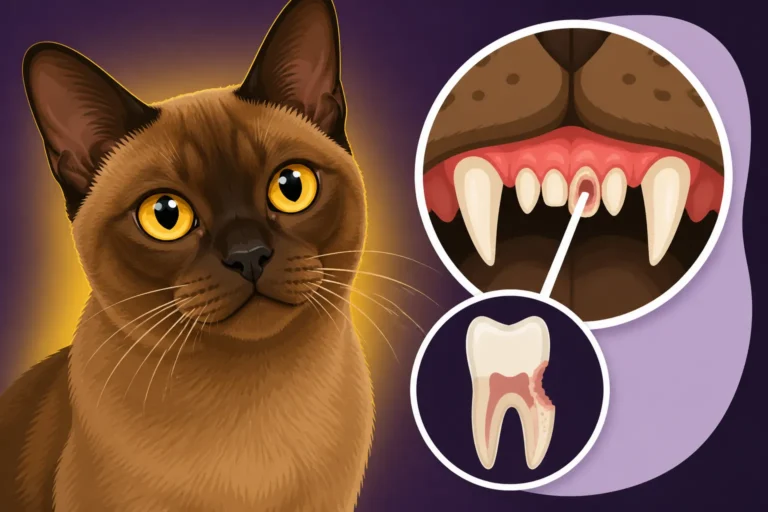
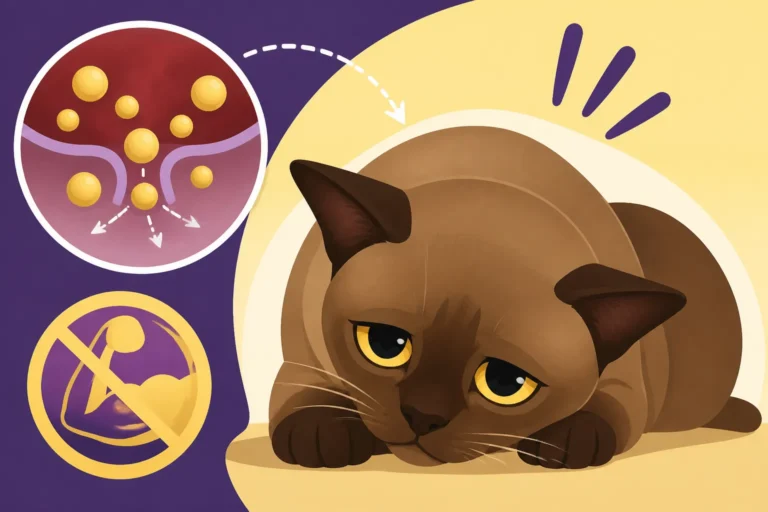
Beyond diabetes, we also need to consider other age-related conditions. As Burmese cats age, kidney disease is a common concern, just as it is for many senior felines. Compromised kidney function means anesthetic drugs, which are often metabolized and excreted by the kidneys, can build up in the system, leading to prolonged recovery or even kidney damage. Similarly, while not as prevalent as in some other breeds like Maine Coons, heart conditions such as hypertrophic cardiomyopathy (HCM) can occur. A heart murmur, if detected, necessitates further investigation because an underlying heart condition can significantly increase anesthetic risk, as the heart may struggle to maintain adequate blood flow under the stress of sedation. Hypokalemia, a temporary condition in some Burmese that causes muscle weakness due to low potassium, is another unique concern, though typically seen in younger cats and manageable with supplements. Even gum disease, which is unfortunately quite common in the breed as they get older, requires a dental procedure involving anesthesia, meaning their overall health needs to be assessed carefully for this seemingly routine event.
The Importance of Pre-Anesthetic Screening for Burmese
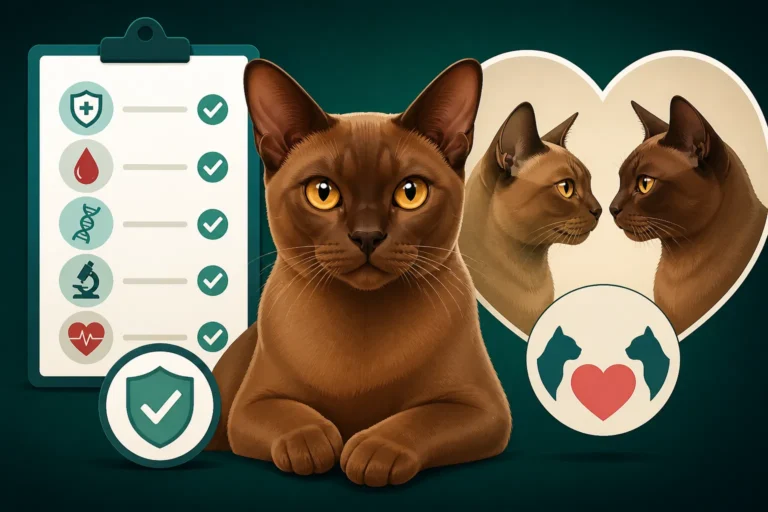
Given these breed-specific predispositions and general feline health concerns, comprehensive pre-anesthetic screening isn't just a good idea for a Burmese; it's absolutely essential. This isn't an optional add-on; it's a critical step in ensuring their safety. Your vet will recommend a battery of tests designed to catch any hidden issues before anesthesia begins.
This typically includes a full physical examination, where the vet will listen to the heart and lungs, check gum color, and assess overall body condition. Beyond that, blood work is crucial. A complete blood count (CBC) can reveal anemia or infection, while a blood chemistry panel gives insights into organ function, particularly the kidneys and liver, and electrolyte balance. For a Burmese, a specific focus on blood glucose levels is paramount, especially as they approach middle age. Your vet might even suggest a fructosamine test to get a longer-term picture of their glucose regulation, giving a clearer indication of whether a Burmese has diabetes. Depending on the cat's age, history, and physical exam findings, your vet might also recommend a urinalysis to check kidney function more thoroughly, or even an electrocardiogram (ECG) or cardiac ultrasound (echocardiogram) if a heart murmur is detected or there's any suspicion of underlying heart disease. Catching these issues beforehand allows the veterinary team to tailor the anesthetic protocol, select safer drugs, and have appropriate monitoring and support in place, turning a potential high-risk situation into a carefully managed one. This diligent screening truly is the cornerstone of a safe anesthetic experience.
Minimizing Anesthetic Risk in Your Burmese
The good news is that with modern veterinary medicine, the risks associated with anesthesia for a Burmese can be significantly minimized. It’s a team effort between you, your vet, and sometimes even a specialist. Your role as an owner is vital in this process, starting with your choice of care provider and how you prepare your cat.
Choosing the Right Veterinary Care Team
When it comes to anesthesia, the expertise of your veterinary team makes an enormous difference. You want a vet clinic that isn't just performing the procedure but is committed to providing the highest standard of anesthetic care. This means asking questions. Do they have dedicated veterinary nurses or technicians whose sole job during anesthesia is to monitor your cat's vital signs? What kind of monitoring equipment do they use? Look for clinics that use multi-parameter monitors, which track heart rate, respiratory rate, blood pressure, oxygen saturation, and body temperature. These advanced tools provide continuous, real-time data, allowing the team to react quickly to any changes.
Furthermore, inquire about their anesthetic protocols. Are they using modern, reversible anesthetic agents that allow for a smoother induction and recovery? Do they tailor their drug choices to the individual cat's health profile, especially considering any breed-specific concerns for a Burmese? A clinic that prioritizes individualized care, has up-to-date equipment, and a well-trained, experienced team will provide you with the most peace of mind. Don't be afraid to ask for a tour of their facilities or to speak with the technician who will be monitoring your cat. It's your cat's health, and you have every right to be fully informed and confident in their care.
Preparing Your Burmese for Anesthesia
Once you've chosen your veterinary team, your preparation at home is the next crucial step. The night before, or as instructed by your vet, your Burmese will likely need to fast from food. This is incredibly important to prevent aspiration pneumonia, where vomit could be inhaled into the lungs during anesthesia. Water is usually fine up until the morning of the procedure, but always follow your vet's specific instructions.
If your Burmese takes regular medications, discuss these thoroughly with your vet during the pre-anesthetic consultation. Some medications, like certain heart drugs or insulin for a diabetic Burmese, may need to be given or withheld, or their dosage adjusted on the day of the procedure. For example, a diabetic Burmese might receive a reduced dose of insulin along with a small meal, or no insulin at all, depending on the vet's specific plan to manage blood sugar during fasting and anesthesia.
On the day itself, try to keep your Burmese as calm and stress-free as possible. Use a familiar carrier, line it with a favorite blanket, and keep the journey to the vet quiet. A stressed cat can have elevated heart rates and blood pressure, which can complicate anesthesia. Some vets may even suggest a mild sedative beforehand if your cat is particularly anxious. Remember, your vet isn't just looking at the procedure itself, but the entire experience from drop-off to pickup.
Post-Anesthetic Care and Monitoring
The journey doesn't end when your Burmese wakes up from anesthesia. The recovery period, both at the clinic and especially once they're back in your familiar home, is a critical phase. This is where your watchful eye becomes invaluable.
What to Expect Immediately After Anesthesia
When you pick up your Burmese, they will likely still be a little groggy, disoriented, or even a bit irritable. This is completely normal as the anesthetic drugs wear off. Their pupils might be dilated, and they might wobble a bit when they try to walk. They may also shiver, as anesthesia can lower body temperature, or cry out softly, which isn't necessarily pain but rather disorientation.
Your veterinary team will provide detailed discharge instructions, which are vital to follow meticulously. They'll tell you about any medications your Burmese needs, specific feeding instructions, and what warning signs to look out for. Often, they’ll recommend offering small amounts of water and then a small, bland meal a few hours after arriving home, if your cat isn't nauseous. It's common for appetite to be suppressed for the first 12-24 hours. They will typically monitor your cat closely at the clinic for several hours post-procedure, ensuring they are stable and alert before sending them home to you.
Home Care and Watching for Complications
Once your Burmese is home, set them up in a quiet, warm, and comfortable space away from other pets or young children. Provide a litter box, food, and water close by, so they don't have to navigate much while they're still unsteady. Continue to monitor them closely for the next 24-48 hours.
What should you be looking for? Keep an eye on their appetite and water intake; a return to normal eating and drinking is a good sign. Observe their litter box habits – ensure they are urinating and, eventually, passing stool. If they had surgery, check the incision site daily for any signs of redness, swelling, discharge, or if your Burmese is excessively licking or bothering it. Lethargy that persists beyond 24-48 hours, persistent vomiting or diarrhea, difficulty breathing, unresponsiveness, or any signs of severe pain are all red flags that warrant an immediate call to your vet. Don't hesitate to reach out to your clinic if you have any concerns, no matter how small they seem. It's always better to be overly cautious when it comes to post-anesthetic recovery. Remember, having pet insurance, like a policy from Healthy Paws, can offer significant financial relief and peace of mind should any unexpected complications arise after such a procedure.
| Pre-Anesthetic Test | Why it's Important for Your Burmese |
|---|---|
| Physical Exam | Assesses overall health, listens for heart/lung abnormalities, checks hydration. |
| Complete Blood Count (CBC) | Screens for anemia, infection, inflammation. |
| Blood Chemistry Panel | Evaluates organ function (kidneys, liver), blood glucose levels, electrolytes – crucial for diabetes-prone Burmese and drug metabolism. |
| Urinalysis | Provides detailed information on kidney function, screens for urinary tract infections or other kidney issues, especially important in older Burmese. |
| Fructosamine Test | Offers a 2-3 week average of blood glucose, highly valuable for identifying or monitoring diabetes in Burmese. |
| ECG / Echocardiogram | Recommended if a heart murmur is detected to rule out underlying heart disease like HCM, which can increase anesthetic risk. |
Your Burmese, with its strong bonds and loving nature, deserves the best care possible. While no anesthetic procedure is without any risk, a comprehensive approach that includes thorough pre-screening, a skilled veterinary team, and diligent post-operative care makes it a very low and manageable risk for most Burmese cats. By understanding their unique predispositions and being an active participant in their health journey, you can help ensure they sail through any necessary procedures safely and comfortably. For further information on managing long-term health concerns, you might want to read about topics like Why a Burmese Is Four Times More Likely to Become Diabetic or Caring for a Burmese Past Twelve. Understanding What a Heart Murmur Means in a Burmese can also empower you to discuss cardiac screening with your vet. Similarly, knowing How Kidney Disease Arrives in an Old Burmese prepares you for age-related health changes. Lastly, being proactive about Why a Burmese Is Prone to Gum Disease can prevent future anesthetic procedures for dental work.
Disclaimer
The information provided in this article is for general informational purposes only and is not intended as a substitute for professional veterinary advice, diagnosis, or treatment. Always seek the advice of your veterinarian or other qualified animal health provider with any questions you may have regarding a medical condition or treatment for your Burmese cat. Never disregard professional veterinary advice or delay in seeking it because of something you have read in this article.