What a Burmese Kitten’s First Exam Should Cover
Bringing home a tiny, purring Burmese kitten is pure joy, but it also comes with the weighty responsibility of ensuring their long-term health. Many new owners feel overwhelmed, wondering if they're missing something crucial, especially with a breed known for certain predispositions and their unique, affectionate nature. This comprehensive guide will walk you through exactly what a thorough first veterinary exam for your new Burmese kitten should cover, offering peace of mind and setting them up for a vibrant life.
The Initial Nose-to-Tail Health Assessment
When you first bring your delightful Burmese kitten to the vet, the visit isn't just about getting a few shots. It’s a crucial opportunity for a complete head-to-tail check-up, establishing a baseline for their health and catching any immediate concerns. Think of it as their very first comprehensive wellness interview! Your veterinarian will methodically go through every part of your kitten, often while you're busy marveling at how cooperative your little purr-machine is being.
Comprehensive Physical Examination
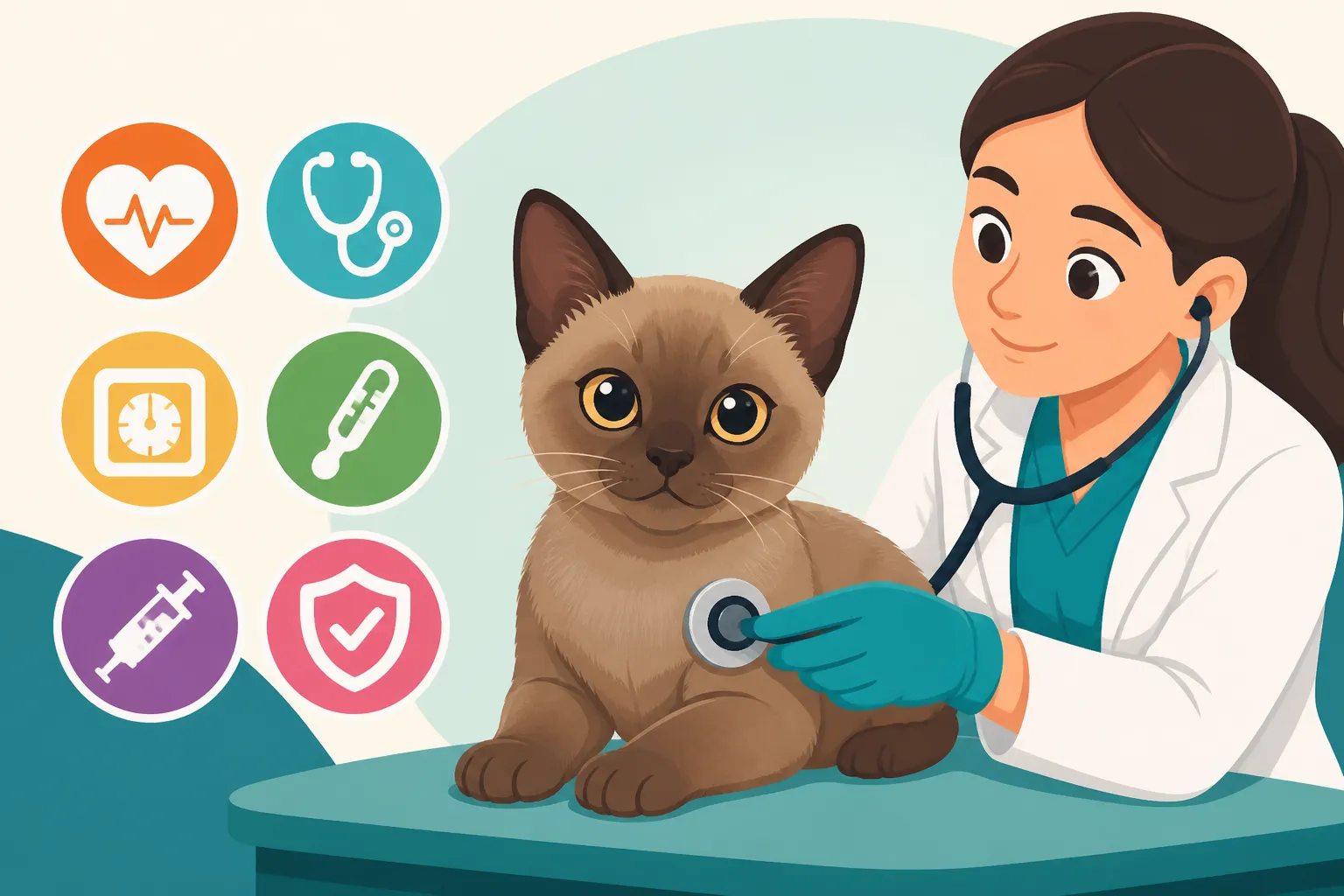
The physical exam is the cornerstone of any initial vet visit. Your vet will begin by observing your kitten's general demeanor, how they move, and their level of alertness. A healthy Burmese kitten should be curious, playful, and responsive, with bright, clear eyes. They'll then move into a more hands-on assessment. They'll feel for lymph nodes, check the inside of their ears for any signs of mites or infection, and peer into those famously expressive eyes for clarity and proper function. It's often during this part of the exam that a vet might notice if a kitten's eyes weep in the corners, which can be a common minor issue for some Burmese.
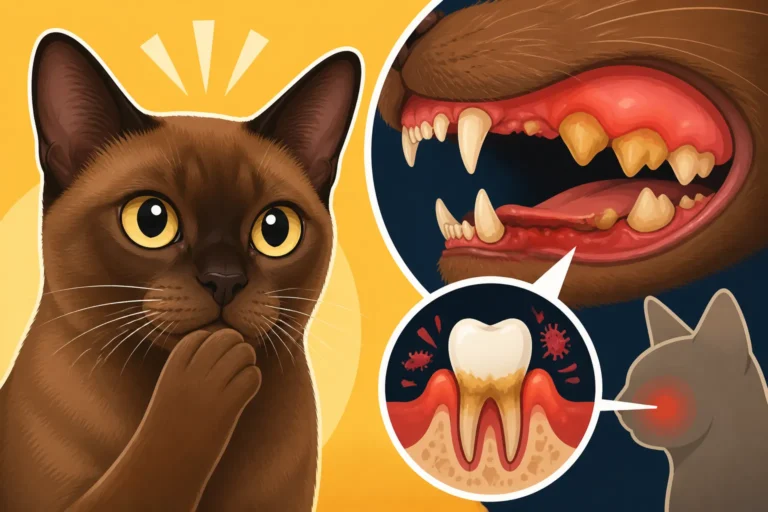
Next, the vet will gently open your kitten’s mouth to examine their gums and developing teeth. They're looking for any signs of inflammation, malocclusion (misalignment of the bite), or issues with the tiny, sharp kitten teeth. Early dental care, even for kittens, is surprisingly important for Burmese cats due to their predisposition to gum disease later in life. A healthy mouth now means a better chance at preventing future problems. They'll listen to the heart and lungs with a stethoscope, checking for any murmurs, irregular rhythms, or signs of respiratory congestion. This is particularly important because while it's less common than in some other breeds, a Burmese can still develop heart conditions like HCM. Finally, they’ll palpate the abdomen to check for any abnormalities in the internal organs, ensuring everything feels normal and there are no signs of discomfort or swelling. They'll also run their hands over the spine and limbs, checking for any structural issues, lameness, or pain response.
Checking for Parasites and Basic Infections
Beyond the physical exam, a key part of the first vet visit for your Burmese kitten involves screening for common internal and external parasites, as well as general infections. This is where your vet will typically ask for a fresh stool sample, so don't be surprised if they request you bring one along or have you collect one during the visit! This sample will be analyzed under a microscope to detect the presence of intestinal worms like roundworms, hookworms, or tapeworms, and microscopic parasites like Coccidia or Giardia. Even if your kitten came from a clean environment, parasites can be surprisingly common in young animals, and early detection and treatment are crucial for their developing immune system and overall health.
Additionally, your vet will closely inspect your kitten's coat and skin for any signs of external parasites, such as fleas or ear mites. While a well-bred Burmese with its short, satin coat might seem less prone to these hitchhikers, even one flea can lead to significant discomfort and skin irritation. They'll also talk to you about any coughs, sneezes, or discharge from the eyes or nose, which could indicate an upper respiratory infection – a common ailment in young kittens, especially if they've been in a multi-cat environment like a cattery. Knowing what a Burmese kitten's first exam should cover gives you the confidence to ask about these specific checks. A good veterinary clinic will provide a comprehensive deworming schedule and discuss flea and tick prevention strategies tailored to your kitten’s age and lifestyle, ensuring they start their new life parasite-free.
Addressing Breed-Specific Health Concerns Early
The Burmese cat, with its delightful personality and stunning good looks, also comes with certain genetic predispositions that responsible owners need to be aware of. A thorough first vet exam isn't just about general health; it’s about proactively addressing these breed-specific concerns to give your kitten the best possible start. This is where a knowledgeable vet, familiar with the Burmese breed, becomes an invaluable partner.
Genetic Screening and DNA Test Discussions
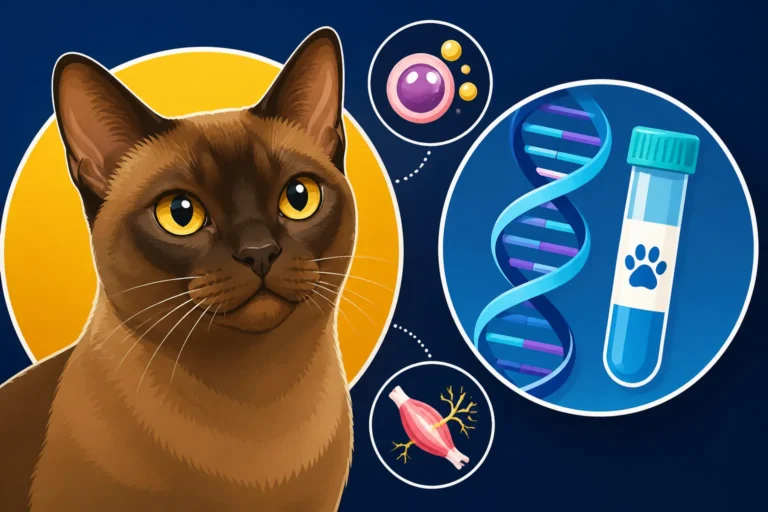
One of the most critical aspects of a Burmese kitten's first exam, especially if you haven't received comprehensive documentation from your breeder, is the discussion around genetic screening. Responsible breeders will typically have already performed DNA tests on the parents, but it's always good to confirm and understand these results. Your vet can explain which tests belong on a Burmese DNA panel. The most well-known genetic condition in Burmese cats is Hypokalemia, a temporary muscular weakness caused by low potassium levels. It's a recessive trait, meaning a kitten needs two copies of the affected gene to show symptoms. Your vet can discuss how the Burmese Hypokalemia test is read and what a "carrier" result means for potential future breeding, even if your kitten is destined to be a beloved pet.
Beyond Hypokalemia, there are other genetic conditions that, while less common, are worth discussing. For instance, some Burmese lines can be prone to GM2 Gangliosidosis, a severe neurological disorder. While a test for this might not be standard in all panels, understanding its potential presence in the breed and how early GM2 shows in a Burmese can help you be vigilant. Your vet can guide you on the importance of these genetic screenings, not just for the individual kitten's health, but for the overall health of the breed. If your breeder hasn't provided this information, your vet might recommend specific tests for your kitten, offering peace of mind or allowing for early management if any issues are detected. This proactive approach is fundamental to caring for your unique Burmese companion.
Detecting Congenital Conditions
Beyond genetic predispositions, some conditions can manifest from birth, known as congenital conditions, and a good first vet exam is designed to catch these early. One such condition, though thankfully rare, is Flat Chested Kitten Syndrome (FCKS). While it sounds alarming, it means exactly what it says: a kitten's chest appears flattened. During the physical exam, your vet will pay close attention to the shape of the chest cavity and listen carefully to the lungs, especially noting any unusual breathing sounds. Early detection of FCKS is crucial because it can impact lung development and breathing ability. Your vet can discuss the prognosis and whether a flat chested Burmese kitten recovers, and what management might involve if it's present.
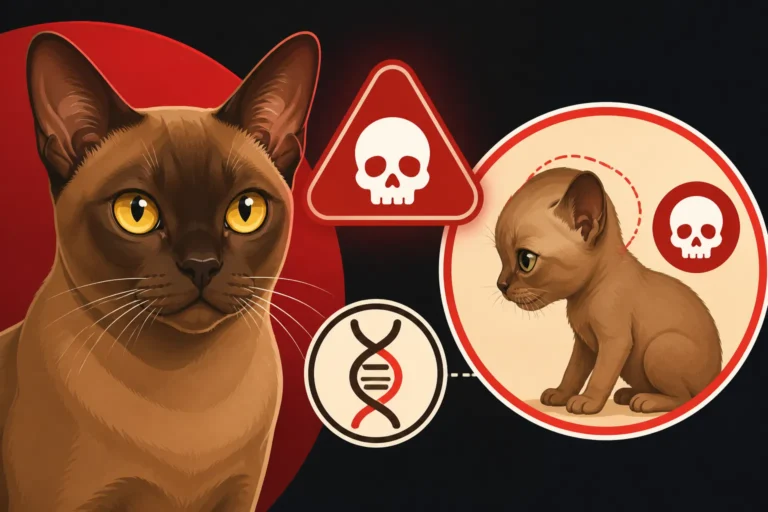
Another congenital concern is a Burmese head defect, which is a lethal and recessive condition, characterized by severe deformities of the skull and brain, often leading to stillbirth or death shortly after birth. While a reputable breeder should screen for this, your vet will still do a careful examination of the head and face, checking for symmetry and any signs of abnormal development. These kinds of checks are part of "What a Burmese breeder must test before any mating" to ensure that such tragic conditions are avoided. While most Burmese kittens are born perfectly healthy, being aware of these possibilities and having your vet perform a thorough check gives you the best chance to identify and address any issues promptly, even if it's just to reassure you that your kitten is perfectly formed.
Discussing Diabetes Risk Factors and Prevention
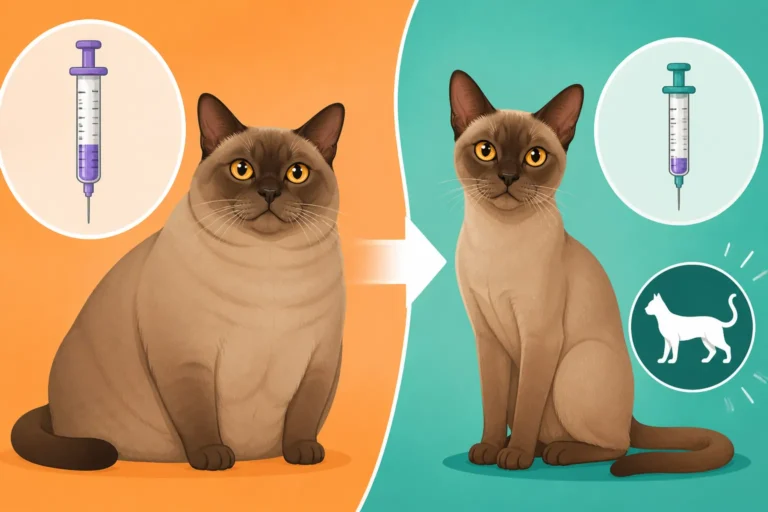
The Burmese breed is unfortunately known for its significantly higher risk of developing diabetes mellitus compared to other cat breeds. This isn't just a casual concern; it's a major health consideration for every Burmese owner. Your kitten's first vet exam is the perfect time to start this vital conversation. Your vet will explain that the Burmese has the highest diabetes rate of any cat breed, and why your Burmese is four times more likely to become diabetic. They’ll emphasize the importance of preventative measures from day one.
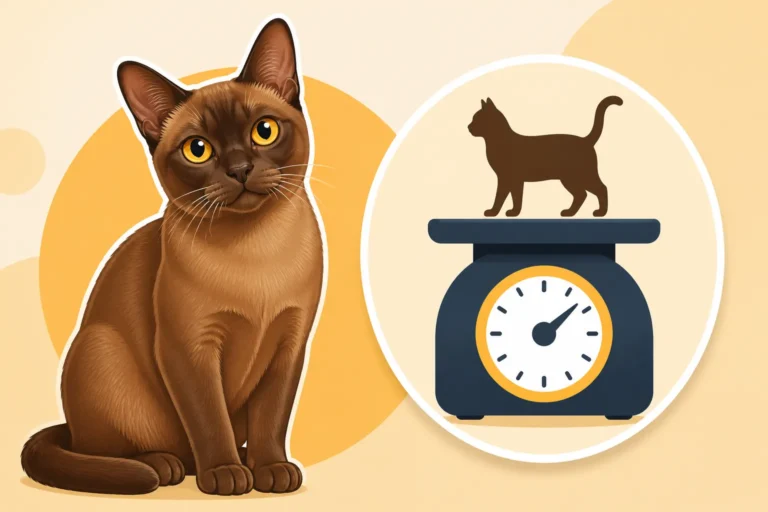
The discussion will likely center around nutrition and weight management. Your vet will stress that portion control is medical care in a Burmese, highlighting the critical role diet plays in mitigating this risk. They'll talk about appropriate kitten nutrition, focusing on high-protein, low-carbohydrate wet food, and how to avoid overfeeding. They might even teach you how to weigh a Burmese accurately at home so you can meticulously manage their food intake. Understanding this risk early allows you to establish healthy habits that can significantly reduce the chances of your beloved companion developing diabetes later in life. This proactive approach, including regular weight monitoring and dietary adherence, is one of the most impactful things you can do for your Burmese’s long-term health, and good insurance plans like those from Healthy Paws can help manage costs if diabetes does unfortunately develop down the line.
Establishing a Strong Foundation for Lifelong Wellness
Beyond diagnosing any immediate issues, the first vet visit for your Burmese kitten is about laying the groundwork for a lifetime of health and happiness. It's a time for preventative care, establishing routines, and planning for the future, ensuring your highly social and affectionate companion thrives in your home.
Vaccination Schedule and Preventative Measures
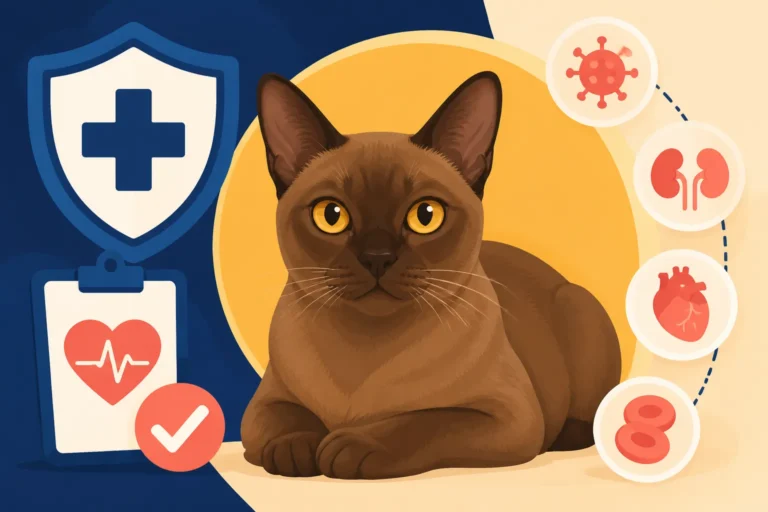
One of the most crucial aspects of your Burmese kitten's first vet visit is establishing their vaccination schedule. Kittens, especially those venturing into new homes, are vulnerable to a host of infectious diseases. Your vet will outline which vaccines an indoor Burmese needs, typically starting with the core vaccines for feline panleukopenia (distemper), feline herpesvirus, and feline calicivirus. Depending on your kitten’s lifestyle and local regulations, they may also recommend the rabies vaccine. These vaccinations are usually given in a series of boosters over several weeks to ensure robust immunity. Your vet will explain the timing of these shots and why it's so important to complete the full series, even if your kitten seems perfectly healthy.
Beyond vaccinations, your vet will discuss year-round preventative measures against parasites. This includes ongoing deworming protocols, especially if your kitten goes outdoors or is exposed to other animals, and regular flea and tick prevention. There are various safe and effective products available, from topical treatments to oral medications, and your vet can help you choose the best option for your Burmese kitten. They'll also touch upon the importance of regular health check-ups, even after the initial kitten series is complete. These early visits, often starting with "Why a Burmese kitten needs an early vet check," are not just about shots; they are about proactive discussions on preventative care, ensuring your Burmese stays healthy and protected from common ailments throughout their life.
Nutrition, Weight Management, and Dental Care Plans
As we've discussed, nutrition is paramount for a Burmese, especially given their diabetes predisposition. During this first exam, your vet will delve deeper into a comprehensive nutrition and weight management plan. They’ll reiterate the importance of a high-protein, low-carbohydrate diet, ideally wet food, and precise portion control. You'll learn how to accurately measure your kitten's food to prevent overfeeding, which is incredibly easy to do with a Burmese since they never seem to feel full! They can provide guidance on specific brands or types of food that meet these nutritional requirements, ensuring your kitten grows up lean and healthy.
Alongside diet, dental care will be introduced as a lifelong necessity. Due to their propensity for gum disease and early receding gums, starting a dental routine as a kitten is highly beneficial. Your vet will show you how to start brushing a Burmese's teeth from twelve weeks, making it a positive and manageable experience. This early introduction can make a huge difference in preventing costly and painful dental issues down the road. They'll also discuss monitoring your kitten’s weight and body condition score as they grow, teaching you how to feel a Burmese's ribs under a satin coat to ensure they maintain an ideal physique. This holistic approach to nutrition, weight, and dental care is essential for the long and vibrant life of your Burmese, minimizing future health complications.
Microchipping and Future Care Planning
The first vet visit is also the ideal time to discuss microchipping your Burmese kitten. A microchip is a tiny, rice-sized transponder implanted under the skin, usually between the shoulder blades. It carries a unique identification number that can be scanned by animal shelters or vet clinics, vastly increasing the chances of being reunited with your pet if they ever get lost. Given the trusting nature of Burmese cats, who often have no road sense and might follow a stranger, a microchip is an indispensable safety measure. Your vet can perform this quick and relatively painless procedure right there in the clinic.
Finally, this initial consultation is an excellent opportunity to think ahead about your Burmese's entire lifespan, from kittenhood to Caring for a Burmese Past Twelve. You’ll discuss how often a healthy adult Burmese needs checking, typically annually for boosters and a wellness exam. Your vet might even suggest pet insurance, especially given the breed's predispositions. Companies like Healthy Paws offer comprehensive plans that can help manage unexpected veterinary costs, particularly if chronic conditions like diabetes or hypokalemia emerge later in life. Discussing their future needs, from routine care to potential age-related issues, helps you prepare financially and emotionally, ensuring you can provide the best possible care for your cherished Burmese companion for many, many years to come.
Kitten's First Vet Exam Checklist
| Area Examined | Key Checks | Why It Matters for a Burmese |
|---|---|---|
| General Demeanor | Alertness, playfulness, responsiveness | Indicator of overall health and mental well-being |
| Eyes | Clear, bright, no discharge, proper pupil response | Detects infections, corneal issues; checks for tearing in eye corners |
| Ears | Clean, no redness, discharge, or mites | Identifies ear infections or parasites |
| Mouth & Teeth | Healthy gums, proper bite, no dental anomalies | Early detection of gum disease, important for a breed prone to it |
| Heart & Lungs | Clear sounds, regular rhythm, no murmurs | Screens for respiratory issues and congenital heart conditions |
| Abdomen | Soft, non-painful, no masses or distension | Checks for organ abnormalities, discomfort |
| Musculoskeletal | No lameness, pain, or deformities; chest shape | Important for detecting Flat Chested Kitten Syndrome and injuries |
| Coat & Skin | Healthy, no parasites, lesions, or irritation | Checks for fleas, mites, skin infections |
| Parasite Screen | Fecal exam for worms, protozoa | Essential for deworming and preventing GI issues |
| Vaccination | Age-appropriate core vaccines | Builds immunity against common feline diseases |
| Microchip | Implantation and registration | Vital for identification and reunion if lost |
| Genetic History | Review breeder's DNA test results | Discusses Hypokalemia, GM2 Gangliosidosis risk factors |
| Nutrition Plan | High-protein, low-carb diet, portion control | Crucial for diabetes prevention, maintaining healthy weight |
| Dental Care | Brushing introduction, gum health education | Proactive approach to a breed prone to dental disease |
Disclaimer
Please remember that this guide provides general information and recommendations. Every Burmese cat is unique, and individual health needs may vary. Always consult with a qualified veterinarian for personalized advice, diagnosis, and treatment plans for your specific pet. This information should not be used as a substitute for professional veterinary care.