How Kidney Disease Arrives in an Old Burmese
Watching our beloved Burmese cats age can be a bittersweet experience. One day they’re chasing toys like kittens, and the next you notice them a little slower, a little less enthusiastic. This transition often brings worries about their health, and for many senior felines, a major concern that silently creeps in is kidney disease. It's a condition that can be truly heartbreaking because it often progresses unnoticed until it's quite advanced, leaving us feeling helpless. This guide aims to shed light on how kidney disease commonly arrives in an older Burmese, helping you understand the subtle signs and proactive steps you can take to give your cherished companion the longest, happiest life possible.
Understanding Kidney Function in Burmese Cats
Our cats’ kidneys are absolutely incredible organs, tirelessly working behind the scenes to keep them healthy. When you understand just what these bean-shaped wonders do, it makes the potential impact of kidney disease all the more clear.
The Vital Role of Kidneys
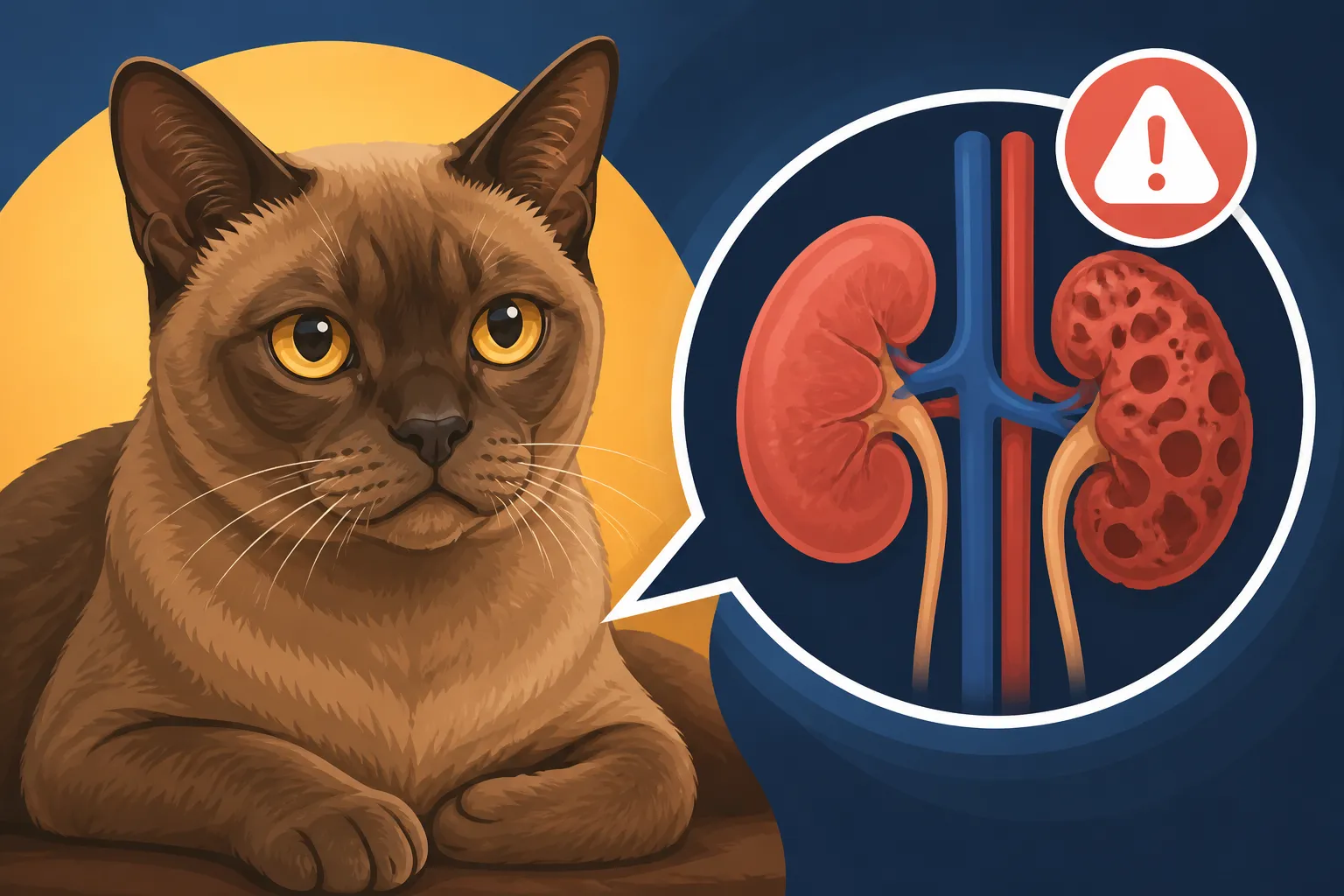
Think of your Burmese's kidneys as the ultimate filtration system, a highly efficient purification plant within their tiny bodies. Their primary job is to filter waste products, toxins, and excess minerals from the blood, then excrete them through urine. This process isn't just about getting rid of the bad stuff; kidneys also play crucial roles in maintaining electrolyte balance, regulating blood pressure, producing hormones vital for red blood cell production, and helping to control calcium and phosphorus levels. They are literally life-sustaining.
Because cats are naturally designed to conserve water, their kidneys are incredibly efficient at concentrating urine, a trait inherited from their desert-dwelling ancestors. This means they can go for longer periods with less water intake than many other species. This efficiency is a double-edged sword: it allows them to thrive in environments with scarce water, but it also means that by the time you notice changes like increased thirst, their kidneys might already be significantly compromised. They have an amazing reserve capacity, often functioning almost normally even when up to two-thirds of their kidney tissue is no longer working. It's truly a testament to their resilience, but it also makes early detection a challenge.
Why Burmese Cats Might Be Prone to Kidney Issues
While kidney disease is a common ailment for all aging cats, regardless of breed, the long and active lives many Burmese enjoy mean they often reach the age brackets where kidney issues become more prevalent. A well-bred Burmese often gets The Sixteen to Eighteen Years a Well Bred Burmese Gets, which increases their exposure to age-related conditions. There isn't a specific genetic marker for kidney disease linked directly to the Burmese breed in the same way there is for conditions like hypokalemia or diabetes, but their general longevity puts them at a higher statistical risk simply by reaching advanced ages.
Moreover, Burmese cats are known for their incredibly affectionate and somewhat stoic nature. They are often dubbed "dog-like" for their loyalty and tendency to follow their humans everywhere. This deep bond can sometimes make it harder to spot subtle signs of illness. A Burmese will often try to hide discomfort or weakness, preferring to cuddle up to you rather than display obvious signs of pain or lethargy. This innate desire to be close to their people, coupled with their natural inclination to mask sickness, means that owners need to be extra vigilant and pay close attention to the most minor changes in their senior Burmese's routine or behavior.
The Insidious Onset: Early Signs of Kidney Disease in Older Burmese
Kidney disease often sneaks up on us and our cats. The signs can be incredibly subtle at first, easily dismissed as "just old age." But for a senior Burmese, these minor shifts can be critical indicators.
Subtle Changes in Thirst and Urination
One of the most common early indicators of kidney disease is an alteration in your Burmese's drinking and urination habits. Their kidneys, no longer able to effectively concentrate urine, start to produce a more dilute product. To compensate for the fluid loss, your cat begins to drink more water. You might find yourself refilling their water bowl more frequently, or notice them lingering by the tap longer. They may even start seeking water from unusual places, like a running shower or a toilet bowl. This increased thirst is called polydipsia.
Naturally, with increased drinking comes increased urination (polyuria). The litter box might need cleaning more often, or you may notice larger, less concentrated clumps of urine than usual. It’s easy to overlook this, especially if you have multiple cats or a self-cleaning litter box. However, a significant and sustained increase in either thirst or urination is a red flag and absolutely warrants a vet visit. It's crucial to understand Why a Burmese Drinking More Needs Testing That Week, as this symptom is one of the most reliable early warnings.
Alterations in Appetite and Weight
As kidney function declines, waste products that should be filtered out begin to accumulate in the bloodstream. These toxins can cause a general feeling of malaise, leading to a reduced appetite or even complete anorexia. Your once-greedy Burmese, known for begging intensely for food, might suddenly become picky, turn their nose up at their usual meals, or only eat small amounts. This can be particularly noticeable for a breed known for its robust appetite. You might also observe signs of nausea, such as lip-smacking, drooling, or occasional vomiting.
Over time, this reduced food intake and the body's inability to process nutrients efficiently will lead to weight loss. Even a slight drop in body condition can be significant. It's a good practice to How to Weigh a Burmese Accurately at Home regularly, perhaps monthly, to catch these subtle changes. This weight loss isn't just about looking a little thinner; it's a sign that their body isn't getting the fuel it needs, and muscle mass can start to decline, making them feel weaker.
Behavioral and Coat Changes
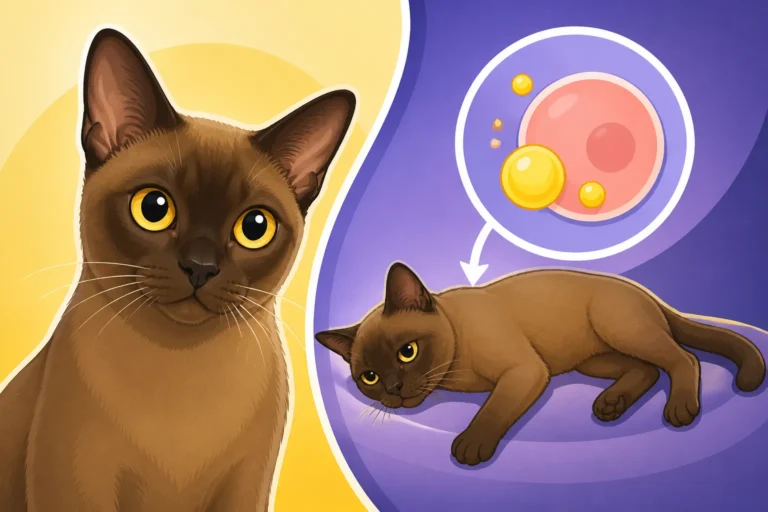
Beyond the physical signs, kidney disease can manifest in behavioral shifts that might initially be perplexing. Your usually playful and ever-present Burmese, who loves to curl up on your lap or ride on your shoulder, might become more lethargic. They may sleep more, play less, and show reduced interest in interactions that once thrilled them. They might seek out isolated, quiet spots, which is particularly out of character for the "velcro cat" of the cat fancy. This change in energy is often a reflection of feeling unwell and the accumulating toxins affecting their overall vitality. Remember, Why a Burmese Hides Illness Behind Its Affection, so these subtle withdrawals are even more significant.
The health of your Burmese's beautiful satin coat can also decline. As they feel unwell, grooming often becomes a lower priority. Their coat might appear dull, matted, or unkempt, losing its characteristic shine and sleekness. Dehydration, a common aspect of kidney disease, also affects skin and coat quality. You might notice their breath developing an unpleasant, ammonia-like odor as waste products build up, a strong indicator that their kidneys are struggling.
| Early Signs of Kidney Disease | Later / More Advanced Signs |
|---|---|
| Increased thirst (polydipsia) | Severe lethargy, weakness |
| Increased urination (polyuria) | Significant weight loss |
| Subtle decrease in appetite | Vomiting, diarrhea |
| Occasional picky eating | Oral ulcers, bad breath |
| Mild decrease in activity | Muscle wasting |
| Slightly dull coat | Dehydration, sunken eyes |
| More frequent litter box use | Stumbling, disorientation |
| Seeking out water sources | Seizures (rare, very advanced) |
Diagnosis and Management of Kidney Disease in Senior Burmese
If you notice any of the subtle changes mentioned, it's truly time for a trip to the veterinarian. Early diagnosis and proactive management are absolutely key to slowing the progression of kidney disease and maintaining your Burmese's quality of life.
The Diagnostic Process
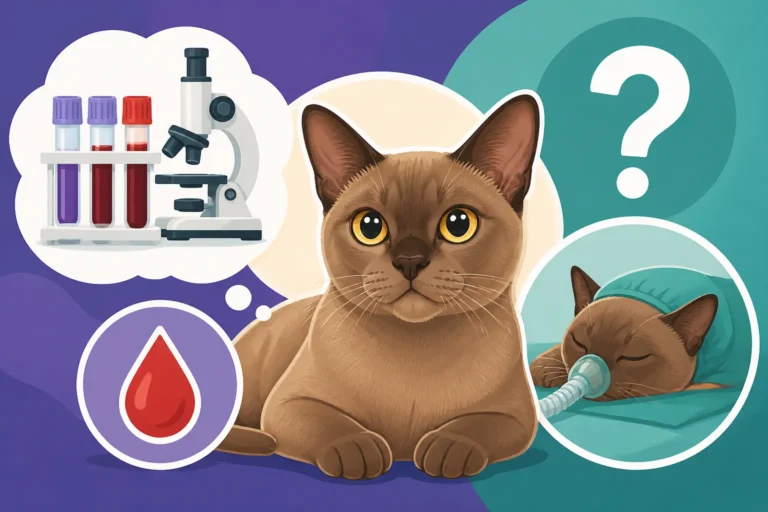
Diagnosing kidney disease typically involves a combination of tests. Your vet will start with a thorough physical examination, assessing your Burmese's hydration status, body condition, and looking for any oral lesions or other abnormalities. Blood tests are paramount and usually include a complete blood count (CBC) and a biochemistry panel. Key indicators on the biochemistry panel for kidney function include:
- BUN (Blood Urea Nitrogen): This measures urea, a waste product of protein metabolism. Elevated BUN indicates the kidneys aren't clearing waste effectively.
- Creatinine: A waste product from muscle metabolism. Like BUN, elevated creatinine points to impaired kidney function.
- SDMA (Symmetric Dimethylarginine): This is a newer, more sensitive marker that can detect kidney disease much earlier than BUN and creatinine, often when as little as 25% of kidney function is lost, compared to 60-75% for BUN/creatinine.
Alongside blood tests, a urine sample is critical. Your vet will look at the urine specific gravity (USG), which measures how concentrated the urine is. In kidney disease, the USG is typically low, indicating dilute urine that the kidneys are failing to concentrate properly. They'll also check for protein in the urine, which can be another sign of kidney damage. A regular Which Blood Panel a Burmese Should Have Yearly can help establish baseline values and catch changes early.
Once diagnosed, kidney disease is often "staged" using the IRIS (International Renal Interest Society) guidelines, which helps classify the severity of the disease and guide treatment plans. This staging takes into account creatinine, SDMA, protein in urine, and blood pressure.
Dietary and Fluid Management
The cornerstone of managing kidney disease in cats, including our Burmese friends, is often a specialized renal diet. These prescription diets are typically formulated with:
- Restricted Protein: To reduce the production of nitrogenous waste products (like BUN) that diseased kidneys struggle to filter. The protein, however, is of high quality to ensure muscle mass is maintained, especially vital for a muscular breed like the Burmese.
- Restricted Phosphorus: High phosphorus levels are detrimental to kidneys and can accelerate disease progression. Renal diets carefully control phosphorus intake.
- Controlled Sodium: To help manage blood pressure, which often becomes elevated in kidney disease.
Shifting to a renal diet can sometimes be tricky, as Burmese cats, despite their love for food, can be particular. It's often recommended to transition slowly, mixing small amounts of the new food with their old food over several weeks. Remember, Feeding a Burmese Is a Medical Decision, Not a Preference for a Burmese, especially when health is on the line.
Hydration is also incredibly important. Encouraging your Burmese to drink more can help flush waste products from their system. Wet food is highly recommended over dry kibble for kidney patients due to its high moisture content. You might also consider water fountains, multiple water bowls, or even adding a little water to their food. In more advanced cases, subcutaneous (under the skin) fluid therapy at home might be prescribed to provide additional hydration and help the kidneys.
Supporting Your Burmese's Quality of Life
Beyond diet and hydration, various medications and supportive therapies can help manage the symptoms and slow the progression of kidney disease. These might include:
- Anti-nausea medications: To help stimulate appetite and reduce vomiting.
- Phosphate binders: Given with food to prevent the absorption of excess phosphorus.
- Blood pressure medications: Many cats with kidney disease develop hypertension, which further damages the kidneys and other organs. Medications can help control this.
- Potassium supplements: Some cats with kidney disease can develop low potassium levels, which needs to be corrected.
Providing a warm, comfortable environment for your senior Burmese is also crucial. They may feel the cold more easily and appreciate soft bedding or a heated cat bed. Continued gentle interaction, grooming, and playtime (adapted to their energy levels) can also significantly contribute to their emotional well-being. This comprehensive approach, combined with the loving care of their family, can truly enhance their quality of life. Discussions about your pet's future care needs, and considering options like a pet insurance plan from Healthy Paws for financial peace of mind, can really help during this time.
Proactive Measures and Long-Term Outlook
While kidney disease is a reality for many senior cats, we have powerful tools at our disposal to detect it early and manage it effectively, particularly for a breed like the Burmese.
Early Detection is Key
The most impactful thing you can do for your Burmese when it comes to kidney disease is to prioritize early detection. This means adhering to a schedule of regular veterinary check-ups, especially as your cat enters their senior years. Most vets recommend twice-yearly exams for cats once they reach When a Burmese Counts as Senior, typically around seven to ten years of age. These appointments allow your vet to perform a thorough physical, discuss any subtle changes you've noticed, and run routine blood and urine tests that can catch kidney issues long before overt symptoms appear.
Beyond vet visits, you, as their dedicated owner, are the first line of defense. Pay close attention to changes in thirst, urination, appetite, weight, and energy levels. Keep a mental (or even written) note of these observations. Remember the Burmese tendency to hide illness; a slight decrease in their usual boisterous play or a subtle shift in their famously insistent vocalizations can be a quiet cry for help. The sooner these changes are investigated, the better the chances of slowing the disease's progression.
Lifestyle Factors and Prevention
While you can't entirely prevent age-related kidney decline, certain lifestyle factors can support kidney health throughout your Burmese's life.
- Maintaining a Healthy Weight: Obesity puts a strain on all organ systems, including the kidneys. Keeping your Burmese at a lean, healthy weight is paramount. For a muscular breed like the Burmese, it’s easy to mistake muscle for excess weight, but learning How to Feel a Burmese's Ribs Under a Satin Coat and maintaining an ideal body condition score is critical. Remember, Why Weight Is the Only Lever a Burmese Owner Has to influence their diabetes risk, and it holds true for overall organ health too.
- High-Quality Diet: Feeding a species-appropriate, high-quality diet with adequate protein and controlled phosphorus levels (even before kidney disease is diagnosed) can support long-term organ health. Many owners opt for wet food, which provides essential hydration.
- Consistent Hydration: Always ensure fresh, clean water is available. Water fountains can encourage some cats to drink more.
- Dental Health: Chronic dental disease can introduce bacteria into the bloodstream, potentially leading to systemic inflammation and placing a burden on the kidneys. Regular dental care, including brushing at home and professional cleanings as recommended by your vet, is vital for overall health. This is particularly relevant given Why a Burmese Is Prone to Gum Disease.
Understanding the Prognosis
Receiving a diagnosis of kidney disease can be frightening, but it's important to understand that it is a manageable, albeit progressive, condition. Many cats, especially with early detection and diligent management, can live comfortably for months or even years after diagnosis. The goal of treatment isn't to cure the disease, but to slow its progression, minimize symptoms, and maintain the best possible quality of life for your beloved companion.
This often involves close collaboration with your veterinarian, consistent home care (including dietary changes, medications, and fluid therapy if needed), and regular monitoring of blood and urine values. Pet insurance can be a huge help here; many owners find pet insurance, such as a comprehensive plan from Healthy Paws, invaluable for managing the ongoing costs of chronic conditions like kidney disease if enrolled before diagnosis. They can offer significant support in covering treatment expenses, allowing you to focus on your cat's comfort rather than solely on the financial burden. While it's a journey, with love and careful attention, you can continue to enjoy many precious years with your sweet, communicative Burmese.
Disclaimer
This article is for general informational purposes only and does not constitute professional advice. Laws, prices and regulations vary by location and change over time. Consult a qualified professional for guidance on your specific situation.