What a Pet Quality American Burmese Sells For
Bringing a new furry family member into your home is an incredibly exciting time, but for prospective Burmese cat owners, the initial "sticker shock" of the purchase price can often obscure the much larger financial picture. Many people fixate on that first number, only to be surprised by the myriad of expenses that follow. This guide isn't just about the upfront cost of an American Burmese kitten; it's a deep dive into understanding all the financial commitments involved in welcoming one of these beautiful, affectionate companions into your life, ensuring you're truly prepared for the journey ahead.
The Initial Investment: What a Pet-Quality American Burmese Kitten Sells For
So, you've fallen in love with the idea of a Burmese cat, and who can blame you? Their incredibly sweet nature and stunning satin coats are simply irresistible. But before you even start looking at adorable kitten photos, one of the first questions that pops into everyone's mind is, "How much does a Burmese cost?" It’s a completely valid question, and the answer, like many things in life, isn't a simple one-size-fits-all number. We’re going to focus specifically on the American Burmese here, as their pricing structure and type differ somewhat from their European cousins.
Average Price Range for Pet Quality
When you're looking for a pet-quality American Burmese kitten from a reputable breeder, you can expect the initial purchase price to fall within a certain range. This isn't a cheap pet, and for good reason—responsible breeding involves significant investment in health testing, proper nutrition, and extensive socialization. You're not just buying a cat; you're investing in a well-started, healthy companion. While prices can fluctuate based on the region, the breeder's reputation, and even the specific lineage, you’ll typically find these kittens commanding prices that reflect their pedigree and the care taken. It's really worth checking out what the current landscape looks like for specific figures on What an American Burmese Kitten Costs in 2026 directly from breeders.
It’s tempting to look for the absolute cheapest option, but with purebred cats, this can be a huge red flag. A lower upfront cost often means corners were cut somewhere – perhaps on genetic health testing for the parents, proper vaccinations for the kittens, or adequate nutrition. Remember, that initial saving can quickly be dwarfed by vet bills down the line if you unknowingly bring home a kitten from an unethical source. You want a kitten whose parents have undergone rigorous health checks, and whose early life has been filled with proper care and human interaction.
Why "Pet Quality" Differs from "Show Quality"
The term "pet quality" can sometimes sound a bit misleading, as if the kitten is somehow "lesser." Let's clear that up right away. A pet-quality Burmese is a wonderful, healthy, loving cat that will bring immense joy to your home. The distinction between "pet quality" and "show quality" primarily revolves around how closely the cat adheres to the breed standard established by organizations like the Cat Fanciers' Association (CFA).
A show-quality Burmese kitten possesses the ideal head shape, eye color, body type, and coat characteristics that a judge would look for in the show ring. These are the cats destined for a career on the circuit or for future breeding programs, and as such, they command a higher price. A pet-quality kitten might have a tiny aesthetic "flaw" that makes them unsuitable for showing—perhaps their ear set is slightly off, or their eye color isn't quite the perfect gold. These are purely cosmetic differences that will have absolutely no impact on their health, personality, or their ability to be an incredible family member. In fact, many pet-quality Burmese are indistinguishable to the untrained eye from their show-quality siblings. The important thing is that a reputable breeder will ensure all their kittens, regardless of their show potential, are healthy and well-socialized.
Factors Influencing the Price of an American Burmese Kitten
As we touched upon, the price tag isn't just pulled out of thin air. Several key factors contribute to what a breeder will charge for an American Burmese kitten. Understanding these can help you appreciate the value you're getting and ensure you're making an informed decision, rather than just shopping for the lowest price.
Breeder Reputation and Ethics
This is perhaps the most critical factor. A truly dedicated and ethical Burmese breeder invests heavily in their cattery. This includes not only the obvious costs like high-quality food, veterinary care, and proper housing but also the less visible, yet vital, expenses. Think about the extensive genetic testing required for breeding cats. For Burmese, this includes tests for conditions like hypokalemia and specific diabetes markers, as discussed in What a Burmese Breeder Must Test Before Any Mating. These tests are not cheap, but they are absolutely essential to ensure healthy kittens and to maintain the integrity of the breed.
A reputable breeder will also spend countless hours socializing their kittens, ensuring they are confident, friendly, and well-adjusted before they ever leave for their new homes. They provide ongoing support to new owners and will often take back a cat at any point in its life if circumstances change. This level of commitment and care adds to the overall cost, but it's an investment in a stable, healthy, and happy cat that is well worth it in the long run. Be wary of breeders who offer significantly lower prices without being able to provide proof of health screenings, pedigrees, and a clean, stimulating environment for their cats.
Color and Rarity
While Burmese cats primarily come in four recognized colors—sable (which is often called brown in other parts of the world), champagne, blue, and platinum—the perceived "rarity" or demand for a particular color can influence the price. Sable is the most common and often the baseline price for the breed. If you’re looking for a specific shade, like a stunning blue or a delicate platinum, you might find those kittens at the higher end of the spectrum. For more detail, you might look into How Much a Sable Burmese Costs to understand the baseline.
It’s important to remember that all these colors are beautiful and part of the Burmese charm. Don't let a slight price difference push you towards a color you don't truly adore. The most important thing is finding a kitten with a wonderful temperament and excellent health. The color is just the icing on the cake! Breeders work hard to produce healthy litters with a variety of colors, and sometimes, the market simply dictates a slightly higher price for certain less-common variations within the breed.
Location and Availability
Where you live can also play a role in the price of an American Burmese kitten. In areas where there are fewer reputable breeders, or where demand is exceptionally high, prices might be a bit steeper due to simple supply and demand economics. Conversely, in areas with more breeders, you might find slightly more competitive pricing. Shipping costs, if applicable, would also be an additional expense, though many ethical breeders prefer new owners to pick up their kittens in person to ensure a smooth transition and allow them to see the cattery environment first-hand.
It's also worth considering that a breeder might have a waiting list, especially for certain colors or sexes. The availability of kittens can vary throughout the year, so patience is often key when looking for the right fit for your family. Don't feel pressured to buy the first available kitten; waiting for a kitten from a breeder you trust and whose practices align with your values is always the best approach.
Here’s a quick overview of some factors affecting the initial cost:
| Factor | Impact on Price (General) | Details |
|---|---|---|
| Breeder Reputation | Moderate to High | Ethical breeders invest in health testing (Which Tests Belong on a Burmese DNA Panel), quality food, vet care, and socialization, reflecting in higher prices. |
| Kitten Quality | Pet vs. Show Quality | Pet quality (minor cosmetic differences, no impact on health/temperament) typically costs less than show quality (perfect adherence to breed standard). |
| Color | Low to Moderate | Sable is usually the baseline. Blue and Platinum often command slightly higher prices due to perceived rarity or demand. |
| Location/Demand | Low to Moderate | Prices can vary based on regional supply and demand, and whether interstate/international transport is required (though less common for American Burmese). |
| Included Services | Low to Moderate | Some breeders include initial vaccinations, microchipping, or a starter kit, which might be factored into the price. |
Beyond the Kitten Price: Initial Setup Costs
Once you've secured your adorable Burmese kitten, the spending doesn't stop there. Just like bringing home a new baby, a new cat requires a comprehensive initial setup to ensure they have everything they need to thrive in their new environment. These are non-negotiable expenses that you'll incur right away.
Essential Supplies and Gear
Getting your home ready for a new cat involves more than just a food bowl. You’ll need a sturdy carrier for safe transport, especially for that first vet visit. Think about litter boxes—plural, because the general rule is one per cat plus one extra. A high-quality litter is also crucial, and while it might seem trivial, some cats are particular. Then there’s feeding. You’ll need food bowls, and a water fountain can encourage your Burmese to drink more, which is always a good thing for kidney health. Consider durable, non-plastic options for hygiene.
Don't forget toys! Burmese cats are highly intelligent and playful, often remaining so well into old age, as touched on in What a Burmese Is Still Playing at Fifteen. They need plenty of stimulation to prevent boredom, which can lead to destructive behaviors. A variety of interactive toys, wand toys, and even puzzle feeders are excellent choices. Scratching posts or trees are also vital—they satisfy your cat's natural instinct to scratch and save your furniture. When shopping for these essentials, big pet retailers like Chewy offer a vast selection, often with helpful customer reviews to guide your choices. Setting up your home properly from day one makes for a smoother transition for everyone.
First Vet Visits and Vaccinations
Even if your breeder has provided initial vaccinations and a health check-up, your new kitten will need its own veterinarian for follow-up appointments and continued care. These initial visits are crucial for establishing a baseline for health, completing any remaining vaccine series, and discussing parasite prevention. The vet will also want to perform a thorough examination to ensure your kitten is healthy and thriving.
During these visits, you’ll discuss important preventative care measures, including deworming and flea/tick prevention. If your kitten hasn’t been microchipped yet, this is often done at one of the first appointments. And of course, the big one: neutering or spaying. This is usually done around five to six months of age, and it’s a significant expense. Most reputable breeders will sell kittens with a spay/neuter contract, meaning you’re required to have the procedure done by a certain age. These procedures, while standard, are surgical and incur a notable cost, which is part of responsible pet ownership.
Ongoing Annual Expenses for an American Burmese
The initial costs are just the beginning. The commitment to a Burmese cat spans many years, and consistent annual expenses are a significant part of that. Budgeting for these recurring costs is essential for responsible pet ownership.
Food and Nutrition Choices
Burmese cats are known for their robust appetites and, unfortunately, their propensity for certain health conditions like diabetes. This makes their diet not just a preference, but a medical decision. A high-quality, low-carbohydrate wet food is often recommended for Burmese cats to help manage their weight and reduce the risk of developing diabetes, which is something you can explore further in Why a Burmese Is Four Times More Likely to Become Diabetic. Dry kibble, even premium varieties, often contains too many carbohydrates for this breed.
Choosing the right food can be more expensive than just grabbing a generic bag of kibble from the supermarket. Premium wet foods, especially those formulated for specific dietary needs, come at a higher price point. If you opt for fresh, human-grade food services, your monthly food bill could be even higher. However, investing in quality nutrition upfront can potentially save you significant veterinary costs down the line by promoting better health and preventing diet-related issues. Remember, Why Portion Control Is Medical Care in a Burmese isn't an exaggeration – careful feeding is paramount.
Routine Veterinary Care
Beyond the initial kitten visits, your adult Burmese will need annual check-ups. These routine visits are crucial for early detection of any health issues. During these appointments, your vet will perform a physical exam, update vaccinations as needed, and likely recommend routine blood work, especially as your Burmese ages. Many vets recommend starting annual glucose checks for Burmese cats from around seven years old due to their diabetes risk.
Regular dental care is also incredibly important for Burmese cats. They are prone to gum disease and dental issues, and many will need professional dental cleanings under anesthesia every few years. This is a significant expense that often catches owners by surprise. Read more about this specific breed issue in How Often a Burmese Needs a Dental to prepare yourself. Proactive care, including daily tooth brushing if possible, can help extend the time between professional cleanings, but these will still be a recurring part of your budget.
Litter and Grooming Essentials
Litter is a constant expense, and depending on your chosen brand and type, it can add up. Scoopable, low-dust litters are often preferred for cleanliness and odor control. As mentioned earlier, having enough litter boxes and keeping them scrupulously clean is essential for your cat’s hygiene and happiness. If your Burmese develops diabetes and starts drinking and urinating more, you'll find yourself going through litter even faster.
Grooming a Burmese cat, thanks to their short, satin-like coat, is thankfully quite minimal. They don't require professional grooming, and a simple wipe down with a chamois cloth once a week is usually enough to keep their coat glossy and reduce shedding. This is a welcome relief compared to long-haired breeds! However, you will still need nail clippers and ear cleaner. While these are relatively inexpensive items, they are ongoing necessities for proper home care. The beauty of their coat is that it rarely needs anything more than your loving touch, so specific grooming tools are minimal.
Understanding Insurance and Potential Health Costs
One of the most important aspects of budgeting for a Burmese cat, especially given their breed-specific health predispositions, is understanding the role of pet insurance and preparing for potential medical expenses. This breed, for all its wonderful qualities, does have a genetic blueprint that makes it susceptible to certain conditions.
Pet Insurance Considerations
Many owners choose to invest in pet insurance to help offset the costs of unexpected illnesses or accidents. Policies vary widely, covering everything from emergency care to routine check-ups, depending on the plan you choose. For a breed like the Burmese, with a known predisposition to diabetes and hypokalemia, pet insurance can be a real lifesaver if a major health crisis arises. Companies like Healthy Paws offer various plans that can help manage these unforeseen expenses.
However, it's crucial to understand what pet insurance does and does not cover. Most policies have waiting periods, and pre-existing conditions are typically excluded. This means if your Burmese is diagnosed with diabetes before you get insurance, that condition will likely not be covered. Therefore, the best time to enroll your Burmese in a pet insurance plan is when they are a young, healthy kitten. It's an additional monthly premium, but it can provide immense peace of mind and prevent you from facing difficult financial decisions if your beloved cat needs expensive medical intervention. It's also wise to research Whether a Diabetic Burmese Can Be Insured if you are considering adopting an older cat with existing conditions.
Common Health Issues and Their Costs
While a well-bred Burmese from a reputable breeder is generally robust, being aware of their genetic predispositions is part of responsible ownership.
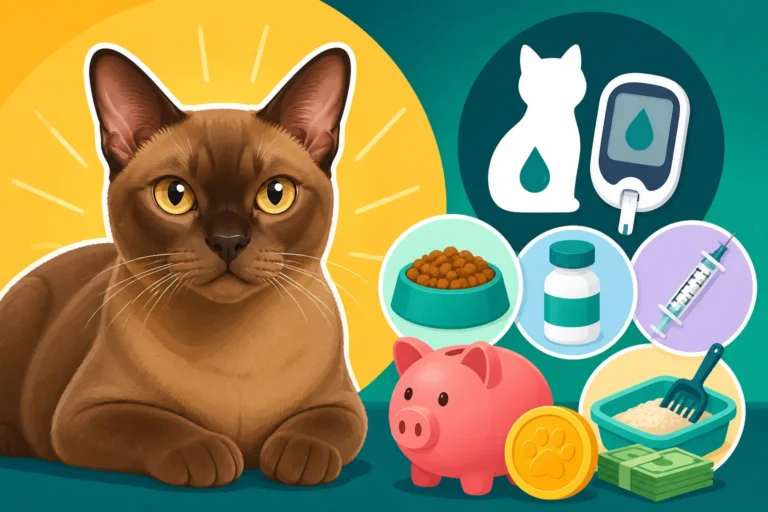
- Diabetes Mellitus: This is perhaps the most well-known health concern for Burmese cats, particularly American Burmese lines. They have a significantly higher risk compared to other breeds. Managing diabetes involves daily insulin injections, special low-carbohydrate diets, regular vet check-ups, and glucose monitoring. The cost of insulin, needles, prescription food, and frequent veterinary visits can add up to a substantial amount annually. You can learn more about this in How Diabetes Develops in a Burmese.
- Hypokalemia: Also known as Burmese Hypokalemic Polymyopathy, this is a genetic condition causing episodes of muscle weakness, often manifesting as an inability to hold their head up, as highlighted in The Meerkat Neck That Tells You a Burmese Has Hypokalemia. While there is a DNA test for this, and responsible breeders screen for it, it's something to be aware of. Management often involves potassium supplementation, especially during episodes. The costs typically come from veterinary diagnosis and ongoing medication.
- Dental Disease: As mentioned, Burmese are prone to gum disease, which can lead to costly professional dental cleanings and potentially tooth extractions as they age.
- Other Potential Issues: Like all cats, Burmese can also be susceptible to kidney disease and hyperthyroidism as they get older, which are common senior cat ailments that require ongoing medical management.
Being financially prepared for these possibilities, whether through insurance or a dedicated savings fund, is a mark of a truly committed owner.
Lifetime Cost Considerations for Your American Burmese
When you decide to welcome a Burmese into your life, you're not just signing up for a few years; you're often looking at a commitment that spans well over a decade, often into their late teens. It's essential to think about the entire lifespan when considering the financial implications.
The Long-Term Commitment
Burmese cats typically enjoy a long and healthy life, with many living to be 16 to 18 years old, which is an impressive run for a feline companion. This longevity is a wonderful blessing, but it also means a sustained financial commitment. Over 16 years, those annual costs for food, litter, vet visits, and insurance really add up. Think about how your own life circumstances might change over such a long period—job changes, moves, family growth—and how you'll continue to provide for your cat through it all. It's a testament to the bond you build that you'll want to ensure their comfort and care every step of the way. A good place to get an overall picture is What a Burmese Costs Over Sixteen Years.
It’s not just about the monetary cost; it's about the time and emotional investment too. Burmese cats are incredibly social and demand a lot of interaction and companionship. They thrive in active households where they are truly part of the family, as described in The Burmese Is the Velcro Cat of the Cat Fancy. This means ensuring they always have company, whether it's you, another family member, or even another pet. If you're working long hours, budgeting for a second Burmese or a pet sitter could become a part of your financial plan to prevent loneliness and behavioral issues.
Budgeting for a Senior Burmese
As your Burmese enters their golden years (typically around 10-12 years old), their healthcare needs often increase, and with that, the associated costs. Older cats, including Burmese, are more susceptible to conditions like kidney disease, hyperthyroidism, and arthritis. They might require more frequent vet check-ups, specialized diets, ongoing medications, and pain management.
For example, an older Burmese with kidney disease might need prescription food, regular blood tests, and potentially fluid therapy, all of which contribute to a higher monthly expense. Similarly, managing arthritis might involve supplements or medications to keep them comfortable and mobile. These increased healthcare needs are a natural part of aging, and while you want to provide the best possible care for your beloved senior cat, it's important to be financially prepared for this phase of their life. Planning ahead ensures that you can provide comfort and quality of life for Caring for a Burmese Past Twelve years, cherishing every moment.
Disclaimer
This article is for general informational purposes only and does not constitute professional advice. Laws, prices and regulations vary by location and change over time. Consult a qualified professional for guidance on your specific situation.