Why a Platinum Burmese Is the Dearest of the Four
It's no secret that bringing a Burmese cat into your home is an investment, but if you've ever started researching kittens, you might have noticed a significant price jump when you stumble upon the elusive Platinum Burmese. This isn't just a quirk of the market; there are very real, complex reasons tied to genetics, breeding expertise, and sheer rarity that make these stunning felines the most expensive of the standard four colors. This guide will walk you through why a Platinum Burmese commands a premium, helping you understand the factors behind their higher price tag.
The Intricacies of Burmese Color Genetics
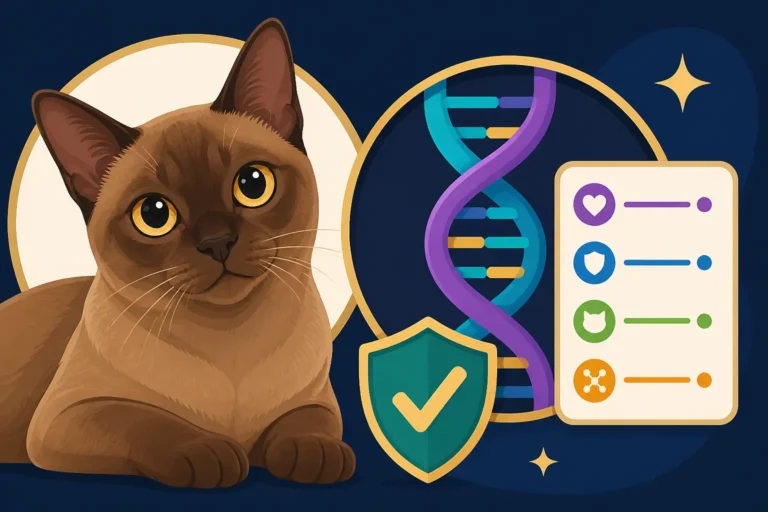
To truly understand why Platinum Burmese kittens are often the dearest, we first need to dive a little into the fascinating world of feline color genetics. It's not just about a pretty coat; it's about specific genes interacting in precise ways, and some combinations are simply harder to achieve consistently. The Burmese breed's signature rich, warm coat colors come from a specific gene called the Burmese dilution gene, or cb.
The Basic Four Burmese Colors
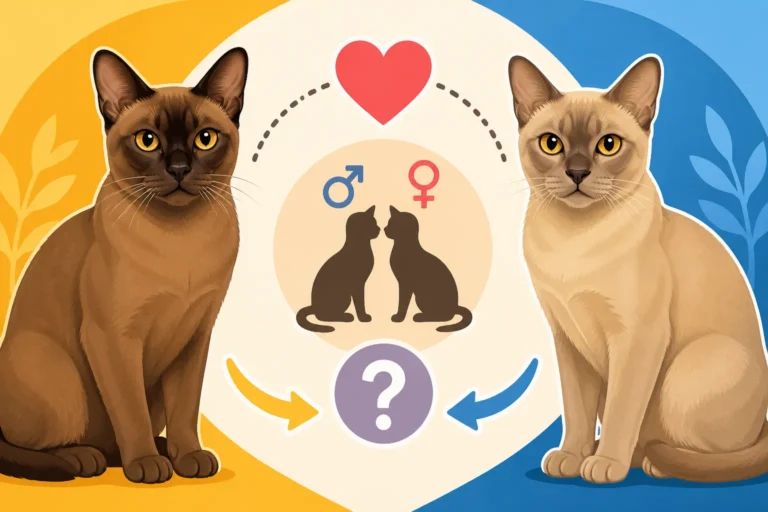
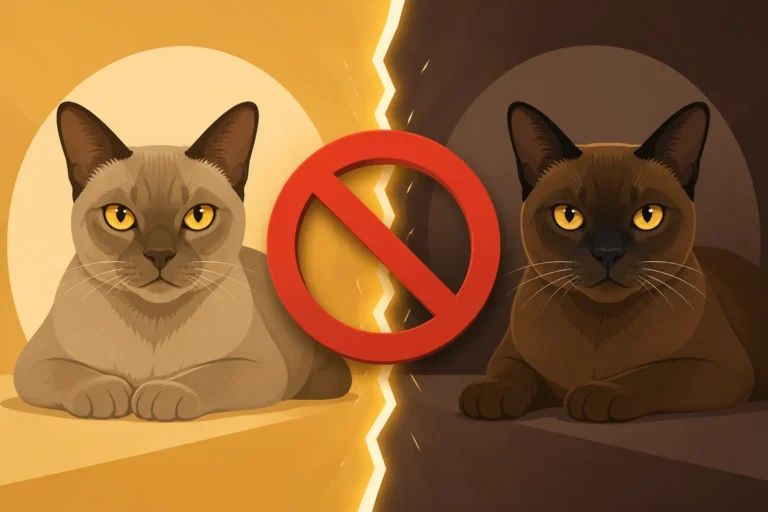
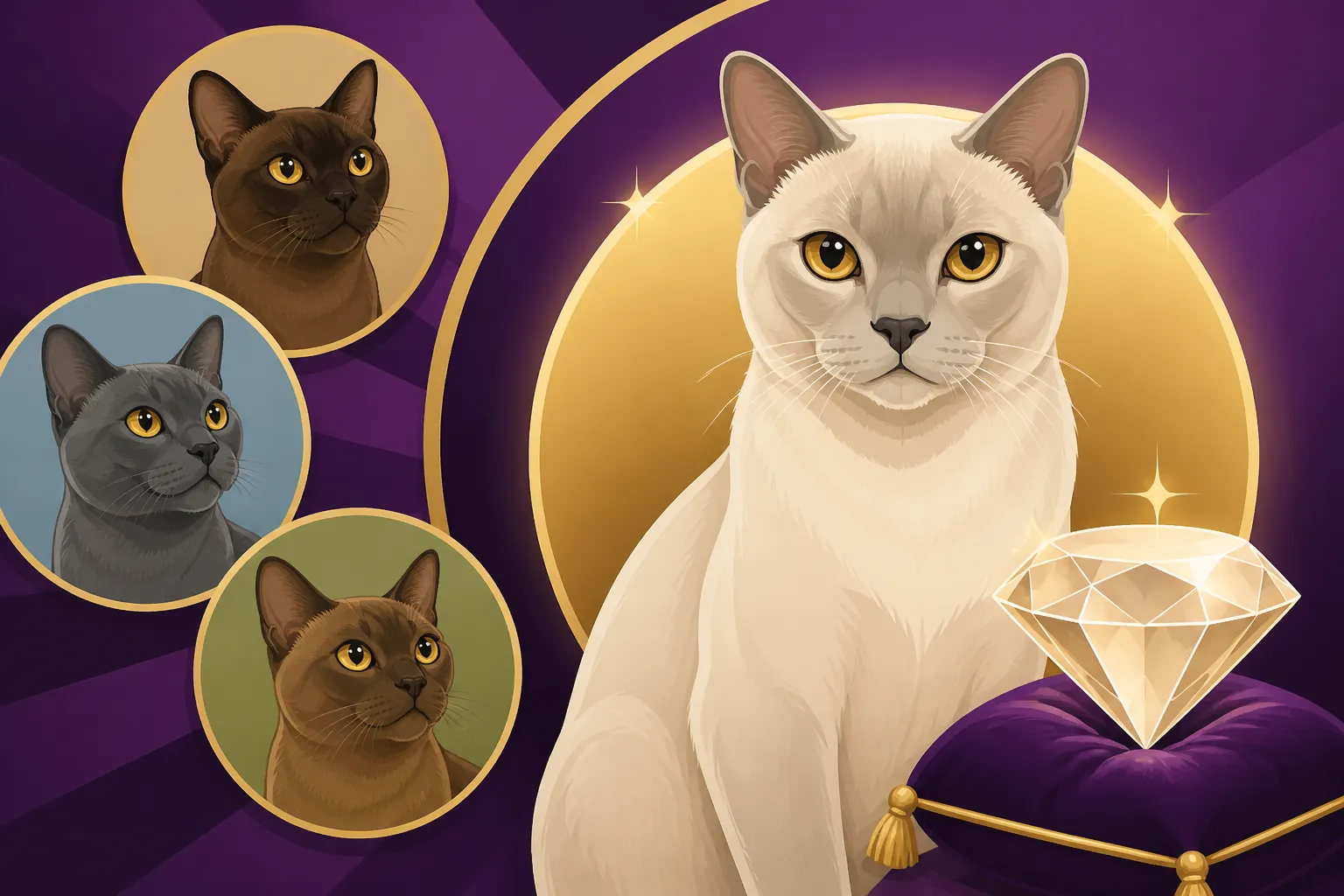
The standard American Burmese comes in four recognized colors, each a result of how certain genetic pigments are expressed or diluted. These are: Sable, Champagne, Blue, and Platinum. Sable is often considered the original, a deep, rich brown that is incredibly striking. Champagne is a warm, honey-beige brown, a diluted version of sable. Blue is a beautiful medium grey, a diluted black. And then there's Platinum, which is essentially a diluted Champagne, a pale, delicate lilac-grey.
Each color relies on the presence of the cb allele, which is responsible for the unique Burmese pattern where the body is slightly lighter than the points (face, ears, paws, tail). However, the specific shade comes down to other genes. For instance, the "dilute" gene, when present in two copies (dd), takes a solid black cat and turns it blue, or a solid brown cat and turns it to a lighter brown. In Burmese, this dilute gene acts on the already unique Burmese cb color. This intricate dance of genes is crucial to why some colors are more common than others. For a deeper dive into how these colors appear, you might find information on What a Burmese Kitten Is Born Paler Than It Ends Up particularly enlightening.
How Platinum Emerges from Genetic Combinations
Platinum is the result of a double whammy: a cat must carry both the Burmese color gene (cb/cb) and two copies of the dilute gene (d/d) which would turn a black cat blue, and two copies of the gene for chocolate pigment (b/b) which would make a black cat brown. So, a Platinum Burmese is genetically cb/cb, b/b, d/d. This is why it's such a rare combination.
Think of it like baking a very specific cake that requires several unique ingredients, and some of those ingredients are harder to find or produce. To get a Platinum kitten, both parents must carry the necessary genes to pass on this specific combination. If even one parent doesn't carry the right combination of dilute and chocolate genes, you simply won't get Platinum kittens, no matter how hard you try. This precise genetic blueprint means that breeders need to carefully select their breeding pairs, sometimes working for generations to establish lines that consistently produce this breathtaking color. You can learn more about specific genetic combinations in What Two Copies of cb Produce in a Burmese.
The Rarity Factor: Why Platinum is Scarce
The complex genetic cocktail required for a Platinum Burmese naturally leads to its rarity. It’s not just about wanting a particular color; it’s about the statistical probability of that color appearing in a litter, which can be significantly lower than for Sable or Champagne.
The Mathematics of Recessive Genes
The dilute gene (d) is recessive, meaning a cat needs two copies (dd) to express the dilute color. If a cat has only one copy (Dd), it's a carrier and will look like a non-dilute cat (Sable or Champagne). Similarly, the chocolate gene (b) is also recessive. For a Platinum kitten to be born, both parents must contribute both a dilute gene and a chocolate gene.
Consider a simple Punnett square scenario. If you breed two cats that are carriers for both the dilute and chocolate genes (e.g., a Sable cat that carries dilute and chocolate, and another Sable cat that carries dilute and chocolate), the odds of getting a Platinum kitten are significantly lower than getting, say, another Sable. You're essentially rolling the genetic dice for multiple recessive traits to align. This can lead to smaller numbers of Platinum kittens in any given litter, or sometimes, no Platinum kittens at all, even from a well-planned mating. This inherent genetic challenge makes Platinum Burmese cats genuinely scarce.
Challenges in Breeding for Specific Colors
Ethical breeders prioritize health and temperament above all else. They don't just breed for color; they breed to the standard, ensuring robust health and the wonderful, affectionate Burmese personality. However, when a breeder does aim for a specific, rare color like Platinum, the challenges amplify. They must have extensive knowledge of their cats' genetic backgrounds, often going back many generations, to predict outcomes.
This means a breeder might carefully select a pair known to carry the dilute and chocolate genes, but even then, a litter might only contain one or two Platinum kittens, or none at all, alongside Sables, Champagnes, and Blues. This unpredictability means that the breeder's investment in time, resources, and genetic testing is spread across fewer potentially "high-value" kittens. The fewer the kittens of a specific color, the higher the individual cost must be to reflect the effort and expertise involved in their creation. Understanding What a Burmese Breeder Must Test Before Any Mating can give you an idea of the commitment involved.
Breeding Challenges and Higher Associated Costs
Producing a Platinum Burmese isn't just a matter of luck; it requires a deep understanding of genetics, careful planning, and often, a longer breeding journey. These factors translate directly into higher costs for the breeder, which are then reflected in the kitten's price.
The Investment in Genetic Testing and Pedigree Research
Responsible breeders invest heavily in DNA testing for various genetic health issues prevalent in the Burmese breed, such as Hypokalemia and Gangliosidosis. However, when specifically breeding for color, they also meticulously track pedigrees and genetic markers to confirm carrier status for the dilute and chocolate genes. This isn't a one-time check; it's an ongoing process across their breeding lines.
Each genetic test, pedigree analysis, and consultation with feline geneticists adds to the operational cost of an ethical cattery. Breeders striving for specific, rare colors often have smaller breeding programs to maintain the highest standards of care and genetic integrity. This means fewer litters overall, and when those litters produce a limited number of a highly sought-after color like Platinum, the overhead for each kitten naturally increases. This rigorous approach ensures that kittens are healthy and true to type, but it also elevates their price.
Extended Waiting Lists and Breeder Reputation
Because Platinum Burmese are so rare and beautiful, demand often far outstrips supply. It's not uncommon for potential owners to be on a waiting list for a Platinum kitten for a year or more. This extended wait isn't just about patience; it's a testament to the limited availability and the breeder's commitment to producing healthy, well-socialized kittens. Ethical breeders won't rush a breeding program just to meet demand; they adhere to strict health and welfare protocols.
A breeder with a reputation for producing high-quality, rare-colored Burmese is highly sought after. Their expertise and the consistent health and temperament of their kittens command a premium. This reputation is built over years of dedicated breeding, careful genetic selection, and providing excellent care for their cats. When you buy a Platinum Burmese from a reputable breeder, you're not just paying for a kitten; you're paying for their immense experience and the assurances that come with it. You might find more details on what goes into a breeder's schedule in How Far Ahead a Burmese Litter Is Booked Out.
Demand and Desirability of the Platinum Coat
Beyond the genetic complexities and breeding challenges, the sheer aesthetic appeal and unique nature of the Platinum Burmese contribute significantly to its higher price. It's a color that stands out, even among the already stunning Burmese palette.
The Unique Aesthetic Appeal
The Platinum Burmese is a vision of subtle elegance. Its pale, silvery-lilac coat shimmers with a delicate iridescence, appearing almost ethereal in certain lights. Unlike the deep, rich tones of Sable or the warm glow of Champagne, Platinum offers a cool, sophisticated beauty that is distinct and memorable. Their eyes, often a captivating gold or amber, stand out dramatically against the soft, cool fur.
This unique aesthetic makes them highly desirable for those seeking something truly special and distinct. People are often drawn to the rarity and the visual impact of a Platinum Burmese, much like a collector seeking a rare gem. The coat, while still retaining the signature satin-like texture of the breed, presents a lighter, more delicate appearance. You can appreciate the nuances of the coat by learning about What a Burmese's Coat Looks Like. This visual distinction fosters a higher demand from individuals who specifically want this particular shade.
Perceived Exclusivity and Status
For some, owning a Platinum Burmese also carries an element of exclusivity. Because they are less common, they are often perceived as more special or prestigious. This isn't to say that other Burmese colors are any less beautiful or loving – far from it! Every Burmese is a treasure. However, the rarity of Platinum naturally creates a higher perceived value in the market.
This dynamic means that breeders, while still prioritizing the health and welfare of their cats, can command a higher price point for these kittens. It's a classic supply and demand scenario: low supply of a highly coveted item leads to higher prices. Owners who have waited patiently for a Platinum kitten often feel a special connection to their unique feline companion, appreciating the journey and the rarity that brought them together.
What to Expect from a Platinum Burmese Breeder
When you're looking to bring a Platinum Burmese into your home, engaging with a reputable breeder is paramount. Their practices will reflect the quality and health of your future companion, and understanding their process is key.
Transparency in Pricing and Practices
A reputable breeder will be completely transparent about their pricing and the factors that contribute to it. They should be able to explain the genetic background of their lines, why certain matings were chosen, and what health testing has been performed on the parents. Don't be shy about asking questions; an ethical breeder will welcome your curiosity and want you to be fully informed. They understand that you're making a significant investment, both financially and emotionally.
You should expect a detailed contract outlining health guarantees, spay/neuter agreements, and what happens if the kitten doesn't thrive. They should be eager to share the parents' pedigrees and health clearances. If a breeder is vague about costs, hurries you, or seems unwilling to discuss their breeding practices in detail, it should be a red flag. Remember, a higher price isn't just for the "rare" color; it should reflect a commitment to ethical breeding and robust health.
Comprehensive Health Guarantees
While the rarity of Platinum focuses on aesthetics, the kitten's health is always the top priority. A responsible breeder will provide a comprehensive health guarantee that covers genetic defects and early-onset diseases. This might include guarantees against issues like Hypokalemia, which can affect Burmese cats. They often require a vet check within a few days of bringing your kitten home, ensuring a smooth transition and early detection of any potential issues.
Beyond the initial guarantee, many breeders offer ongoing support and advice. This partnership with your breeder can be invaluable throughout your cat's life. Considering the potential for certain breed-specific health concerns, some owners opt for pet insurance from providers like Healthy Paws right from kittenhood to ensure they're prepared for any unforeseen health challenges. While Platinum Burmese aren't inherently less healthy than other colors, the rigorous breeding standards for rare colors often mean even more careful health screening.
Post-Sale Support and Community
The relationship with a good breeder doesn't end when you take your kitten home. Many excellent breeders become a lifelong resource, offering advice on everything from diet to behavior. They genuinely care about the well-being of the cats they've brought into the world. They might also introduce you to a community of other Burmese owners, which can be a wonderful source of shared experiences and support.
This ongoing support adds immense value, especially for first-time Burmese owners. They can help guide you through the initial settling-in period and beyond, ensuring your Platinum Burmese thrives. They might even recommend specific high-quality foods to ensure your precious kitten receives optimal nutrition tailored to its needs. This type of extended care and community involvement is part of what makes the investment in a well-bred Platinum Burmese so worthwhile.
The Cost Perspective: Platinum Versus Other Burmese Colors
When you compare the price tags, the difference between a Platinum Burmese and its Sable, Champagne, or Blue counterparts can be quite significant. It's not just a small bump; it can be a substantial increase that reflects all the factors we've discussed.
Price Structure Across Colors
Generally, Sable and Champagne Burmese kittens tend to be the most readily available and therefore, often the most affordable of the four standard colors. Blue Burmese kittens might fetch a slightly higher price due to the dilute gene making them a bit less common than Sable or Champagne, though they are still widely available.
Platinum, however, sits at the top of the price scale. This is consistently observed across reputable breeders. The precise genetic requirements, the lower probability of producing them, and the specialized breeding knowledge needed all contribute to this tiered pricing. It’s not a superficial difference; it reflects the actual effort and resources expended by breeders. If you're comparing costs, you might want to look at general pricing information like How Much a Sable Burmese Kitten Costs or How Much a Blue Burmese Kitten Costs to see the relative differences.
The Role of Type and Location
It's also important to remember that Burmese prices are influenced by whether you're looking at an American Burmese or a European Burmese. As discussed in There Are Two Burmese and They Are Priced Apart, these two types have distinct standards and can have different price points entirely, with European Burmese often being more expensive due to smaller gene pools and importing costs in some regions. A Platinum European Burmese, for instance, might be even more expensive than a Platinum American Burmese due to these additional factors.
Furthermore, prices can vary regionally depending on the number of breeders, local demand, and general cost of living. A Platinum Burmese in a highly competitive urban area with fewer breeders might command a higher price than in a region with more breeders. Always factor in these geographical nuances when researching potential costs. Ultimately, Why Color Adds to a Burmese's Price boils down to the interplay of genetics, rarity, demand, and breeder investment.
| Color | Genetic Basis | Rarity Level | General Price Standing | Key Traits (American Type) |
|---|---|---|---|---|
| Sable | cb/cb (Black based) | Common | Standard | Rich, warm brown, darker points |
| Champagne | cb/cb, b/b (Chocolate based) | Common | Standard | Warm, honey-beige brown, darker points |
| Blue | cb/cb, d/d (Dilute Black) | Less Common | Mid-tier | Medium grey, bluer points |
| Platinum | cb/cb, b/b, d/d (Dilute Chocolate) | Rarest | Highest | Pale lilac-grey, delicate points, almost lavender hue |
This table illustrates the hierarchy of rarity and, consequently, price among the four recognized Burmese colors. It’s clear that the cumulative effect of multiple recessive genes plays a significant role in making Platinum the most valued.
Disclaimer
This article is for general informational purposes only and does not constitute professional advice. Laws, prices and regulations vary by location and change over time. Consult a qualified professional for guidance on your specific situation.