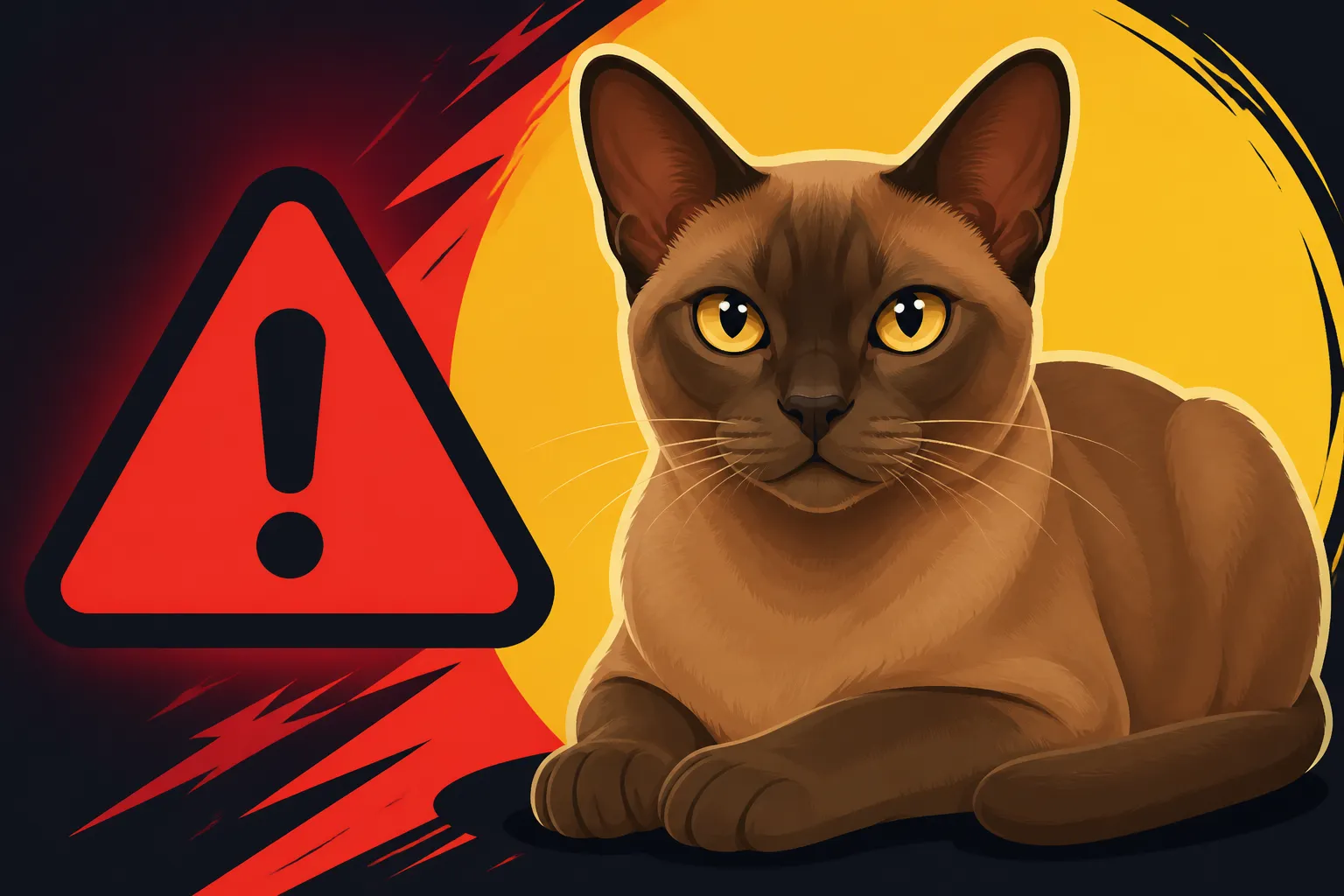
Why a Burmese Sold Without a Type Is a Warning
Buying a Burmese kitten should be an exciting journey, filled with anticipation of bringing home a loving, playful companion. But sometimes, navigating the world of breeders and sellers can feel like a minefield, especially when you encounter an advertisement or a breeder who can't, or won't, specify whether their kittens are American or European Burmese. This guide is here to unravel why this seemingly minor detail is actually a significant warning sign and what critical questions you need to be asking to protect yourself and your future feline family member.
The Distinct Worlds of American and European Burmese
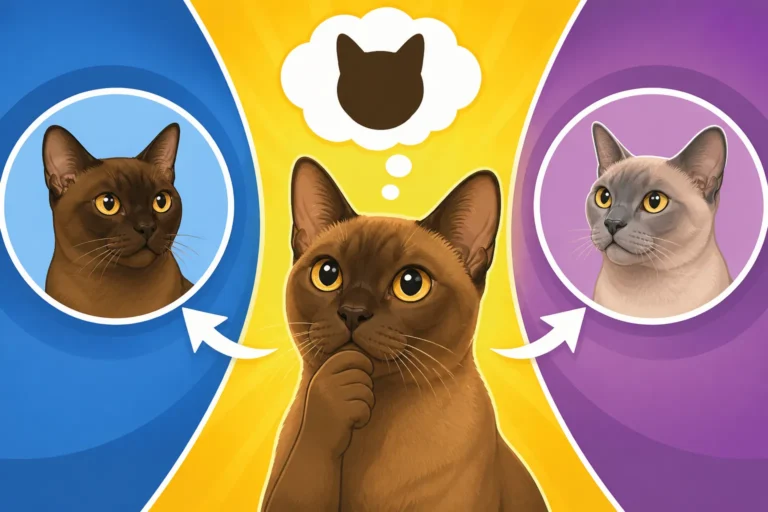
It might come as a surprise to new enthusiasts, but the Burmese breed isn't monolithic; it actually split into two distinct types decades ago: the American Burmese and the European (or British) Burmese. While they share a common ancestor, Wong Mau, their breeding programs diverged significantly, leading to noticeable differences in appearance, temperament, and even some health predispositions. Understanding this fundamental split is crucial for any prospective owner.
How the Two Types Diverged
The initial Burmese cats brought to the West became the foundation for both types, but breeders in America and Europe developed different ideals for the breed. In the United States, the focus was on a cobby, compact body with a round head, full cheeks, and large, expressive round eyes. This led to the look we recognize today as the American Burmese. Meanwhile, British breeders, and subsequently European breeders, favored a more elegant, moderate body type with a wedge-shaped head, slightly almond-shaped eyes, and a less extreme "cobby" build. This is the European Burmese. How the American and European Burmese Split is a fascinating read on this historical divergence.
These distinct standards mean that an American Burmese and a European Burmese, while both undeniably Burmese, look quite different when placed side-by-side. The differences aren't just cosmetic; they reflect different breeding lines and sometimes different health considerations.
Key Physical and Temperamental Differences
When you're looking at a Burmese, these are some of the key distinctions that help tell the types apart:
- Head Shape: American Burmese typically have a very round head, often described as apple-shaped, with a short, broad muzzle and full cheeks. European Burmese lean towards a more moderate wedge shape, sometimes described as a blunt wedge, with a slightly longer muzzle and less pronounced cheek fullness.
- Eye Shape: American Burmese are known for their large, round, expressive eyes. European Burmese tend to have eyes that are more almond-shaped and set slightly at an angle. Both should have a golden-yellow to amber color.
- Body Build: The American Burmese is often described as "cobby" and compact, with a rounded chest and a medium-length tail. They are surprisingly heavy for their size – often called "bricks wrapped in silk." The European Burmese has a more slender, elegant, and muscular body, still quite substantial but less overtly compact than its American cousin. What a Burmese Looks Like Against the Standard gives a deeper dive into these specifics.
- Temperament: While both types are renowned for their affectionate, dog-like personalities, some enthusiasts note subtle differences. American Burmese are often described as exceptionally outgoing, demanding of attention, and very "velcro" cats. European Burmese are equally devoted but might be perceived as slightly more reserved, though still incredibly loving and playful well into old age. Both are equally prone to separation anxiety if left alone too much.
The Red Flags of an Undesignated Burmese
The very existence of two distinct types makes it essential for any reputable breeder to clearly state which type they are breeding. When a Burmese is advertised or offered without this crucial designation, it's not just an oversight; it's a significant warning sign that demands further investigation.
Obscuring Pedigree and Purity
One of the most immediate concerns with an undesignated Burmese is the potential for compromised pedigree. Reputable breeders adhere to breed standards set by cat registries like the Cat Fanciers' Association (CFA) or The International Cat Association (TICA). These registries often have separate categories or distinct standards for American and European Burmese. Which Registries Separate the Two Burmese Types outlines how these organizations manage the two types.
If a breeder can't specify the type, it raises questions about:
- Mixed Heritage: Is this kitten a result of crossing an American Burmese with a European Burmese? While some initial outcrossing happened decades ago, responsible breeders today largely keep the lines separate to maintain the integrity of each type. Why the Two Burmese Types Are Not Crossed explains why this practice is generally frowned upon in the breed community. A mixed heritage could lead to offspring that don't conform to either standard, making future breeding difficult (if that were ever a consideration) and potentially introducing unforeseen genetic issues.
- Lack of Breeding Ethics: A breeder who doesn't know or care about the type they are producing might not be following other ethical breeding practices either. This could include poor health screening, inadequate socialization, or a general lack of knowledge about the breed's specific needs.
Unaddressed Health Concerns
Both American and European Burmese are generally healthy cats, but each type can have its own predispositions. For instance, the Burmese breed as a whole has a higher incidence of diabetes than other breeds, and studies suggest geographical lines can influence this risk. Why a Burmese Is Four Times More Likely to Become Diabetic details this particular concern.
Hypokalemia, another inherited condition, is also found in Burmese. While a DNA test exists for this, not all lines are equally affected, and the prevalence can vary. If a breeder is vague about the type, they are likely just as vague about the health history of their lines. This leaves you, the future owner, completely in the dark about potential genetic health issues your kitten might carry. You wouldn't know which specific concerns to screen for, nor could you verify if the parents had undergone appropriate genetic testing.
Ethical Breeding and Transparency
Reputable breeders are transparent. They are passionate about their specific type of Burmese, and they can articulate the lineage, health screenings, and temperamental traits of their cats with confidence. They will typically provide detailed paperwork including pedigree, vaccination records, and health clearances for the parents.
Here's why a lack of type designation screams "red flag":
- Knowledge Gap: It suggests a lack of fundamental knowledge about the breed itself. How can they ensure healthy, well-adjusted kittens if they don't even understand the basic distinctions of their own breed?
- Irresponsible Breeding: It could indicate a "backyard breeder" who is simply breeding cats for profit without regard for breed standards, genetic health, or the welfare of their animals. These individuals often skip crucial health tests, leading to kittens with increased risks for inherited diseases.
- Misrepresentation: They might be intentionally obfuscating the type to sell cats that don't fit a recognized standard, or to pass off a mixed-breed cat as a purebred Burmese. This can be deeply frustrating for an owner who expects certain characteristics in their pet.
Navigating the Nuances: What to Ask and How to Identify
So, you're faced with a Burmese kitten advertised without a clear type. Don't despair, but do proceed with extreme caution. Your proactive questions and observations are your best defense.
Questions for the Breeder
When speaking with a breeder, be direct and polite, but firm in your inquiries. If they hesitate or become defensive, consider it another red flag.
- "Are your kittens American Burmese or European Burmese?" This is your starting point.
- "Which cat registry are your cats registered with (e.g., CFA, TICA, GCCF)?" A reputable breeder will be able to provide registration numbers for their breeding cats and pedigrees for the kittens. Ask to see them.
- "Can you show me the parents of the kittens? Do they conform to the American or European standard?" Look at the parents carefully, noting their head shape, eye shape, and body build. Do they align with one of the two types you've researched?
- "What genetic health tests have the parents undergone?" Specifically ask about tests for hypokalemia and inquire about their lines' history with diabetes. What a Full Burmese Genetic Panel Costs can give you an idea of the kind of thoroughness to expect. A breeder committed to healthy lines will have these results readily available.
- "Do you have a health guarantee that mentions specific conditions like diabetes or hypokalemia?" Whether a Burmese Guarantee Covers Diabetes is a critical question for any prospective owner.
How to Identify the Type Yourself
While a breeder should always be transparent, educating yourself on the visual cues can help you verify their claims or make an informed decision if you're dealing with a rescue or a less-than-forthcoming seller.
| Feature | American Burmese | European Burmese |
|---|---|---|
| Head Shape | Round, broad, full cheeks, short muzzle | Moderate wedge, slightly longer muzzle, less full cheeks |
| Eye Shape | Large, round, expressive | Slightly almond-shaped, set at an angle |
| Body Build | Cobby, compact, surprisingly heavy ("brick in silk") | More elegant, muscular, slender, still substantial |
| Ear Set | Moderately wide apart, rounded tips | Medium wide apart, slightly rounded tips |
| Overall Impression | Soft, rounded contours, powerful | Graceful, athletic, well-proportioned |
Remember, these are general guidelines. Kittens may not fully exhibit adult traits, but their parents certainly should. Spend time observing videos or photos of both types to train your eye. You can also review articles like How to Tell Which Burmese Type You Are Buying for more detailed visual guidance.
The Role of DNA Testing
If you've adopted a Burmese without a clear lineage, or if you have doubts about a breeder's claims, a DNA test can provide clarity. Genetic testing can often identify breed composition, though distinguishing between the American and European Burmese types through generic DNA tests might be complex, as they are still genetically very close. However, specific health tests, like the one for hypokalemia, are widely available through reputable labs. Which Lab Runs the Burmese Hypokalemia Test lists some providers.
While a DNA test won't change your cat's heritage, it can arm you with valuable information about potential health predispositions, allowing you to be proactive with their care, nutrition, and veterinary check-ups.
Long-Term Implications: Health, Cost, and Companionship
Choosing a Burmese of unknown type can have far-reaching implications for both your wallet and the well-being of your new companion. It's not just about aesthetics; it's about making an informed commitment to a long and healthy life.
Understanding Health Risks and Costs
Without clear lineage and health testing, you're essentially taking a gamble on your cat's genetic health. As mentioned, Burmese are prone to certain conditions. If you don't know the type or parental health history, you can't prepare.
Consider the potential for unexpected veterinary bills:
- Diabetes: The Burmese breed has a statistically high risk. A cat diagnosed with diabetes will require lifelong insulin injections, dietary management, and regular vet visits. The cost of insulin, needles, special low-carbohydrate food, and vet appointments can add up significantly over the years. What Diabetes Costs a Burmese Owner a Year is a sobering read.
- Hypokalemia: While often manageable with potassium supplementation, severe episodes can require emergency veterinary care.
- Other Undetected Conditions: Without thorough DNA panels for common Burmese conditions, other issues like Flat Chested Kitten Syndrome or even rare genetic disorders might go unnoticed until they manifest.
Having a clear understanding of your cat's genetic background allows you to seek out appropriate pet insurance policies. Providers like Healthy Paws can be invaluable, but pre-existing conditions (which could include those inherited due to unknown lineage) are typically excluded. Insuring your cat early and with a known health history is always the best approach.
The Impact on Lifespan and Quality of Life
A well-bred Burmese from healthy lines can live a long and fulfilling life, often The Sixteen to Eighteen Years a Well Bred Burmese Gets. However, a cat from questionable origins, potentially carrying undetected genetic conditions, might face a shorter lifespan or a reduced quality of life due filled with chronic health issues.
Responsible breeders prioritize not just beauty, but also health and longevity. They make careful breeding decisions based on generations of healthy cats. When you buy from someone vague about their cats' type, you lose that assurance. Your cat might still be a wonderful companion, but you are shouldering a higher risk of health challenges that could have been avoided with proper breeding practices.
Companion Expectations
The Burmese is celebrated for its unique personality – affectionate, intelligent, and highly interactive. You choose a Burmese for its famous "dog-like" traits and unwavering devotion. When you don't know the specific type, you introduce an element of uncertainty into these expectations. While both American and European Burmese are incredibly loving, subtle behavioral differences might exist, and more importantly, a cat from a truly unknown or mixed background might not exhibit the classic Burmese traits you're hoping for.
Ultimately, clarity on the Burmese type isn't just a detail; it's a foundational piece of information that speaks volumes about a breeder's integrity, knowledge, and commitment to the health and future of their kittens. Don't let the excitement of a new kitten blind you to these critical warning signs. Your due diligence now will pave the way for a much happier, healthier, and more predictable future with your cherished Burmese companion.
Disclaimer
This article is for general informational purposes only and does not constitute professional advice. Laws, prices and regulations vary by location and change over time. Consult a qualified professional for guidance on your specific situation.