How Much a Sable Burmese Kitten Costs
Bringing home a new kitten is an incredibly exciting time, but if you've been researching Burmese cats, you've likely noticed that the price tags can vary quite a bit, especially when you start looking at specific colors. It's easy to feel overwhelmed by the numbers thrown around, leaving you wondering exactly what you should expect to pay for a healthy, well-adjusted sable Burmese kitten and what that price actually includes. This guide is here to demystify the cost of bringing one of these wonderful, affectionate felines into your home, focusing specifically on the classic sable coloration.
Understanding the Factors That Influence Burmese Kitten Pricing
Before we dive into the specifics of sable, it's crucial to understand that a kitten's price isn't just pulled out of thin air. There are several foundational elements that dictate what you'll pay, and they're all about ensuring you're getting a healthy, well-socialized companion, not just a pretty face.
The Burmese Type: American vs. European Influence
One of the first things that complicates Burmese pricing discussions is the existence of two distinct types: the American Burmese and the European Burmese. While they share a common ancestor, their development diverged significantly over decades, leading to different breed standards and, consequently, different availability and price points. The American Burmese typically has a rounder head, shorter muzzle, and a more compact body. They're bred under associations like the Cat Fanciers' Association (CFA).
The European Burmese, on the other hand, often has a slightly longer head, a more wedge-shaped muzzle, and a somewhat more elegant, less cobby body. These are registered with bodies like The International Cat Association (TICA) or the Governing Council of the Cat Fancy (GCCF) in the UK. In the United States, European Burmese breeders are far less common, making these kittens generally harder to find and, thus, more expensive. Importing a European Burmese kitten involves not only the purchase price but also significant travel costs, import fees, and often a longer waitlist, which all contribute to a higher overall expense. Because the gene pool for the European type is smaller here, and it requires specialized knowledge to maintain the lines, breeders invest more, and that investment is reflected in the final cost. You can learn more about this divergence in How the American and European Burmese Split.
The Impact of Pedigree and Breeder Reputation
A significant portion of a kitten's price is tied directly to the breeder's reputation and the pedigree of their cats. A reputable breeder isn't just someone who puts two cats together; they are custodians of the breed. This means they invest heavily in health testing, genetic screening, and ensuring the well-being of their breeding cats and kittens. They will rigorously test their breeding cats for known genetic conditions like hypokalemia and, crucially, will provide you with the documentation to prove it. Such health clearances are vital for a breed prone to certain genetic issues.
This rigorous approach ensures that you're getting a kitten with the best possible start in life, free from preventable inherited diseases, and with a predictable temperament. A breeder committed to the welfare of their animals will also spend considerable time socializing their kittens, exposing them to household noises, handling, and other animals. This early socialization is priceless in developing a confident, friendly cat. When you factor in the costs of high-quality food, vet care for the queen and litter, stud fees, show entries to prove their lines, and the sheer amount of time involved, you start to understand why reputable breeders charge what they do. Skipping these steps might give you a "cheaper" kitten upfront, but often leads to significant heartache and vet bills down the line.
Geographical Location and Regional Demand
Just like real estate, the cost of a Burmese kitten can fluctuate based on where you live. In areas where Burmese cats are particularly popular or where there are fewer reputable breeders, demand can drive prices higher. For example, if you're in a metropolitan area with a high density of pet owners and limited local breeders, you might expect to pay more than someone in a more rural area.
Conversely, if you're willing to travel a bit, you might find a wider range of prices. However, always be wary of breeders who seem too cheap, especially if they are unwilling to share information about their cats' health, pedigree, or allow you to visit their cattery. Travel costs, even within your own country, can add up if you have to fly to pick up your kitten or pay for a pet transport service. It's a consideration many new owners overlook when fixating solely on the kitten's sticker price.
The Specifics of Sable Coloration and Its Cost
Now, let's talk about sable, the color that started it all for the Burmese breed. When people picture a classic Burmese, they're often thinking of a sable cat.
Sable: The Original and Most Common Color
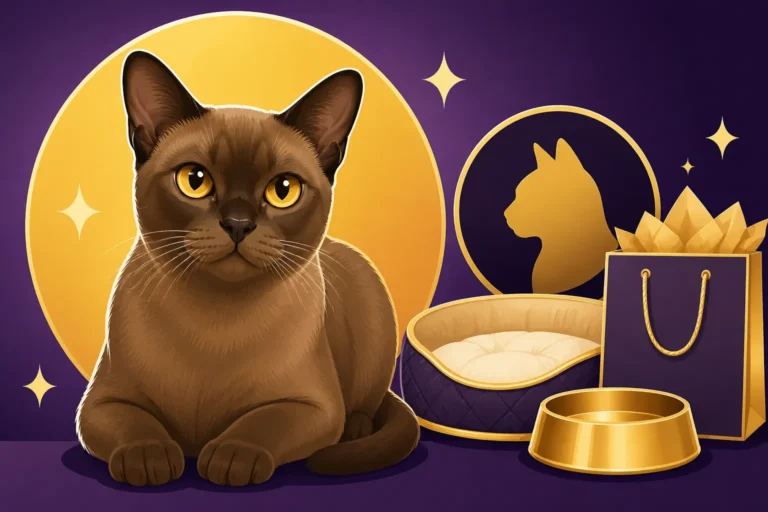
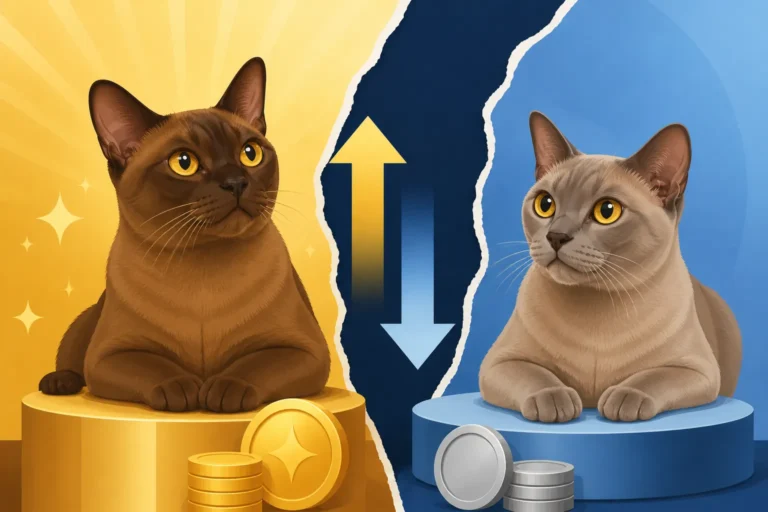
Sable, often described as a rich, warm brown, is the foundational color of the Burmese breed. It was the color of Wong Mau, the cat from whom the entire breed originates. Because it is the dominant color expression for Burmese cats (assuming two copies of the Burmese color gene, cb), it tends to be the most common color produced in litters. This relative abundance means that sable Burmese kittens are typically the most accessible in terms of price compared to their more genetically complex counterparts.
Don't mistake "most common" for "less beautiful" or "less desirable." A well-bred sable Burmese is absolutely stunning, with a coat that feels like satin and gleams with warmth. The depth and richness of the brown can vary, sometimes appearing quite dark, almost black, and sometimes a lighter, warmer chocolate. Regardless, a sable kitten embodies the quintessential Burmese look and temperament. It's the standard against which all other colors are often measured.
Why Other Colors Command a Higher Price Tag
While sable is beautiful, Burmese cats also come in champagne (a warm, lighter brown), blue (a soft grey), and platinum (a pale, almost lavender-grey). These colors are variations on the original sable gene, caused by dilution genes or different genetic combinations. For example, champagne is a diluted sable, blue is a diluted black (which then looks grey due to the Burmese cb gene), and platinum is a diluted blue.
These diluted colors, especially blue and platinum, are generally less common than sable. Breeding for specific colors requires a deeper understanding of genetics, and sometimes results in smaller litter sizes for certain color combinations. The rarity and the specialized breeding knowledge required to consistently produce these colors mean they often come with a higher price tag. If you've seen prices significantly above the typical range, it's often for one of these rarer shades. You can see more about the recognized colors in Which Colors CFA Accepts in a Burmese.
Pet Quality vs. Show/Breeding Quality Sable Burmese
The purpose for which you acquire your sable Burmese kitten also plays a massive role in its cost. Most breeders offer kittens as "pet quality," meaning they are sold with a spay/neuter contract. This contract legally obligates you to have the kitten sterilized by a certain age, preventing accidental litters and ensuring the kitten lives as a beloved companion. A pet quality kitten might have a minor conformational flaw that disqualifies it from the show ring (perhaps ears set slightly too wide, or a tiny spot of incorrect color), but these flaws have absolutely no impact on its health or its ability to be a fantastic pet.
Kittens sold with "breeding rights" or as "show quality" command a significantly higher price. These kittens meet the stringent breed standard requirements, are often exceptional examples of the breed, and carry the genetic potential to contribute to the future of the Burmese lines. Breeders who sell a cat with breeding rights are essentially selling a part of their breeding program and their investment. This is why you might see a show/breeding quality kitten costing two or three times what a pet quality kitten does. Unless you have specific aspirations to show or breed, a pet quality sable Burmese kitten will bring all the joy and companionship you could ever desire without the inflated price of breeding potential.
What a Sable Burmese Kitten Price Should Include
When you're shelling out a significant sum for a kitten, you have every right to expect certain things to be included in that price. A responsible breeder will ensure their kittens are prepared for their new homes in many ways.
Essential Health Clearances and Vaccinations
The price of a well-bred sable Burmese kitten should encompass a thorough health foundation. This means the kitten's parents have been screened for genetic diseases common in the breed, most notably hypokalemia (Burmese head defect is another serious one, though less common in modern lines). The breeder should provide you with copies of these health certificates for both parents. Why Hypokalemia Results Belong on a Burmese's Paperwork is a good read to understand this.
Beyond parental health, your kitten should come with at least its first round of core vaccinations (for feline panleukopenia, feline herpesvirus, and feline calicivirus), and usually the second round too, depending on when they go home. They should also be dewormed multiple times. Many breeders will include a microchip, often registered in your name or with transfer instructions. Finally, a comprehensive veterinary check-up, usually performed by the breeder's vet, should confirm the kitten is healthy and free of obvious issues. This vet visit is a critical safeguard. You can ask What a Burmese Kitten Has Had Done by Thirteen Weeks.
Socialization and Early Training
The Burmese is renowned for its dog-like personality and incredible affection, and this doesn't happen by accident. A significant portion of a kitten's early development should be dedicated to socialization. A good breeder understands that the first few weeks and months of a kitten's life are crucial for shaping its temperament. The price you pay covers the breeder's time and effort in:
- Handling: Regular, gentle handling from birth helps kittens become accustomed to human touch and reduces their likelihood of being fearful or aggressive. They should be used to being picked up, cuddled, and having their paws, ears, and mouths examined.
- Exposure to household noises: Kittens raised in a busy home environment, exposed to everyday sounds like vacuum cleaners, children playing, and doors closing, are much more likely to be well-adjusted adults who aren't easily startled.
- Interaction with other cats and people: Early positive interactions with the queen, littermates, and various people (including children if the breeder has them) contribute to a well-rounded and confident personality. The Burmese thrives on companionship, and early exposure to a loving environment sets them up for success.
A kitten that has been properly socialized is a joy to bring home, integrating seamlessly into your family. Neglecting this crucial step can lead to a shy, fearful, or even aggressive cat, and that's not what anyone wants.
Registration Papers and Guarantees
When you purchase a purebred sable Burmese kitten from a reputable breeder, the price usually includes official registration papers from a recognized cat registry like CFA or TICA. These papers are proof of your kitten's pedigree and purebred status. They will detail the kitten's lineage, showing its parents, grandparents, and often further back, which is important for tracing health and genetic history.
Most breeders also offer a health guarantee, typically for a certain period (e.g., one year) against severe genetic or congenital defects. It's crucial to read this guarantee carefully, understanding what it covers, what it requires of you (such as a vet check-up within a few days of purchase), and what recourse you have if an issue arises. A good guarantee provides peace of mind, though it's important to remember that no guarantee can cover every single potential health issue, especially those that manifest later in life like diabetes.
Beyond the Purchase Price: Initial Set-Up and Ongoing Costs
The sticker price of your sable Burmese kitten is just the beginning. Bringing a new feline friend home involves a whole host of other expenses, both immediate and long-term. Budgeting for these from the outset will save you stress down the road.
First-Year Essentials and Vet Visits
When your sable Burmese kitten first arrives, you'll need to have a few essentials ready. This includes a secure carrier for transport, food and water bowls, a comfortable bed (though a Burmese will likely prefer your lap or bed!), a litter box (or two!), and appropriate litter. Don't forget toys – lots of them! A Burmese is a playful breed, even into old age, and interactive toys are key to their happiness and mental stimulation. Initial supplies could easily add a few hundred dollars to your initial outlay.
Beyond supplies, the first year often involves several vet visits beyond what the breeder has already covered. Your kitten will need booster vaccinations, rabies shots, and a spay or neuter surgery if the breeder hasn't already performed it. This surgery alone can cost a few hundred dollars or more, depending on your location and veterinary clinic. Plus, don't forget preventative medications like flea, tick, and heartworm treatments, which are ongoing costs throughout your cat's life. Considering pet insurance from early on can be a wise decision to help with unexpected vet bills down the line. Companies like Healthy Paws offer various plans, and while they might not cover pre-existing conditions (like diabetes if it develops later in life), they can be invaluable for accidents and other illnesses.
Budgeting for a Pair: The Burmese Companionship Need
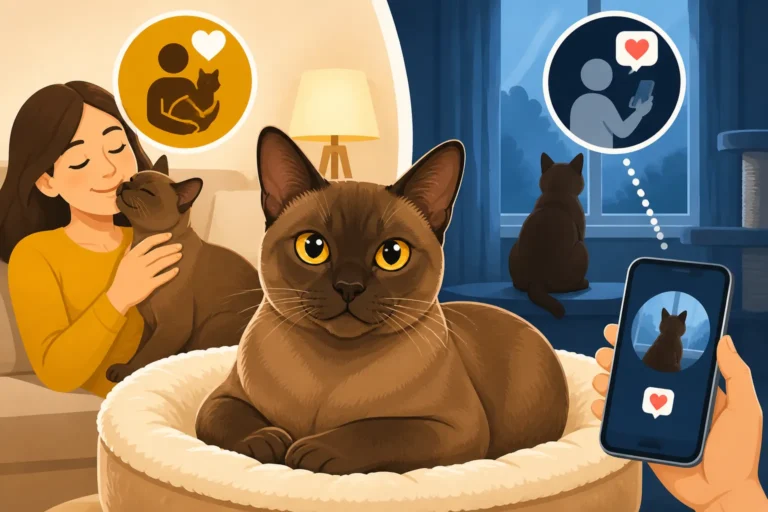
This is perhaps one of the most important considerations for any prospective Burmese owner: these cats hate being alone. They are often called "Velcro cats" for a reason – they thrive on constant companionship and interaction. Leaving a Burmese alone for long stretches, especially if you work long hours, can lead to significant behavioral issues like destructive chewing, spraying, or even self-mutilation due to separation anxiety. Why a Burmese Cannot Be Left Alone All Day explains this in detail.
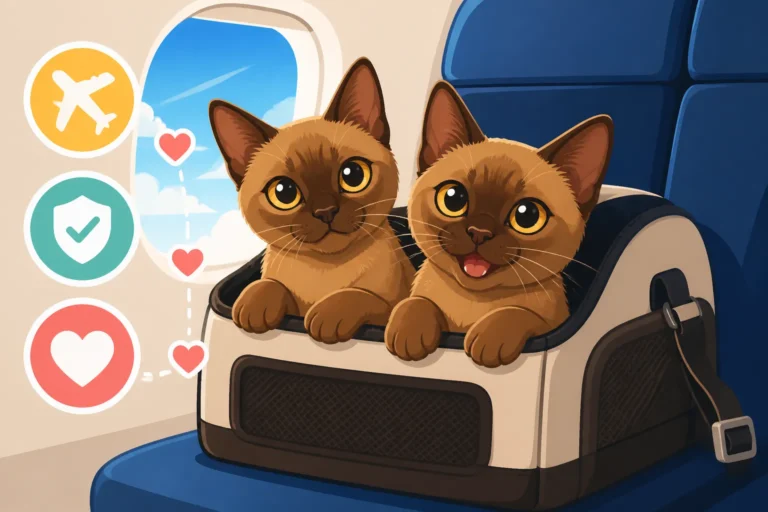
This is why many reputable Burmese breeders strongly recommend, and sometimes even require, that kittens go home in pairs, or to a household that already has another pet (cat-friendly dog or another cat). While buying two kittens doubles your initial purchase price, it can actually save you money and heartache in the long run. Two Burmese kittens will entertain each other, play together, and provide the crucial companionship they both need, reducing the likelihood of anxiety-related destructive behaviors. Think of it less as doubling your expense and more as an investment in preventing future problems. Why Burmese Breeders Sell Them in Pairs offers more insight here. Even if you're set on one, consider the long-term emotional and potential financial cost of a lonely Burmese.
Food Considerations for a Diabetes-Prone Breed
Finally, the daily cost of feeding your sable Burmese kitten is more than just buying a bag of kibble. The Burmese breed has a genetic predisposition to diabetes, making diet a critical component of their preventative health care. Why Low Carbohydrate Food Matters for a Burmese is a must-read for any Burmese owner. From day one, your kitten should be on a high-quality, low-carbohydrate, high-protein wet food diet. This type of diet helps maintain a healthy weight and keeps blood sugar levels stable, significantly reducing their risk of developing diabetes later in life.
While premium wet food can be more expensive than dry kibble, it is a non-negotiable investment in your Burmese's health. You'll need to weigh portions carefully – a Burmese is notorious for always being hungry, but overfeeding can lead to obesity, a major risk factor for diabetes. Brands that focus on high-quality ingredients and low carbohydrate content are key. Building this healthy habit from kittenhood is far easier than trying to switch a diabetic adult cat onto a new diet. Neglecting this crucial dietary care can lead to far greater costs down the line, including expensive veterinary visits, insulin, and glucose monitoring equipment. Why a Burmese Budget Needs an Insulin Line for potential future costs.
It's clear that the cost of a sable Burmese kitten extends far beyond the initial price tag. It's an investment in a loving, vibrant companion, and by understanding all the factors involved, you can ensure you're prepared for a wonderful, long life together.
Disclaimer
This article is for general informational purposes only and does not constitute professional advice. Laws, prices and regulations vary by location and change over time. Consult a qualified professional for guidance on your specific situation.