Why a Burmese Budget Needs an Insulin Line
Bringing a Burmese cat into your life is an incredible joy; they are bundles of affection, playful antics, and that distinctive rasping rumble. But beneath that "brick wrapped in silk" exterior lies a reality many prospective owners don't fully grasp until they're deep into ownership: the breed's significant predisposition to diabetes. It's a heartbreaking diagnosis that can turn a simple budget into a complex one, and this guide is here to shed light on why your Burmese budget needs to include a dedicated line item for insulin, even if your beloved companion is currently healthy.
The Unspoken Truth: Burmese and Their Diabetes Risk
It's tough to talk about, but ignoring it won't make it go away. The truth is, Burmese cats, particularly certain bloodlines, carry a genetic burden that makes them far more susceptible to developing diabetes than almost any other breed. This isn't about blaming anyone; it's about being informed and prepared.
The Deep Genetic Roots of Burmese Diabetes
The reason for this elevated risk isn't just anecdotal; it's rooted in their genetic makeup. Studies have highlighted specific genetic markers in Burmese cats, especially those from Australian and European lines, that are strongly linked to an increased likelihood of developing feline diabetes mellitus. This means that even with the best care, some Burmese are simply predisposed. It's not a matter of if, but sometimes, when. This genetic vulnerability makes Why a Burmese Is Four Times More Likely to Become Diabetic a critical piece of information for any owner. When you look into the breed's history and genetic studies, you start to understand why this condition is so prevalent. It's a stark contrast to many other breeds where diabetes is more commonly attributed purely to lifestyle. Knowing this from the outset can help you prepare for the financial implications and the necessary changes in daily care.
Lifestyle Factors That Accelerate the Inevitable
While genetics loads the gun, lifestyle often pulls the trigger. For a Burmese, maintaining a healthy weight and a carefully controlled diet isn't just good practice; it's a medical imperative. Overweight Burmese cats are at a dramatically higher risk of developing diabetes. This is why Why Weight Is the Only Lever a Burmese Owner Has in managing this risk is so crucial. Free-feeding, high-carbohydrate kibble, and unchecked weight gain create a perfect storm, pushing genetically predisposed cats towards insulin dependence. Many owners, ourselves included, fall into the trap of overfeeding because our Burmese are so food-motivated and insistent. They have a way of looking at you that just begs for another treat or a topped-up bowl, but resisting that urge is one of the most loving things you can do for them. Neutering, while essential for population control and preventing certain other health issues, also plays a subtle role, often leading to a decrease in metabolism and making weight management even more challenging.
Navigating the Financial Maze of a Diabetes Diagnosis
The moment your vet confirms diabetes can feel like a punch to the gut. Beyond the emotional impact, the financial realities quickly set in. This isn't a condition that can be wished away or treated with a one-time pill. It's an ongoing, daily commitment, both financially and emotionally.
The Initial Costs of Confirmation and Stabilization
Before you even get to insulin, there's the diagnostic process. Your vet will likely perform a series of blood tests, including glucose curves and fructosamine tests, to confirm the diagnosis and assess the severity. What a Fructosamine Test Shows in a Burmese is incredibly important, as it gives a more accurate long-term picture of blood sugar levels, removing the stress-induced spikes that can occur at the vet's office. These tests, along with initial consultations and potentially hospitalization for stabilization, can add up quickly. It’s an investment, but a necessary one to ensure your cat receives the correct treatment plan. You might be making several trips to the clinic during this initial phase, learning how to manage the condition and ensuring your cat's blood sugar is brought under control.
The Ongoing Expense of Insulin Therapy and Supplies
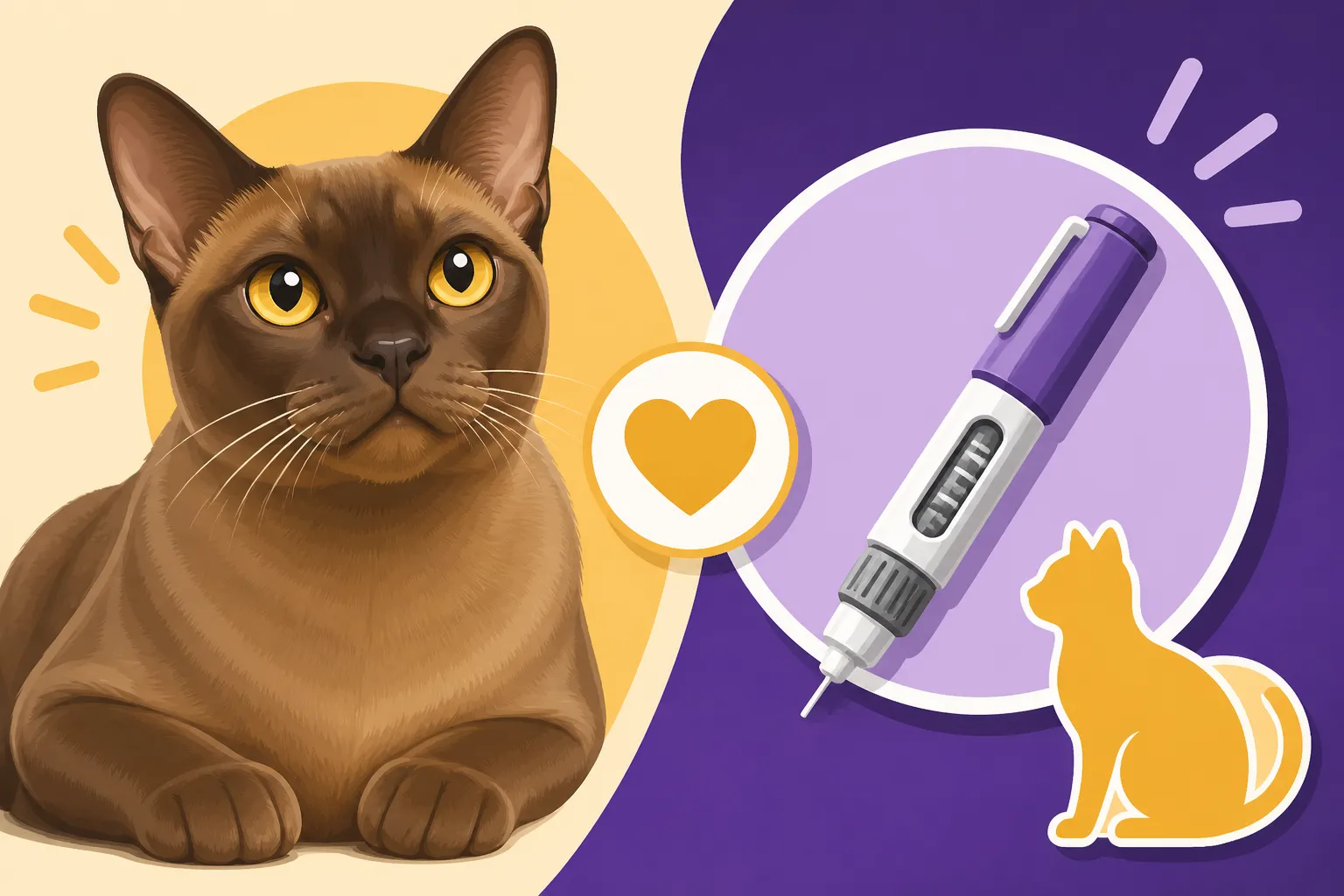
Once diagnosed, insulin becomes a daily, sometimes twice-daily, reality. The cost of insulin itself varies, but it's a recurring expense you can't skip. You'll also need a steady supply of insulin syringes or pens, which are specifically designed for precise dosing in small animals. Learning to administer these injections can feel daunting at first. I remember shaking the first few times I had to give an injection, terrified of hurting my sweet girl. But with practice, it becomes second nature, and many Burmese are incredibly tolerant, purring through the process because they sense it helps them feel better.
Consider the following typical ongoing expenses:
| Item | Frequency | Impact on Budget |
|---|---|---|
| Insulin Vials/Pens | Monthly | Significant recurring cost |
| Insulin Syringes | Monthly | Necessary for accurate dosing |
| Blood Glucose Meter | One-time/Yearly | Initial purchase, then replacement/calibration |
| Test Strips | Weekly/Monthly | Very frequent, essential for monitoring |
| Lancets | Weekly/Monthly | Used with meter for blood samples |
| Specialized Diet | Monthly | Often higher cost than generic cat food |
| Vet Check-ups | Quarterly/Bi-annually | Regular monitoring, dose adjustments |
Monitoring at Home and Hidden Costs
Beyond the insulin itself, monitoring your cat's blood glucose levels at home is often recommended, if not essential. This means investing in a pet-specific blood glucose meter, test strips, and lancets. While the initial setup might seem like another expense, it empowers you to keep a close eye on your Burmese and make informed decisions with your vet about insulin dosage. It's a huge peace of mind, allowing you to catch potential issues like hypoglycemia (dangerously low blood sugar) before they become emergencies. What Glucose Monitoring Equipment Costs a Burmese Owner is a factor many don't consider upfront, but it's vital for proactive care. Moreover, you might find yourself needing to adapt your home environment, perhaps investing in cat beds in warmer spots for your short-coated friend, or new litter boxes, as diabetic cats often drink and urinate more frequently.
Adjusting Lifestyle and Budget for a Diabetic Burmese
A diabetes diagnosis doesn't just add an insulin line to your budget; it necessitates a complete overhaul of how you approach your Burmese's care, from diet to veterinary care and even insurance. These adjustments carry their own financial implications.
The Dietary Shift to Low Carbohydrate Perfection
One of the most powerful tools in managing feline diabetes, and sometimes even achieving remission, is a strict low-carbohydrate diet. This almost universally means moving away from dry kibble and towards high-protein, low-carb wet food. The problem is, many premium wet foods, especially those meeting the stringent carbohydrate requirements for diabetic cats, can be significantly more expensive than their dry counterparts. Specialized low-carb diets are widely available, but this shift can easily double or triple your monthly food bill. Why Low Carbohydrate Food Matters for a Burmese isn't just about weight loss; it's about fundamentally changing how their body processes sugars. You'll become an expert in reading food labels, calculating carbohydrate percentages, and perhaps even researching reputable food delivery services to ensure you always have the right options on hand.
Increased Vet Visits and Managing Complications
A diabetic Burmese requires more frequent veterinary attention. Initially, after diagnosis, you might be at the vet every few weeks for glucose curves and dose adjustments. Even once stable, routine check-ups often increase to every three to six months, compared to the annual visit for a healthy cat. These appointments are crucial for monitoring overall health, checking for complications, and fine-tuning insulin dosages. Diabetic cats are also more prone to other health issues, such as urinary tract infections or dental problems, which can lead to additional vet bills. Unexpected emergencies, like a hypoglycemic episode, can mean immediate, costly veterinary care. It’s important to budget for these potential scenarios. How Often a Healthy Adult Burmese Needs Checking dramatically shifts once diabetes enters the picture.
The Tricky World of Pet Insurance
Pet insurance can be a lifesaver for many conditions, but when it comes to diabetes, things get complicated. Most insurance policies consider diabetes a pre-existing condition once diagnosed, meaning they will not cover any costs related to its treatment or management. This underscores the importance of insuring your Burmese before any symptoms of diabetes appear. If you already have a diabetic Burmese, you might still find value in a policy from providers like Healthy Paws for other potential illnesses or accidents, but be prepared for a specific exclusion for diabetes-related claims. Whether a Diabetic Burmese Can Be Insured often boils down to the timing of your policy purchase. It's a cruel reality that the very condition your breed is known for might be excluded when you need cover most.
The Long-Term Commitment and Emotional Investment
Ultimately, budgeting for insulin isn't just about the vials and syringes; it's about understanding the lifelong commitment you're making to a cat that might have a chronic, manageable condition.
A Lifelong Financial Journey
For many Burmese, diabetes is a lifelong condition requiring continuous insulin therapy, specialized diets, and vigilant monitoring. This means the "insulin line" in your budget isn't a temporary expense; it's a permanent fixture. Over the typical The Sixteen to Eighteen Years a Well Bred Burmese Gets, these costs can accumulate significantly. It’s an ongoing financial journey, and it’s one that requires careful planning and dedication. The choice to treat diabetes means accepting this long-term financial responsibility, but for many Burmese owners, the reward of their cat's continued affection and vibrant personality makes every penny worth it.
The Priceless Emotional and Time Investment
While not a monetary cost, the emotional and time investment required for a diabetic Burmese is immense. You're learning to inject insulin, monitor blood glucose, meticulously measure food, and constantly watch for any changes in your cat's behavior. This demands consistency, patience, and a deep well of love. It can be stressful, especially in the beginning, and it requires a dedicated caregiver who understands the gravity of the situation. However, the bond you forge through this daily care can be incredibly powerful. Your Burmese, in its inimitable affectionate way, often seems to understand you're helping them, responding with purrs and head rubs even during injections. It’s a testament to their trusting nature and a beautiful silver lining to a challenging situation.
Disclaimer
This article is for general informational purposes only and does not constitute professional advice. Laws, prices and regulations vary by location and change over time. Consult a qualified professional for guidance on your specific situation.