What the Burmese Hypokalemia Test Costs
As devoted guardians of our beloved Burmese companions, there's nothing more unsettling than the thought of them facing a debilitating genetic illness. One such concern that often weighs heavily on the minds of Burmese owners and breeders is Hypokalemia, a condition that can cause significant muscle weakness and discomfort. This guide aims to demystify the financial aspect of managing this risk, offering a comprehensive look at what the Burmese Hypokalemia DNA test costs, why it's such a vital investment, and what goes into that final figure on your vet bill.
The Genetic Riddle: Understanding Feline Hypokalemia in Burmese Cats
Bringing a Burmese into your home is an absolute joy, filled with their characteristic "dog-like" devotion and playful antics. But alongside that joy comes the responsibility of understanding their unique health predispositions. Among these, feline hypokalemia, or "familial episodic hypokalemic polymyopathy," stands out as a condition specific to the breed, making genetic testing not just advisable, but truly essential for responsible ownership.
What is Hypokalemia and Why is it a Burmese Concern?
Imagine your usually vibrant, active Burmese suddenly struggling to lift its head, or walking with an unsteady, stiff gait, almost as if its muscles have turned to jelly. That’s often what an episode of hypokalemia can look like. This inherited disorder is characterized by intermittent bouts of severe muscle weakness caused by abnormally low potassium levels in the blood. These episodes can range from mild stiffness to complete inability to move, and they can be incredibly frightening to witness.
What makes it a particular Burmese concern? It's a genetic mutation. Specifically, a mutation in the WNK4 gene has been identified as the culprit for this condition in Burmese cats. This means it's passed down from parent to kitten, and without proper genetic screening, it can silently spread through bloodlines. Unlike some conditions that might affect many breeds, this one is intimately linked to the Burmese, and therefore, proactive screening is paramount. Many owners are relieved to learn there's actually a definitive test for it. Hypokalemia Is the Burmese Disease With a DNA Test covers this in more detail.
The Silent Threat: Why Early Detection Through DNA Testing is Crucial
The insidious nature of genetic diseases is that a cat can be a carrier without ever showing symptoms itself. This means a perfectly healthy-looking Burmese could pass on the gene to its offspring, potentially resulting in kittens that are severely affected. This is why DNA testing isn't just about diagnosing an already sick cat; it's fundamentally about prevention and ethical breeding.
For breeders, knowing the genetic status of their breeding cats is non-negotiable. It allows them to make informed decisions to avoid producing affected kittens, thereby safeguarding the health of the breed as a whole. For prospective pet owners, asking about the parents' hypokalemia test results is just as crucial. It provides peace of mind that your future companion has the best possible start and isn't unknowingly carrying a genetic time bomb. Discovering How Hypokalemia First Shows in a Burmese Kitten can be heartbreaking, making prevention so much more important. Without testing, this silent threat can lead to unexpected distress and significant veterinary costs down the line.
Deciphering the Financials: What to Expect from the Hypokalemia DNA Test Cost
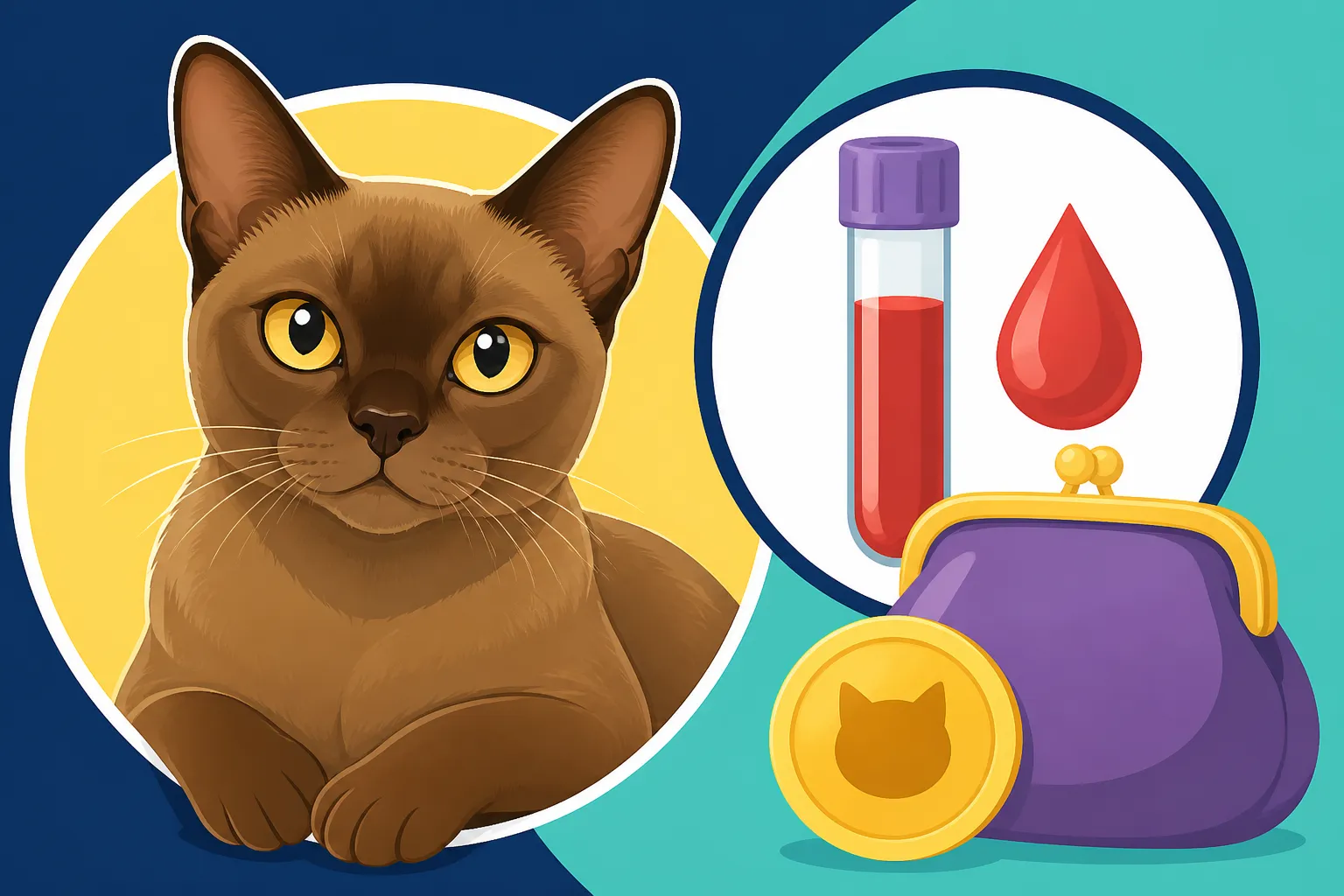
When you're looking into genetic testing, the question of cost is naturally one of the first things that comes to mind. It's important to understand that the "cost" of the Burmese hypokalemia DNA test isn't a single, fixed number you can just look up. Instead, it's influenced by several factors, from the lab you choose to how the sample is collected. However, what I can tell you is that it's generally considered a very reasonable investment when weighed against the potential suffering and much higher costs of caring for an affected animal.
The Base Cost: Breaking Down Laboratory Fees for the Test
The most significant portion of the cost will come directly from the genetic testing laboratory itself. These are specialized facilities that process the DNA sample and analyze it for the specific WNK4 gene mutation associated with hypokalemia. The pricing for this core service can vary, but typically, you'll find it falls within a certain accessible range.
Some laboratories offer the hypokalemia test as a standalone option, while others might include it as part of a broader genetic health panel for Burmese cats. Opting for a full panel, which might include screening for other potential breed-specific conditions, could sometimes offer a slightly better per-test value than purchasing individual tests, though the total upfront cost will be higher. Think of it like buying groceries: sometimes a bundle deal is more economical if you need all the items anyway. You'll want to check with a few reputable labs directly to compare their current pricing structures.
Additional Charges: Vet Consultation, Sample Collection, and Shipping
Beyond the core lab fee, there are usually a few additional charges you'll encounter. These cover the practical aspects of getting the sample from your cat to the lab and can include:
- Veterinary Consultation Fee: While a DNA sample for hypokalemia can often be collected by an owner at home, many prefer or are required by their breeder to have a vet perform the collection. This ensures proper technique and sample integrity, particularly for breeding certifications. Your vet will charge a standard consultation or technician fee for this service.
- Sample Collection Materials: If your vet collects the sample, the cost of the sterile swabs or blood collection tubes might be included in their fee or billed separately. If you're doing an at-home collection kit, these materials are usually included in the lab's kit price.
- Shipping Costs: The DNA sample needs to be sent to the laboratory, which often involves special packaging to protect the sample and ensure its safe arrival. You'll need to factor in the cost of postage or courier services. Some labs might include a return shipping label in their kit, while others expect you to cover this.
These additional costs, while seemingly small individually, can add up, so it's wise to get a full estimate from your veterinarian if they'll be involved in the process.
Geographic and Provider Variances: How Location and Choice Affect Pricing
Just like most services, the cost of the Burmese hypokalemia test can be influenced by where you are in the world and which specific lab you choose.
- Geographic Location: Veterinary fees for sample collection can vary significantly from one city or region to another. A vet in a major metropolitan area might have higher overheads, reflected in their prices, compared to a rural practice. Similarly, international shipping costs and customs duties could apply if you're sending a sample to a lab in a different country, which can definitely inflate the overall expense.
- Laboratory Choice: There are several excellent genetic testing laboratories worldwide that offer the Burmese hypokalemia test. Each lab sets its own pricing, often based on its operational costs, the volume of tests it processes, and any additional services it provides (like online results portals or genetic counseling). It's a good idea to research a few different labs that serve your area or country and compare their published fees. Look for labs that specialize in feline genetics or have a strong reputation within the cat fancy for accuracy and reliability. Which Lab Runs the Burmese Hypokalemia Test can help you find reputable options.
Here’s a simplified breakdown of typical cost components:
| Cost Component | Description | Typical Fluctuation Factors |
|---|---|---|
| Laboratory Test Fee | The charge for processing and analyzing the DNA sample for the WNK4 mutation. | Lab's reputation, standalone vs. panel pricing, discounts offered. |
| Vet Consultation/Sample Collection | Fee for your veterinarian to collect the sample (e.g., cheek swab, blood draw). | Vet's hourly rate, geographic location, complexity of collection. |
| Sample Collection Kit | Cost of sterile swabs, tubes, and packaging for the sample. | Often included in lab fee, or minimal cost from vet. |
| Shipping/Postage | Cost to send the sample to the genetic testing laboratory. | Distance, shipping speed (standard vs. expedited), courier choice. |
| Expedited Results | Optional extra fee for faster processing of the sample. | Lab policy, demand. |
While I can't provide exact figures, you'll find that the total cost for this vital test is generally a modest amount compared to the thousands you might spend over a lifetime on veterinary care, especially if managing a chronic condition. Investing in this test early on is a testament to your commitment to your Burmese's long-term health and well-being.
Navigating the Testing Process: From Cheek Swab to Results
The idea of genetic testing might sound complex, but the process for the Burmese hypokalemia DNA test is surprisingly straightforward. Most of the time, it's a simple, non-invasive procedure that your cat will barely notice.
The Simple Procedure: How a DNA Sample is Collected
For the Burmese hypokalemia DNA test, the most common and easiest method for collecting a sample is a buccal swab, more commonly known as a cheek swab. This involves gently rubbing a sterile brush or swab along the inside of your cat's cheek to collect epithelial cells. These cells contain the cat's DNA.
Here’s how it typically works:
- Obtaining a Kit: You'll usually order a specific DNA testing kit from your chosen genetic laboratory. This kit will contain the sterile swabs, instructions, and often a sample submission form.
- Collection: With the help of a vet technician or doing it yourself if you're confident, you'll open the sterile swab and gently rub it firmly on the inside of your cat's cheek and under its tongue for about 10-15 seconds. It's important to collect enough cells, so some gentle pressure is necessary. You'll typically use two swabs, one for each side of the mouth, to maximize the sample. Make sure your cat hasn't eaten recently, as food particles can contaminate the sample.
- Drying and Packaging: After collection, the swabs need to air dry thoroughly to prevent mold growth, which can degrade the DNA. Once dry, they are placed back into their protective sleeves or tubes provided in the kit.
- Submission: The packaged swabs, along with the completed submission form, are then mailed back to the laboratory.
The beauty of the cheek swab is its simplicity and lack of stress for your cat. It avoids the need for a blood draw, which can be more invasive and sometimes requires sedation, though a blood sample can also be used if it's already being taken for other tests. Why a Burmese Cheek Swab Is Enough highlights the convenience of this method.
Choosing a Reliable Lab: What to Look for in Testing Services
Selecting the right laboratory for your Burmese's DNA test is as important as the test itself. You want to ensure accuracy, reliability, and good customer service. Here are a few things to look for:
- Accreditation and Reputation: Look for labs that are recognized within the veterinary genetics community. Many have partnerships with breed clubs or are recommended by veterinary professionals. A good reputation often means consistent quality control and accurate results.
- Clear Reporting: The lab should provide easy-to-understand results, clearly indicating whether your cat is clear, a carrier, or affected by the hypokalemia mutation. They should also offer explanations if you have questions.
- Customer Support: Responsive customer service is valuable. If you have questions about the collection process, shipping, or interpreting results, you want to be able to get clear answers.
- Specific Burmese Expertise: While many labs can test for general feline genetic conditions, some specialize in breed-specific tests, which can be a good indicator of their expertise.
- Data Privacy: Ensure the lab has clear policies on data privacy and how your cat's genetic information will be used and stored.
You might find that your breeder or veterinarian has specific recommendations for labs they trust, which can be a great starting point for your research.
Understanding the Waiting Game: Turnaround Times and Expedited Options
Once your sample is sent off, the waiting game begins. Standard turnaround times for DNA tests can vary widely, often ranging from a couple of weeks to over a month, depending on the lab's current volume and staffing.
If you're a breeder with a specific mating schedule, or an anxious owner eager for answers, some labs offer expedited processing options for an additional fee. This can significantly reduce the waiting period, sometimes to within a week or less. However, it's an extra cost to consider. Always confirm the expected turnaround time and any expedited options when you place your order, especially if you have a deadline. It's important to note that these timelines are estimates, and unforeseen circumstances can sometimes cause delays.
Beyond the Price Tag: The Value of Knowing Your Burmese's Genetic Status
While the initial cost of the hypokalemia DNA test is a practical consideration, the true value lies not in the expenditure itself, but in the invaluable knowledge it provides. This information empowers you to make responsible decisions that can profoundly impact your Burmese's life and the future of the breed.
Interpreting the Results: Clear, Carrier, or Affected
When the results arrive, they will typically classify your Burmese into one of three categories:
- Clear (N/N): This means your cat does not carry the WNK4 mutation and cannot pass it on to any offspring. It also means your cat will not develop hypokalemia due to this specific genetic mutation.
- Carrier (N/K): A carrier cat has one copy of the WNK4 mutation but typically does not show symptoms of hypokalemia itself. However, if a carrier cat is bred with another carrier, there's a 25% chance per kitten that they will be affected. How to Read a Burmese Hypokalemia Carrier Result is crucial for breeders.
- Affected (K/K): An affected cat has two copies of the WNK4 mutation and will develop hypokalemia. The severity of symptoms can vary, but these cats will likely experience episodes of muscle weakness.
Understanding these results is fundamental. For clear cats, it provides immense peace of mind. For carrier cats, it means careful breeding choices are necessary to prevent affected offspring. For affected cats, it allows for proactive management and careful monitoring of their health, even though the test itself doesn't cure the condition.
The Ethical Breeder's Imperative: Preventing the Spread of Hypokalemia
For anyone involved in breeding Burmese cats, genetic testing for hypokalemia isn't just a recommendation; it's an ethical obligation. The goal of responsible breeding is to improve the health and well-being of the breed. By testing all breeding cats, breeders can:
- Eliminate Affected Offspring: By ensuring that at least one parent of every litter is "clear" of the mutation, breeders can guarantee that no kitten will be born "affected" (K/K). Even if one parent is a carrier, pairing them with a clear cat means no kittens will ever develop the disease, though some might still be carriers. Why Two Burmese Carriers Must Never Be Bred details the risks.
- Preserve Genetic Diversity: The test allows breeders to selectively breed carriers to clear cats, rather than simply removing carriers from the gene pool entirely. This is vital for maintaining genetic diversity within the breed, which is important for overall health and vigor.
- Provide Transparency: Reputable breeders openly share the hypokalemia test results of their breeding cats with prospective buyers. This transparency builds trust and assures new owners they are getting a healthy kitten from well-screened lines. This is part of What a Burmese Breeder Must Test Before Any Mating.
The Long-Term Savings: How Testing Reduces Future Veterinary Bills
While there's an upfront cost associated with the hypokalemia DNA test, consider it an investment that can lead to significant long-term savings. The costs associated with managing an affected Burmese can be substantial and ongoing.
- Diagnosis Costs: If you acquire an untested cat that later shows symptoms, your vet will need to conduct various diagnostic tests, potentially including blood work to check potassium levels, neurological exams, and possibly specialized imaging. These investigations can quickly add up.
- Treatment and Management: An affected Burmese will require ongoing veterinary care. This might include potassium supplementation, dietary management (sometimes involving specific foods, though always consult your vet), and regular check-ups. Episodes might require emergency vet visits, which are always more expensive. What Potassium Supplementation Does for a Burmese can be a lifelong commitment.
- Insurance Implications: Many pet insurance policies, such as those from Healthy Paws, are designed to cover unexpected illnesses and accidents. However, pre-existing conditions are typically excluded. If your cat is diagnosed with hypokalemia before you get insurance, or if you purchase an untested cat that later develops symptoms, you may find that the condition is not covered, leaving you to shoulder all the treatment costs. Getting your cat tested before symptoms appear can help ensure eligibility for coverage on genetic conditions if your policy allows.
The cost of a simple DNA test pales in comparison to the emotional toll and financial burden of managing a chronically ill cat. It's a prime example of how a relatively small, proactive investment can prevent a lifetime of worry and expense, ensuring your beloved Burmese can live a full, active, and healthy life as your cherished companion.
Disclaimer
This article is for general informational purposes only and does not constitute professional advice. Laws, prices and regulations vary by location and change over time. Consult a qualified professional for guidance on your specific situation.