How Much Wet Food a Diabetes Prone Burmese Needs
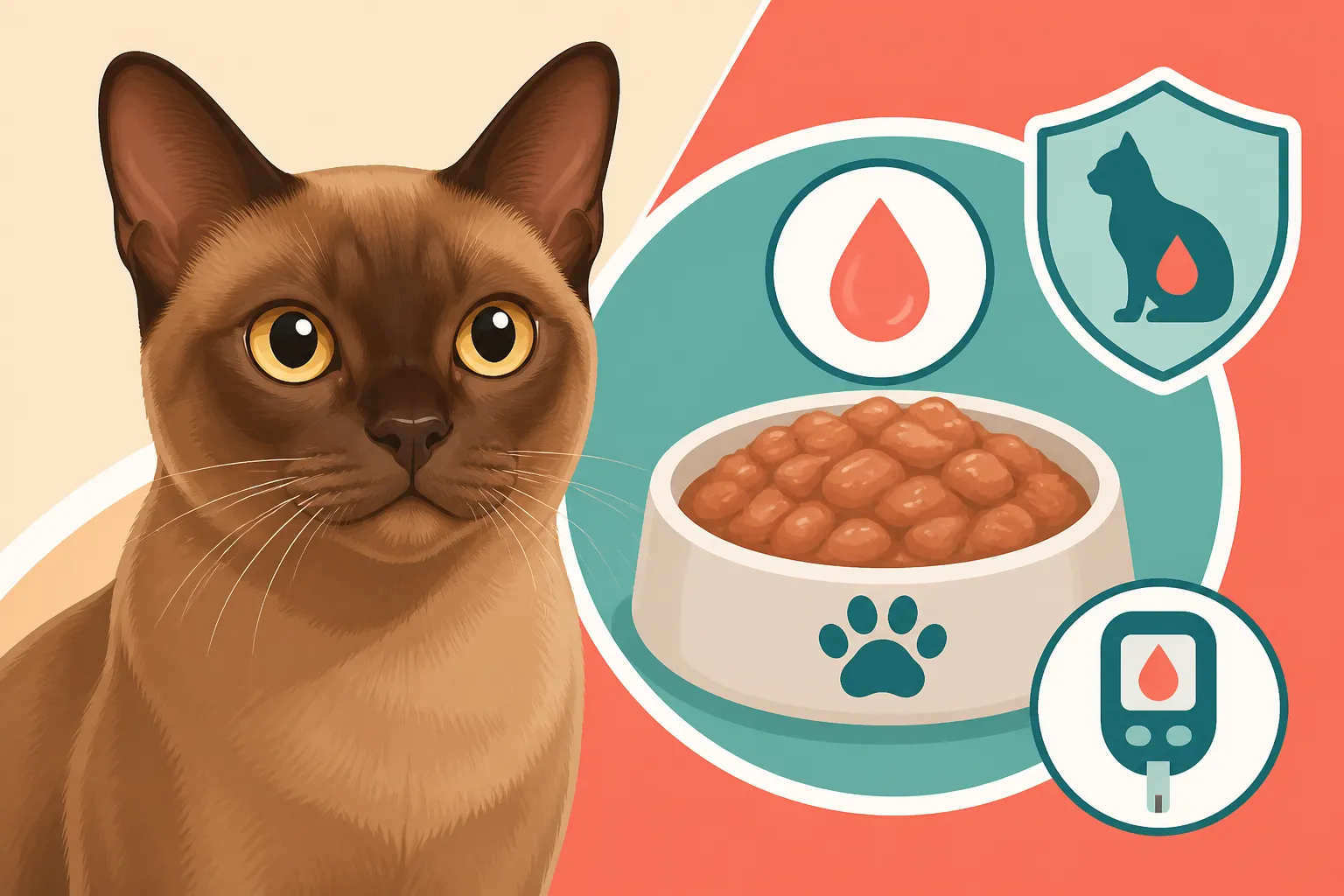
It's incredibly frustrating, and often heartbreaking, when you learn your beloved Burmese cat is prone to or has already developed diabetes. This isn't just a simple dietary tweak; it's a fundamental shift in how you care for your feline friend, and knowing exactly how much wet food a diabetes-prone Burmese needs can feel like navigating a minefield. This comprehensive guide will walk you through the precise dietary considerations, practical feeding strategies, and crucial monitoring techniques to ensure your Burmese thrives despite this challenging health condition, making the medical decision of feeding them a manageable daily routine.
The Critical Role of Wet Food in Burmese Diabetes Management
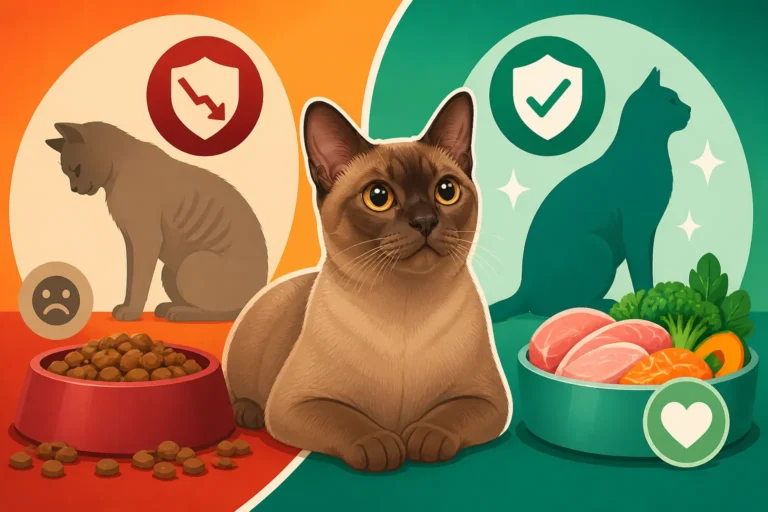
When it comes to managing diabetes or preventing its onset in a Burmese cat, the type of food you offer isn't just a preference; it's a medical intervention. Dry kibble, while convenient, is often a major culprit in exacerbating or even triggering the condition in susceptible cats. Wet food, with its inherent nutritional profile and moisture content, becomes the cornerstone of a healthy diet for these special felines.
Why Burmese Cats are Prone to Diabetes
The Burmese cat, as beautiful and affectionate as they are, unfortunately carries a genetic predisposition that makes them significantly more susceptible to developing diabetes than many other breeds. It’s not just a casual risk; studies have shown that they are Why a Burmese Is Four Times More Likely to Become Diabetic. This isn't about blaming the breed; it's about understanding their unique metabolic makeup. Their bodies are less efficient at processing carbohydrates, meaning that even a diet that seems "normal" for another cat breed can be problematic for a Burmese.
This genetic vulnerability means their pancreas can be more easily overworked, leading to insulin resistance and eventually, a failure to produce enough insulin to regulate blood sugar. It's a cruel irony that such a robust and muscular breed can have such a delicate internal system. Knowing this predisposition means we, as their guardians, have a heightened responsibility to manage their diet proactively, long before any signs of illness appear.
It's truly a silent threat that can creep up on you. One day your cat is fine, the next you're noticing subtle changes in their drinking or urination habits, which can be the first red flags. This inherent risk means that every dietary choice you make for your Burmese, from kittenhood onwards, holds significant weight in their long-term health trajectory.
The Carbohydrate Conundrum for Burmese
The primary reason wet food is superior for a diabetes-prone Burmese revolves around carbohydrate content. Cats, as obligate carnivores, are biologically designed to thrive on a diet rich in animal protein and fat, with very minimal carbohydrates. In the wild, their prey doesn't contain grains or starches. Dry kibble, however, often contains high levels of carbohydrates, acting as cheap fillers and binders. These carbs convert rapidly to sugar in a cat's bloodstream, causing significant spikes in blood glucose.
For a Burmese, whose system already struggles with carbohydrate metabolism, these spikes are particularly damaging. Over time, consistently high carbohydrate intake can lead to chronic insulin overproduction, exhausting the pancreas and paving the way for diabetes. It's like constantly revving an engine beyond its capacity; eventually, something is going to break down.
Wet food, on the other hand, typically offers a much lower carbohydrate profile, often below the crucial 10% mark (on a dry matter basis) that veterinarians recommend for diabetic or pre-diabetic cats. This lower carbohydrate load helps maintain stable blood sugar levels, reducing the strain on the pancreas and either preventing diabetes from developing or aiding in its management if it's already present. It allows their body to function more in line with its natural design.
The Hydration Benefit
Beyond carbohydrates, the hydration aspect of wet food cannot be overstated for a diabetes-prone Burmese. Cats naturally have a low thirst drive, evolved from their desert-dwelling ancestors who got most of their water from their prey. Dry kibble provides very little moisture, forcing cats to drink more, which many simply don't do adequately.
For a diabetic cat, proper hydration is absolutely critical. High blood sugar causes excessive urination (polyuria) as the kidneys try to flush out the excess glucose. This leads to increased thirst (polydipsia) and potential dehydration if water intake isn't sufficient. If your Burmese is already showing signs like drinking more, it's a serious indicator that needs immediate attention. Why a Burmese Drinking More Needs Testing That Week.
Feeding an exclusively wet food diet significantly boosts your cat's daily water intake, supporting kidney function, helping to dilute glucose in the bloodstream, and preventing dehydration. It's a simple, yet profoundly effective, way to support their overall health, especially when their system is under the stress of glucose regulation. This natural hydration helps their body cope with the metabolic challenges, making wet food a truly holistic approach to their well-being.
Determining the Right Amount of Wet Food for Your Burmese
Once you've committed to a low-carbohydrate wet food diet, the next critical step is figuring out how much to feed. This isn't a one-size-fits-all answer, and getting it right is crucial for maintaining a healthy weight and stable blood sugar.
Calculating Caloric Needs
The foundation of determining how much wet food your Burmese needs lies in their individual caloric requirements. This isn't just guesswork; it involves considering several factors specific to your cat. Their age plays a role – kittens and active young adults will need more calories than a senior cat. Activity level is another huge factor; a couch potato Burmese will need less than one that still chases toys with kitten-like enthusiasm at fifteen. And of course, their current weight and ideal target weight are paramount. How Many Calories a Neutered Adult Burmese Burns is a great starting point for understanding typical energy needs.
A veterinarian can provide the most accurate estimate of your individual cat's daily caloric needs, especially if they are overweight or underweight, or already diabetic. They might use a formula based on your cat's ideal body weight and then adjust it based on their lifestyle. It’s important not to just pick a number out of thin air, as both underfeeding and overfeeding can lead to health complications, particularly for a diabetes-prone cat.
Once you have this target calorie number, you'll need to translate it into actual grams or ounces of wet food. This requires a bit of label reading and math, but it's a vital step. Remember, consistency is key, so once you've calculated the daily amount, stick to it.
Reading Wet Food Labels
Navigating wet food labels can feel like deciphering a secret code, but it's essential for a diabetes-prone Burmese. You're looking for a few key pieces of information:
- Guaranteed Analysis: This section lists crude protein, fat, fiber, and moisture. To calculate the dry matter basis carbohydrate percentage (which is what truly matters), you'll need to do a little math. Subtract the percentages of protein, fat, fiber, and moisture from 100%. What's left is a rough estimate of the carbohydrate percentage. Aim for under 10% total carbohydrates on a dry matter basis for diabetic or pre-diabetic cats.
- Calorie Content (Metabolizable Energy – ME): This is often listed as kcal/kg or kcal/can (or pouch). This tells you how many calories are in a specific unit of the food. Once you know your cat's daily caloric needs, you can divide that by the kcal/can to determine how many cans or portions they require per day.
- Ingredients List: Look for whole meat proteins as the first few ingredients. Avoid foods with corn, wheat, soy, potatoes, rice, or other high-starch ingredients, especially in the top five. Brands that prioritize whole meats and eschew fillers are your friends. Websites like Chewy offer a wide selection of cat foods, often with detailed nutritional information, making it easier to compare options and find suitable low-carb wet foods.
It’s often eye-opening how different brands, even those labeled "grain-free," can vary wildly in their actual carbohydrate content. Becoming a label detective is a skill every Burmese owner, especially those managing diabetes risk, absolutely must develop. Don't be fooled by marketing; let the numbers and ingredients guide your choices.
The Importance of Weighing Portions
This might sound like overkill, but trust me, for a diabetes-prone Burmese, weighing their food portion is non-negotiable. Why a Burmese's Portion Is Weighed, Not Scooped is a topic worth diving into deeply because a scoop is notoriously inaccurate. Small variations, seemingly insignificant on a daily basis, can add up to significant over- or underfeeding over weeks and months, directly impacting your cat's weight and blood sugar control.
Cat food portions are often small, and even a few extra kibbles (if you're using a minimal amount as a treat, though wet food is always better) or a slightly larger blob of wet food can change the calorie intake dramatically. A digital kitchen scale that measures in grams is an invaluable tool for precision. It ensures that every meal provides the exact caloric and nutritional intake prescribed by your vet or calculated for your cat's specific needs.
Imagine the difference between a rounded teaspoon and a level teaspoon – that difference, repeated twice a day, every day, can throw off your cat’s diet by hundreds of calories over a month. For a cat whose metabolism is already challenged, this level of inconsistency can be detrimental. Investing in an accurate scale is a small price to pay for the peace of mind and health benefits it brings. It's truly a game-changer in precise dietary management.
Practical Feeding Strategies for a Diabetes-Prone Burmese
Beyond choosing the right food and knowing the right amount, how you feed your Burmese can be just as crucial. Establishing a routine, managing transitions, and constant monitoring are key pillars of successful diabetes management.
Establishing a Consistent Feeding Schedule
Consistency in feeding times is absolutely vital for any cat, but it becomes a cornerstone of health for a diabetes-prone Burmese, especially if they are on insulin. Their bodies crave routine to maintain stable blood glucose levels. Think of it like this: if their digestive system and metabolism are constantly surprised by meal times, their blood sugar will be on a rollercoaster, making it harder for their body to regulate itself, and challenging for insulin to work effectively if administered.
Ideally, your Burmese should be fed two distinct meals a day, roughly 12 hours apart. This schedule aligns with typical insulin administration if your cat is diabetic, allowing the medication to work in conjunction with food intake. How to Time a Diabetic Burmese's Meals Around Insulin details how crucial this synchronization is. Skipping meals, or offering food at erratic times, can lead to dangerous fluctuations in blood sugar, including potentially life-threatening hypoglycemia (low blood sugar).
This consistency also applies to the type of food and its portion size, as discussed earlier. Every meal should be a predictable event for your cat's system, minimizing metabolic stress. Even on weekends or holidays, maintaining this schedule is paramount. It can feel restrictive at first, but it quickly becomes second nature and is one of the most impactful things you can do for your Burmese’s health.
Gradual Dietary Transitions
Switching your cat's diet, especially from a dry kibble to a primarily wet, low-carb regimen, needs to be done gradually. Cats are creatures of habit, and abrupt changes can lead to digestive upset like vomiting or diarrhea, or worse, outright food refusal. For a diabetes-prone cat, food refusal can be very dangerous, particularly if they are on insulin.
The best approach is to transition slowly over 7-10 days, or even longer if your cat is particularly finicky. Start by mixing a very small amount of the new wet food with their old food. Over several days, gradually increase the proportion of the new food while decreasing the old. Monitor their appetite, stool quality, and overall demeanor closely. If you notice any signs of distress, slow down the transition even further.
Some Burmese cats can be notoriously picky, so patience is key. You might try different textures or flavors of low-carb wet food until you find one they enjoy. Remember, the goal is to get them consistently eating a healthy diet, so a slow and steady approach is far more effective than a rushed one that leads to refusal. Don't give up if the first new food isn't a hit; there's a world of options out there, and finding the right fit is a rewarding process for their long-term health.
Monitoring and Adjusting
Feeding a diabetes-prone Burmese isn't a set-it-and-forget-it task. It requires ongoing monitoring and, at times, adjustment. Regular check-ups with your veterinarian are essential. They will monitor your cat's weight, overall health, and, most importantly, their blood glucose levels. A fructosamine test, for example, gives an average blood glucose level over a longer period, providing a clearer picture than a single snapshot reading. What a Fructosamine Test Shows in a Burmese will give you more insight into this diagnostic tool.
At home, you should be a keen observer of your cat's appetite, water intake, urination habits, and energy levels. Any significant changes in these areas warrant a call to your vet. Keep a log of their daily food intake, any treats given, and their weight (perhaps weekly). Why a Burmese's Weight Should Be Recorded Monthly is a good guideline, but weekly might be more prudent for a diabetes-prone individual. This data will be invaluable to your vet when making any necessary adjustments to their diet or medication.
Your vet may recommend home glucose monitoring, which can give you real-time insights into how your cat's body is responding to their diet and any insulin. This information empowers you to work closely with your vet to fine-tune their care. Remember, their needs might change over time due to age, activity level, or disease progression. Being proactive and adaptable is paramount to keeping your Burmese healthy and happy.
Common Pitfalls and How to Avoid Them
Even with the best intentions, it's easy to fall into certain traps when feeding a diabetes-prone Burmese. Being aware of these common pitfalls can help you steer clear of problems and maintain your cat's health more effectively.
Overfeeding and Underfeeding Risks
Getting the portion size wrong, whether intentionally or accidentally, poses significant risks for a diabetes-prone Burmese.
Overfeeding: This is perhaps the most common pitfall. Burmese cats are renowned for their robust appetites and their ability to beg convincingly. It’s easy to think "just a little more won't hurt," but consistent overfeeding leads to weight gain. Excess body fat increases insulin resistance, making it harder to control blood sugar and exacerbating the diabetes. If your cat is already diabetic, overfeeding can make it incredibly difficult to achieve remission or even stable management. Why Weight Is the Only Lever a Burmese Owner Has when it comes to diabetes, underscores just how critical maintaining a healthy weight truly is. It can also lead to faster emptying of their litter box, as Why a Diabetic Burmese Fills Its Box Faster is a direct result of increased urination from high blood sugar.
Underfeeding: While less common for the perpetually hungry Burmese, underfeeding is also dangerous. It can lead to malnutrition, loss of muscle mass, and a weakened immune system. For a diabetic cat, insufficient caloric intake, especially if they are on insulin, can lead to hypoglycemia, a dangerously low blood sugar state that can cause weakness, seizures, and even death. It's a delicate balance, which is why precise measurement and veterinary guidance are so important.
The key to avoiding both extremes is consistent portion control using a digital scale and sticking to your vet's recommended caloric intake. Don't succumb to the pleading eyes; you're doing what's best for their long-term health, even if it feels tough in the moment.
The Dangers of Treats and "Human Food"
This is where the affectionate, people-oriented nature of the Burmese can truly work against their health. They love to be involved, they love to beg, and they often manage to convince us that they deserve a little something extra. However, for a diabetes-prone Burmese, treats and human food are often hidden sources of carbohydrates and calories that can completely derail a carefully managed diet. How Quickly Treats Undo a Burmese's Glucose Control is not an exaggeration.
Most commercial cat treats, particularly crunchy ones, are high in carbohydrates. Even small amounts can cause significant blood sugar spikes. Human foods, like pieces of bread, pasta, sugary dairy, or even plain cooked meat (if not accounted for in their daily calories), can contribute to weight gain and blood sugar instability.
If you absolutely must give treats for training or bonding, choose very small pieces of cooked lean meat (like plain chicken or turkey) that are counted within their daily caloric allowance. Better yet, use a portion of their regular wet food as a "treat" during interactive play. Remember, every bite counts. The best way to show your love for your Burmese is to protect their health, even if it means saying "no" to their adorable begging face.
Multi-Cat Households
Managing the diet of a diabetes-prone Burmese in a multi-cat household presents a unique set of challenges. It's almost impossible to free-feed other cats when one needs strict portion and carbohydrate control. Your diabetic Burmese will likely try to eat everyone else's food, leading to overfeeding and severe blood sugar issues.
Here are some strategies to manage this:
- Separate Feeding: This is often the most effective method. Feed your diabetes-prone Burmese in a separate room with a closed door, ensuring they eat only their designated meal. This also allows you to monitor their intake.
- Timed Meals for All: Instead of free-feeding, institute timed meals for all cats. Put down the food for a set period (e.g., 15-20 minutes), and then pick up all bowls, even if there's food left. This encourages all cats to eat at meal times and prevents grazing.
- Microchip Feeders: These feeders only open for the specific cat whose microchip (or RFID tag) they recognize. This can be a game-changer, allowing your diabetes-prone Burmese access only to their food, while other cats can have their own feeders. This is especially useful if you need to offer multiple smaller meals throughout the day.
- Different Diets: If your other cats are healthy, they might not need the same strict low-carb diet. However, for simplicity and to prevent accidental consumption, feeding all cats a high-quality, low-carb wet food is often the easiest solution. It's generally beneficial for all cats anyway. You can find many brands suitable for this on platforms like Chewy. How to Keep Two Burmese on Different Diets delves into the complexities of this situation and offers further solutions.
Dealing with multiple cats and varying dietary needs adds a layer of complexity, but with careful planning and consistent execution, it's entirely manageable. Your goal is to ensure your diabetes-prone Burmese gets exactly what they need, and nothing they don't.
Disclaimer
This article is for general informational purposes only and does not constitute professional advice. Laws, prices and regulations vary by location and change over time. Consult a qualified professional for guidance on your specific situation.