What the First Year on Insulin Costs a Burmese Owner
Discovering your beloved Burmese has diabetes is a gut punch, not just emotionally, but financially too. That initial diagnosis throws you into a whirlwind of new information, a whole new routine, and a stack of bills that can feel overwhelming. It's a scary time, wondering how you'll manage it all. This guide is here to walk you through what the first year of insulin treatment for your Burmese might look like financially, helping you prepare for the costs involved in getting your sweet companion back on track.
Understanding the Initial Diagnosis and Setup Costs
When your vet confirms diabetes in your Burmese, it kicks off a series of essential steps, each with its own price tag. It's not just about the insulin itself; there's a whole new world of diagnostics and equipment you'll need to navigate.
The Vet Visit and Diagnostic Tests
The journey usually begins with that crucial vet appointment where symptoms like increased thirst and urination are discussed. Your vet will need to perform several tests to get a clear picture and confirm the diagnosis. This typically includes blood work, like a full chemistry panel to assess organ function, and a urinalysis to check for glucose and ketones. A key diagnostic for feline diabetes is often a fructosamine test, which gives a better average of your cat's blood glucose over time, as a single glucose reading can be skewed by stress. Sometimes, your vet might recommend a glucose curve, either done at the clinic over several hours or at home. Each of these tests, while absolutely necessary for an accurate diagnosis and treatment plan, adds to your initial bill. Think of it as the foundational cost to understand exactly what you're dealing with. How a Diabetic Burmese Is Diagnosed explains more about this process.
Insulin Prescription and Initial Supply
Once diabetes is confirmed, your vet will prescribe insulin. This isn't a one-size-fits-all situation; there are different types of insulin, and the cost can vary. Your vet will select the type best suited for your Burmese, often starting with a low dose and adjusting as needed. The initial prescription typically involves purchasing a vial or pen of insulin, which can be a significant upfront cost. Alongside the insulin, you'll need a supply of specialized insulin syringes. These are tiny, designed for precise dosing, and are single-use. The cost of a box of syringes might seem small individually, but it's a recurring expense you'll quickly become familiar with. You'll also need a sharps container for safe disposal of used needles, which is a one-time purchase but essential for safety.
Glucose Monitoring Equipment
To effectively manage your Burmese's diabetes at home, regular blood glucose monitoring is crucial. This means investing in a pet-specific glucose meter, as human meters can sometimes give inaccurate readings for cats. Along with the meter, you'll need a steady supply of lancets (the tiny needles used to get a blood sample) and test strips, which are often the most expensive part of home monitoring. Some owners also opt for continuous glucose monitors (CGMs) for easier tracking, but these come with their own higher price point and are generally replaced every couple of weeks. While the initial outlay for a meter, a supply of strips, and lancets can feel like a lot, it empowers you to keep a close eye on your cat's health and make informed decisions with your vet. How a Burmese Is Monitored on Insulin at Home delves into the practicalities of this daily routine.
Ongoing Monthly Costs of Insulin and Supplies
The initial setup costs are just the beginning. Managing diabetes is a marathon, not a sprint, and you'll quickly settle into a rhythm of monthly expenditures for medication and supplies.
Insulin Refills
Insulin, once opened, has a limited shelf life, typically around 28 days for most types, even if refrigerated. This means you'll be replacing your insulin vial or pen roughly once a month, regardless of how much you've used. The cost can fluctuate slightly depending on the brand and your supplier, but it's a consistent line item in your monthly budget. It's wise to always have a backup vial on hand, just in case, but remember to factor in that shelf life. Missing doses can have serious consequences for your cat's health, so budgeting for regular refills is non-negotiable.
Syringes and Sharps Disposal
Just like the insulin itself, you'll go through syringes at a steady pace. If your Burmese requires two injections a day, that's 60 syringes a month. While they might seem inexpensive per unit, those costs add up over time. Always use a new, sterile syringe for each injection to ensure accuracy and prevent infection. As you accumulate used syringes, your sharps container will fill up, requiring periodic replacement. Safe disposal is important, and local regulations will dictate how you can get rid of full containers, sometimes involving a small fee at your vet's office or a designated disposal site. How to Give a Burmese Its Insulin at Home is a great resource for mastering the injection technique.
Regular Blood Glucose Testing Supplies
Home blood glucose monitoring is an ongoing commitment. Those test strips are used daily, sometimes multiple times a day, especially during the initial regulation phase or if your cat's numbers are unstable. Test strips are often sold in packs, and you'll find yourself needing to replenish them frequently. Lancets also run out, though often less quickly than strips. These consistent purchases ensure you can keep tabs on your Burmese's blood sugar, allowing for timely adjustments to their insulin dose by your vet. It's a critical part of preventing dangerous lows (hypoglycemia) and persistent highs.
Dietary Changes and Their Financial Impact
Beyond medication, diet plays an absolutely massive role in managing feline diabetes. This often means a complete overhaul of your cat's food, and these changes come with their own financial considerations.
Prescription or Low-Carb Wet Food
One of the most effective strategies for managing or even achieving remission in a diabetic Burmese is a diet that is very low in carbohydrates and high in protein. This usually means a switch to an all-wet food diet, specifically formulated for diabetic cats or one that meets strict carbohydrate limits. Such specialized diets, whether prescription brands from your vet or carefully selected commercial low-carb wet foods, are almost always more expensive than the dry kibble your cat might have eaten before. The transition might involve some trial and error to find a food your Burmese enjoys and that keeps their glucose stable. These specialized foods are convenient to order, but the cost per serving will likely be higher. Why Low Carbohydrate Food Matters for a Burmese explains the science behind this dietary necessity.
Managing Food in a Multi-Cat Household
If you live in a multi-cat household, feeding a diabetic Burmese can become even more complex and potentially more expensive. Ideally, all cats in the home would eat the same low-carb wet food, but this isn't always practical or necessary if the other cats aren't prone to weight gain or diabetes. More often, you'll need to feed your diabetic Burmese separately, monitoring them to ensure they eat their full portion and don't steal food from other cats. This could involve using microchip feeders, feeding in separate rooms, or supervising meal times closely. The cost increases if you're buying two different types of food, or if you end up feeding all your cats the more expensive diabetic diet to simplify things. It's a common challenge that requires patience and a good strategy to manage effectively.
Ancillary Costs and Potential Complications
While insulin and food are the main pillars, there are other costs that can arise, from routine check-ups to unforeseen emergencies, all of which contribute to the first-year expenses.
Follow-Up Vet Appointments and Glucose Curves
Managing diabetes isn't just about giving injections; it requires ongoing veterinary oversight. In the first year, especially during the initial regulation period, your Burmese will likely need frequent follow-up appointments. These visits allow your vet to assess their progress, check their weight, and often perform in-clinic glucose curves or review your home monitoring logs to adjust the insulin dose. As the disease progresses, or if your cat goes into remission, these visits might become less frequent, but in that first year, expect several consultations. Each visit incurs a consultation fee, and any additional tests like blood pressure checks or further blood work will add to the cost. What Diabetes Costs a Burmese Owner a Year gives a broader overview of the financial implications.
Emergency Care for Hypoglycemia or Other Issues
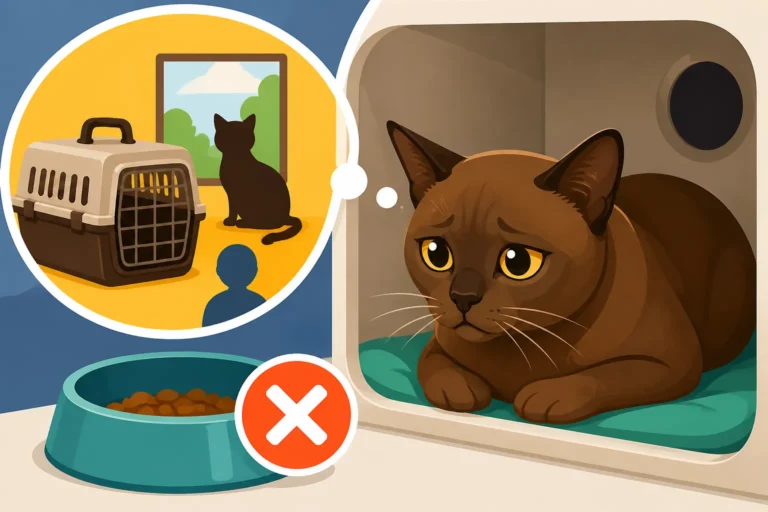
Despite your best efforts, complications can arise. The most common immediate concern is hypoglycemia (dangerously low blood sugar), which can occur if too much insulin is given, or if your cat doesn't eat enough after an injection. Symptoms can range from lethargy and weakness to seizures and coma, requiring immediate emergency veterinary care. These emergency visits are typically much more expensive than routine appointments, especially if they occur outside of normal business hours. Other complications like diabetic ketoacidosis (DKA) or urinary tract infections (common in diabetic cats) can also lead to costly emergency interventions. It's a frightening possibility, but one you need to be aware of and financially prepared for.
The Role of Pet Insurance
Many Burmese owners consider pet insurance to help mitigate these unpredictable costs. However, it's crucial to understand how pet insurance works, especially concerning chronic conditions like diabetes. Most pet insurance policies, including those from providers like Healthy Paws, consider diabetes a pre-existing condition if your cat was diagnosed before you purchased or enrolled in the policy, or during the waiting period. This means any costs related to diabetes care – insulin, syringes, vet visits for regulation, emergency hypoglycemia treatments – will likely not be covered. This is why it's often recommended to insure your cat when they are young and healthy, before any chronic conditions manifest. Even if diabetes isn't covered, insurance can still be valuable for other unexpected illnesses or accidents. Whether a Diabetic Burmese Can Be Insured elaborates on this complex topic.
Budgeting and Long-Term Financial Planning
Taking on the care of a diabetic Burmese is a significant commitment. Understanding and planning for the financial aspect can reduce stress and allow you to focus on your cat's well-being.
Creating a Realistic Diabetes Budget
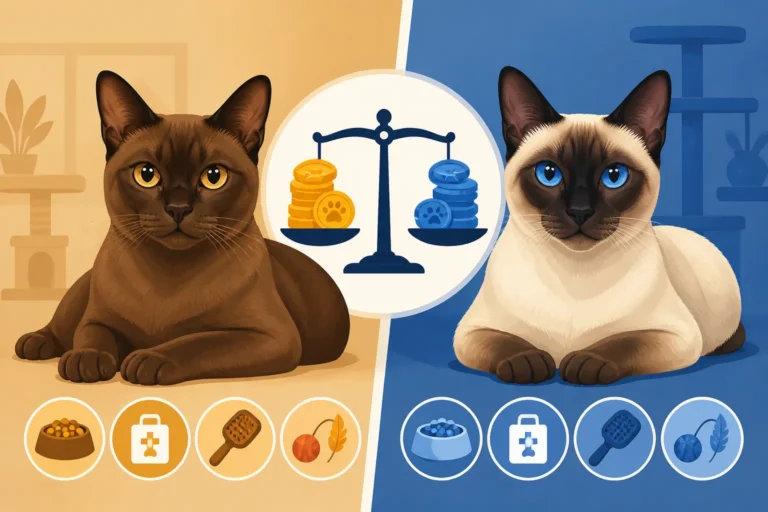
Once you have a handle on the initial and ongoing costs, sitting down to create a realistic budget is invaluable. Track all expenses related to your Burmese's diabetes care for the first few months. This includes insulin, syringes, test strips, specialized food, vet visits, and any emergency care. Categorize these expenses to see where the majority of your money is going. Look for opportunities to save, such as buying supplies in bulk if appropriate (considering insulin shelf life), or exploring generic versions of insulin if your vet approves. You might find that buying food from online retailers like Chewy with subscription discounts can help. Remember, this budget isn't static; it will evolve as your cat's needs change and you find your rhythm. What Insulin Costs a Burmese Owner Per Month focuses specifically on the medication costs.
The Emotional Toll vs. Financial Burden
It's impossible to talk about the cost of managing a diabetic Burmese without acknowledging the emotional toll. The financial burden can be heavy, but it's compounded by the stress of learning to administer injections, monitoring blood sugar, worrying about complications, and seeing your beloved pet cope with a chronic illness. This is where the commitment to your Burmese's well-being truly comes into play. Many owners find the bond with their cat deepens through this process. You're not just a pet owner; you're a caregiver, a nurse, and a constant source of comfort. The financial aspect can feel daunting, but the unconditional love and companionship your Burmese offers in return are truly priceless.
Estimated First-Year Costs for a Diabetic Burmese (Excluding Remission)
To give you a clearer picture, here's a general breakdown of potential expenses in the first year after a diabetes diagnosis. Please remember these are broad estimates; actual costs vary significantly based on location, vet fees, insulin type, and your cat's specific needs. Always check with your local veterinary clinics and pharmacies for current pricing.
| Cost Category | Initial Outlay (Rough Estimate) | Monthly Cost (Rough Estimate) | Annual Total (First Year) |
|---|---|---|---|
| Veterinary & Diagnostics | |||
| Initial Diagnosis (Tests, Consult) | Substantial | N/A | Significant |
| Follow-up Vet Visits (3-6 in first year) | N/A | Moderate | Substantial |
| Medication & Supplies | |||
| Insulin (1-2 vials/pens) | Substantial | Moderate to Substantial | High |
| Syringes (Box of 100) | Moderate | Moderate | Moderate |
| Sharps Container | Low | N/A | Low |
| Monitoring Equipment | |||
| Glucose Meter Kit | Moderate | N/A | Moderate |
| Test Strips (50-100 count) | Moderate | Moderate to Substantial | High |
| Lancets | Low | Low | Low |
| Dietary Changes | |||
| Low-Carb Wet Food | N/A | Substantial | High |
| Emergency Fund/Insurance | N/A | Highly Variable | Highly Variable |
| Total First Year | Very Significant |
This table highlights that the first year is often the most expensive due to initial diagnostic work and the effort required to stabilize blood sugar. Factors like How Many Diabetic Burmese Go Into Remission can significantly alter long-term costs. The good news is that with diligent care and management, many Burmese cats with diabetes can lead happy, fulfilling lives for years to come.
Disclaimer
This article is for general informational purposes only and does not constitute professional advice. Laws, prices and regulations vary by location and change over time. Consult a qualified professional for guidance on your specific situation.